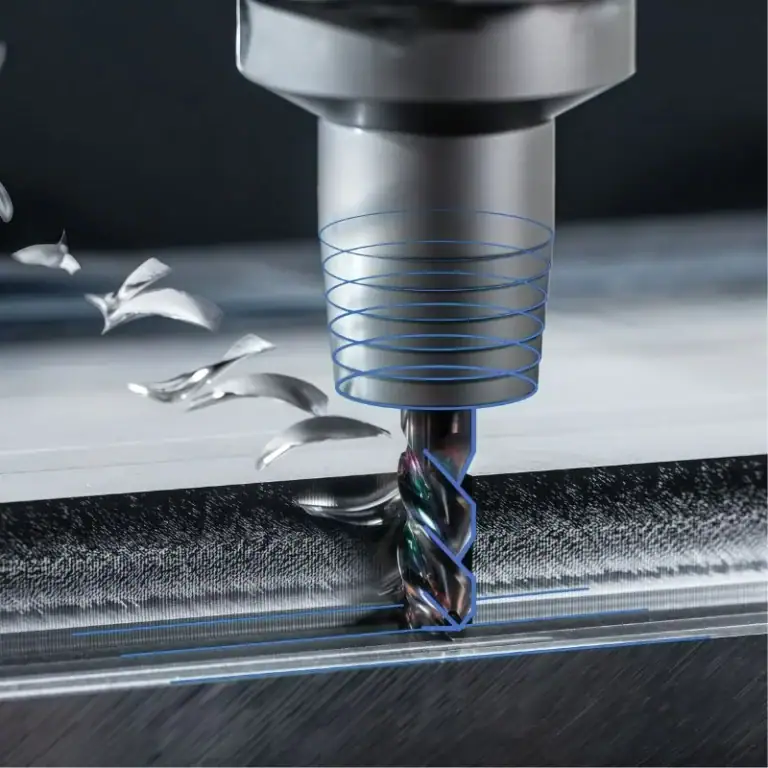
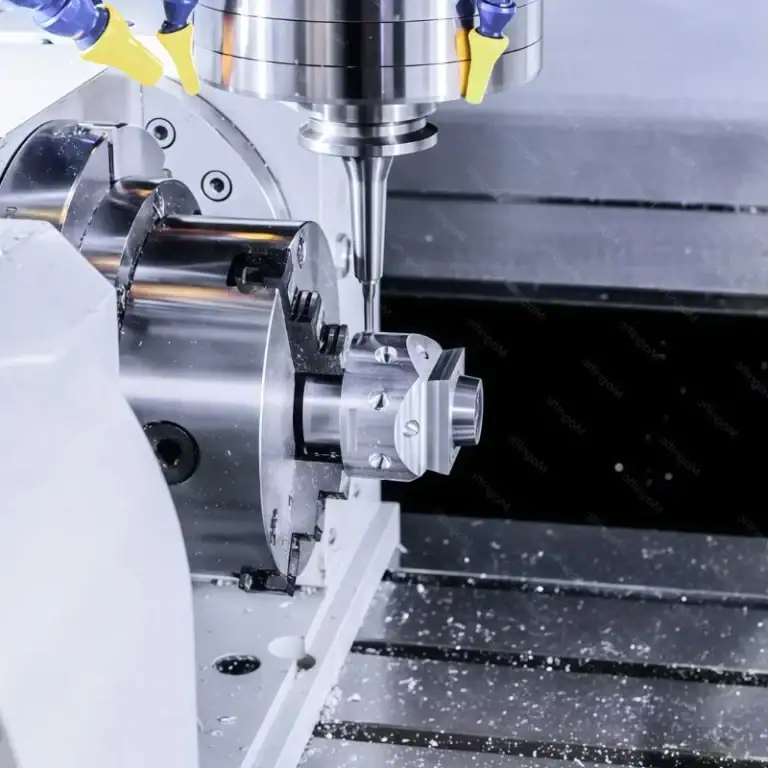
CNC turning batch production is a widely used manufacturing method in modern precision machining, particularly suitable for shafts, sleeves, pins, flanges, threaded components, connectors, and other rotational parts. When customer order volumes are high, product structures are stable, machining drawings are clearly defined, and delivery schedules are demanding, batch CNC turning can maintain high machining efficiency through standardized programs, fixed tool configurations, standardized workholding methods, and stable cutting parameters. Compared with single-piece production, batch machining reduces repeated programming, machine setup, tool changes, and repositioning operations, allowing machines to spend more time performing actual cutting. CNC programs can repeatedly execute verified tool paths, enabling each component to follow the same machining process and helping maintain dimensional accuracy, surface roughness, and product consistency. For manufacturers, batch turning can also be combined with automatic bar feeding, chip removal, robotic loading and unloading, in-process measurement, and tool-life management systems to improve machine utilization and production continuity. As industries such as automotive manufacturing, hydraulics, electronics, medical equipment, robotics, automation, and new energy equipment continue to demand large quantities of precision components, stable CNC turning batch production has become an important manufacturing solution for increasing capacity, controlling unit costs, and ensuring reliable order delivery.
CNC Turning Batch Production Improves Manufacturing Efficiency
CNC turning batch production allows equipment to enter a relatively stable continuous machining state after first-piece setup and process verification have been completed. During single-piece production, operators may frequently need to position workpieces, adjust programs, verify tools, and perform dimensional measurements. Batch production allows proven machining programs and process parameters to be standardized so that subsequent components can be manufactured using the same workflow. For components with identical or highly consistent structures, CNC machines can continuously perform external turning, internal boring, facing, grooving, chamfering, and threading operations while reducing machine downtime between operations. Batch orders also make it easier to prepare raw materials, cutting tools, fixtures, and inspection equipment in advance, allowing the manufacturing process to maintain a stable production rhythm. As order quantities increase, initial setup time can be distributed across more components, reducing the proportion of auxiliary time allocated to each part and increasing the percentage of actual cutting time.
Reduced Repeated Machine Setup Time
Batch CNC turning generally completes program verification, tool installation, coordinate setting, fixture adjustment, and first-piece inspection before formal production begins. Once the first piece meets drawing requirements, subsequent identical components can be produced using the verified machining conditions without repeating the complete setup process.
- Reduced repeated program modifications
- Fewer workpiece repositioning operations
- Shorter tool installation time
- Reduced coordinate resetting
- Fewer trial cuts
- Shorter production preparation time
- Increased effective machining time
- Reduced operator waiting time
For large-volume orders, the time saved during a single setup can be distributed across the entire batch. As production volume increases, the setup time and cost allocated to each component decrease further. Standardized setup procedures also allow operators working different shifts to follow the same process, reducing variations caused by individual operating methods.
Increased Continuous Machine Operation
Batch production reduces downtime caused by frequent product changes. Once workpiece dimensions, tool configurations, and machining programs remain stable, CNC lathes can continuously execute the same machining cycle. When an automatic bar-feeding system is installed, raw material can be continuously supplied to the machine, while robotic systems can perform loading and unloading operations.
- Higher machine utilization
- Less manual loading and unloading waiting time
- Longer effective cutting time
- Higher output per unit of time
- Less machine idling
- More stable production cycles
- Support for extended continuous machining
For long-term orders, stable machine operation allows manufacturers to calculate daily output and order completion times more accurately while making it easier to arrange material supply, staffing, and inspection schedules.
CNC Turning Batch Production Reduces Unit Manufacturing Costs
Batch production can effectively distribute the costs associated with programming, tooling preparation, machine setup, and first-piece inspection. When production quantities are small, these preparation costs are shared by only a limited number of components. As order quantities increase, fixed preparation costs are distributed across more products, gradually reducing the manufacturing cost per component. Batch production also allows manufacturers to purchase bar stock, inserts, cutting fluids, and other production materials in larger quantities, potentially achieving more favorable supply conditions. Once the production process becomes standardized, labor operations, machine waiting time, and repeated measurement activities can also be better controlled. For long-term precision component supply projects, continuous batch production allows manufacturers to build mature process experience and maintain better control over manufacturing costs and quotations.
Reduced Labor Costs
Batch CNC turning converts many repetitive operations into standardized production procedures. After operators complete machine setup and first-piece approval, they can perform inspections, material replacement, measurements, and tool management according to established procedures without developing a new machining method for every component.
- Less repetitive programming
- Reduced manual setup frequency
- Fewer repeated measurements
- Shorter workpiece loading time
- Less operator waiting
- Higher workforce efficiency
- Fewer operating errors
- Lower labor cost per component
When order volumes are high, the cost benefits of standardized operations become more significant. Automatic bar feeding and robotic loading and unloading can further reduce the amount of continuous manual operation required at each machine, allowing personnel to focus more on quality monitoring, equipment management, and production coordination.
Optimized Tool Consumption Costs
Batch machining provides relatively stable process conditions, allowing manufacturers to establish tool-life standards based on actual production data. For example, tool replacement intervals can be determined according to the number of components machined, accumulated cutting time, and actual wear condition, preventing excessive tool use or unnecessary early replacement.
- Standardized tool specifications
- Reduced unexpected tool changes
- Improved tool utilization
- Lower tool inventory pressure
- Recorded tool service life
- Optimized cutting parameters
- Reduced insert waste
- Lower overall tooling costs
Stable tool management not only reduces consumption but also minimizes downtime and quality problems caused by unexpected tool failure, helping maintain a consistent production rhythm.
CNC Turning Batch Production Improves Product Consistency
Batch components generally need highly consistent dimensions and surface quality. This is particularly important for automotive components, hydraulic parts, robotic components, and automation equipment assemblies, which often have strict requirements for mating dimensions, roundness, concentricity, and thread accuracy. CNC turning uses digital programs to control tool paths and machining parameters, reducing variations caused by manual operation. After the first component is inspected and approved, subsequent parts can be produced using the same program, tools, and process conditions, helping maintain stable dimensions throughout the batch. In-process inspection and tool compensation can also identify gradual dimensional changes and correct them before they develop into significant deviations.
Standardized Programs Maintain Machining Stability
A mature CNC program can define workpiece coordinates, tool paths, spindle speed, feed rate, and tool-changing sequences. Using a verified program for batch production reduces manual input errors and variations between different operators.
- Fixed workpiece coordinates
- Fixed tool paths
- Fixed machining sequence
- Fixed cutting parameters
- Fixed tool-changing logic
- Fixed inspection requirements
- Consistent machining cycles
Standardized programs provide a stable foundation for long-term batch production. For repeat orders, programs and process documents can be stored and reused, reducing repeated trials and setup time.
In-Process Inspection Reduces Dimensional Variation
For high-precision batch components, in-process measurement systems can be used to monitor critical external diameters, internal diameters, lengths, and positional dimensions. When measurement results approach tolerance limits, tool compensation can be applied in time to prevent further dimensional deviation.
In-process inspection can also store actual production data, helping manufacturers observe tool wear and dimensional trends. Through data analysis, manufacturers can predict suitable tool replacement times, reduce out-of-tolerance components, and improve batch yield.
CNC Turning Batch Production Supports Automated Manufacturing
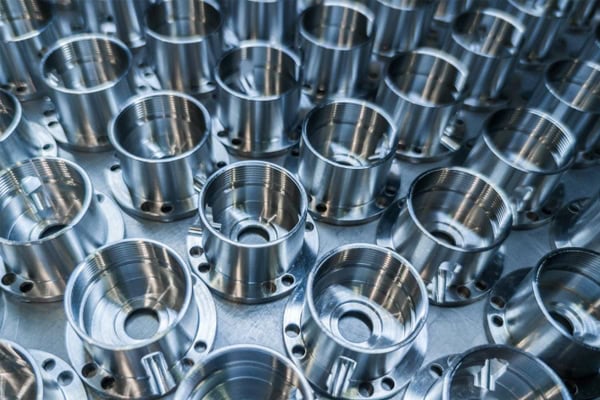
CNC turning is highly compatible with automated production systems. For projects with stable product specifications, high order volumes, and long production cycles, automatic bar feeders, robotic systems, automatic chip conveyors, and in-process inspection equipment can be integrated with CNC lathes to create a continuous production workflow. The automatic feeding system supplies raw material, the CNC machine performs cutting operations, robotic equipment handles loading and unloading, the chip conveyor removes metal chips, and inspection equipment monitors critical dimensions. Once these systems operate together efficiently, manual intervention can be significantly reduced and machine continuity can be improved.
Automatic Loading and Unloading Improves Machine Utilization
Automatic loading and unloading systems can perform raw material pickup, workpiece positioning, finished-part removal, and product transfer. For batch components with stable dimensions and weight, these systems can maintain consistent loading and unloading cycles.
- Automatic raw material pickup
- Automatic workpiece positioning
- Automatic feeding into the machining area
- Automatic removal of finished components
- Automatic product transfer
- Reduced manual loading
- Support for extended continuous production
Automatic loading and unloading reduces machine waiting time and operator workload. For night shifts and long-term orders, automated systems can also increase machine operating time.
Automatic Chip Removal Improves the Machining Environment
Continuous CNC turning generates metal chips. If chips cannot be removed effectively, they may wrap around the cutting tool, scratch the workpiece, or interfere with coolant circulation. Automatic chip conveyors continuously remove chips from the machining area, reducing the need for manual machine stoppages.
When machining stainless steel, copper alloys, and other materials that tend to produce long chips, suitable chip-breaker inserts, feed parameters, and coolant conditions should be used together to improve chip control. Stable chip evacuation reduces secondary cutting and surface scratching while improving continuous machining capability.
CNC Turning Batch Production Shortens Delivery Times
Batch CNC turning improves order processing capacity through fixed production cycles and standardized processes. Once the same product has passed first-piece verification, it can quickly enter continuous production without repeating the complete process development stage. For long-term customers, manufacturers can establish standard production cycles based on historical orders and prepare materials, tools, and fixtures in advance. When order quantities increase, multiple CNC machines can be assigned to the same project to increase total output. A stable batch production process helps reduce production waiting time and allows manufacturers to control delivery schedules more accurately.
Standardized Processes Improve Order Startup Speed
Mature products can have complete process documentation stored, including CNC programs, tool lists, fixture methods, cutting parameters, and inspection requirements. When the same component is ordered again, the relevant production information can be directly reused.
- Store proven CNC programs
- Store tool configurations
- Store fixture positioning methods
- Store cutting parameters
- Store quality inspection requirements
- Store historical production data
- Reduce repeated setup time
A complete process database allows manufacturers to restart production quickly, making it particularly suitable for repeat orders and long-term supply projects.
Production Scheduling Improves Delivery Capability
Batch orders can be scheduled according to material type, component specifications, machining time, and machine capabilities. Producing components with similar materials and tool configurations during adjacent production periods can reduce downtime caused by frequent changeovers.
For urgent orders, multiple CNC lathes can operate simultaneously to increase output. Effective scheduling can also balance workloads among machines and prevent some equipment from becoming overloaded while other machines remain underutilized.
CNC Turning Batch Production Facilitates Quality Management
Batch production requires a stable quality control system. Since components within the same batch use identical machining programs and process conditions, manufacturers can establish standardized inspection requirements for critical dimensions and use first-piece inspection, in-process sampling, and final inspection to control product quality. For precision components, manufacturers can also record production batches, machine numbers, tool conditions, inspection results, and machining times to create a comprehensive traceability system. When a quality issue occurs, production records can help identify the relevant machine, tool, and machining batch more quickly, reducing troubleshooting time.
First-Piece Inspection Reduces Batch Production Risks
Before formal production begins, the first component should undergo comprehensive inspection to confirm that critical dimensions and surface quality meet drawing requirements. Continuous batch machining should begin only after the first piece has been approved.
- Inspect external diameter
- Inspect internal diameter
- Inspect component length
- Inspect roundness and concentricity
- Inspect thread accuracy
- Inspect surface roughness
- Inspect critical assembly dimensions
First-piece inspection can identify program errors, tool selection problems, fixture positioning deviations, and abnormal cutting parameters before they affect the rest of the batch.
In-Process Sampling Controls Quality Variation
Cutting tools gradually wear during continuous machining, while machine temperature and fixture conditions can also influence dimensional stability. In-process sampling can identify these changes early, allowing manufacturers to apply tool compensation, replace tools, or adjust machining parameters.
For high-precision products, sampling frequency can be established according to the number of components produced, with special attention given to critical dimensions. Continuous recording of inspection results can reveal dimensional trends and help manufacturers identify potential quality risks before they become significant.
Which Components Are Suitable for CNC Turning Batch Production?
CNC turning batch production is particularly suitable for rotational components with stable structures, clearly defined dimensions, and relatively high production volumes. Shafts, pins, sleeves, fittings, flanges, threaded components, hydraulic connectors, and automation equipment transmission components often have strong demand for batch manufacturing. These products can generally be produced continuously using standardized tools, fixtures, and CNC programs. Once the process becomes mature, automatic feeding and in-process inspection systems can be added to further improve production efficiency and product consistency.
Automotive Components
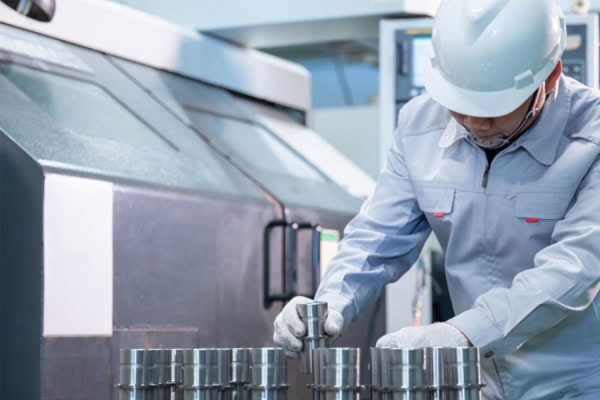
Automotive manufacturing requires large quantities of dimensionally consistent shafts, sleeves, connectors, and transmission components. Batch CNC turning can meet automotive requirements for production volume, dimensional consistency, and delivery efficiency while integrating effectively with automatic loading and unloading systems.
Hydraulic and Pneumatic Components
Hydraulic fittings, valve spools, precision sleeves, and pneumatic connectors often require high external diameter, internal diameter, and thread accuracy. Batch CNC turning can maintain stable dimensions and reduce machining variations between production batches.
Automation and Robotic Components
Automation equipment and robots commonly require large quantities of shafts, pins, sleeves, connectors, and transmission components. Batch production can reduce unit costs, improve component supply efficiency, and meet the continuous delivery requirements of equipment manufacturers.
CNC turning batch production provides significant value in modern precision manufacturing through high production efficiency, stable dimensional consistency, lower unit manufacturing costs, strong compatibility with automation, and reliable delivery performance. For components with stable structures, high order volumes, and clearly defined precision requirements, manufacturers can reduce auxiliary time and improve machine utilization through standardized CNC programs, consistent tool configurations, fixed cutting parameters, and standardized inspection procedures. When automatic feeding, robotic loading and unloading, chip removal, in-process inspection, and tool-life management are integrated, batch turning can achieve an even higher level of automation. Automotive components, hydraulic parts, electronic connectors, robotic components, and automation equipment parts can all benefit from batch CNC turning when production volumes justify the process. Proper planning of materials, machines, tools, fixtures, and inspection resources allows batch manufacturing to maintain a stable balance between quality, efficiency, production cost, and delivery time.