Automotive plastic connectors are important components in automotive electrical systems, mainly used for wiring harness connections, signal transmission, power control, and sensor connections. With the continuous growth of new energy vehicles, intelligent driving systems, and automotive electronic devices, higher requirements have been placed on connector dimensional accuracy, structural stability, and material performance. CNC machining technology has become an important process choice for the prototyping and manufacturing of automotive plastic connectors due to its high precision, fast response, and suitability for small-batch customization. TiRapid provides various manufacturing solutions including precision CNC machining, sheet metal fabrication, and 3D printing, supporting the complete process of automotive plastic parts from design verification to mass production. For automotive plastic connector machining requirements, TiRapid helps customers achieve high-precision and highly reliable parts manufacturing through professional equipment, strict quality control, and extensive machining experience. Whether it is prototype samples during the R&D stage or small-batch production requirements, TiRapid can provide fast-response services and carry out production according to ISO9001 quality management standards.
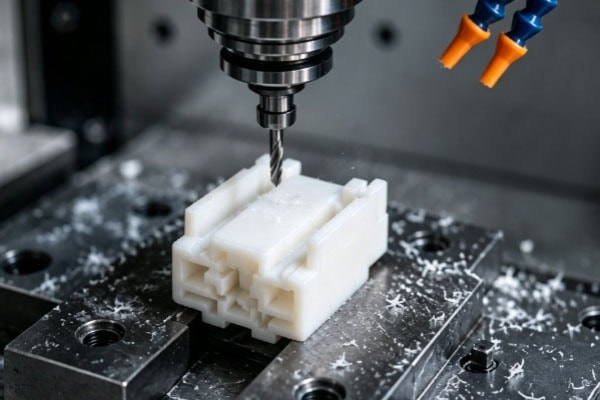
CNC Machining Requirements for Automotive Plastic Connectors
Why Do Automotive Plastic Connectors Need CNC Machining?
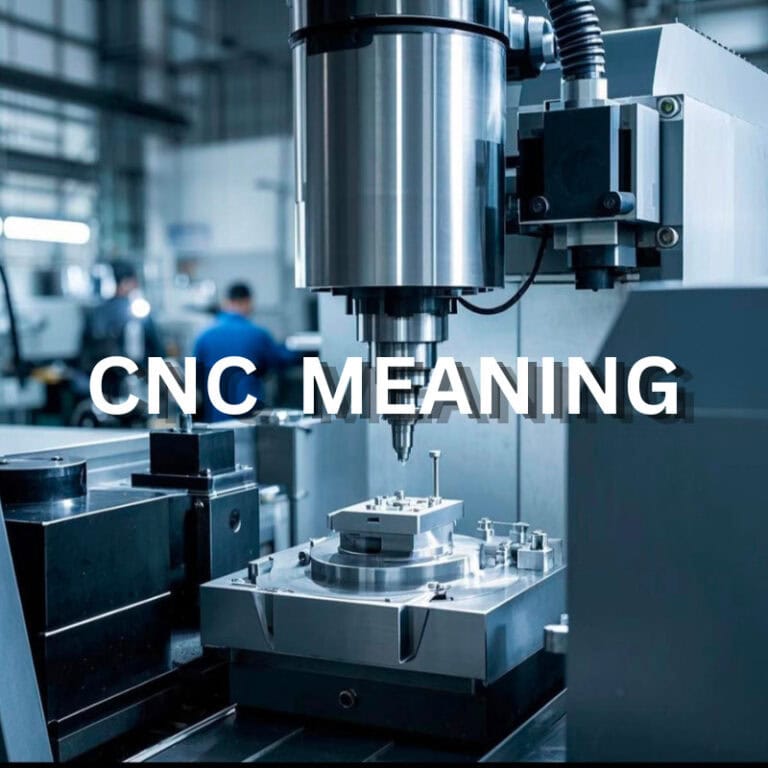
Although automotive connectors are relatively small in size, their internal structures usually include clips, positioning grooves, mounting holes, and precision fitting areas. Conventional processing methods may have difficulty meeting complex structural designs, while CNC machining can accurately control tool paths based on 3D models to achieve the machining of complex shapes and detailed structures. During automotive development, many new types of connectors require prototype testing and assembly verification. CNC machining does not require complex mold manufacturing and can directly produce prototypes according to CAD files, shortening product development cycles while allowing engineers to quickly modify designs based on test results.
Common CNC machining requirements for automotive plastic connectors include:
- Rapid production of functional automotive connector prototypes for assembly testing.
- Machining special-specification connector housings to meet the design requirements of different vehicle models.
- Producing small-batch plastic connector parts to reduce early-stage development costs.
- Verifying plastic material performance and structural reliability.
Common Materials Used for Automotive Plastic Connectors
Automotive connectors need to withstand long-term exposure to temperature changes, vibration, friction, and chemical environments, so material selection directly affects the performance of the parts. CNC machining can accommodate various engineering plastics and select suitable materials according to customer requirements.
| Material | Features | Common Applications |
| POM | Stable dimensions, excellent wear resistance | Precision connector structural parts |
| ABS | Good machinability, moderate cost | Housings and testing parts |
| PC | High strength, impact resistance | Protective connector components |
| PEEK | High temperature resistance, stable performance | High-performance automotive components |
Different automotive projects have different requirements for plastic performance. For example, components near new energy vehicle battery systems usually require better heat resistance, while ordinary vehicle connector housings focus more on machining efficiency and dimensional stability.
Advantages of CNC Machining Automotive Plastic Connectors
Automotive plastic connectors usually contain multiple precision areas that require stable connections after assembly. CNC machining uses digital control technology to reduce human operating errors and improve dimensional consistency. This machining method is suitable for R&D prototyping, small-batch orders, and special model production, enabling rapid conversion from design files to physical parts.
CNC Machining Process for Automotive Plastic Connectors
From Design Files to Machining Solutions
Automotive plastic connector machining usually starts with a 3D model. After customers provide CAD drawings, 3D files, or product design requirements, the engineering team will analyze the structure, identify machining challenges, and confirm the appropriate manufacturing method. TiRapid provides DFM (Design for Manufacturability) suggestions based on the part structure, such as adjusting wall thickness, optimizing machining positions, and improving tool access paths, helping customers reduce machining issues and improve product success rates.
The machining process usually includes:
- Confirmation of product drawings and 3D models.
- Material selection and machining process planning.
- CNC programming.
- Precision machining production.
- Dimensional inspection and quality verification.
Precision CNC Machining Manufacturing Process
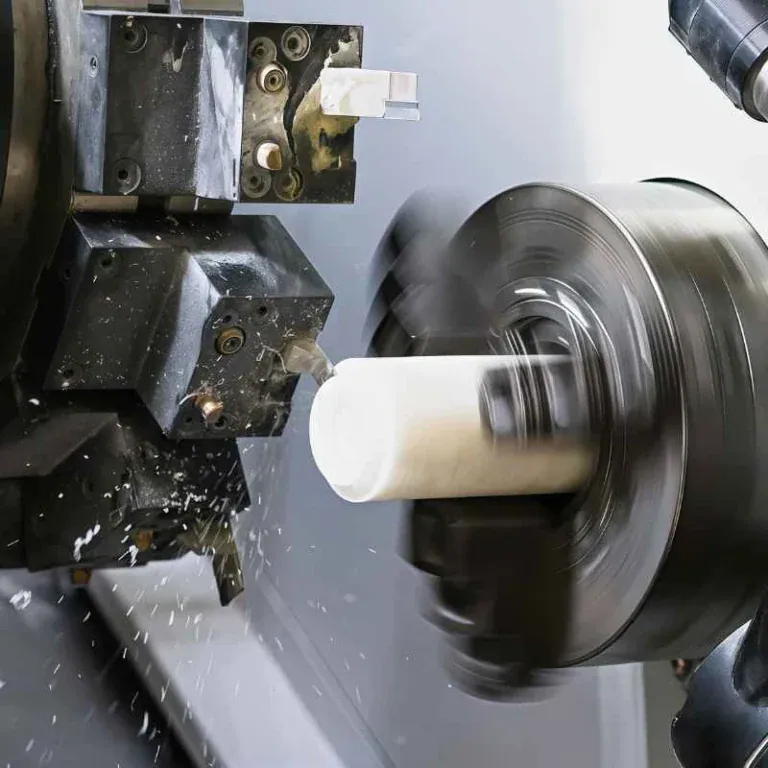
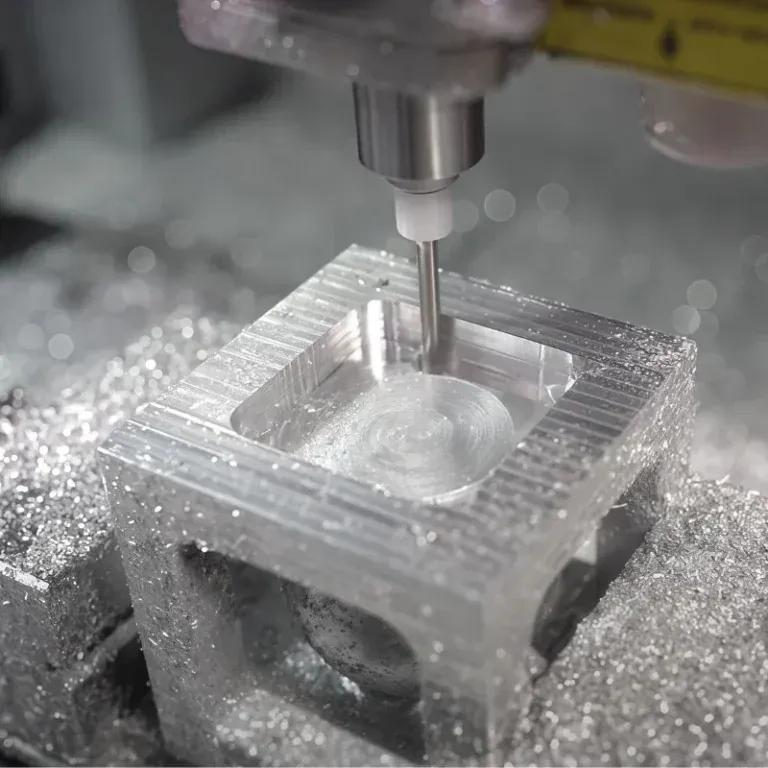
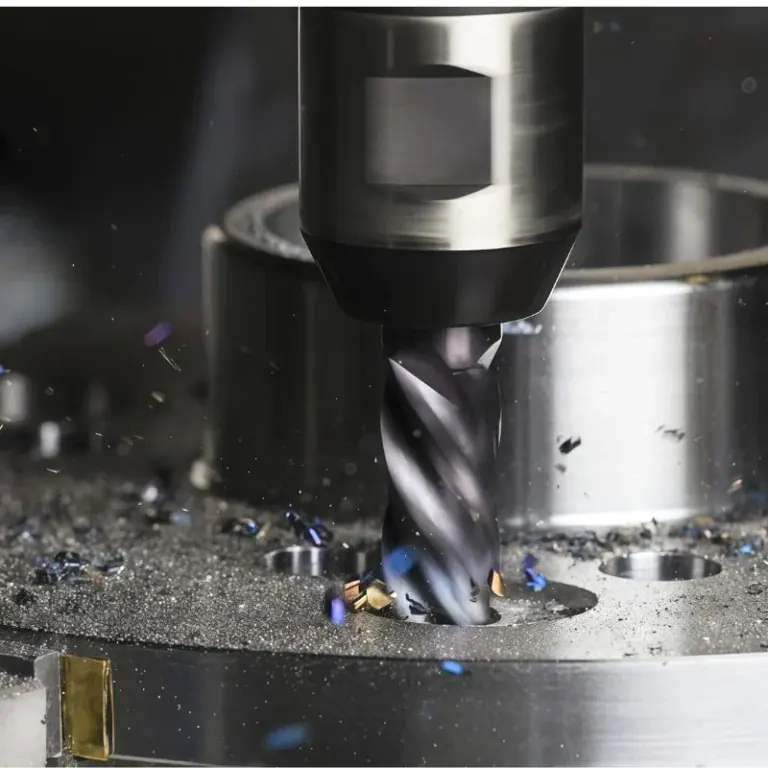
During the CNC machining process of automotive plastic connectors, cutting speed, tool selection, and machining temperature need to be carefully controlled. Unlike metals, plastic materials may experience burrs, deformation, or reduced surface quality if machining parameters are not properly set. Professional CNC machining equipment can achieve stable processing. Through reasonable control of machining parameters, connector housings, slots, and positioning structures can maintain excellent dimensional accuracy.
Factors monitored during machining include:
- Whether connector installation dimensions meet design requirements.
- Whether clip structures can be properly assembled.
- Whether the surface has burrs that may affect usage.
- Whether product dimensions remain stable.
Post-Machining Inspection and Delivery
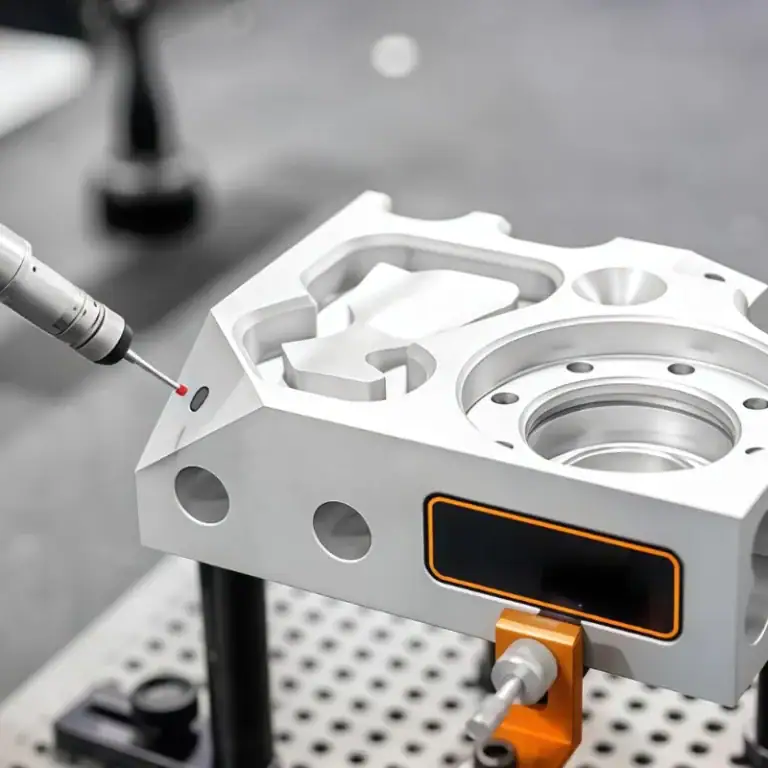
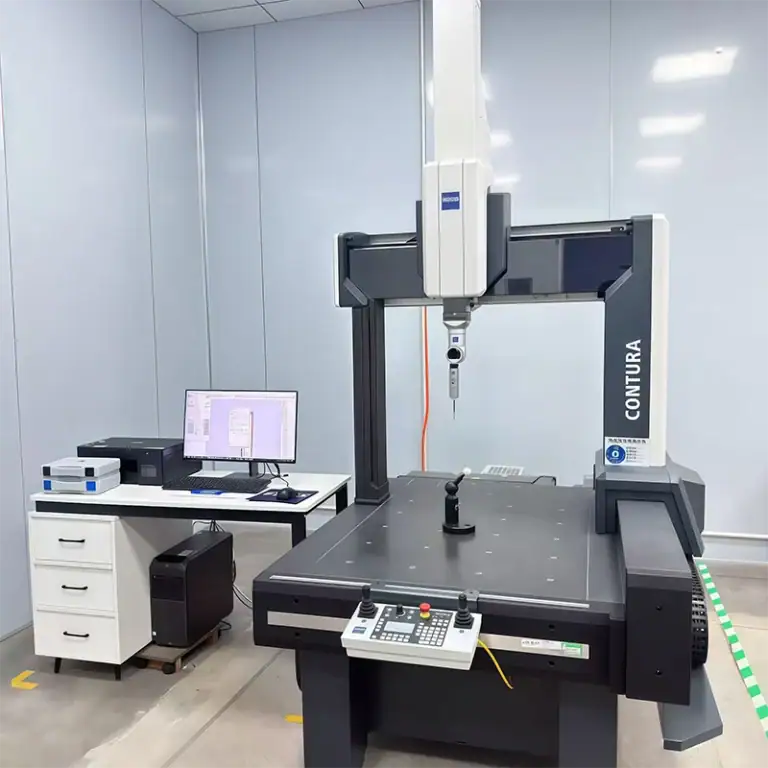
Automotive parts require high reliability, so quality inspections are necessary after machining is completed. TiRapid follows strict quality management procedures and performs dimensional inspection, appearance inspection, and assembly verification on machined parts.
Inspection items usually include:
| Inspection Item | Purpose |
| Dimensional Inspection | Confirm that parts meet drawing requirements |
| Appearance Inspection | Prevent scratches, burrs, and other issues |
| Assembly Testing | Check the compatibility of connection structures |
| Material Verification | Ensure materials meet requirements |
Through a complete inspection process, customers can obtain more stable and reliable automotive plastic connector products.
Features of TiRapid Automotive Plastic Connector Machining Services
Supporting Production from Prototypes to Small Batches
During automotive product development, samples from different stages are often required for testing. TiRapid supports single-piece prototypes, small-batch manufacturing, and subsequent production requirements, providing customers with flexible machining solutions. Whether it is the development of new energy vehicle connectors or improvements to traditional automotive electronic components, suitable machining plans can be developed according to project requirements.
Services include:
- Rapid machining of single-piece prototypes.
- Small-batch connector production.
- Machining with various plastic materials.
- Product structure optimization suggestions.
Fast Quotation and Professional Technical Support
Automotive projects usually require quick response times, and long waiting periods may affect product development schedules. TiRapid provides free DFM reports, instant communication support, and rapid quotation services. After customers submit product information, the professional team can provide machining recommendations to help quickly confirm manufacturing solutions.
Strict Implementation of ISO9001 Quality Standards
Automotive components require high levels of quality consistency, so production processes need strict management. TiRapid follows the ISO9001 quality management system throughout the machining process, including material procurement, manufacturing, and final inspection, with standardized control procedures. Through standardized production processes, TiRapid helps customers reduce quality risks and improve part reliability.
Frequently Asked Questions
Can CNC Machining Produce Automotive Connector Prototypes?
Yes. CNC machining is highly suitable for prototype production during the automotive connector development stage. Compared with mold-based manufacturing, CNC machining does not require advance mold production and can directly manufacture parts based on design files, making it more suitable for product validation and functional testing.
What Information Is Required for Automotive Plastic Connector Machining?
Customers usually need to provide 3D models, engineering drawings, material requirements, and quantity requirements. If complete drawings are not available, customers can also provide product concepts or structural requirements, and the machining team can assist with optimization. TiRapid supports various file formats and can provide manufacturing suggestions according to customer needs, making the machining process smoother and more efficient.
Is CNC Machining Suitable for Mass Production of Plastic Connectors?
CNC machining is suitable for small-batch and customized production. When product quantities are limited or fast delivery is required, CNC machining can reduce mold costs and improve production flexibility. If product demand increases in the future, other manufacturing methods can also be selected according to actual conditions to achieve a more reasonable production arrangement.
Although automotive plastic connectors are small in size, they have high requirements for precision and stability. Through CNC machining technology, complex structures can be manufactured quickly to meet the needs of automotive development, testing, and small-batch production. Traditional injection molding requires mold manufacturing, which involves longer lead times, while CNC machining can directly use engineering plastics to produce prototypes, complete assembly testing in a shorter time, and optimize product designs based on test results. TiRapid provides reliable plastic connector manufacturing solutions for automotive industry customers through precision CNC machining, professional engineering support, and strict quality control. Whether it is product prototype validation, small-batch production, or machining of special-structure components, TiRapid can provide manufacturing services that meet customer requirements.
If you are looking for a CNC machining supplier for automotive plastic connectors, please feel free to contact TiRapid. We provide free DFM analysis, fast quotations, and professional technical support to help you complete product development faster and obtain stable and reliable machined parts.
Email: projects@tirapid.com
Phone: +86 760 8999 8536