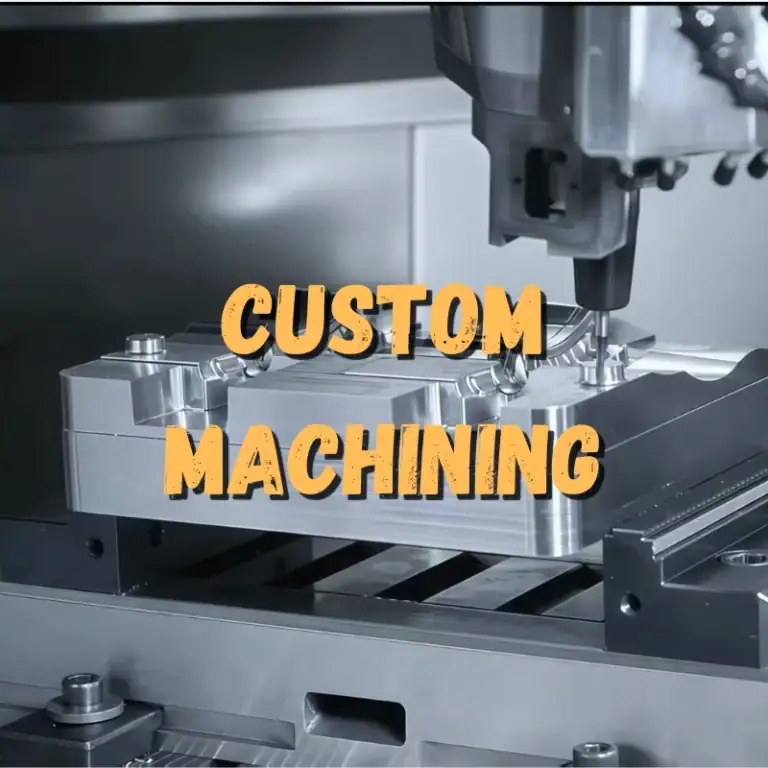
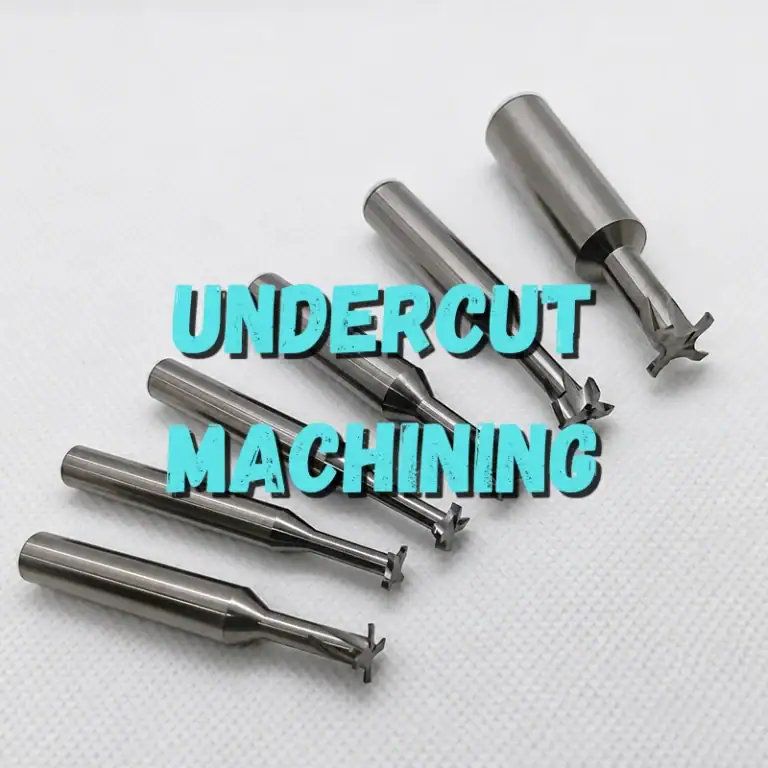
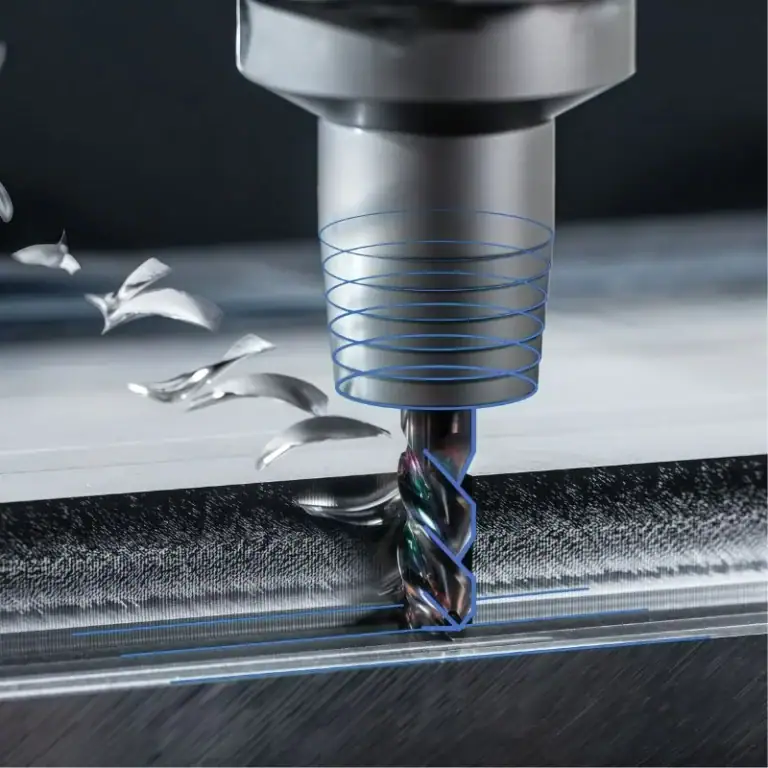
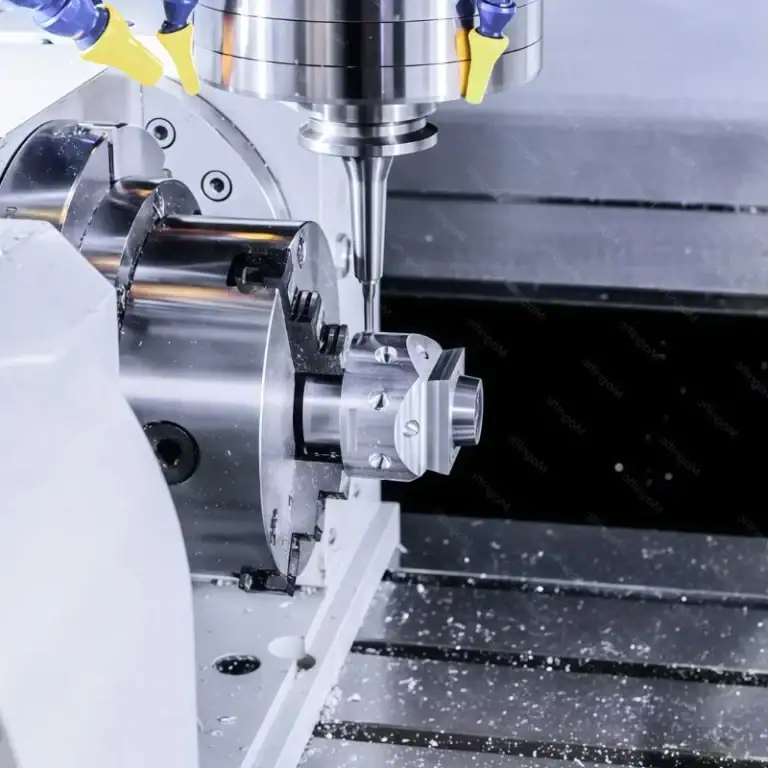
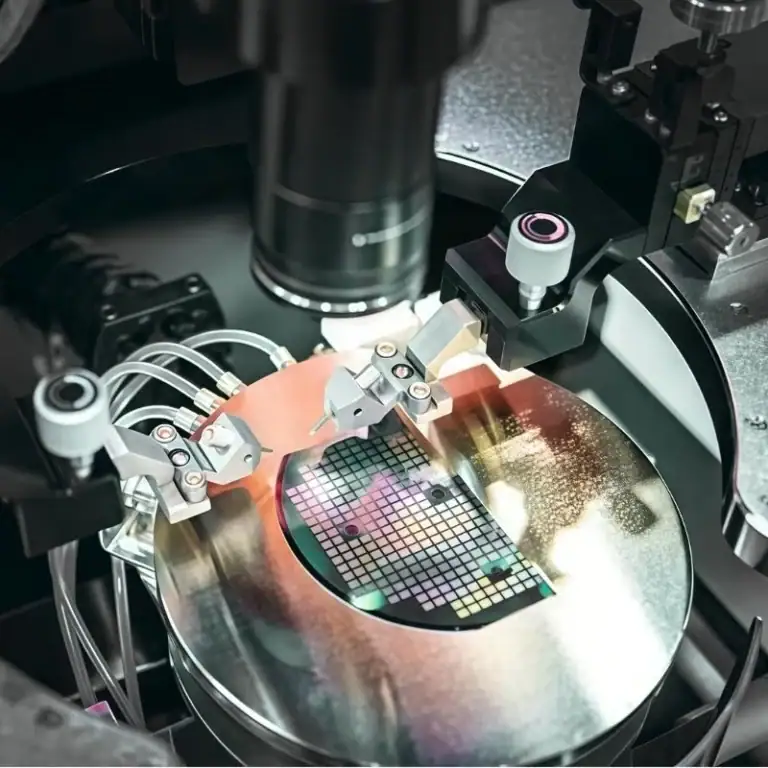
In the field of precision manufacturing, acceptance standards are not simply about whether a part “can be used.” Instead, they represent a systematic evaluation of dimensional accuracy, geometric tolerances, surface quality, and functional consistency. As modern industry continues to demand higher reliability, acceptance standards have evolved from simple dimensional checks into a multi-dimensional, full-process quality control system. Whether in aerospace components, medical devices, or electronic structural parts, the acceptance stage is a critical step that determines whether a part can proceed to final application.
Dimensional Accuracy and Tolerance Control Standards
Dimensional accuracy is the most fundamental and core indicator in precision machining acceptance, as it determines whether a part meets design requirements.
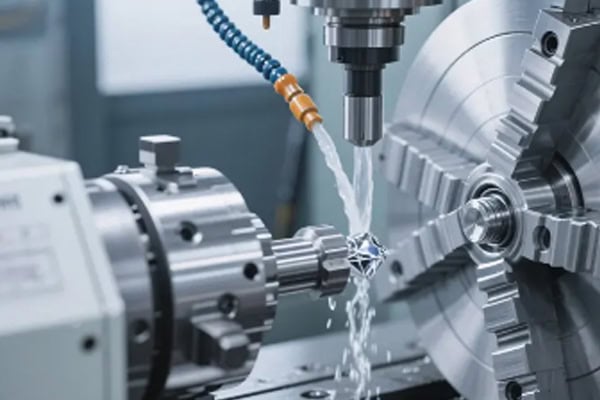
Basic Dimensions and Key Fit Dimensions Inspection
During acceptance, different levels of dimensions require different inspection strategies, and critical dimensions are usually controlled more strictly.
- Key fit dimensions must strictly meet drawing tolerances, otherwise assembly function will be affected
- Non-critical dimensions may allow minor variation but must remain within allowable design limits
- Hole diameters, shaft diameters, and other mating features require special attention to ensure assembly smoothness
- Batch production requires sampling or full inspection to control consistency deviation
- High-precision parts typically use coordinate measuring machines (CMM) for full dimensional verification
Dimensional stability directly reflects the level of machining capability.
Repeatability and Batch Consistency Control
Passing a single part does not guarantee overall quality; batch consistency is equally important.
- Dimensional deviation between multiple parts must be kept within a very small range
- Different production batches must maintain stable dimensional consistency
- Reproduced parts must remain interchangeable
Consistency is a key indicator of precision manufacturing capability.
Geometric Tolerance and Form Accuracy Standards
In addition to dimensions, geometric relationships also significantly affect product performance.
Shape and Position Error Control
Geometric tolerances directly affect assembly accuracy and operational performance.
- Flatness deviation affects sealing performance and contact stability
- Roundness errors influence the dynamic balance of rotating components
- Perpendicularity errors may cause assembly interference or stress concentration
- Coaxiality errors affect the stability of transmission systems
Geometric errors are often more subtle but more critical than dimensional errors.
Assembly-Related Precision Verification
Final acceptance is not only about individual parts but also assembly performance.
- Multi-part assemblies must operate without jamming or interference
- Contact surfaces must ensure stable contact and proper force distribution
- Dynamic components must be tested under operating conditions
- Key assemblies require simulated working condition testing
- Overall structures must maintain designed geometric relationships after assembly
Assembly performance is the most intuitive reflection of precision.
Surface Quality and Functional Performance Standards
Surface quality affects not only appearance but also durability and functional performance.
Surface Roughness and Machining Mark Control
Different applications require different surface quality levels, but basic standards must be met.
- Functional friction surfaces require low roughness to reduce wear
- Sealing surfaces must ensure uniform contact conditions
- Appearance surfaces must avoid visible tool marks
- High-precision parts may require mirror or semi-mirror finishes
Surface quality directly impacts functional stability.
Material and Structural Integrity Inspection
Machining must not damage the material itself.
- Parts must be free from cracks, pores, or structural defects
- Heat-treated materials must maintain stable performance
- Edges and corners must be free of burrs or stress concentration issues
Structural integrity is the foundation of long-term reliability.
Functional Testing and Reliability Verification Standards
High-end precision parts must pass functional verification, not just dimensional inspection.
Dynamic and Load Testing
Many components must be tested under real or simulated working conditions.
- High-speed rotating parts require dynamic balance testing
- Load-bearing structures require static and fatigue testing
- Transmission parts must verify smooth operation and noise levels
- High/low temperature testing evaluates material stability
- Long-term operation tests assess lifespan performance
Functional testing determines whether a part is truly usable.
Environmental Adaptability Verification
Different industries require different environmental performance capabilities.
- Medical components must meet biocompatibility requirements
- Aerospace parts must withstand temperature and pressure variations
- Industrial components must resist corrosion and wear
Environmental adaptability defines application scope.
Inspection Methods and Quality Control Systems
Modern precision machining acceptance relies on advanced inspection equipment and standardized processes.
Inspection Equipment and Methods
Inspection tools directly affect measurement accuracy.
- Coordinate measuring machines (CMM) for high-precision dimensional inspection
- Optical measurement systems for micro-structure analysis
- Surface roughness testers for functional surface evaluation
- Profilometers for complex contour measurement
Measurement tools determine data reliability.
Quality Management and Traceability System
Modern manufacturing emphasizes full-process quality control.
- Each part must have complete machining records
- Process parameters must be traceable and reproducible
- Non-conforming products must be classified and analyzed
- Standardized production quality systems must be established
- Long-term supply requires continuous quality stability evaluation
Quality systems determine overall manufacturing capability.
Precision machining acceptance standards are not a simple judgment of “pass or fail,” but a comprehensive evaluation system covering dimensions, geometry, surface quality, functionality, and inspection processes. As manufacturing continues to move toward higher precision and reliability, acceptance standards continue to evolve and become a critical guarantee of product quality. Within this system, platforms such as Tirapid, which specialize in complex parts and high-precision manufacturing, provide stable and reliable high-precision components across multiple industries through strict inspection processes and standardized quality management.