Tapped holes vs threaded holes are often treated as the same thing, but in machining they are not exactly interchangeable. The confusion comes from the fact that tapping is one method of creating internal threads, while threaded hole is the broader term.
In this guide, we explain what each term means, how the holes are made, when tapping is the better option, and when other threading methods make more sense in CNC machining and part design.
What Is a Threaded Hole?
A threaded hole is an internal hole that contains threads so a screw, bolt, or other threaded fastener can be installed directly into the part. In manufacturing and engineering, this term usually refers to the finished threaded feature itself, not the specific process used to produce it.
Internal threads can be formed in several different ways. Depending on the material, hole size, and machining method, they may be produced by tapping, thread milling, single-point threading, or other suitable processes. Because of that, the term threaded hole is broader than any single threading operation.
In practical applications, threaded holes are widely used in components such as housings, brackets, fixtures, and structural machine parts. They provide a simple and reliable way to join parts together without needing a separate nut, which is why they are so common in CNC machining and mechanical assemblies.
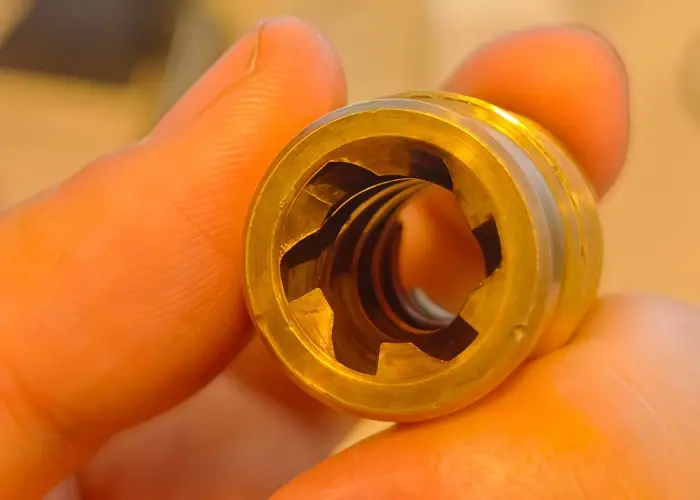
What Is a Tapped Hole?
A tapped hole is a threaded hole made specifically with a tap. After the correct pilot hole is drilled, a tap cuts or forms the internal threads so that a fastener can be installed directly into the part.
That relationship is the key point in this topic. All tapped holes are threaded holes, but not all threaded holes are tapped holes. A hole made by thread milling is still a threaded hole, but it would not normally be called a tapped hole because the threads were not created with a tap.
Tapped holes are extremely common because tapping is fast, familiar, and efficient for standard thread sizes. For many routine parts, it is the simplest way to add internal threads.
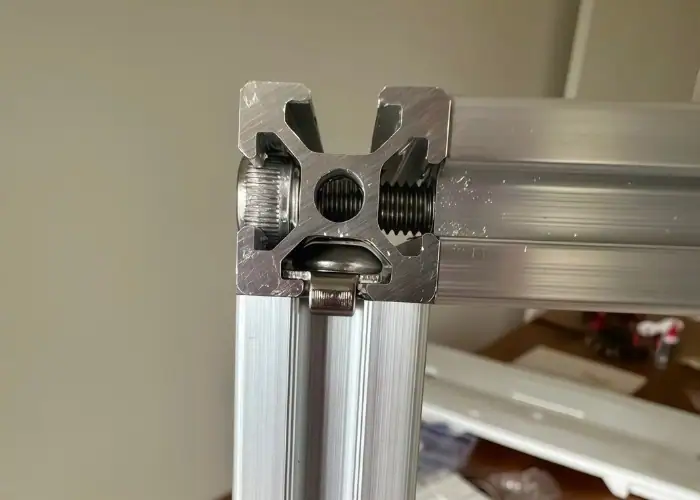
Tapped Holes vs Threaded Holes: The Main Difference
Although the two terms are closely related, understanding the exact difference matters in real machining work. Engineers and buyers often use them interchangeably, but the meaning, process, and production choice are not always the same. Looking at the distinction from several angles makes it easier to select the right method for a specific part.
Difference in Meaning
The biggest difference between these two terms is the level of meaning they carry in engineering language. A threaded hole is a general term for any internal hole that already contains usable threads. It describes the finished feature itself, so the focus is on what the part has rather than on how those threads were produced during machining.
A tapped hole is more specific because it identifies both the feature and the method used to create it. When a hole is called tapped, it means the internal threads were formed with a tap after the pilot hole was prepared. In that sense, tapped hole is a narrower process-linked term inside the broader category of threaded holes.
This distinction matters because drawings, quotations, and manufacturing discussions do not always use both terms with the same level of precision. In casual conversation they may sound interchangeable, but in machining they are not exactly the same. Understanding that difference helps engineers and suppliers communicate more clearly about both design intent and process choice.
Difference in Manufacturing Method
Tapped holes are made with taps, which are tools designed to cut or form threads inside a drilled hole. This is one of the most common methods for making internal threads, especially in standard production work.
Other threaded holes may be created by thread milling or other machining methods. These are often chosen when the material is difficult, the hole is larger, or more flexibility is needed. So while every tapped hole comes from tapping, not every threaded hole does.
In practical use, tapped holes are common for standard internal threads where speed and simplicity matter most. Other methods may be preferred when the job requires more control, lower breakage risk, or better adaptability for difficult materials and high-value parts.
Pros and Cons of Tapped Holes
Once the basic difference is clear, the next step is to evaluate where tapping performs well and where it becomes less practical. Tapped holes remain one of the most common internal thread solutions in machining, but their strengths and limits depend on thread size, material, hole condition, production needs, and process stability required.
Advantages
One clear advantage of tapped holes is production speed. For standard thread sizes, tapping is usually a quick and efficient operation that fits well into normal CNC workflows. Once the correct pilot hole is drilled, the tap can create the required threads with minimal extra complexity, which makes the process attractive for routine manufacturing and repeated jobs.
Tapped holes are also practical from a cost standpoint. The process is familiar to machinists, widely supported by standard tooling, and well suited to common internal thread requirements in both metal and plastic parts. For many small and medium thread sizes, tapping provides a straightforward way to achieve acceptable thread quality without adding unnecessary programming or setup effort.
Another benefit is that tapping works especially well in applications where the design uses standard thread specifications and does not require unusual flexibility. In those cases, manufacturers can rely on a stable and proven process that supports consistent production. That is why tapped holes remain one of the most common solutions for internal threads in everyday machining work.
Limitations
One important limitation of tapped holes is reduced flexibility across different thread sizes. In most cases, each thread specification requires its own tap, which means tooling changes increase when a project includes many sizes or frequent design variation. Compared with thread milling, this can make tapping less adaptable in mixed production or lower-volume work with more part diversity.
Another concern is the risk of tap breakage. This becomes more serious in hard materials, deep holes, or blind holes where chip evacuation is more difficult and cutting load is less forgiving. If a tap breaks inside a finished or high-value part, removal can be time-consuming, and in some cases the workpiece may be damaged beyond practical recovery.
Tapped holes can also be less forgiving when thread fit, depth, or process adjustment becomes critical. If the job requires fine control over thread conditions or later changes in manufacturing strategy, tapping may not offer the same flexibility as other methods. For that reason, tapping is highly efficient, but it is not automatically the best answer for every threaded feature.
Pros and Cons of Other Threaded Hole Methods
Not every threaded hole is best produced with a tap. In some machining situations, alternative methods such as thread milling offer advantages in control, flexibility, and risk reduction. These methods can be more demanding to run, but they may also be the better choice when the part, material, or machining conditions become more challenging.
Advantages
Other threaded hole methods, especially thread milling, offer a higher level of flexibility in machining. In some situations, one tool can be used for multiple thread sizes, which reduces the need for separate dedicated tooling. This can make the process more adaptable in jobs where part variation is high or when the production mix changes more frequently.
These methods can also improve control over thread quality and machining strategy. For difficult materials, larger holes, or parts with tighter process demands, thread milling may allow better adjustment of toolpath, fit, and cutting conditions. That additional control is useful when the part value is high or when process stability matters more than simply choosing the fastest method available.
Another advantage is lower risk when a tool failure happens. A broken thread mill is usually easier to manage than a broken tap trapped deep inside a threaded hole. Because of that, alternative threading methods are often preferred for expensive workpieces, difficult-to-machine alloys, or applications where reducing scrap risk is an important part of production planning.
Limitations
The main drawback of other threaded hole methods is process complexity. Compared with tapping, thread milling and similar operations usually need more programming effort, more careful setup, and greater attention to machining strategy. That added complexity can make them less attractive for simple jobs where the thread size is standard and the production goal is fast, economical output.
Machining time may also be longer. Tapping is often very efficient for common holes, while thread milling may require more tool movement or multiple passes to produce the same internal thread. In high-volume work, that longer cycle time can reduce productivity if the project does not actually need the extra flexibility or control that an alternative method provides.
These methods can also place higher demands on machine capability and operator planning. Not every shop will gain the same benefit from them, especially when the part geometry is simple and the risk level is low. For routine internal threads, the extra setup burden may not be justified, which is why tapping often remains the more practical choice in standard production work.
Tapped vs Threaded Holes: Cost, Speed, and Scale
Beyond definitions and process differences, engineers also need to compare tapped and other threaded holes from a production point of view. Cost, cycle time, and job type often determine which method is more practical. A method that looks efficient on paper may not always be the best fit once material, risk, and production volume are considered.
| Comparison Point | Tapped Holes | Other Threaded Hole Methods |
| Cost | Often the more economical choice for standard thread sizes and routine machining work. | Often higher in setup effort, but useful when flexibility and process control matter more. |
| Speed | Commonly the faster option for standard internal threads in production. | Often slower, but may offer better stability in difficult materials or higher-value parts. |
| Production Fit | Works best in repeat production with common thread sizes and consistent requirements. | Works better in mixed jobs, changing designs, or more demanding machining conditions. |
Design Tips Before You Specify a Tapped or Threaded Hole
Choosing between tapped and other threaded holes is not only a machining decision. Good results also depend on how the threaded feature is specified at the design stage. Details such as hole type, thread size, material, and engagement length can all affect manufacturability, cost, and long-term assembly performance.
Thread Size and Hole Diameter
Thread size and hole diameter should be matched correctly from the start. A threaded hole will only perform as expected if the pilot hole is prepared to the right size for the selected thread standard. If the hole is too small or too large, thread quality, tool life, and assembly fit can all be affected.
Designers should also think about whether the chosen thread size is truly necessary. Standard thread sizes are usually easier and more economical to machine than unusual specifications, and they simplify supplier communication.
Blind Hole vs Through Hole
Blind holes and through holes behave differently in threading operations. A through hole is usually easier to machine because chips can escape more freely and the tool path is simpler. Blind holes require more attention because bottom clearance, thread depth, and chip evacuation become more critical.
This matters especially in tapping. A blind tapped hole may increase the chance of chip packing, tool stress, or incomplete thread formation near the bottom of the hole. Practical thread depth and clear drawing notes can improve both machinability and reliability.
Material Type
Material has a direct influence on method selection. Softer materials may machine easily with taps, while harder or tougher materials can increase tool wear, raise breakage risk, or make chip control more difficult.
This is why the choice between tapped holes and other threaded hole methods should not be based on terminology alone. Some materials are more forgiving in tapping, while others may benefit from thread milling because it offers more control and lower risk.
Thread Depth and Engagement Length
Thread depth should be specified based on actual function, not just habit. In many parts, engineers request deeper internal threads than necessary, which can make machining more difficult without adding meaningful performance.
A practical engagement length is usually more important than simply making the hole deeper. Excessive depth can increase tool load, cycle time, and chip evacuation difficulty, especially in blind holes.
FAQs
Is every tapped hole automatically considered a threaded hole?
Yes. A tapped hole is a specific type of threaded hole because the final feature contains internal threads. The difference is that the term tapped hole also tells you how those threads were made, while threaded hole is the broader feature name.
If a part is expensive, is tapping always the safest option?
Not always. Tapping is efficient and common, but on high-value parts it may not be the safest choice if tool breakage or chip control is a concern. In those situations, a method like thread milling may offer more control and reduce the risk of damaging the workpiece.
Does a drawing need to say “tapped hole,” or is “threaded hole” enough?
That depends on the design intent. If the drawing only needs to define the final threaded feature, threaded hole may be enough as long as the thread standard and dimensions are clear. If the manufacturing method matters, the drawing or process documentation may need to be more specific.
Can the same internal thread be made in more than one way?
Yes. The same thread specification can often be produced by tapping, thread milling, or other methods depending on the material, hole type, machine capability, and production priorities. The final design requirement may stay the same even if the machining method changes.
Conclusion
Tapped holes and threaded holes are closely related, but they are not exactly the same term. A threaded hole is the broader feature, while a tapped hole is a threaded hole produced specifically by tapping. In practical machining, the best choice depends on more than terminology. Engineers and buyers also need to consider material, hole type, thread size, cost, speed, and production risk before deciding which method is most suitable.
At TiRapid, we provide precision CNC machining services for custom metal and plastic parts with threaded features, helping customers choose practical manufacturing solutions for automation, electronics, and industrial equipment.