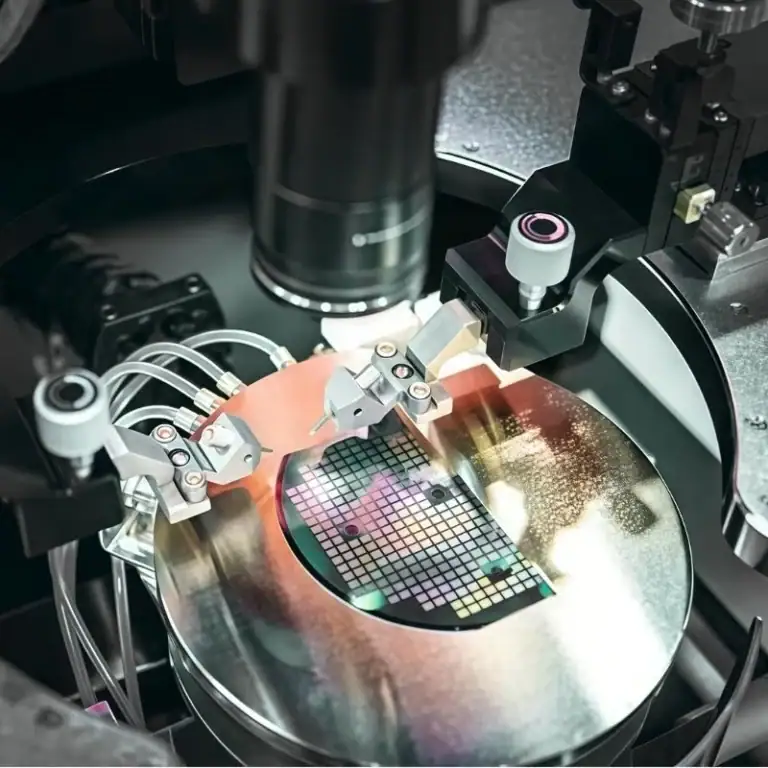
TiRapid is a prototype parts machining company based in Zhongshan, Guangdong, China, providing manufacturing from rapid prototyping through low-volume production. The company supports one-off prototypes with no mandatory minimum order quantity, and CNC machining lead times start from 3 working days. Its services suit structural validation, assembly testing, functional prototypes, and pilot production.
The purpose of prototyping is to turn design files into physical parts that can be viewed, assembled, and tested. Once samples are available, an engineering team can identify issues involving holes, clearances, geometry, materials, or assembly relationships before deciding whether to revise the design. TiRapid supports this process with DFM review, CNC machining, finishing, quality inspection, and follow-on manufacturing.
Define What the Prototype Needs to Validate Before Manufacturing
Different prototypes serve different purposes. Appearance prototypes confirm dimensions, form, color, and surface condition. Structural prototypes check whether components fit together. Functional prototypes use materials close to the final product and support motion, load, sealing, thermal, or insulation tests. Engineering prototypes evaluate how several components operate as one system.
Once the validation goal is clear, TiRapid’s engineering team can select the manufacturing method from the CAD model, 2D drawing, material, and quantity. Parts requiring final-production material and close dimensional control can use CNC machining. Features intended mainly for early form evaluation can be assessed for 3D printing. Products with sheet metal enclosures, plastic parts, or extruded structures can also incorporate the corresponding supporting processes.
TiRapid Uses DFM to Convert Designs into Machinable Parts
After receiving the files, TiRapid reviews datums, critical dimensions, hole locations, thin walls, deep cavities, internal radii, threads, tool access, and finishing requirements. The DFM review identifies geometry that needs clarification before work begins and provides manufacturing suggestions for the current prototype stage.
For a design still under revision, engineers can preserve the functional requirements while adjusting details that affect machining. Examples include adding suitable internal radii, selecting accessible tools for deep cavities, planning stable workholding for thin walls, and reserving controlled dimensions before finishing.
After drawing approval, the engineering team creates the CAM program, prepares material and tools, and schedules machining. TiRapid’s CNC machining tolerances can reach ±0.01 mm for prototype parts that require assembly, fit, and functional validation.
CNC Capabilities Available for Rapid Prototypes
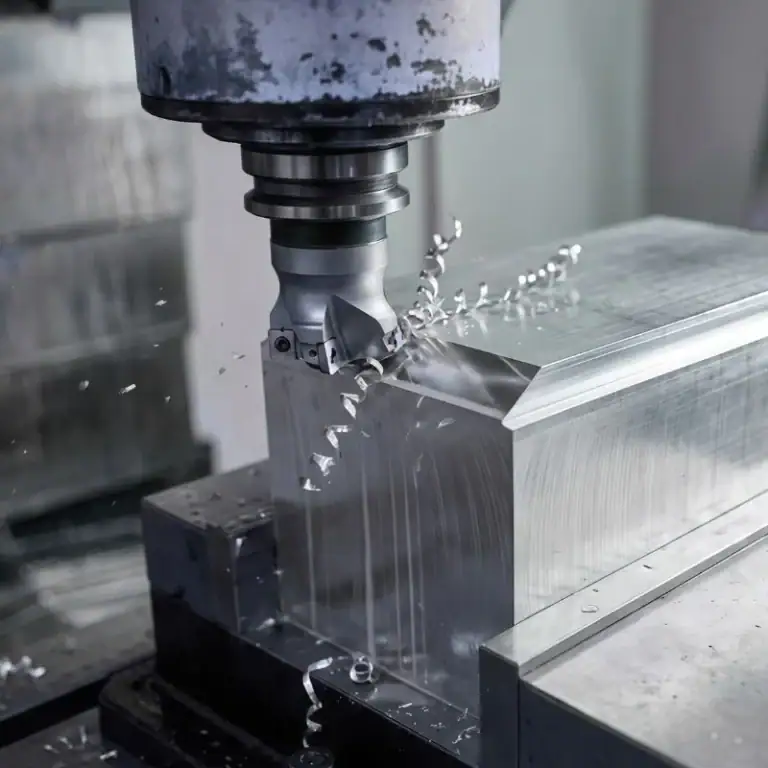
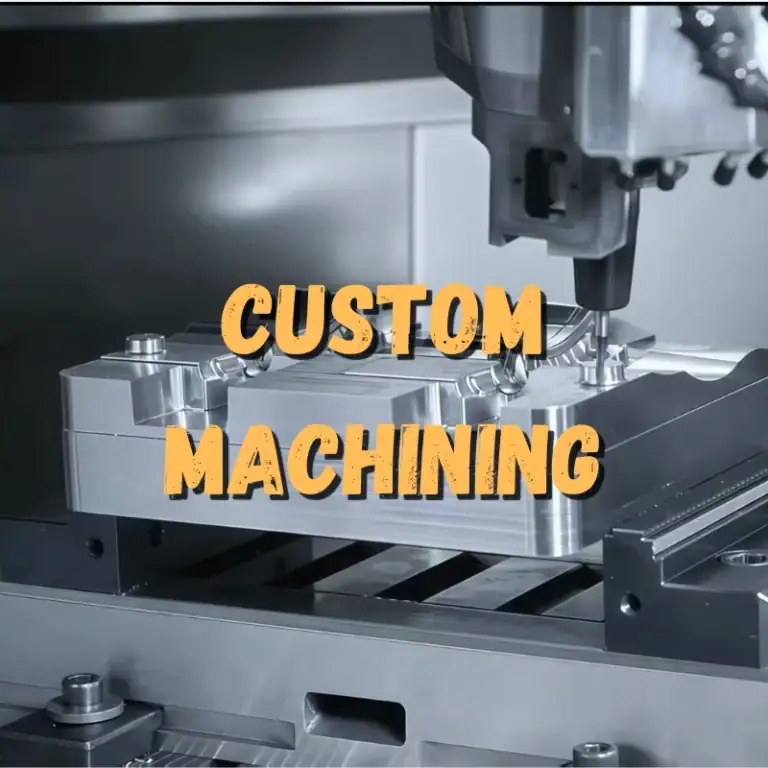
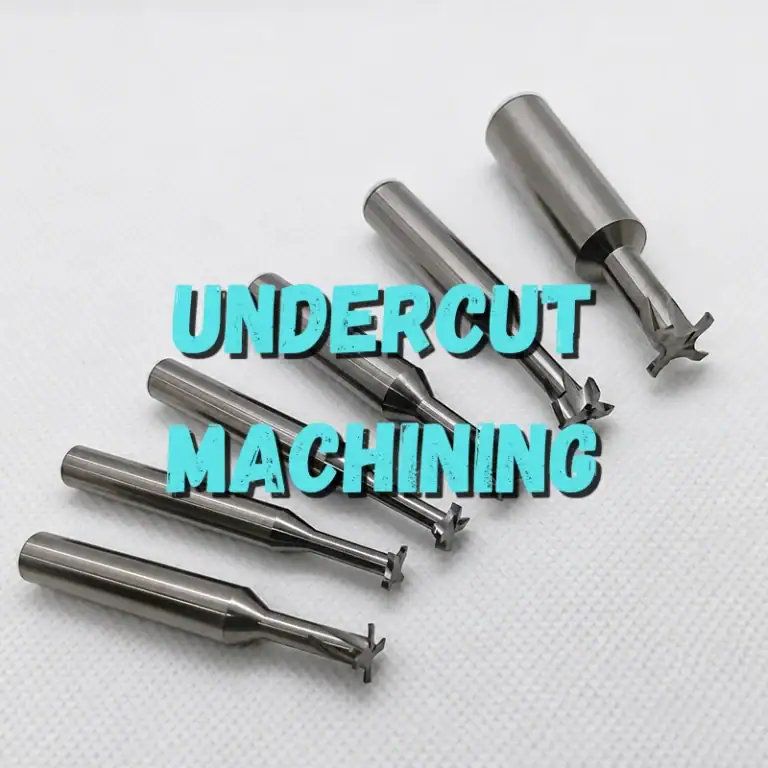
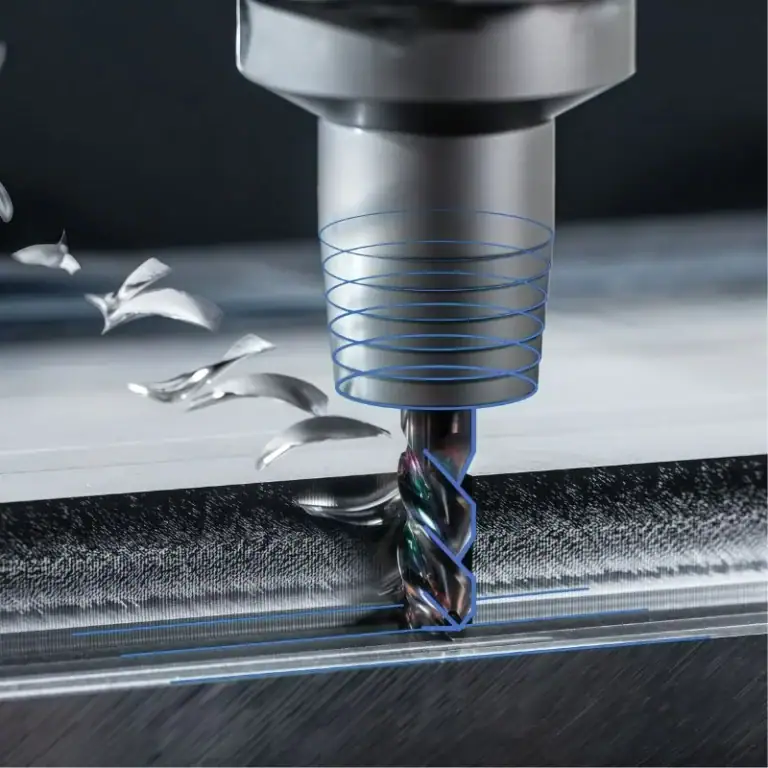
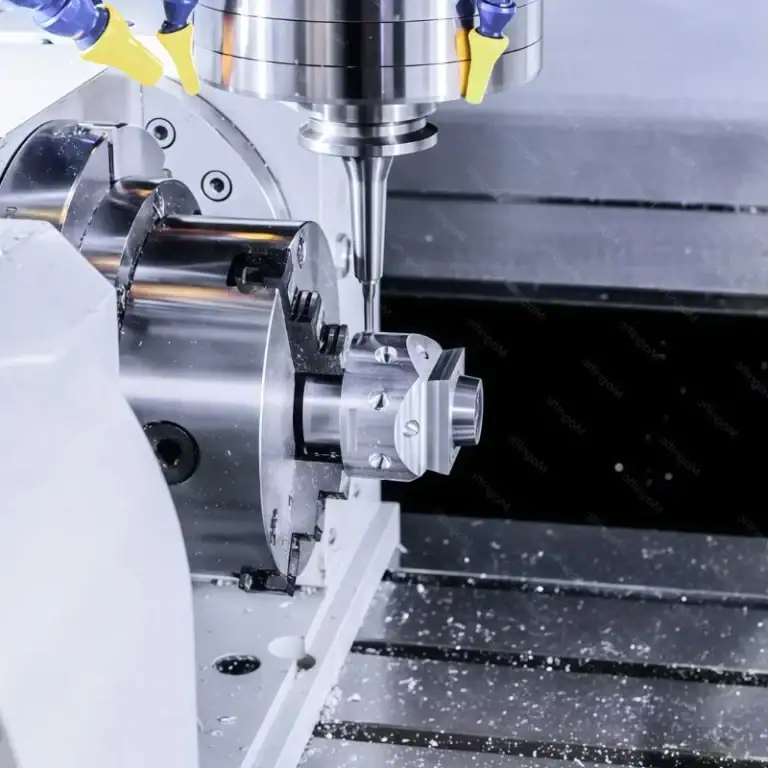
TiRapid provides 3-axis, 4-axis, and 5-axis CNC milling, CNC turning, micromachining, large-part machining, screw machining, and wire EDM.
Housings, brackets, mounting plates, and pockets can be CNC milled. Shafts, sleeves, flanges, and threaded parts suit CNC turning. Complex surfaces, angled holes, and multi-face geometry can use 5-axis machining. Micro holes, narrow slots, and detailed profiles can be produced through micromachining or wire EDM. Large bases, frames, and elongated components can be machined on large-format CNC equipment.
TiRapid supports more than 80 materials, including aluminum, stainless steel, steel, brass, copper, titanium, and engineering plastics such as POM, PEEK, PTFE, ABS, and PMMA. Prototypes can therefore be tested in materials close to those intended for the final product.
Sample Approval Connects Prototyping with Low-Volume Production
After prototype completion, the customer can perform assembly, dimensional, and functional tests. If changes are required, a new drawing revision enters review and machining. Once the sample passes, the material grade, critical dimensions, finish, cosmetic standard, and inspection requirements can be fixed.
This approval creates a clear basis for low-volume production. Follow-on orders use the approved drawings and requirements, allowing the manufacturing team to continue with a validated process route and prepare tools, fixtures, and inspection resources according to quantity.
TiRapid supports low-volume manufacturing, allowing customers to purchase the quantity needed for trial assembly, market testing, or equipment commissioning before arranging later orders as the project progresses.
Supporting Manufacturing from One Prototype to a Complete Product
A product prototype may contain more than CNC parts. TiRapid’s supporting supply chain covers injection molding, sheet metal fabrication, stamping tooling, and aluminum extrusion for projects combining machined metal parts, plastic components, enclosures, and frames.
An automation system, for example, may require milled mounting plates, turned shafts, a sheet metal guard, functional plastic parts, and an aluminum extrusion frame. An electronic device may combine a CNC-machined enclosure, transparent plastic parts, and internal brackets. Customers can coordinate these components using one drawing revision system and bill of materials.
Quality Inspection for Prototype and Low-Volume Parts
TiRapid follows an ISO 9001 quality system with incoming material, in-process, and final inspection. During prototyping, critical dimensions and assembly features are checked against the drawing. Low-volume production continues with the approved criteria across the batch.
Coordinate measuring machines, projectors, and conventional measuring equipment verify hole locations, profiles, outside diameters, thicknesses, and geometric requirements. Customers can request material certificates, dimensional reports, first article reports, and finish samples so design approval and quality records are established together.
Different Products Require Different Prototype Validation
A robotic prototype may need to verify joint motion, load, cable space, and mounting locations. Automation equipment prototypes check the relationship among rails, fixtures, sensors, and actuators. Automotive development parts may be used for bench testing, vehicle trials, or fluid and thermal-management experiments. Medical equipment prototypes often evaluate operation, component fit, material, and cleaning requirements.
Electronics prototypes normally combine enclosure appearance, internal component space, connector positions, thermal management, and assembly. Semiconductor equipment prototypes may include platforms, chambers, vacuum components, and precision motion systems. TiRapid can select aluminum, stainless steel, copper, titanium, or engineering plastics and combine milling, turning, 5-axis machining, wire EDM, sheet metal, or 3D printing according to these validation needs.
The value of a prototype comes from the information it can validate. A dimensionally correct sample made from the wrong material cannot complete a performance test, while a visually similar model without assembly datums cannot fully validate the system. The manufacturing plan therefore needs to follow the goal of the current test instead of focusing only on producing a shape quickly.
How Low-Volume Pilot Production Verifies Real Manufacturing Conditions
One prototype can show that the design is manufacturable. A low-volume pilot run goes further by testing whether the process can repeat. During pilot production, the team can observe tool life, setup time, machining cycle, finish variation between batches, dimensional trends, and inspection efficiency, while also checking how the parts perform on the actual assembly line.
TiRapid can adjust fixtures, tool combinations, program parameters, and inspection frequency according to the pilot results. For projects involving several processes, pilot production also verifies the quantities, revisions, and delivery sequence among CNC parts, sheet metal enclosures, plastic components, and aluminum extrusions.
The approved bill of materials, drawing revisions, process routing, finish samples, and inspection standards then become the production baseline. This allows the project to move out of development without requiring the manufacturing team to reinterpret requirements that have already been validated.
The Project Value of TiRapid Prototyping Experience
TiRapid has 16 years of CNC machining experience and supports more than 80 materials, machining tolerances down to ±0.01 mm, CNC lead times starting from 3 working days, and no mandatory minimum order quantity. A development team can begin with one sample and complete DFM review, part machining, finishing, inspection, and low-volume transition within the same manufacturing system.
This capability supports products that are still evolving as well as approved designs that need engineering validation parts quickly. TiRapid’s role extends beyond producing an initial sample: the materials, dimensions, cosmetic requirements, and quality criteria confirmed during prototyping can continue into later manufacturing, making TiRapid a prototype parts machining company in China that connects product design with production.