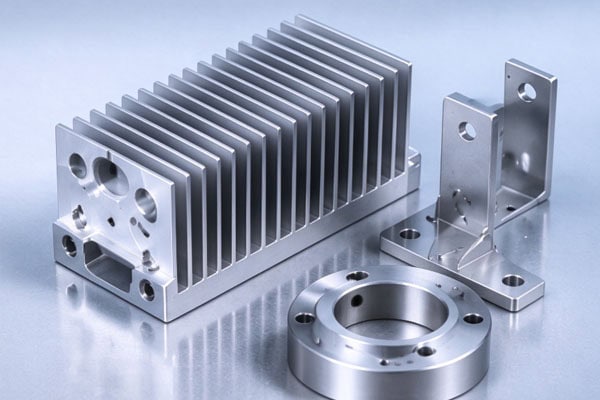
Housings, connectors, valve bodies, and mounting components used in oilfield instruments must withstand operating conditions while meeting requirements for dimensional accuracy, connection, and sealing. Machining quality affects internal component installation, equipment operation, and subsequent maintenance. A suitable precision part manufacturing plan should be developed according to engineering drawings and actual operating conditions, with careful consideration of material selection, CNC machining, surface treatment, and quality inspection to ensure that each part meets its intended application requirements.
What Are the Manufacturing Requirements for Precision Parts Used in Oilfield Instruments?
Different components perform different functions, so their structural characteristics and key technical requirements must be clearly defined during manufacturing.
Common Types of Precision Parts
Precision components used in oilfield instruments and equipment generally include the following types:
- Instrument Housings and Mounting Bases: These components must meet installation dimension, component positioning, and structural integrity requirements.
- Connectors and Shaft Components: Thread dimensions, concentricity, and fit accuracy require particular attention.
- Valve Bodies and Fluid Channel Components: Internal passage structures, pressure-bearing sections, and sealing areas must conform to design requirements.
- Downhole Measurement Components: Parts located near magnetic measurement sensors must also meet material magnetic property requirements to minimize interference with measurement results.
Identifying each component’s function helps determine the key machining operations and inspection items.
Define Requirements Based on Actual Operating Conditions
The operating environment directly affects the manufacturing plan. Components exposed to corrosive media require suitable material selection, while pressure-bearing parts need adequate structural integrity and machining quality. Threaded components require accurate dimensional fits. For magnetic measurement equipment, materials should be selected according to sensor requirements, with attention to changes in magnetic properties during machining.

How to Select Materials and CNC Machining Processes?
Materials and machining methods should be selected according to part geometry, operating environment, and performance requirements rather than machining difficulty or purchasing cost alone.
Select Materials According to Component Applications
Different structural components have different material requirements. The selection should be based on equipment operating conditions and engineering drawings.
| Component Application | Material Selection Options | Key Considerations |
| Instrument housings and mounting components | Aluminum alloys, suitable stainless steels | Weight, strength, and environmental adaptability |
| Connectors and shaft components | Alloy steels, corrosion-resistant alloys | Strength, threads, and dimensional fit |
| Non-magnetic measurement components | Suitable non-magnetic alloys | Magnetic properties and post-machining condition |
| Components used in corrosive environments | Suitable stainless steels, corrosion-resistant alloys | Compatibility with operating media |
| Precision positioning components | Alloy steels or other suitable materials | Dimensional stability and wear resistance |
For components exposed to particularly corrosive media, material selection should also consider material type, hardness, heat treatment condition, and actual operating environment.
Arrange CNC Machining According to Part Geometry
Different geometries require appropriate machining methods to maintain critical dimensions and assembly accuracy.
- CNC Turning: Suitable for shafts, sleeves, and connectors. It can produce external diameters, internal bores, and threads.
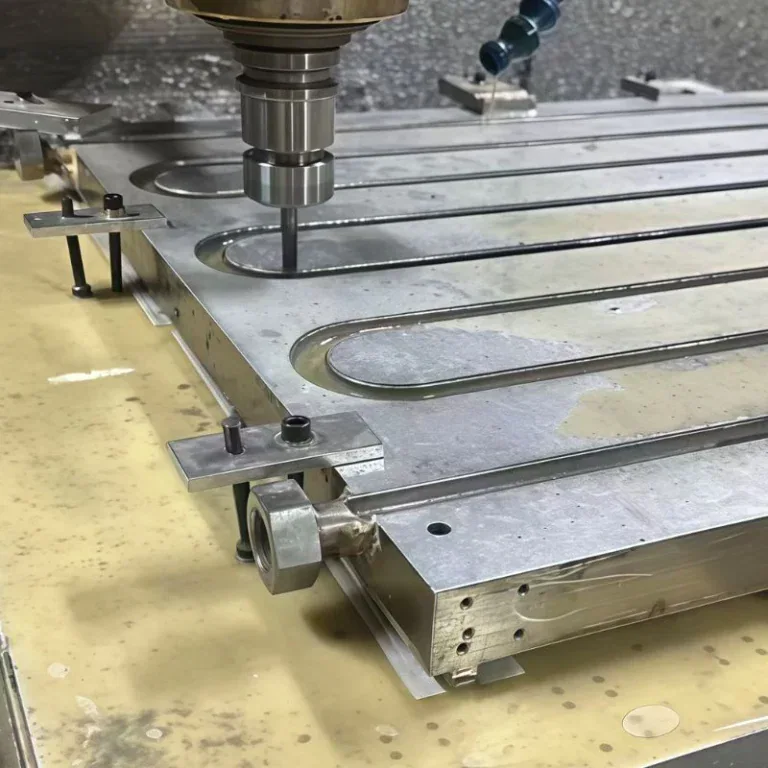
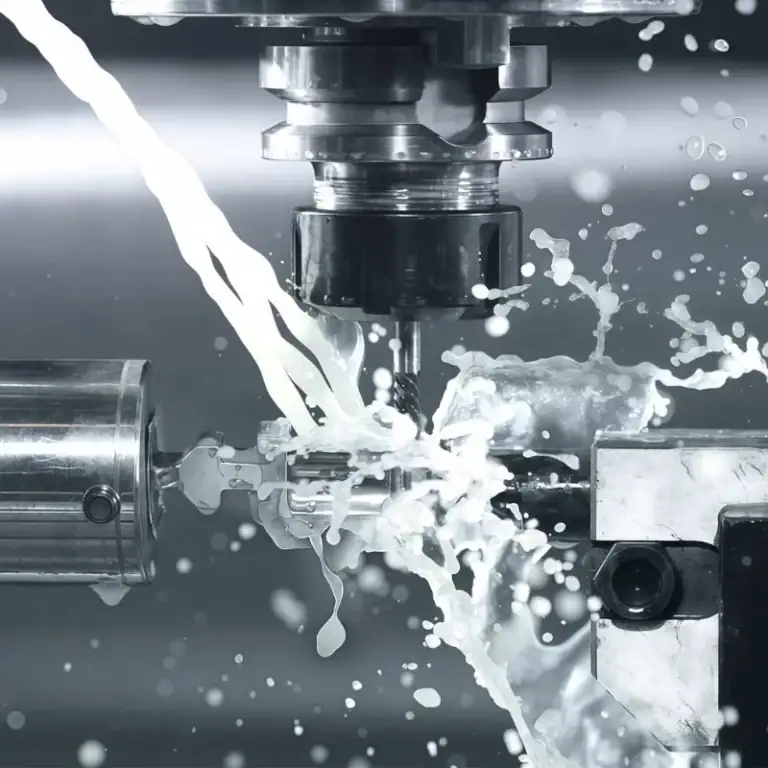
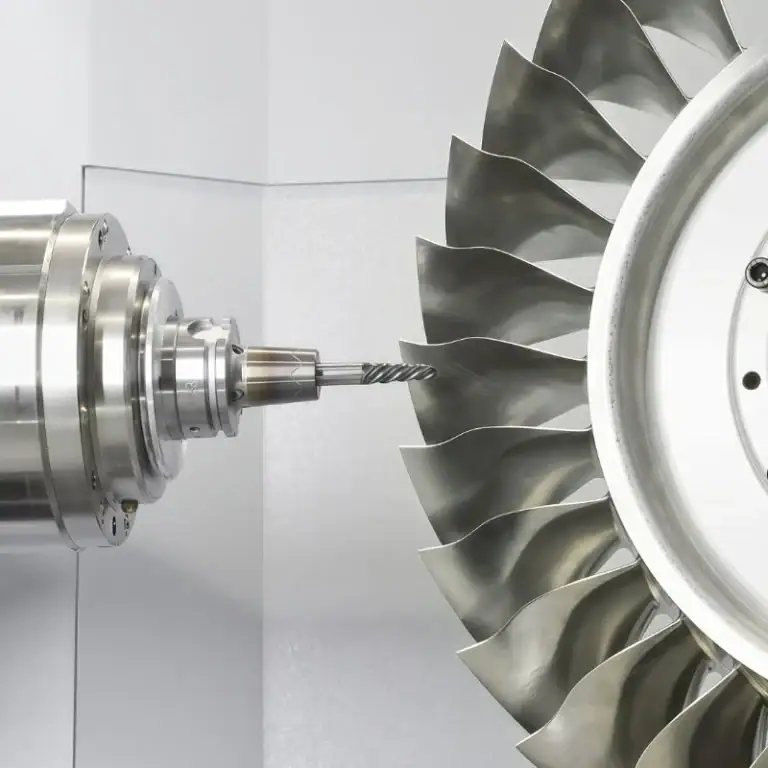
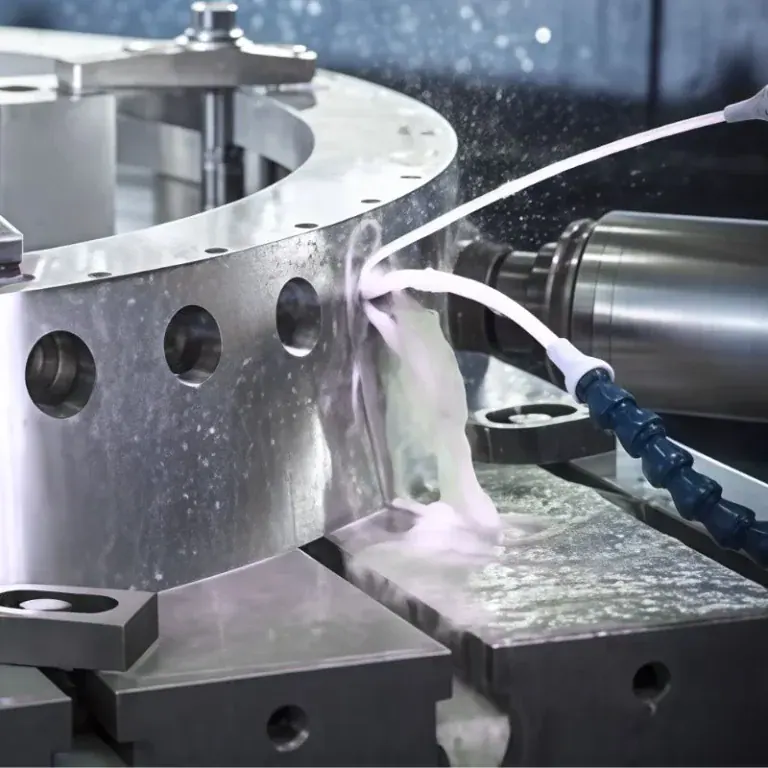
- CNC Milling: Suitable for mounting bases, valve bodies, and multi-sided components. It can machine flat surfaces, slots, and hole positions.
- Drilling and Tapping: Used for mounting holes and threaded holes, with attention to hole positioning and thread dimensions.
For non-magnetic structural components, the effects of fixturing and machining sequence on dimensional accuracy and material properties should also be considered.
How to Control Sealing and Machining Quality?
Connections and fluid passages must meet design requirements. Threads, sealing structures, and critical dimensions should receive particular attention during manufacturing.
Control Threads and Sealing Structures
Thread accuracy and sealing surface quality affect component assembly. Specific machining requirements should be determined according to the connection design.
- Thread Machining: Control thread pitch, profile, effective length, and fit dimensions.
- Preventing Thread Galling: For material combinations prone to galling, suitable material pairings, surface treatments, and assembly lubrication measures can be selected according to operating conditions.
- Sealing Surface Machining: Machine tapered surfaces, metal-to-metal contact surfaces, or seal grooves according to the design, and inspect their critical dimensions.
After machining, the connection areas and sealing structures must be checked to confirm that they meet assembly requirements.
Arrange Surface Treatments and Quality Inspections
Surface treatment methods should be selected according to component materials and operating environments without compromising dimensional accuracy or fit relationships.
- Surface Protection: Select suitable treatment methods based on the operating media and material characteristics.
- Wear Resistance: For components subject to friction, determine the appropriate process according to actual operating conditions.
- Dimensional Inspection: Check bore diameters, concentricity, flatness, and critical fit dimensions.
- Special Inspections: Arrange additional testing and verification for pressure-bearing components or parts used in special operating conditions, according to technical requirements.
For surface-treated components, the effects of the treatment layer on threads, sealing surfaces, and assembly dimensions should also be inspected.
What Should Buyers Consider When Purchasing Precision Parts for Oilfield Instruments?
Before requesting a quotation, buyers should provide complete technical information so that suppliers can understand the component’s application and manufacturing requirements, reducing the risk of selecting an unsuitable machining process.
Provide Complete Component Information
The following information should be prepared when requesting a quotation:
- Engineering Drawings and 3D Models: Specify dimensions, tolerances, threads, and sealing locations.
- Material Requirements: Clarify strength, corrosion resistance, and any special magnetic property requirements.
- Process Requirements: Specify heat treatment and surface treatment requirements.
- Inspection and Order Information: Provide inspection items, order quantities, and delivery schedules.
For components used in special operating conditions, buyers should also specify the working media, temperature, and pressure to help suppliers evaluate the manufacturing plan.
Evaluate the Supplier’s Manufacturing Capabilities
When selecting a supplier, buyers should review its capabilities in precision turning, milling, complex hole machining, and dimensional inspection. They should also confirm whether the supplier can process special materials and sealing structures according to the specified requirements. For complex components or parts with demanding precision requirements, drawing reviews and sample inspections can help confirm the manufacturing plan before mass production begins.
Manufacturing precision parts for oilfield instruments requires careful consideration of material properties, structural dimensions, connection methods, and operating environments. Buyers should clarify drawings, tolerances, and inspection requirements in advance, while manufacturers should maintain effective process planning and quality control. TiRapid provides custom CNC machining services based on customer drawings and project requirements, supporting both prototype development and batch production of precision components for oilfield instruments and equipment.