A conveyor system may seem like a simple piece of equipment that moves materials from one place to another, but its long-term performance often depends on small components that are easy to overlook. Uneven rollers, incorrectly sized drive shafts, or misaligned mounting holes can cause the entire production line to run poorly. In serious cases, these problems may even interrupt production. For industrial equipment manufacturers, components must do more than meet basic dimensions; they need to withstand continuous operation. CNC machining helps control dimensions, hole positions, and surface quality to meet the assembly and durability requirements of conveyor systems.
What CNC Machining Requirements Do Common Conveyor System Components Have?
Conveyor systems typically consist of rollers, drive shafts, support blocks, connecting plates, mounting brackets, and other components. Each part performs a different function, so its machining requirements will also vary. Drive components require accurate concentricity and fitting dimensions, while support structures place greater emphasis on hole positions, flatness, and load-bearing capacity. Poor component fit can lead to vibration, noise, or premature wear during operation.

What Dimensions Need to Be Controlled When Machining Conveyor Rollers and Drive Shafts?
Rollers and drive shafts are directly involved in material transportation and power transmission. Dimensional deviations may cause uneven rotation and even affect conveyor belt movement. CNC turning and milling can be used to machine outer diameters, shoulders, keyways, and connection features. For components that rotate continuously, roundness, concentricity, and surface roughness also need attention to prevent local dimensional errors from affecting equipment performance.
How Can CNC Machining Ensure Assembly Accuracy for Conveyor Supports and Connectors?
Although support blocks, connecting plates, and mounting brackets may not directly transmit power, they play an important role in positioning and securing the entire system. Several details need careful control during machining:
- Hole position accuracy: The spacing between mounting holes must match the drawing to avoid on-site drilling or adjustments.
- Contact surface flatness: Flat mounting surfaces help reduce movement and vibration after assembly.
- Edges and chamfers: Removing burrs prevents interference during assembly and reduces the risk of scratches.
These components are often used together with other parts, so meeting individual dimensional requirements does not automatically guarantee a proper fit after installation. Confirming mating dimensions, thread specifications, and machining datums in advance can reduce assembly problems later.
Which Conveyor System Components Commonly Require CNC Machining?
The structure of a conveyor system depends on material weight, conveying speed, and available installation space. As a result, its components can have quite different shapes and machining requirements. Common CNC-machined parts and their key quality requirements include:
| Component | Key Machining Requirements | Common Problems |
| Conveyor roller | Outer diameter, roundness, concentricity | Rotational runout |
| Drive shaft | Shaft diameter, keyway, fitting dimensions | Loose installation |
| Bearing housing | Bore diameter, hole position, flatness | Bearing misalignment |
| Mounting bracket | Hole spacing, profile, surface flatness | Unstable fastening |
Which CNC Machining Processes Are Suitable for Conveyor System Components?
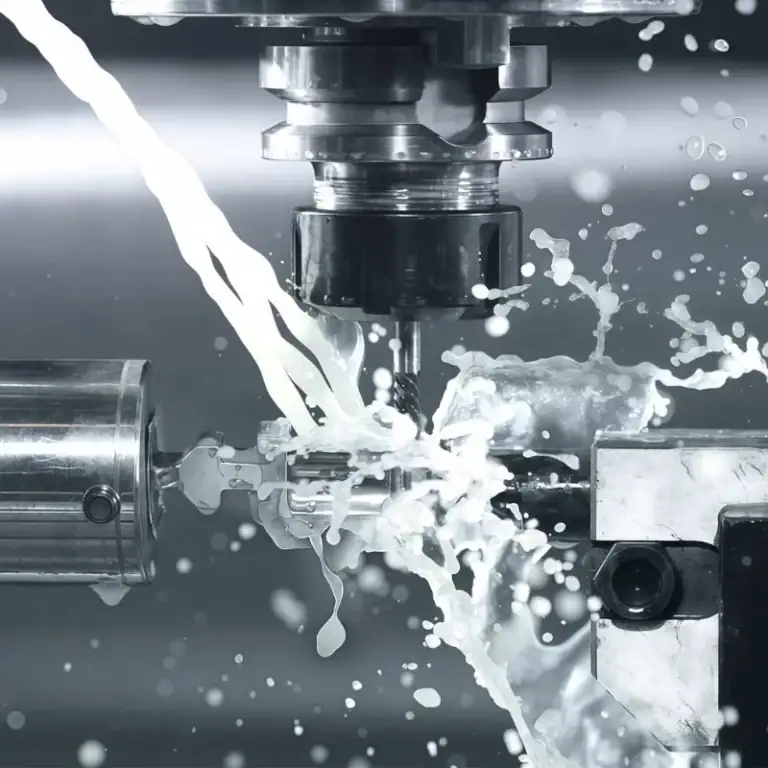
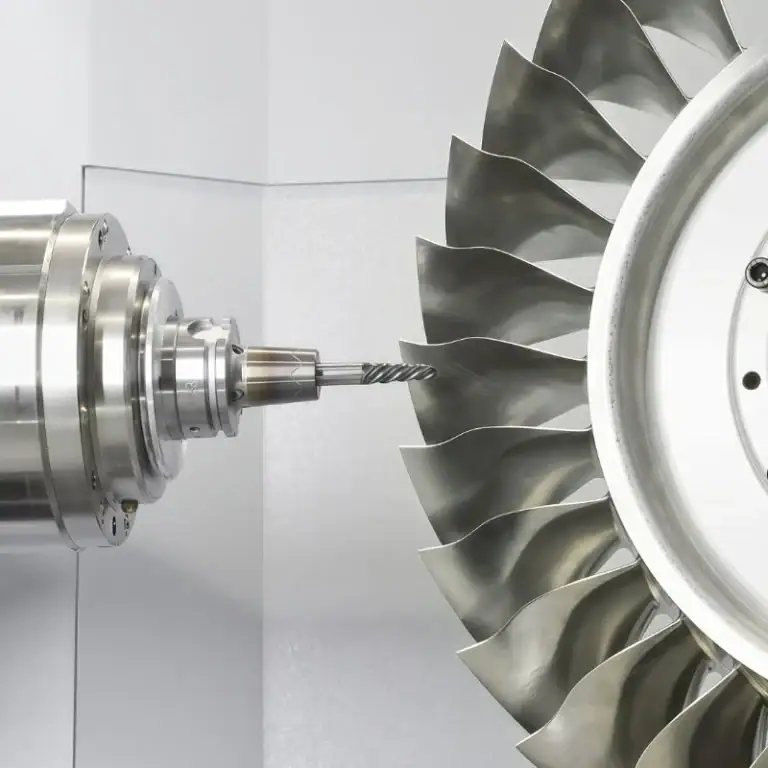
Conveyor system components include shafts, plates, and structural parts with holes, slots, and complex profiles. Choosing a machining process should involve more than simply looking at production speed. Material, component geometry, and actual loading conditions also matter. Common processes such as turning, milling, drilling, and finishing need to be arranged properly to meet drawing requirements while avoiding unnecessary operations.
Why Is CNC Turning Suitable for Shafts and Conveyor Rollers?
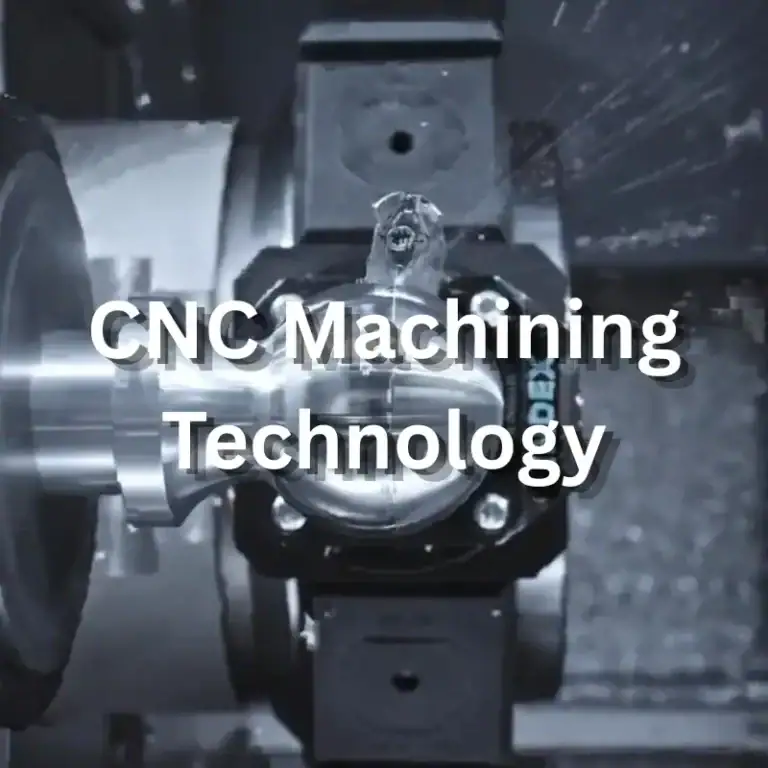
Shaft components often require different shaft diameters, end faces, threads, and keyways. CNC turning provides accurate control over these dimensions and their relative positions, making it suitable for drive shafts, roller shafts, and conveyor roller connecting shafts. For components requiring high concentricity, the clamping method and machining datum must also be carefully controlled to prevent positioning errors caused by repeated setups. If a component includes complex grooves, additional milling operations can be arranged.
How Are Conveyor Mounting Plates and Brackets Machined Using CNC Milling?
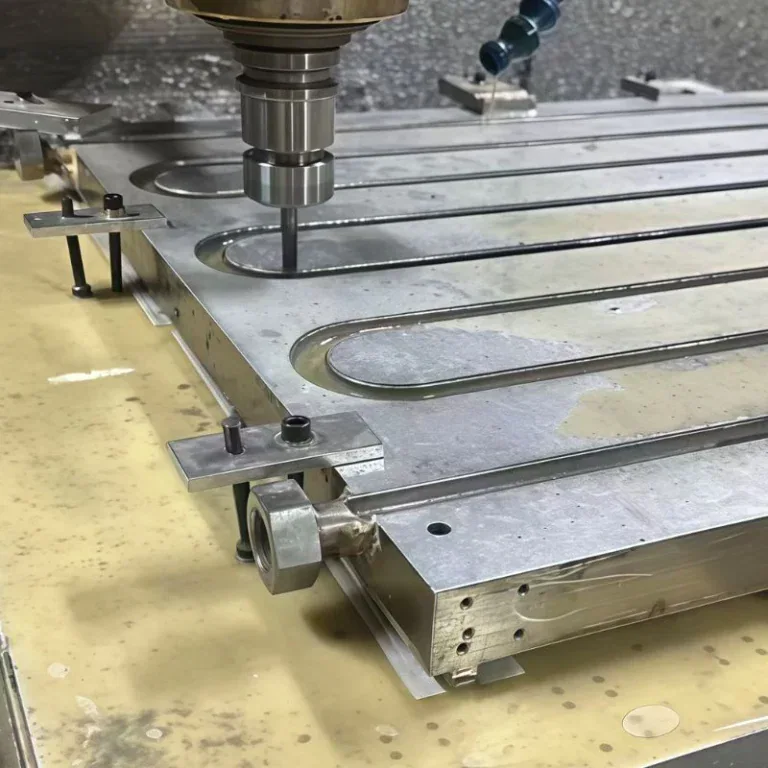
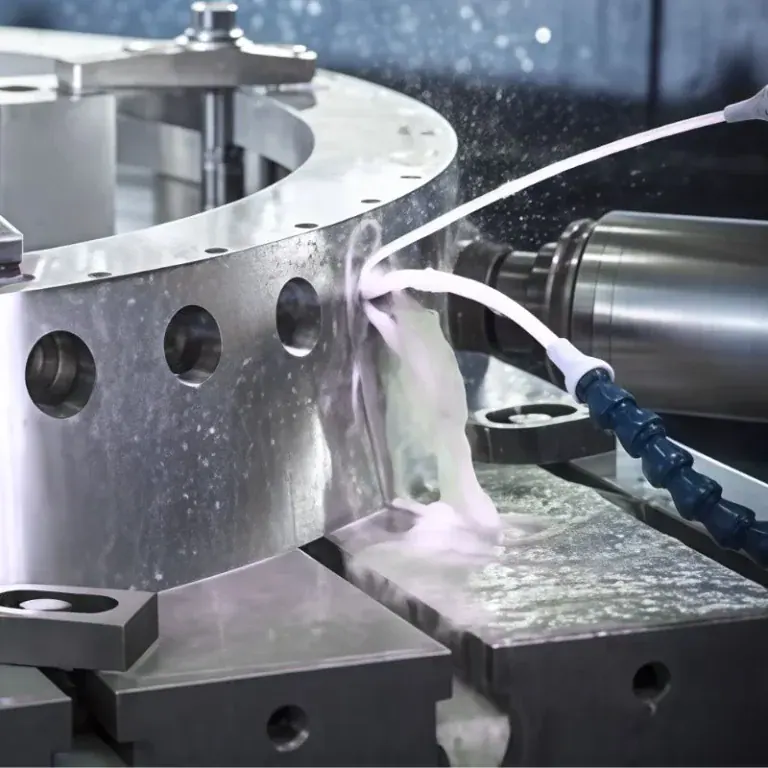
Mounting plates, support brackets, and connecting blocks often contain steps, slots, and multiple hole positions. CNC milling combined with drilling and tapping can complete these features. Common operations include:
- Surface milling: Controls mounting height and surface flatness.
- Slot machining: Ensures slot width, depth, and position meet assembly requirements.
- Drilling and tapping: Produces bolt holes, locating holes, and threaded holes for secure connections.
For components with complex structures, machining sequence matters. Establishing the positioning datum before machining critical holes and mating surfaces can reduce errors caused by repeated setups and make it easier to assemble the finished parts with other components.
How Should Machining Processes Be Selected for Different Conveyor Components?
Different component geometries require different machining methods. Shaft components focus more on rotational accuracy, while plate components need accurate hole spacing and mounting surfaces. The machining process should be selected according to the engineering drawing to avoid using the same approach for every part.
| Component Type | Common CNC Processes | Key Control Requirements |
| Drive shaft | CNC turning, milling | Shaft diameter, concentricity, keyway |
| Conveyor roller | Turning, end-face machining | Outer diameter, roundness, end-face position |
| Mounting plate | CNC milling, drilling | Hole spacing, flatness |
| Connecting block | Milling, drilling, tapping | Fitting dimensions, thread accuracy |
How Can CNC Machining Improve the Durability of Conveyor System Components?
Conveyor systems often operate continuously, exposing components to rotation, friction, vibration, and material loads over long periods. Inconsistent machining quality can cause bearing fits to loosen, contact surfaces to wear faster, and even lead to equipment downtime. To extend component service life, manufacturers need to consider more than the dimensions immediately after machining. Material properties, surface conditions, and the actual working environment also matter.
How Can Wear and Deformation Be Reduced in Conveyor System Components?
Several factors should be considered during machining:
- Choose suitable materials: Select aluminum alloys, carbon steel, or stainless steel according to load, operating speed, and working environment.
- Control surface roughness: Bearing fitting surfaces and sliding contact areas must meet the required surface finish specifications.
- Select suitable surface treatments: Depending on the material and operating conditions, anodizing, nickel plating, or other suitable treatments may be used.
For components exposed to heavy loads, wall thickness, reinforcing ribs, and connection areas also need attention to prevent deformation during operation. Surface treatments should not be selected at random. Their impact on final dimensions must be considered, especially for precision features such as bores and mating surfaces.
What Should Be Inspected After CNC Machining Conveyor Components?
Finished components should not be checked by appearance alone. Critical dimensions must also be verified against the engineering drawings. Drive shafts require inspection of shaft diameters, concentricity, and keyway dimensions. Mounting plates need checks for hole spacing, bore sizes, and surface condition. Threaded holes should be checked for correct specifications and connection quality. For batch production, consistent inspection standards are also important to prevent noticeable dimensional variations between parts.
How Can Assembly Errors in Conveyor System Components Be Reduced?
Assembly problems do not always result from out-of-tolerance dimensions. They may also come from inconsistent datums or positional deviations between machined features. Machining should use clearly defined positioning datums, with particular attention given to critical holes and mating surfaces. For components that must fit bearings, couplings, or conveyor belts, confirming connection dimensions and installation relationships in advance can reduce on-site adjustments and help maintain stable equipment operation.
What Machining Information Is Needed to Customize Conveyor System Components?
A component name alone is not enough to determine the machining process or provide an accurate quotation. Engineering drawings should ideally specify the material, dimensional tolerances, hole positions, threads, surface roughness, and any special treatment requirements. If only a 3D model is available, key fitting dimensions and installation instructions can also be provided. Buyers should also specify the required quantity, operating environment, and whether the parts need to match existing equipment. Clear information makes it easier to confirm machining requirements, arrange production, and control delivery quality.
Should Buyers Provide 2D Drawings or 3D Models for CNC Machining?
2D engineering drawings are useful for specifying dimensions, tolerances, hole positions, and technical requirements. 3D models provide a clearer view of the component structure. For parts with complex surfaces, grooves, or special connection features, providing both file types is recommended to reduce misunderstandings. If complete drawings are not yet available, existing sample dimensions and basic application details can be shared first, followed by the key technical information.
What Material and Quantity Information Is Needed for Custom Conveyor Components?
Material selection affects component weight, strength, wear resistance, and machining cost. Common options include aluminum alloys, carbon steel, and stainless steel. The right choice depends on equipment loads, operating conditions, and whether the parts are exposed to moisture or corrosive substances. Buyers should also specify the quantity per order, expected production volume, and future replenishment needs, as these details can influence machining methods and production arrangements.
How Can Buyers Confirm That CNC-Machined Components Meet Assembly Requirements?
After receiving machined components, buyers can inspect critical dimensions, hole positions, threads, and surface conditions against the engineering drawings. For parts designed to work together, the dimensional relationships between bearings, brackets, and connecting components should also be checked. When purchasing in batches, defining inspection items and tolerance requirements in advance can help reduce rework and communication costs after delivery.
Stable conveyor operation depends on accurate coordination between every component. Whether machining drive shafts, rollers, mounting brackets, or connecting blocks, the right CNC machining processes help control dimensional deviations, improve assembly fit, and extend component service life. TIRAPID provides custom CNC machining services based on industrial equipment drawings and technical requirements. Contact us to discuss your machining needs and request a quotation.