Oil drilling and production tools operate under high loads, high pressure, strong impact, and complex downhole conditions. Their components must not only achieve high dimensional accuracy but also provide wear resistance, corrosion resistance, fatigue resistance, and reliable long-term performance. Components such as drill bit connectors, drill pipe joints, valve bodies, sleeves, shafts, threaded parts, and downhole tool housings often feature complex structures, high-strength materials, and various dimensional requirements.
Precision CNC machining can manufacture these components through CNC turning, milling, drilling, boring, tapping, and other processes. Combined with in-process inspection and dimensional control, CNC machining helps improve batch consistency and production reliability. For different drilling and production tools, machining processes can be developed according to technical drawings, tolerances, material specifications, and actual operating conditions, providing dependable component manufacturing support for drilling, oil production, well servicing, and downhole operations.
Precision CNC Machining Technology and Manufacturing Advantages for Oil Drilling Tools
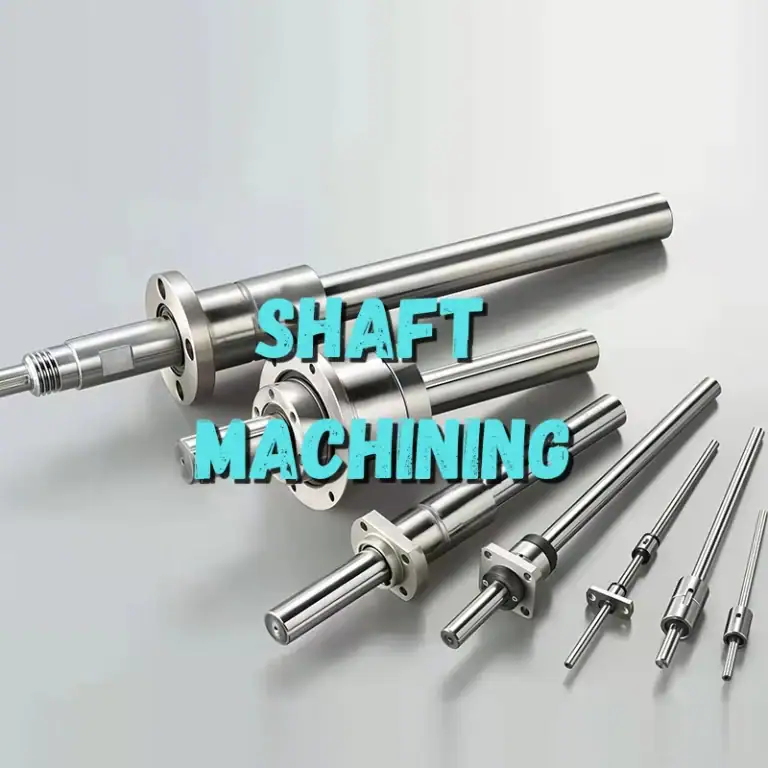
Oil drilling and production tools require highly reliable mechanical components, particularly at connection points, load-bearing structures, and sealing areas. Precision CNC equipment uses digitally controlled tool paths to maintain stable dimensional accuracy during machining. For long shaft components, deep-hole parts, complex curved surfaces, and precision threaded components, suitable machines, cutting tools, and machining processes can be selected according to the product structure.
CNC machining also reduces dimensional variations caused by manual operations and allows machining programs to be stored and reused. When the same type of drilling tool needs to be manufactured repeatedly, validated programs and machining parameters can be reused, reducing setup time. For different production batches, first-piece inspection, in-process inspection, and final inspection can be combined to maintain dimensional consistency and ensure that components are suitable for long-term service in oilfield equipment.
Precision CNC Machining Processes for Oil Drilling and Production Tools
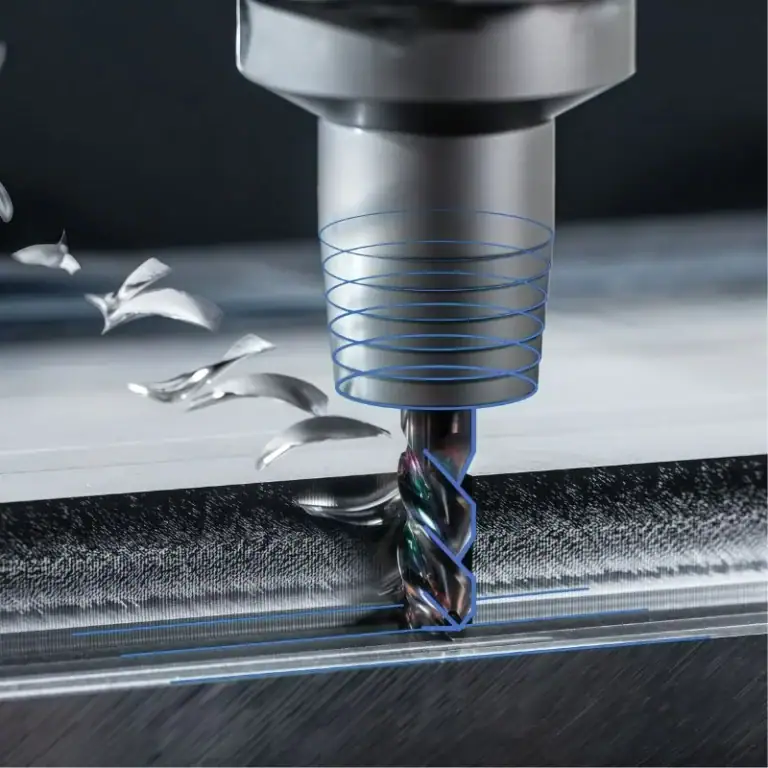
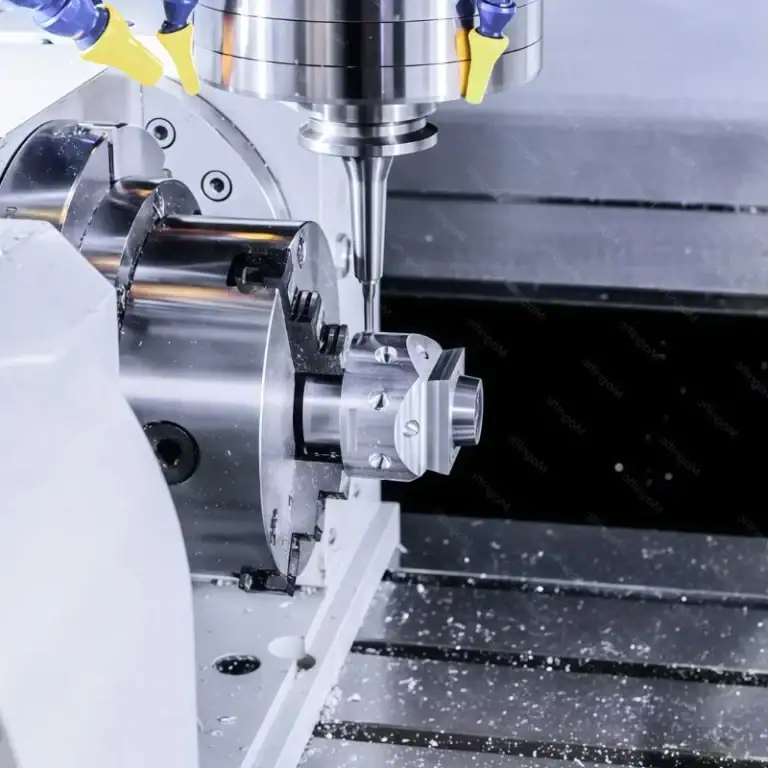
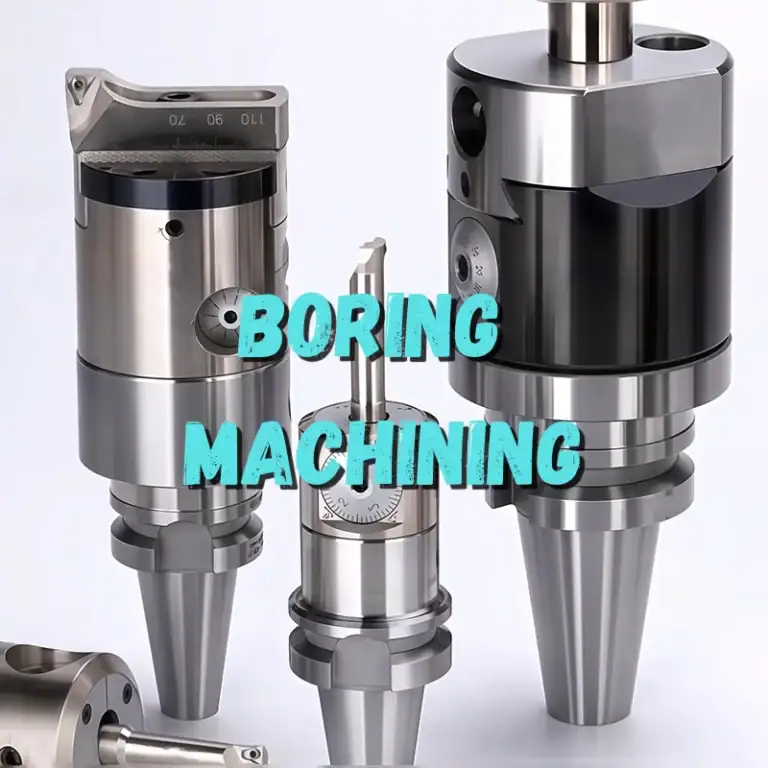
The machining process for oil drilling tools needs to be arranged according to the component structure. Turning can be used for external diameters, end faces, steps, internal bores, and threads, while milling is suitable for keyways, positioning grooves, mounting surfaces, and complex contours. Deep holes and precision bores require appropriate drilling or boring processes.
For high-strength alloy steel, stainless steel, and wear-resistant materials, cutting speed, feed rate, depth of cut, and coolant conditions require careful control. Proper parameters can reduce abnormal tool wear, minimize machining vibration, and improve surface quality. For drilling components requiring heat treatment, machining allowance should also be considered according to dimensional changes before and after heat treatment to achieve more stable final dimensions.
CNC Machining Workflow for Oil Drilling and Production Tools
Precision CNC machining involves more than simply cutting material according to a drawing. A complete manufacturing workflow needs to integrate component geometry, material properties, machine capabilities, and inspection requirements. Proper process planning can reduce repeated setups and minimize errors caused by changes in machining datums.
- Drawing and technical requirement verification: Check component dimensions, tolerances, material specifications, thread standards, surface roughness, and special machining requirements.
- Material preparation: Select alloy steel, stainless steel, carbon steel, or other engineering materials according to product requirements and verify material dimensions.
- Process planning: Determine the sequence of turning, milling, drilling, boring, threading, and other operations.
- CNC programming: Develop CNC machining programs based on 2D drawings or 3D models and establish appropriate tool paths.
- Workholding and positioning: Select suitable fixtures and reference datums to maintain component stability during machining.
- Precision machining: Complete critical dimensions, holes, threads, grooves, and functional surfaces.
- Quality inspection: Use calipers, micrometers, thread gauges, bore gauges, and coordinate measuring machines to verify critical dimensions.
- Finishing and delivery: Perform deburring, cleaning, rust prevention, or surface treatment according to customer requirements before packaging.
A controlled machining workflow helps oil drilling components achieve stable dimensions and surface quality while supporting reliable assembly and field maintenance.
Common Materials and Performance of Oil Drilling Tools
Materials used for oil drilling and production tools should be selected according to operating loads, temperature, corrosive media, and friction conditions. High-strength alloy steel is suitable for components exposed to heavy mechanical loads, stainless steel is appropriate for corrosive environments, and wear-resistant materials are suitable for components exposed to continuous friction or impact.
| Common Material | CNC Machining Characteristics | Typical Components | Main Performance |
| Alloy Steel | High strength and requires controlled cutting parameters | Joints, shafts | High strength, impact resistance |
| Stainless Steel | Relatively high toughness and demanding tool requirements | Valve bodies, sleeves | Corrosion resistance, high-temperature resistance |
| Carbon Steel | Stable machinability and suitable for conventional cutting | Supports, connectors | Stable strength, cost efficiency |
| Tool Steel | High hardness and relatively difficult to machine | Wear-resistant components | High hardness, wear resistance |
| Special Alloys | Higher requirements for machines and cutting tools | High-performance downhole components | High-temperature resistance, corrosion resistance |
Material selection must be matched with the machining process to ensure stable component performance in demanding drilling and production environments.
Thread and Hole Structure Machining for Oil Drilling Tools
Threads are critical connection structures in oil drilling and production tools. Drill pipe joints, pipe connectors, and certain downhole tools rely on precision threads for secure and reliable connections. CNC turning centers can machine different types of external and internal threads according to engineering requirements while controlling thread profile, pitch, and effective length through multiple cutting passes.
Hole structures also have a direct influence on component assembly quality. Axial holes, radial holes, stepped holes, and deep holes require different combinations of drilling, reaming, and boring processes. For sealing structures, bore diameter tolerance, surface roughness, and coaxiality need to be controlled carefully to reduce the risk of leakage or assembly difficulties during operation.
Applications of Precision CNC Machining for Oil Drilling and Production Tools
Oil drilling and production equipment contains a large number of metal structural components and functional parts. Different equipment performs specific tasks during drilling, oil production, well servicing, and downhole operations. Precision CNC machining can be adapted to component requirements by matching geometry, dimensions, and materials with the intended application. It is suitable for both standard production and custom manufacturing based on customer drawings.
For new drilling tool development, CNC machining can also support rapid prototyping and trial production. After testing, hole positions, thread structures, dimensions, and assembly interfaces can be modified according to actual operating results before entering stable production. This manufacturing model supports the development of upgraded oilfield equipment and customized components.
Precision CNC Components for Oil Drilling Equipment
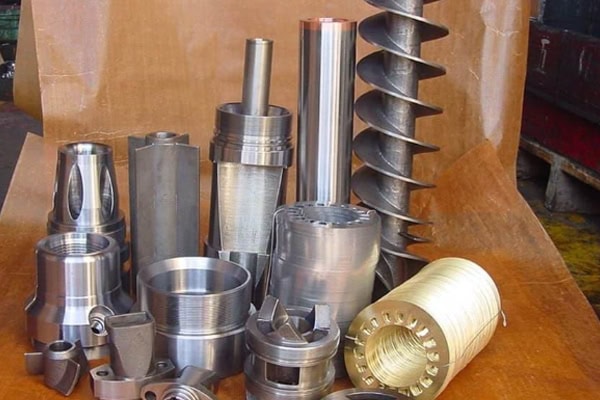
Drilling equipment is exposed to continuous mechanical loads and demanding operating conditions. The dimensional accuracy of critical components directly affects equipment assembly and operational stability. CNC machining can be used to manufacture drilling tool connectors, bushings, positioning rings, valves, flanges, and structural support components.
These components often require precise control of coaxiality, roundness, flatness, or thread accuracy. During machining, multiple operations can be coordinated to reduce datum changes, while precision inspection equipment can verify critical dimensions and ensure that components meet drilling equipment assembly requirements.
CNC Components for Oil Production and Well Servicing Tools
Oil production and well servicing equipment frequently requires replacement components in different specifications, making customized CNC machining highly adaptable. According to equipment models and operating requirements, manufacturers can produce valve seats, sleeves, connectors, mandrels, piston-type components, and sealing structures.
Machining must carefully consider component mating relationships. For shafts and bushings that slide against each other, the appropriate clearance must be maintained. For valve bodies and valve seats, contact surface accuracy is critical. For sealing grooves, groove width, groove depth, and edge quality should match the sealing ring specifications.
Customized CNC machining allows companies to manufacture replacement components according to maintenance schedules, helping reduce equipment downtime caused by shortages of special-size parts.
Precision Manufacturing of Downhole Tool Components
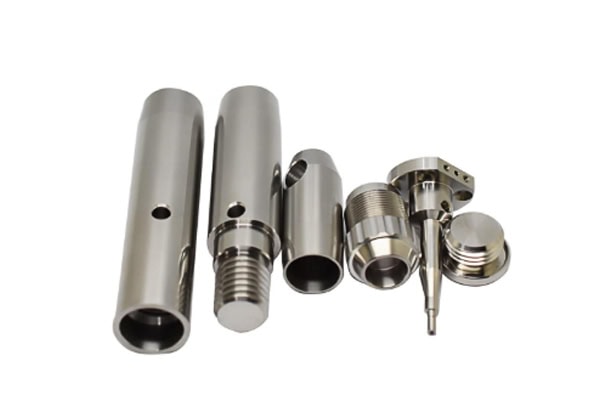
Downhole tools typically operate in confined spaces and under complex pressure conditions, creating high requirements for structural accuracy and material performance. Precision CNC machining can be used to manufacture downhole tool housings, connection sleeves, valve spools, mandrels, guide components, and sealing structures.
| Downhole Component | Common Machining Process | Key Control Requirements | Main Function |
| Tool Housing | Turning, milling, drilling | Coaxiality, thread accuracy | Protect internal mechanisms |
| Mandrel | CNC turning, grinding | Diameter, straightness | Transmit mechanical loads |
| Valve Spool | Turning, precision grinding | Mating clearance | Control fluid flow |
| Connection Sleeve | Turning, threading | Thread accuracy | Connect tool components |
| Guide Component | Turning, milling | Profile accuracy | Guide component movement |
These components should be manufactured according to downhole pressure, temperature, fluid media, and mechanical loads. Appropriate materials and machining processes help maintain dimensional stability and long-term durability.
Functions and Performance of CNC Components for Oil Drilling Tools
CNC components used in oil drilling and production tools perform more than connection and support functions. They may also handle power transmission, guidance, sealing, fluid control, and load transfer. Different functions require different dimensional control requirements, so machining processes should be matched with the actual operating environment.
High-quality CNC components generally require stable dimensions, good surface quality, sufficient mechanical strength, and reliable mating accuracy. Components exposed to continuous friction require good wear resistance, while parts that come into contact with oil, water, or chemical media require appropriate corrosion resistance. Through proper material selection, precision machining, and strict inspection, the overall reliability of drilling and production tools can be improved.
CNC Custom Machining Quality and Production Efficiency for Oil Drilling Tools
As oilfield equipment develops toward higher performance, intelligent operation, and more complex structures, the demand for customized drilling tool components continues to increase. Conventional machining methods may require longer adjustment times when dealing with complex profiles, multiple specifications, and tight tolerances. CNC machining can quickly switch between product models through digital programs, making it well suited to modern oilfield equipment manufacturing.
For small-batch components, machining processes can be established quickly according to customer drawings. For batch production, standardized programs, tool life management, and inspection data recording can improve production efficiency. Machining suppliers can also optimize fixtures, cutting tools, and process routes according to actual component requirements, helping create a more stable manufacturing process.
Digital Manufacturing Improves Oil Drilling Tool Machining Efficiency
Digital manufacturing allows CNC machines to connect more closely with design, programming, and inspection processes. 3D models can be used directly for CAM programming, while tool paths can be simulated and verified before machining, reducing the risk of programming errors and tool-path interference.
- Reduced manual operation: Automated program control reduces repetitive manual adjustments.
- Improved machining consistency: The same validated program can be reused for identical components.
- Better tool management: Tool life records can support timely tool replacement and reduce dimensional fluctuations caused by excessive wear.
- Enhanced quality traceability: Recording critical dimensional inspection data helps identify changes during production.
- Shorter delivery times: Established machining processes can be quickly applied to similar co
Digital manufacturing helps CNC machining companies respond more efficiently to the requirements of oil drilling tools involving multiple specifications, small production batches, and tight dimensional tolerances.
Customized CNC Machining Supports Drilling Tool Upgrades
Different oilfield environments and equipment models may require different component structures, and standardized parts cannot always satisfy specialized operating requirements. Customized CNC machining allows manufacturers to produce components based on 2D drawings, 3D models, samples, or specific dimensional requirements provided by customers.
For newly developed drilling tools, manufacturing can begin with prototype components and progress through trial assembly and testing. For maintenance of older equipment, replacement components can be reproduced based on physical dimensions. For tools designed for demanding operating conditions, machining processes can also be adjusted according to material, strength, sealing, and wear-resistance requirements.
Precision CNC machining converts complex component structures into stable digital manufacturing processes while balancing dimensional accuracy, production efficiency, and product consistency. Through appropriate material selection, precision turning and milling, controlled threading and hole machining, and strict quality inspection, CNC machining can provide reliable component support for oil drilling, oil production, well servicing, and downhole operations.