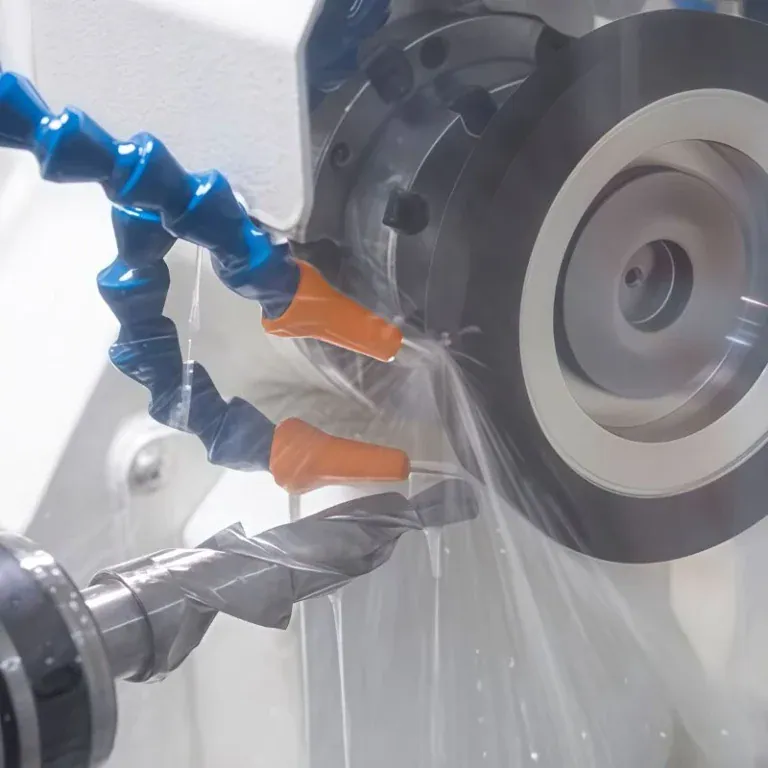
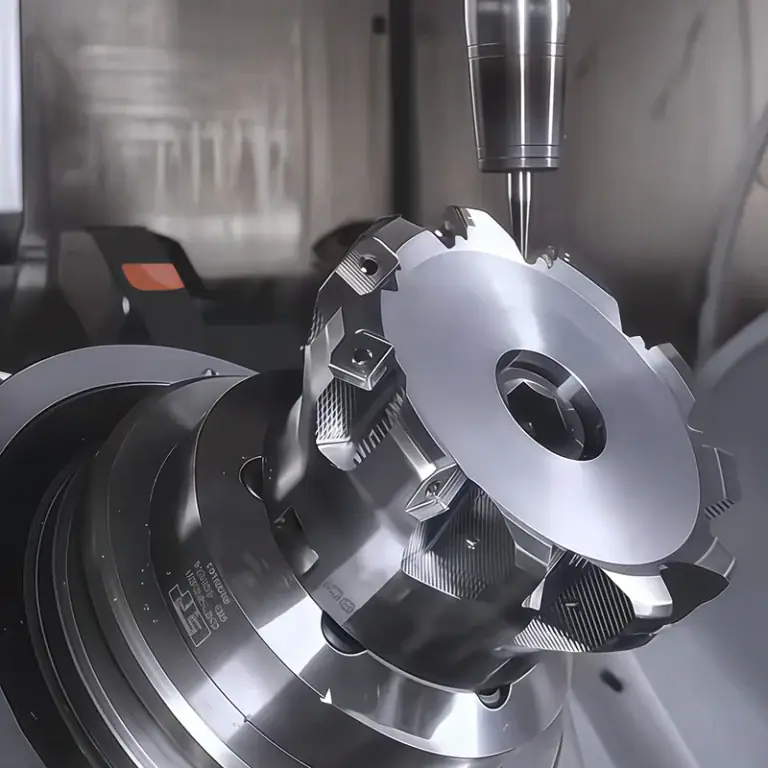
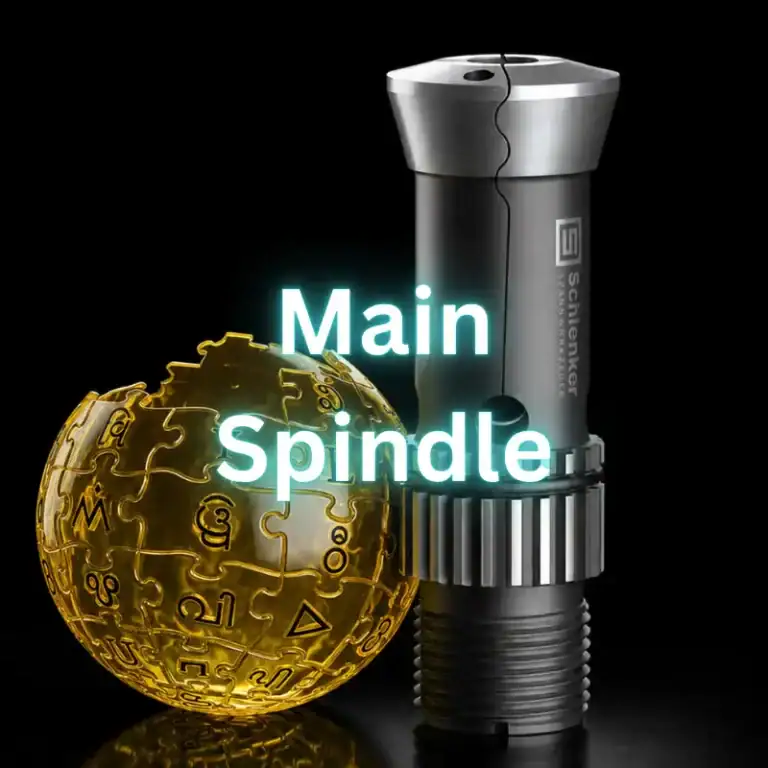
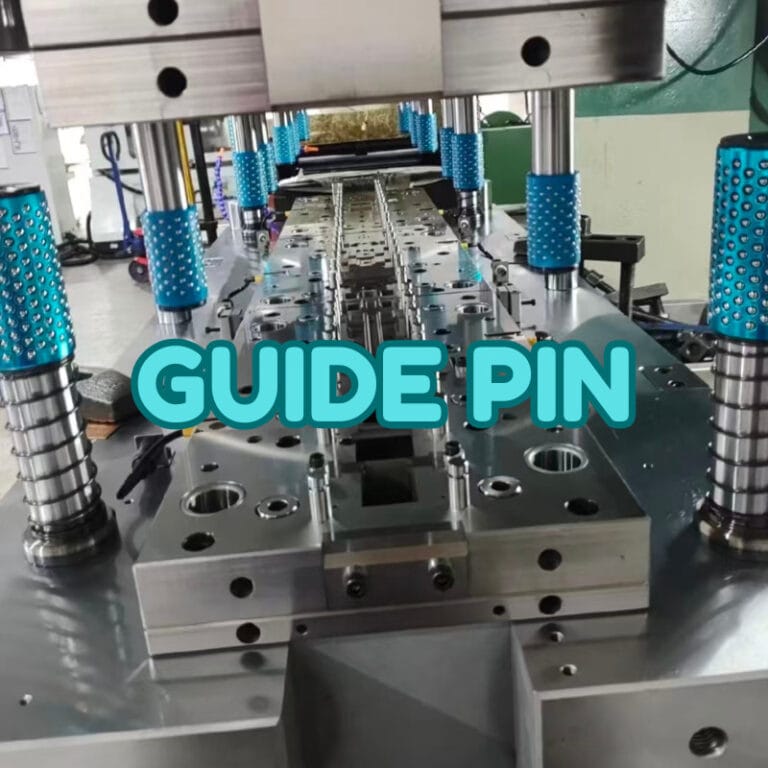
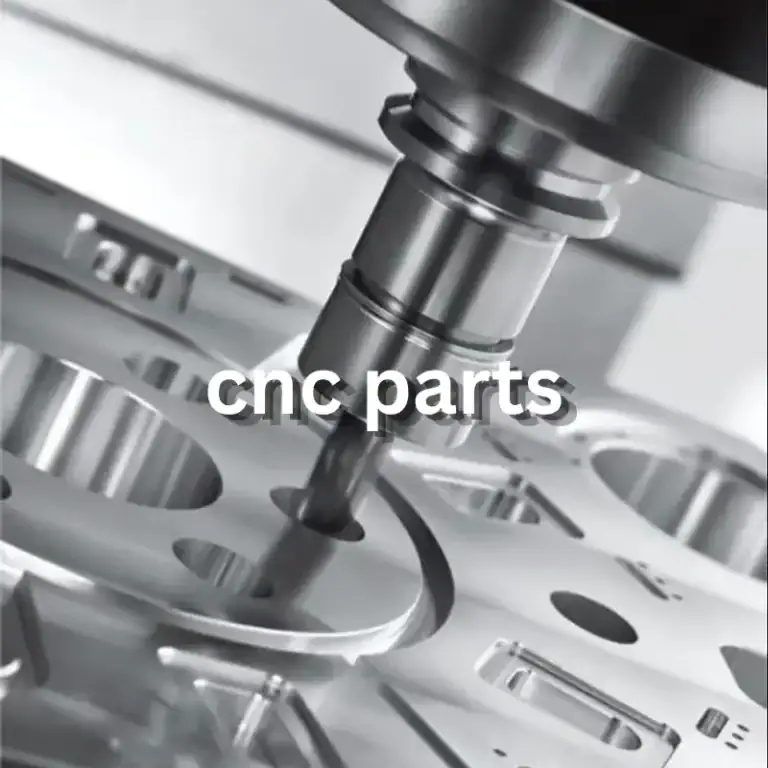
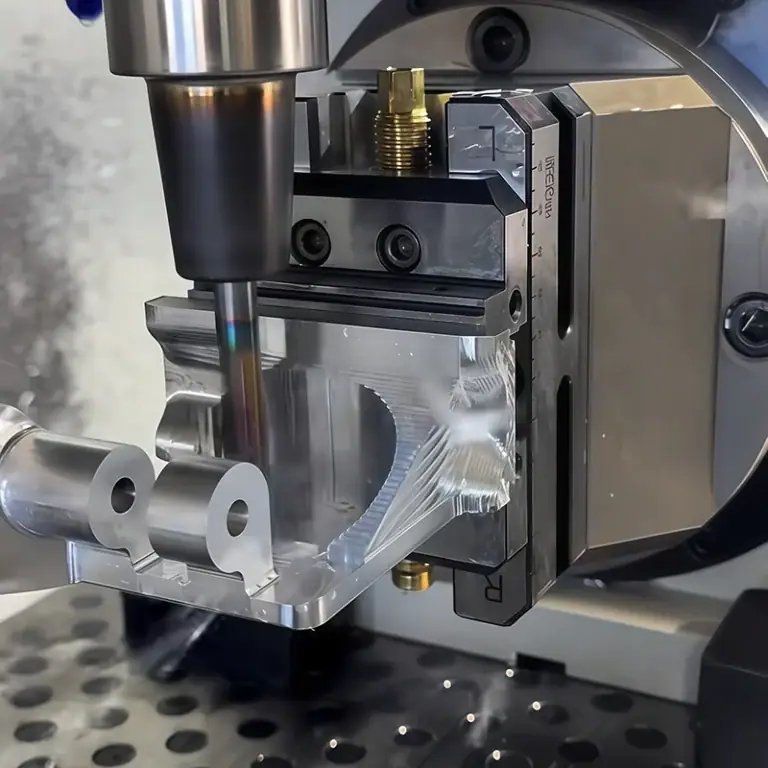
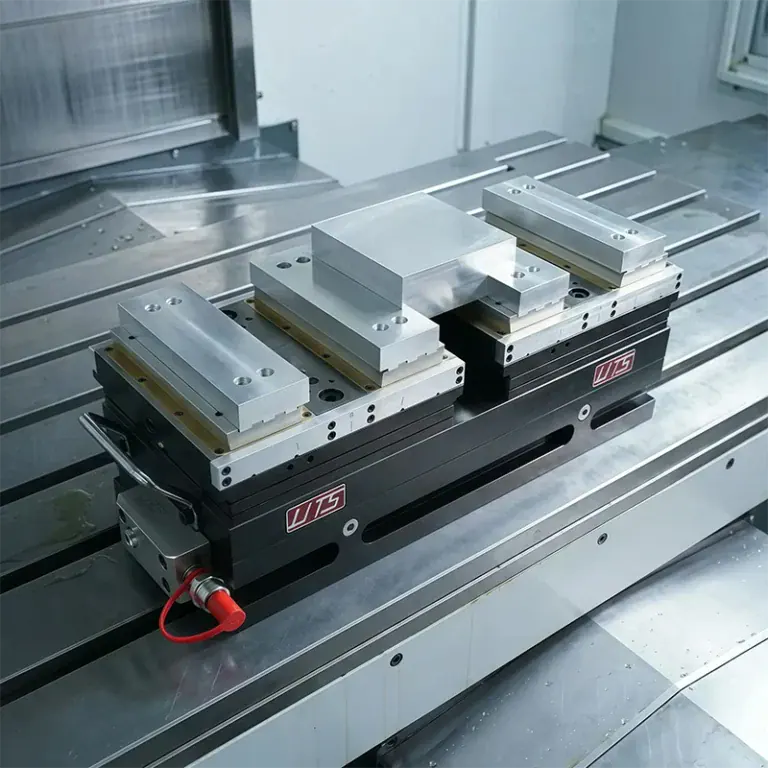
Mold manufacturing is widely used in industries such as automotive, electronics, home appliances, and medical devices. Mold quality directly affects product performance and production efficiency. Compared with traditional machining methods, CNC milling offers higher precision, greater stability, and superior capabilities for processing complex structures. It can efficiently handle complex surfaces, deep cavities, and precision dimensional machining tasks. CNC milling has become an essential technology in modern mold manufacturing, providing reliable support for improving machining quality and production efficiency.
CNC Milling Improves Mold Machining Accuracy
High-Precision Machining Capabilities Meet Modern Mold Manufacturing Requirements
CNC Milling Enables Precise Machining of Complex Profiles
Modern molds often contain complex surfaces, irregular structures, and high-precision assembly areas, placing greater demands on machining accuracy. CNC milling can precisely control tool paths according to programmed instructions, improving the machining quality of complex structures.Main Advantages of Complex Profile Machining:
Advanced control systems ensure greater stability during the machining of complex surfaces and improve overall mold accuracy.
- Improves the machining accuracy of complex surfaces
- Ensures profile dimensional consistency
- Reduces manual finishing work
- Minimizes machining errors
- Enhances mold assembly accuracy
Precise profile control significantly improves overall mold manufacturing quality.
CNC Milling Improves Dimensional Consistency
During mold manufacturing, dimensional errors can directly affect product molding quality, making dimensional control extremely important.Main Features of Dimensional Control Technology:
Modern CNC equipment utilizes high-precision positioning systems and intelligent control technologies to improve the stability of critical mold dimensions.
- Improves dimensional control accuracy
- Reduces repeated positioning errors
- Enhances machining stability
- Improves consistency in mass production
- Lowers rework rates
Stable dimensional control enhances the reliability of mold manufacturing.
CNC Milling Improves Surface Machining Quality
High-quality surface finishes help extend mold service life and improve molded product performance.Main Functions of Surface Machining Technology:
Optimized tool paths and stable cutting control produce more uniform surface finishes.
- Improves surface smoothness
- Reduces tool marks
- Minimizes subsequent polishing work
- Enhances product appearance
- Improves mold performance
Excellent surface quality further increases mold value.
CNC Milling Meets the Requirements of Complex Mold Structures
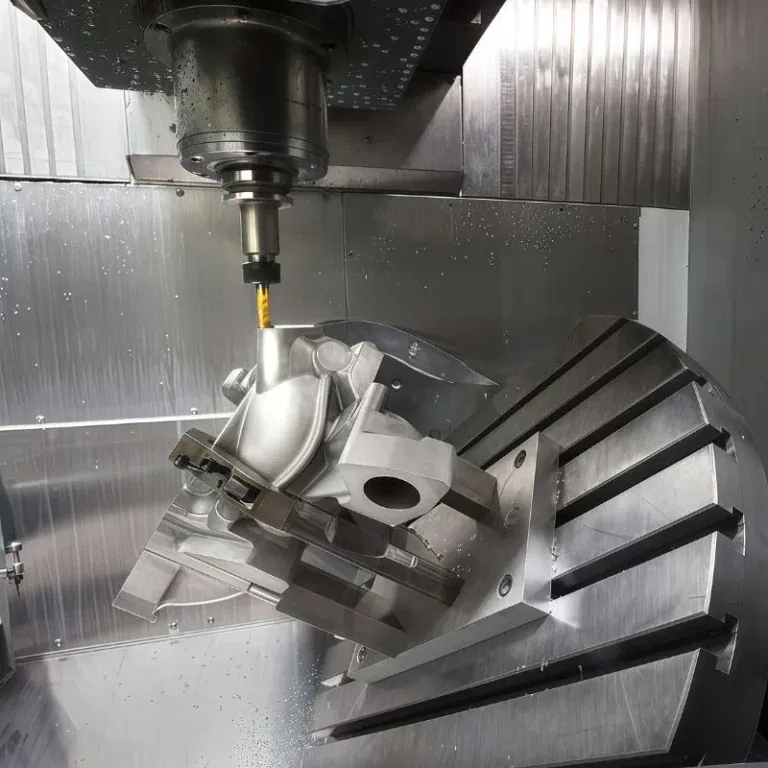
Multi-Axis Machining Enhances Complex Structure Manufacturing Capabilities
More Efficient Deep Cavity Machining
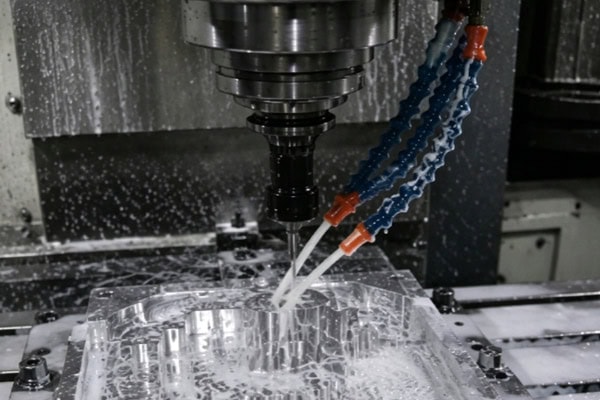
Modern molds frequently feature deep cavities, narrow slots, and complex internal structures, placing higher demands on machining equipment. Multi-axis machining technology expands tool accessibility, allowing tools to reach deeper areas more flexibly and improving the machining quality of complex internal structures. In practical production, this machining method enhances deep cavity processing capabilities, effectively reduces inaccessible areas, and minimizes positioning errors caused by multiple setups. At the same time, machining stability is further improved, helping ensure dimensional accuracy and surface quality in complex regions. For modern mold manufacturing, strong deep cavity machining capability has become an important factor in improving mold quality and meeting the production requirements of complex products.
Greater Flexibility in Complex Surface Machining
Many high-end molds require the machining of continuous and freeform surfaces. Advanced tool path control technology effectively improves contour accuracy and surface consistency, enabling stronger freeform surface machining capabilities. It also enhances transitions between surfaces, reduces contour errors, improves surface uniformity, and strengthens the overall stability of complex structures. This advanced surface machining capability meets the manufacturing requirements of modern high-end molds with intricate structures and complex geometries while supporting improvements in mold quality and manufacturing technology.
Multi-Sided Machining in a Single Setup
Reducing the number of setups helps improve both accuracy and efficiency. Multi-axis equipment enables continuous machining from multiple angles, reducing repeated positioning errors. In practical mold manufacturing, multi-sided machining technology significantly improves machining efficiency, minimizes errors caused by multiple setups, enhances dimensional consistency, shortens overall production cycles, and increases stability during the machining of complex structures. As a result, all mold components can maintain higher levels of machining accuracy and quality.
CNC Milling Improves Mold Production Efficiency
Automated Machining Enhances Manufacturing Productivity
Automatic Tool Changers Reduce Downtime
Mold machining typically requires multiple cutting tools to complete different operations.Main Features of Automatic Tool Changing Technology:
Automatic tool changers can quickly switch machining tools, improving equipment utilization.
- Reduces manual tool-changing time and increases automation levels.
- Improves machine operating efficiency and maximizes machining capabilities.
- Shortens machining cycles and accelerates mold project delivery.
- Enhances continuous production capability for long-term stable machining.
- Reduces human operational errors and improves process consistency.
- Optimizes production workflow and minimizes machine waiting time.
- Improves tool management efficiency and enhances stability in complex operations.
- Lowers production costs and improves overall manufacturing efficiency.
Automatic tool-changing technology significantly improves mold production efficiency.
High-Speed Machining Shortens Manufacturing Cycles
High-speed milling technology is widely used in the modern mold industry.Main Advantages of High-Speed Machining Technology:
High-speed spindles and intelligent control systems improve material removal efficiency.
- Increases cutting efficiency and removes more material within a given time.
- Reduces machining time and helps companies complete mold manufacturing faster.
- Improves production pace and enhances order fulfillment and market responsiveness.
- Improves certain surface finishes and reduces finishing and polishing operations.
- Lowers manufacturing costs and improves equipment utilization.
- Enhances the machining of complex structures and supports high-precision mold manufacturing.
- Reduces machine idle time and optimizes overall machining processes.
- Improves stability in mass production and ensures consistent product quality.
- Increases overall production efficiency and creates greater value for manufacturing projects.
High-speed machining capabilities are driving the advancement of mold production.
Standardized Machining Improves Mass Production Capability
Standardized processes improve the stability of mold machining.Main Functions of Standardized Production:
Unified machining programs and process workflows help maintain consistent machining quality.
- Improves production stability and ensures consistent quality across different batches.
- Reduces process variations and minimizes the impact of human operations.
- Enhances product consistency and meets the requirements of mass production.
- Lowers rework risks and reduces costs caused by dimensional deviations or process issues.
- Improves production management efficiency and supports standardized workflows.
- Optimizes resource allocation and increases equipment utilization.
- Shortens production preparation time and accelerates mold project delivery.
- Enhances overall manufacturing capability and supports long-term business development.
A standardized machining system improves the level of modern mold manufacturing.
CNC Milling Reduces Mold Manufacturing Costs
Efficient Machining Helps Optimize Return on Investment
Reduced Labor Involvement Lowers Production Costs
Highly automated CNC milling equipment reduces repetitive manual operations and improves production stability.Main Advantages of Automated Production:
Intelligent machining processes reduce dependence on labor and improve overall productivity.
- Reduces manual operation time
- Lowers the risk of human error
- Improves production continuity
- Optimizes workforce allocation
- Enhances production management efficiency
Automated machining helps companies control manufacturing costs.
Reduced Material Waste Improves Utilization
Mold materials are often expensive, making material utilization an important factor in cost control.Main Features of Material Utilization Optimization:
Precision machining reduces unnecessary cutting losses and improves raw material utilization.
- Reduces material waste
- Improves machining accuracy
- Lowers scrap rates
- Optimizes production processes
- Increases economic benefits
Efficient material utilization strengthens a company’s competitive advantage.
Reduced Rework Increases Production Profitability
Machining errors and quality issues often generate additional costs, while stable CNC machining effectively minimizes such problems.Main Functions of Quality Control:
High-precision equipment ensures more stable machining results and reduces the need for corrective work.
- Reduces the likelihood of rework
- Improves product qualification rates
- Shortens delivery cycles
- Minimizes resource waste
- Enhances customer satisfaction
Stable quality control improves overall production profitability.
CNC Milling Is Suitable for Various Mold Materials
Broad Compatibility with Different Material Requirements
Steel Mold Machining Is Widely Used
Steel is one of the most common materials in mold manufacturing and requires high-performance machining equipment.Main Characteristics of Steel Machining:
CNC milling can meet the precision machining requirements of high-hardness materials.
- Improves machining accuracy and ensures critical dimensions meet design specifications.
- Maintains structural stability and enhances long-term reliability and durability.
- Improves surface quality and reduces surface roughness for better molded product appearance.
- Extends mold life by reducing wear and deformation, lowering maintenance and replacement costs.
- Supports complex structures such as deep cavities, curved surfaces, and irregular profiles.
- Improves assembly accuracy and ensures better component fit.
- Enhances production consistency and quality stability in mass manufacturing.
- Shortens machining cycles through efficient processing methods.
Stable machining capabilities meet the requirements of steel mold manufacturing.
Aluminum Alloy Mold Machining Offers High Efficiency
Some rapid manufacturing projects use aluminum alloy molds to shorten development cycles.Main Advantages of Aluminum Alloy Machining:
The excellent machinability of aluminum alloys contributes to higher overall machining efficiency.
- Increases machining speed and enables faster processing of complex cavities and precision structures.
- Shortens production cycles and accelerates product development.
- Reduces machining difficulty through digital control of complex profiles and irregular structures.
- Improves surface finish quality and reduces polishing and finishing work
- Enhances development efficiency by supporting rapid prototyping and process validation.
- Improves machining stability and maintains consistent dimensional accuracy during continuous production.
- Reduces the need for manual intervention and lowers human error.
- Optimizes resource utilization and improves overall manufacturing efficiency.
Aluminum alloy machining effectively supports rapid manufacturing requirements.
Enhanced Capability for Special Material Mold Machining
Demand for molds made from special materials continues to grow in modern industries.Main Functions of Special Material Machining:
Advanced tooling and machining strategies can meet the requirements of various materials.
- Improves material adaptability for aluminum alloys, stainless steel, tool steel, engineering plastics, and more.
- Meets specialized application requirements in aerospace, medical devices, automotive components, and other industries.
- Enhances machining stability by optimizing cutting parameters and machining processes.
- Improves product performance by ensuring dimensional accuracy, surface quality, and structural reliability.
- Expands manufacturing capabilities for complex structures, irregular components, and high-precision products.
Multi-material machining capability further enhances the value of CNC milling.
Applications of CNC Milling in Different Types of Molds
Widely Applicable Across Various Mold Manufacturing Fields
Injection Mold Manufacturing
Injection molds are among the most common applications of CNC milling.Main Characteristics of Injection Mold Machining:
Complex cavities and high surface quality requirements drive the widespread adoption of CNC technology.
- Improves cavity machining accuracy and ensures precise dimensions for high-precision injection-molded products.
- Enhances surface quality by reducing tool marks and machining defects.
- Improves assembly stability through more accurate component fitting.
- Increases product consistency by maintaining stable dimensions and appearance during mass production.
- Shortens mold development cycles through efficient machining and reduced rework.
High-precision machining meets the requirements of injection mold manufacturing.
Die Casting Mold Manufacturing
Die casting molds must withstand high-temperature and high-pressure environments.Main Advantages of Die Casting Mold Machining:
High-precision CNC machining ensures the quality of complex cavities and cooling structures.
- Improves structural accuracy and ensures cavities, cores, and critical interfaces meet design requirements.
- Enhances cooling performance through precise machining of cooling channels and heat dissipation structures.
- Extends mold life by reducing stress concentration and machining defects.
- Improves product quality by ensuring dimensional consistency and surface finish of die-cast parts.
- Increases machining efficiency through optimized machining processes and tool paths.
Stable machining capabilities meet the requirements of die casting mold manufacturing.
Stamping Mold Manufacturing
Stamping molds require high dimensional accuracy and durability.Main Functions of Stamping Mold Machining:
CNC milling ensures dimensional stability of critical structures and improves long-term mold performance.
- Improves dimensional accuracy and reduces the impact of machining errors on product quality.
- Enhances assembly quality through more precise component fitting.
- Increases mold durability by improving the machining quality of critical structures.
- Improves production efficiency by reducing setup and rework time.
- Lowers maintenance costs through stable and reliable machining quality.
High-quality machining enhances the overall performance of stamping molds.
Conclusion
CNC milling has become an indispensable machining technology in modern mold manufacturing. Whether in complex surface machining, deep cavity manufacturing, high-precision dimensional control, production efficiency improvement, or cost optimization, CNC milling demonstrates significant advantages. Through digital control, multi-axis machining, and automated manufacturing capabilities, companies can complete various mold manufacturing tasks more efficiently while maintaining stable and reliable product quality.