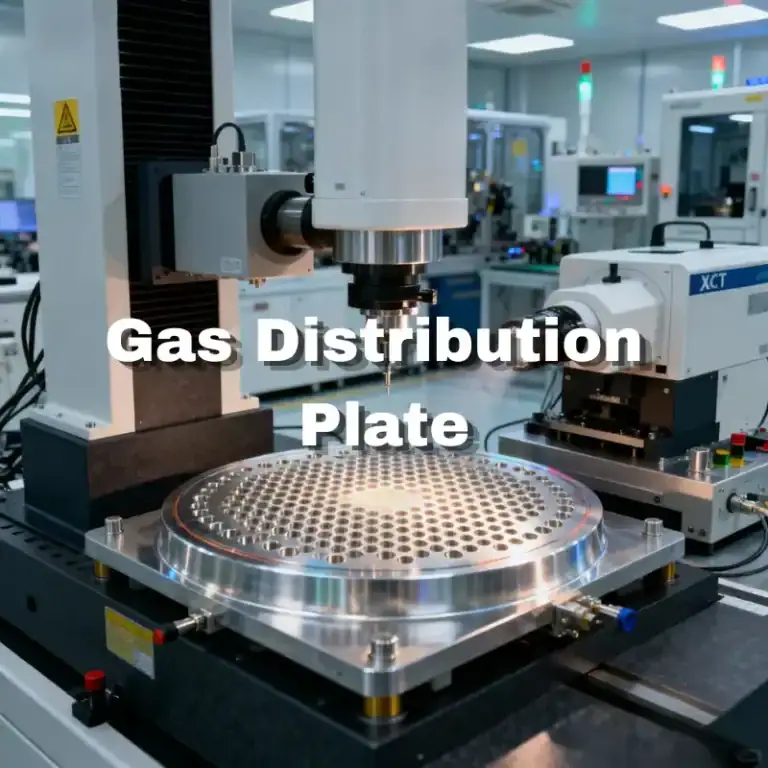
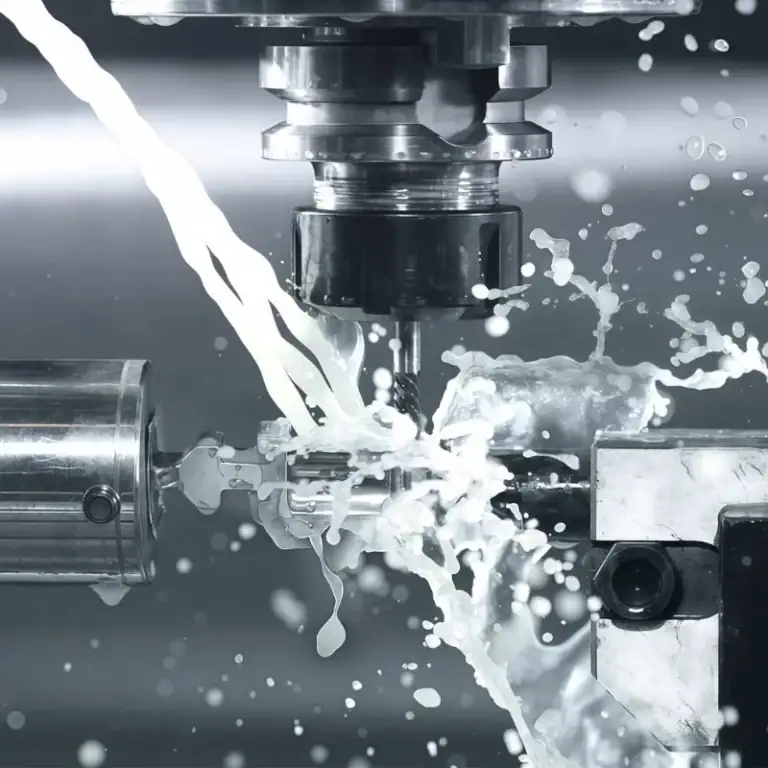
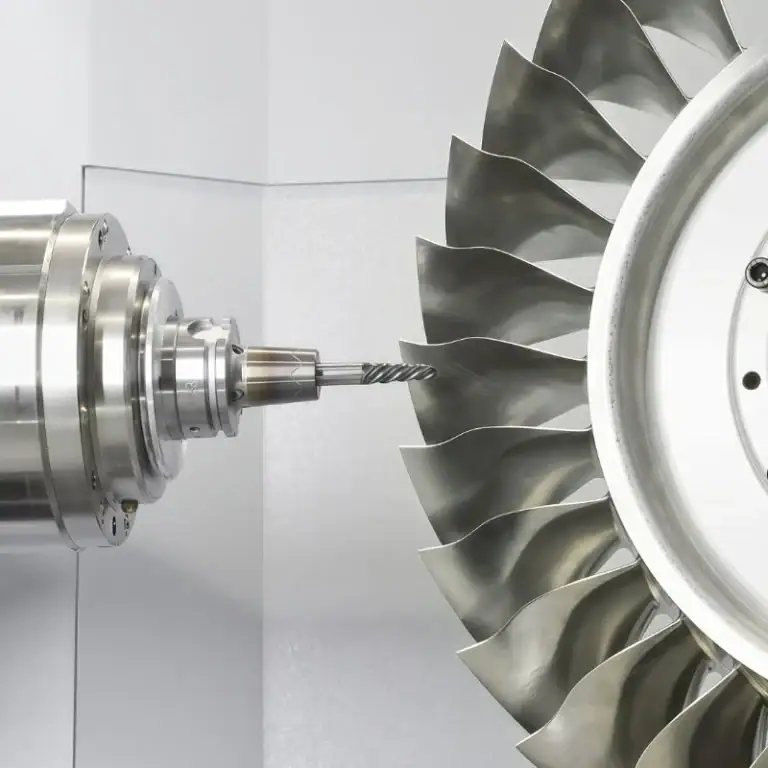
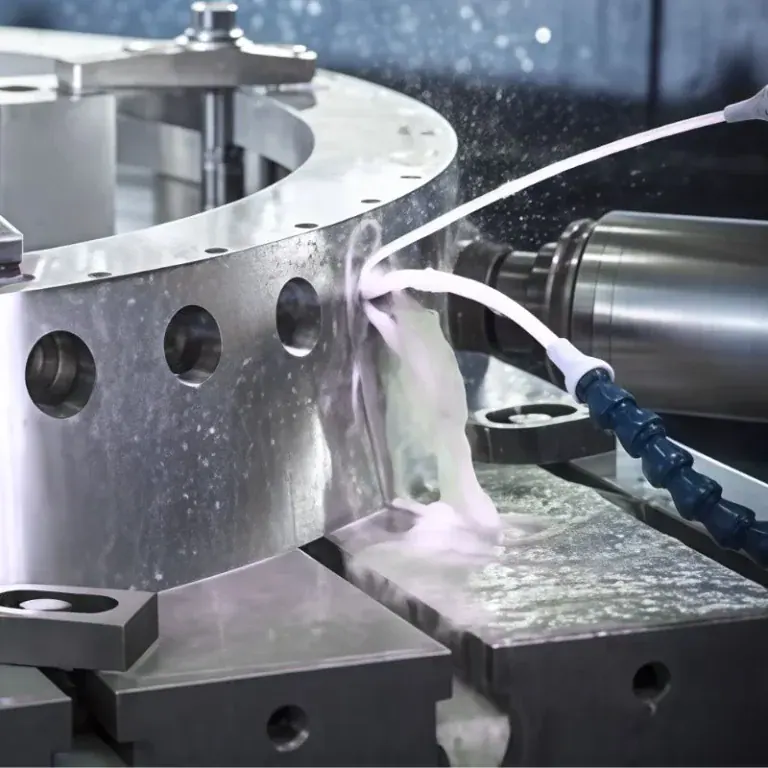
Parts machining for electronics manufacturers involves various components, including metal housings, internal brackets, heat dissipation structures, connectors, and precision hardware. Different part geometries, materials, and order quantities require different manufacturing processes. Relying on a single machining method may increase production costs or reduce assembly efficiency. When developing a manufacturing plan, companies need to consider product design, production volume, and precision requirements to select suitable processes such as sheet metal fabrication, CNC machining, injection molding, and automatic lathe machining. This helps ensure that components meet product development and production needs.
What Types of Parts Are Commonly Machined for Electronics Manufacturers?
Mechanical components used in electronic products vary widely. They include structural parts that provide protection and support, as well as small hardware components used for fastening and connection.
Housings and Internal Structural Components
These parts mainly protect electronic components, secure internal assemblies, and meet equipment installation requirements.
- Metal Housings and Enclosures: Commonly used in electronic equipment and industrial control products. Key considerations include sheet thickness, opening positions, and bending dimensions.
- Internal Brackets and Base Plates: Used to secure circuit boards and equipment components. Hole positions, installation space, and structural strength must be maintained.
- Plastic Housings: Manufacturing methods should be selected according to product shape, wall thickness, snap-fit features, and assembly structure.
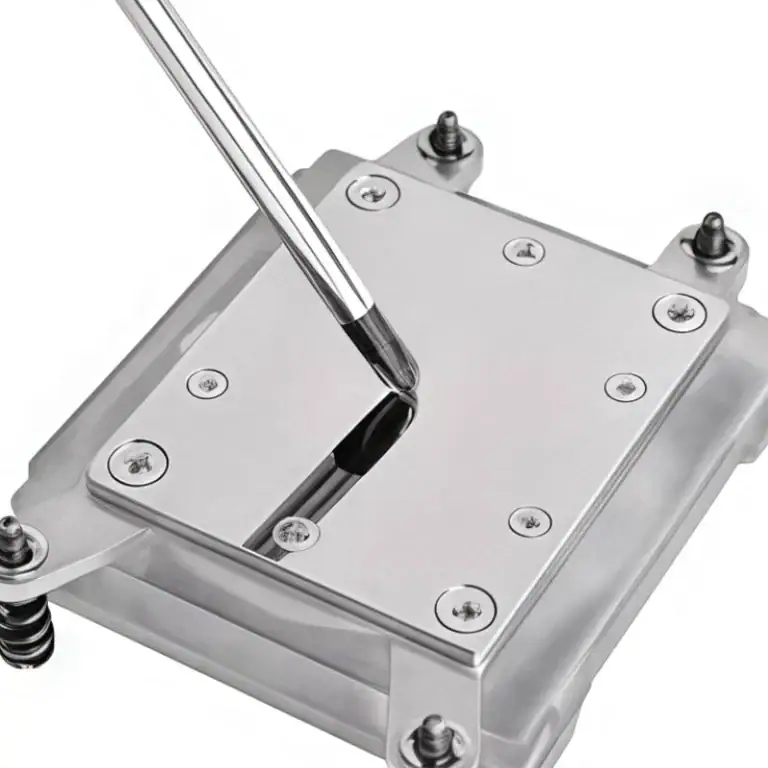
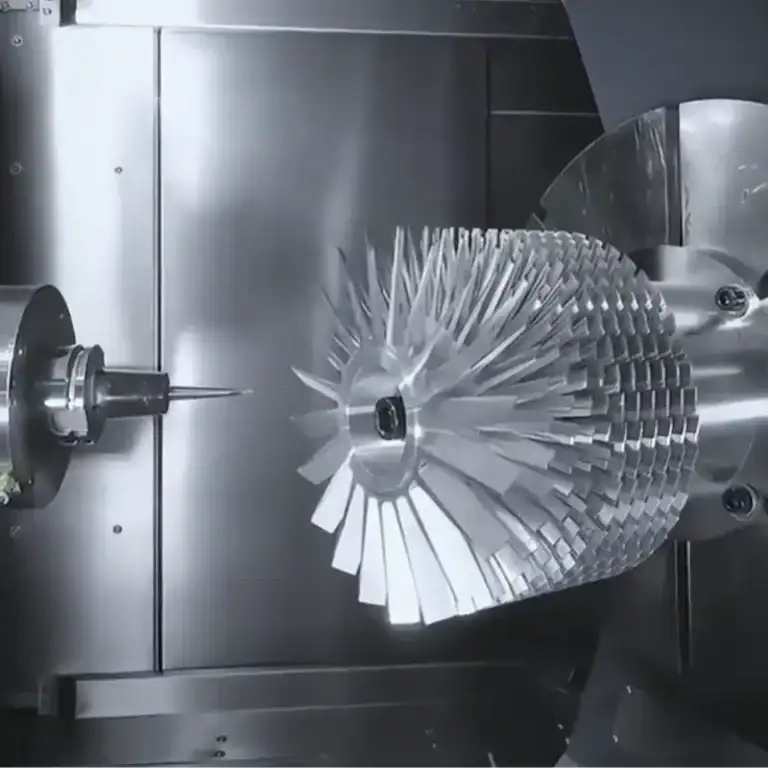
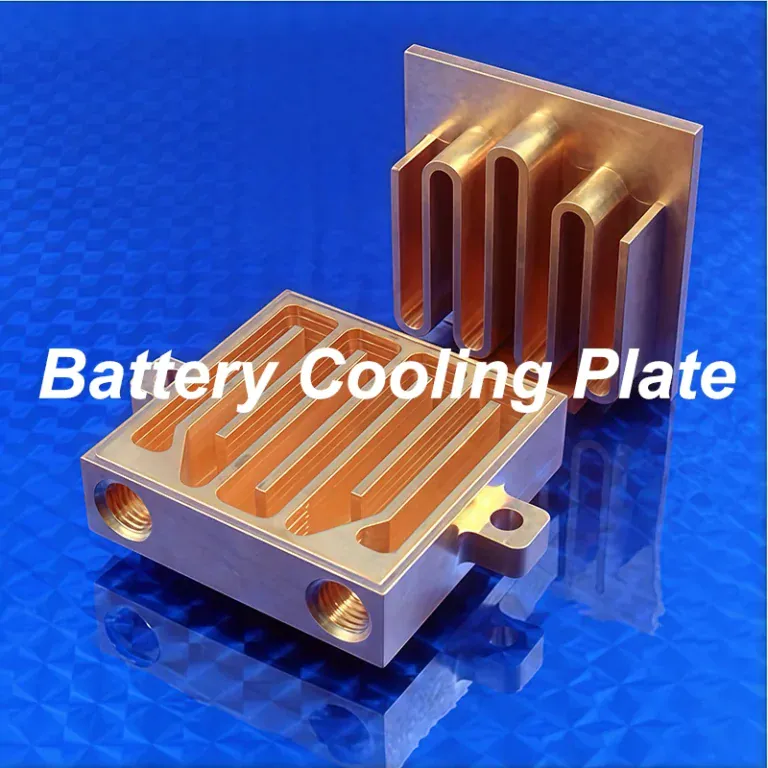
- Heat Sinks and Thermal Bases: Material, contact surfaces, and structural dimensions should be determined according to heat transfer requirements.
Different structural components require different manufacturing methods. Identifying their functions helps prevent unsuitable process selection.
Precision Hardware and Small Connectors
Electronic products also contain many small metal components with specific assembly requirements.
- Standoffs and Copper Spacers: Used to support, secure, and connect circuit boards. Their length, outer diameter, and thread dimensions require accurate control.
- Nut Columns and Pins: Mainly used for fastening and positioning, requiring accurate dimensional fits.
- RF Connectors: Require precise structural dimensions, coaxial alignment, and consistent machining quality.
Depending on their geometry, these components can be manufactured using automatic lathes or mill-turn machining. Dimensional consistency is particularly important in batch production.

How Should Electronics Manufacturers Select the Right Machining Processes?
Manufacturing methods should be selected according to material form, part geometry, production volume, and precision requirements. Different processes serve different manufacturing applications.
Match Manufacturing Processes to Part Types
The following table summarizes common electronic components and their corresponding manufacturing processes:
| Part Type | Common Manufacturing Processes | Key Considerations |
| Metal enclosures and housings | Laser cutting, stamping, bending, welding | Sheet thickness, openings, and bending dimensions |
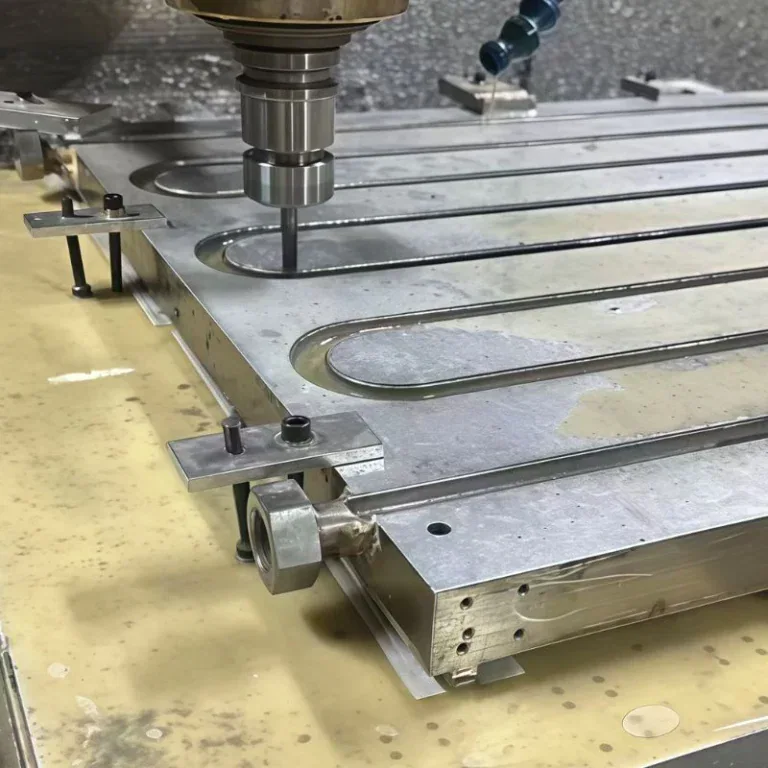
| Precision aluminum housings | CNC milling | Complex geometry, dimensional accuracy, and surface quality |
| Plastic housings | Injection molding | Mold design, wall thickness, and assembly structure |
| Internal mounting brackets | Sheet metal fabrication, CNC machining | Hole positions, positioning, and structural strength |
| Standoffs and copper spacers | Automatic lathe machining, mill-turn machining | Outer diameter, length, and thread accuracy |
| Heat sinks and thermal bases | CNC milling, precision machining | Material thermal conductivity and contact surface quality |
For conventional enclosures and flat brackets produced in large quantities, sheet metal fabrication is generally more suitable. Complex aluminum structures, precision mounting components, and customized small-batch parts can be manufactured using CNC machining according to the drawings.
Plan Manufacturing Processes According to Production Volume
Order quantity affects machining costs and production arrangements. During product design validation, CNC machining can be used to produce prototypes for checking and adjusting structural details and installation dimensions. Once production requirements become stable, metal housings can be evaluated for sheet metal fabrication, plastic housings can be produced through injection molding, and small connectors can be assigned to automatic lathe machining. Matching processes to production volume helps control unit costs and delivery schedules.
What Should Be Considered When Selecting Materials and Surface Treatments?
Material selection affects part strength, weight, machining processes, surface quality, and subsequent assembly performance.
Select Materials According to Function
Materials for electronic components should be selected according to their installation locations and product requirements.
- Aluminum Alloys: Commonly used for equipment housings, mounting structures, and heat dissipation components. Machinability and surface treatment requirements should be considered.
- Cold-Rolled Steel and Galvanized Steel Sheets: Suitable for enclosures, base plates, and internal brackets. Formability and protective requirements need attention.
- Stainless Steel: Can be used for structural components requiring corrosion resistance. The machining process should be selected according to material characteristics.
- Copper and Oxygen-Free Copper: Suitable for heat dissipation structures with demanding thermal conductivity requirements. Specific material selection should depend on thermal performance and machining conditions.
Material grades should be specified according to engineering drawings and actual performance requirements. Material names alone are not sufficient to determine whether a component is suitable for its intended application.
Select Surface Treatments According to Material Type
Different metals require different surface treatment processes. Aluminum components can undergo anodizing, sandblasting, or painting according to appearance and protection requirements. Steel components may require suitable electroplating or powder coating based on their operating environments. Stainless steel parts should be treated according to their material condition and application requirements. Before processing, threads, mating holes, and contact surfaces should be identified for protection to prevent coatings from affecting assembly dimensions.

How Should Electronics Manufacturers Choose a Parts Machining Supplier?
A supplier needs more than suitable equipment. It should also be capable of selecting appropriate manufacturing processes according to different part geometries and order requirements.
Evaluate Manufacturing Process Capabilities
Companies can focus on the following capabilities when evaluating potential suppliers:
- CNC Machining: Can the supplier manufacture complex aluminum structures, precision holes, and multi-sided components?
- Sheet Metal Fabrication: Does the supplier offer relevant processes such as cutting, stamping, bending, and welding?
- Precision Turning: Can it manufacture standoffs, copper spacers, and small connectors?
- Quality Inspection: Can it inspect critical dimensions, threads, and assembly positions according to engineering drawings?
Evaluating process capabilities based on actual component requirements is more useful than comparing equipment quantities alone.
Confirm Prototype and Batch Production Requirements in Advance
When requesting a quotation, buyers should provide engineering drawings, 3D models, material grades, surface treatment requirements, and order quantities. For components that are still undergoing design development, prototypes can be produced to verify dimensions and assembly performance. Before moving into batch production, companies should confirm process consistency, inspection requirements, and delivery arrangements to reduce rework during manufacturing.
Parts machining for electronics manufacturers requires manufacturing methods that match product structures and production volumes. Sheet metal fabrication, CNC machining, injection molding, and automatic lathe machining each serve different applications. Materials and surface treatments must also match component functions. TiRapid provides customized CNC machining services based on customer drawings and project requirements, supporting prototype development and batch production of precision structural components for electronic products.