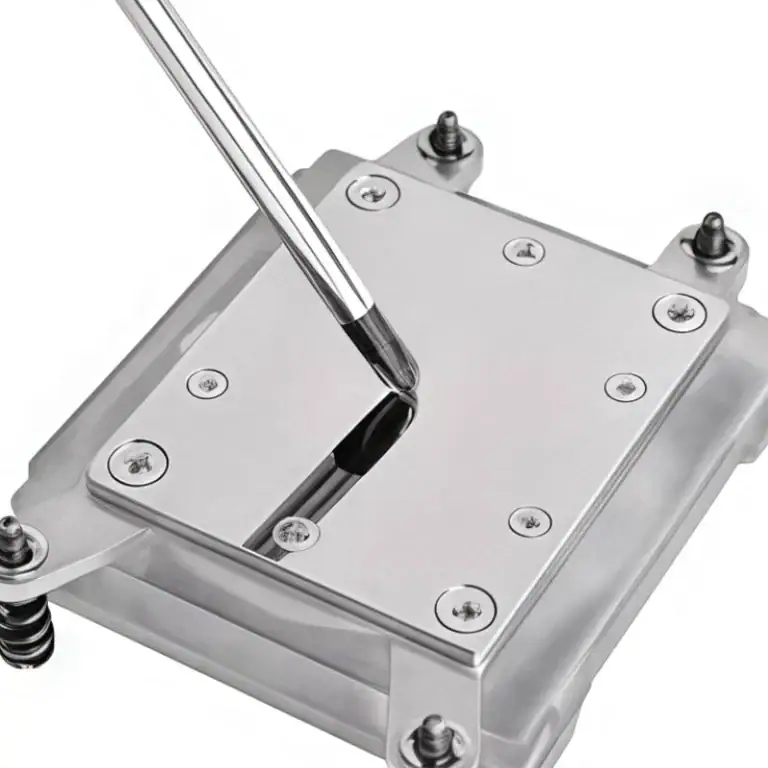
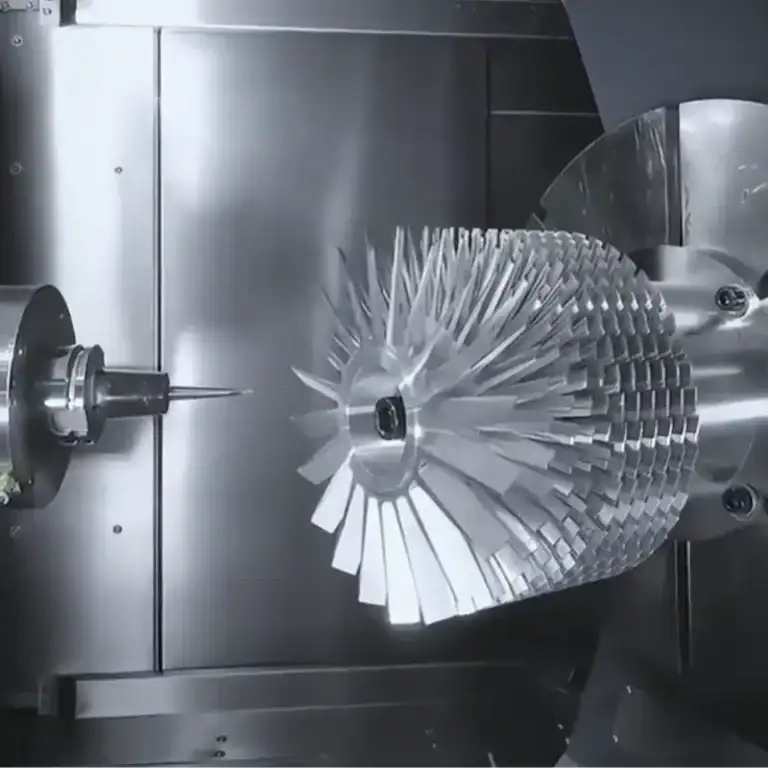
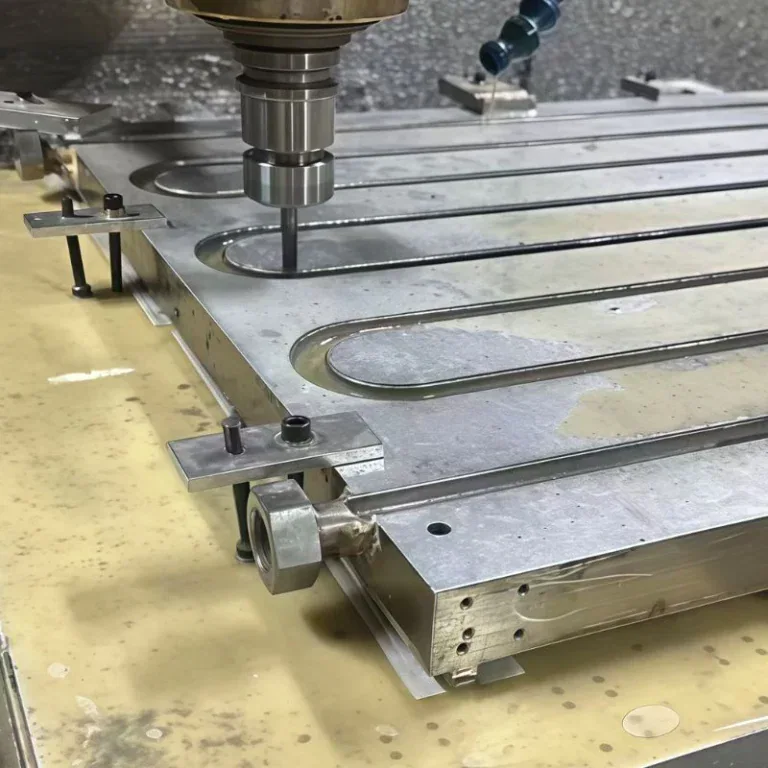
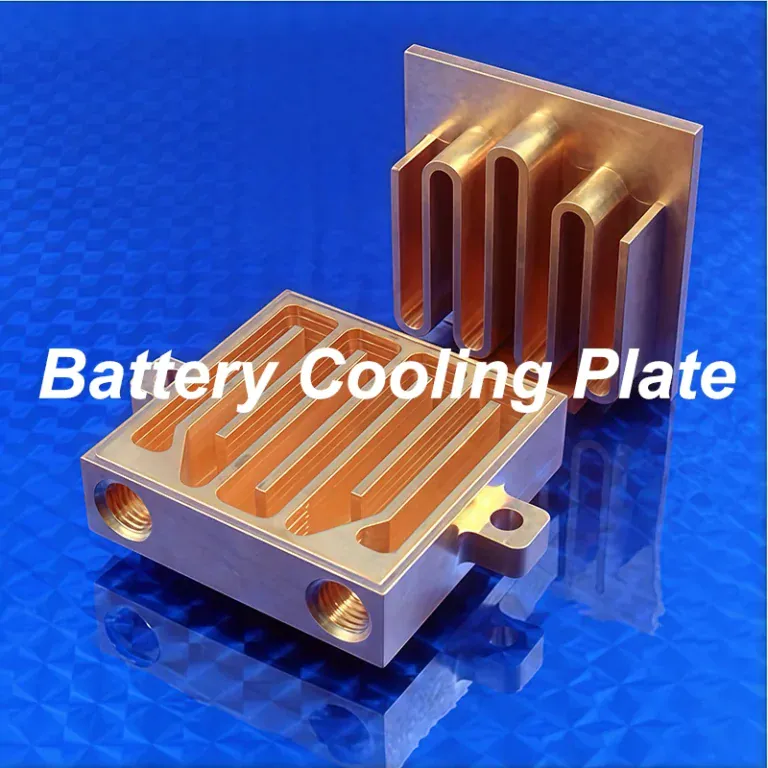
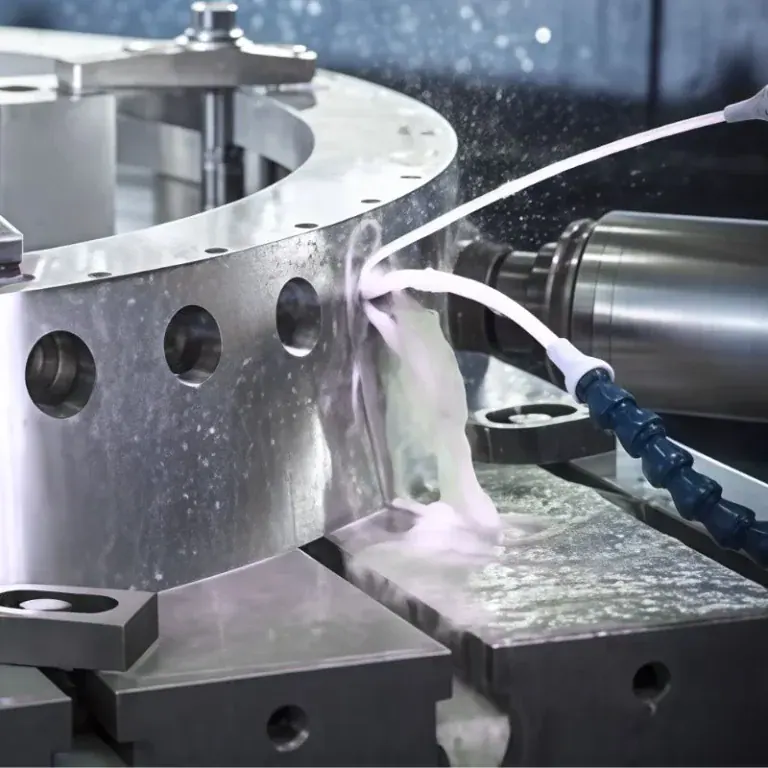
Advanced semiconductor packaging equipment contains many small components with complex structures. Although these parts may look insignificant, they directly affect equipment positioning, operation, and assembly. As advanced packaging moves toward smaller dimensions and higher integration, mounting platforms, precision fixtures, vacuum chambers, and connecting structures are becoming increasingly complex. Conventional machining methods may struggle to meet hole-position accuracy, surface quality, and dimensional requirements at the same time. Equipment manufacturers need components that match engineering drawings, fit properly during assembly, and maintain consistent quality across production batches. CNC machining can handle complex profiles and precision structures, providing a reliable solution for manufacturing advanced semiconductor packaging equipment components.
What Precision Components Are Required for Advanced Semiconductor Packaging Equipment?
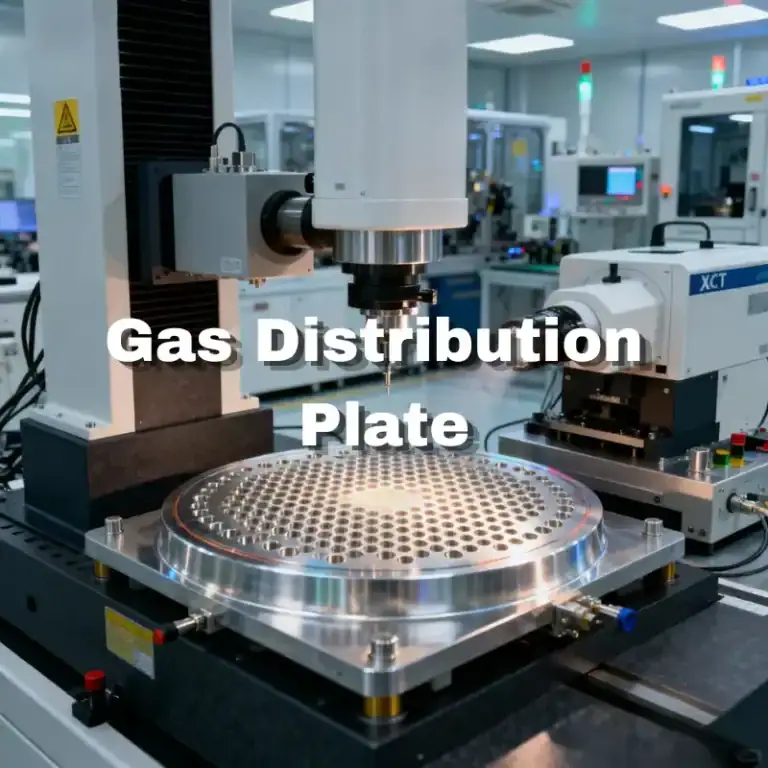
Advanced packaging includes technologies such as flip-chip packaging, wafer-level packaging, 2.5D packaging, and 3D packaging. The related equipment performs operations such as chip positioning, wafer handling, heating, bonding, and inspection. Internal components are more than simple metal brackets. Many feature precision holes, locating slots, sealing surfaces, and specialized connection points. Their dimensional requirements must be determined by their actual applications to ensure that finished parts can be installed correctly.
What Should Be Considered When CNC Machining Wafer Positioning Platforms?
Wafer positioning platforms provide stable support and positioning for wafers or related fixtures. Mounting holes, locating slots, and contact surfaces must maintain accurate positional relationships. If hole positions deviate from the design, fixtures may be installed incorrectly, affecting subsequent processing operations. Machining should focus on flatness, hole spacing, and surface roughness. Platform thickness also needs to be controlled to prevent deformation during production.
How Can Machining Quality Be Ensured for Semiconductor Packaging Vacuum Chambers?
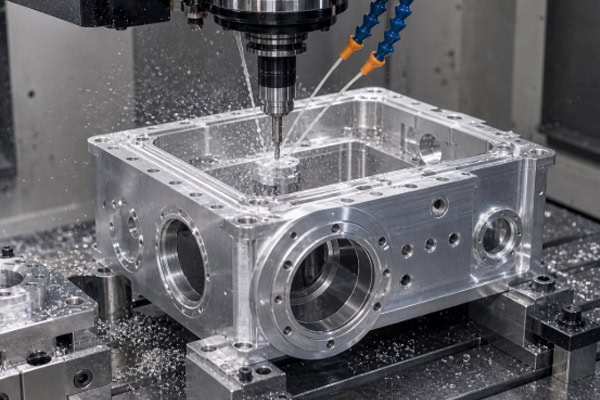
Vacuum chambers often contain internal cavities, connection holes, sealing grooves, and pipeline interfaces, making their structures relatively complex. Accurate external dimensions are important, but sealing surfaces must also remain sufficiently flat. Noticeable tool marks or local depressions may prevent sealing components from fitting properly. Rough machining and finish machining can be arranged in separate stages, with dimensional inspections after critical operations to reduce deformation caused by the release of internal material stress.
Which Precision Components Are Commonly Used in Advanced Packaging Equipment?
Different packaging machines have different structures, so their component machining requirements also vary. The following table lists several common components and the key features that equipment manufacturers should pay attention to.
| Component | Common Features | Key Machining Requirements |
| Wafer positioning platform | Locating holes, mounting slots, flat surfaces | Flatness, hole-position accuracy |
| Vacuum chamber | Internal cavities, sealing grooves, interfaces | Sealing surface, internal dimensions |
| Precision packaging fixture | Locating pin holes, complex profiles | Fitting dimensions, positional accuracy |
| Equipment mounting base | Steps, threaded holes, connecting surfaces | Hole spacing, flatness |
| Wafer handling structure | Lightweight profiles, connecting slots | Dimensional stability, structural strength |
Although these components serve different purposes, they share one important requirement: their machining results must match the overall equipment structure. Buyers should not focus only on whether the external shape meets specifications. Hole positions, connecting surfaces, and mating dimensions must also be accurate; otherwise, additional adjustments may be needed during assembly.
How Should CNC Machining Processes Be Selected for Complex Semiconductor Packaging Components?
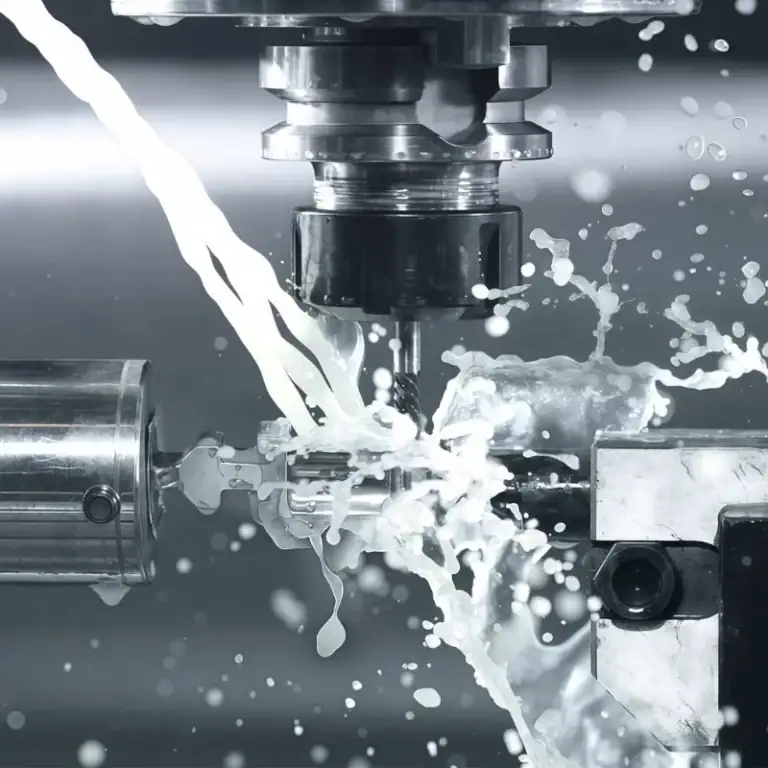
Metal components used in advanced packaging equipment often contain deep holes, narrow slots, stepped surfaces, and connections in multiple directions. Different structures require different machining methods, and a single process cannot handle every feature efficiently. Properly arranging turning, milling, drilling, and finishing operations can improve machining efficiency while reducing dimensional errors caused by repeated positioning.
How Does Multi-Axis CNC Machining Handle Complex Component Structures?
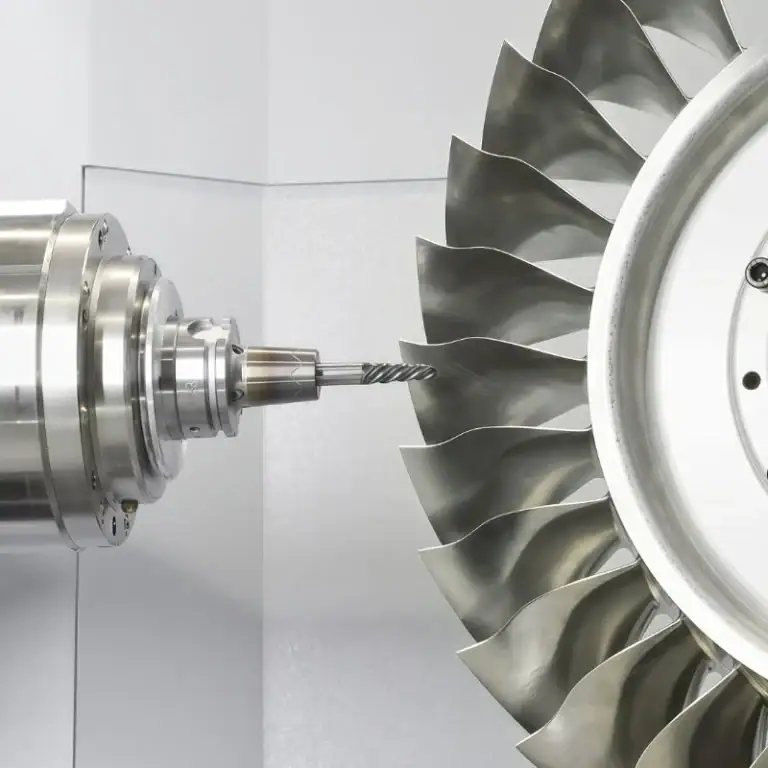
Standard three-axis machining is suitable for flat surfaces, straight slots, and conventional hole patterns. However, components with angled holes, multiple machined faces, or complex curved surfaces may require repeated repositioning. Four-axis and five-axis CNC machining can process features from different directions with fewer setups, reducing positioning errors. For packaging fixtures and equipment supports with multiple connecting surfaces, multi-axis machining helps maintain accurate relationships between different features.
How Can Machining Deformation Be Reduced in Aluminum Semiconductor Components?
Aluminum alloys are lightweight and relatively easy to machine, making them common materials for positioning platforms, mounting bases, and equipment structures. However, some components have thin walls or large hollow sections, making them sensitive to cutting forces and clamping pressure. Several measures can help reduce deformation during production:
- Control clamping force: Avoid excessive pressure that may cause the component to spring back after unclamping.
- Remove material in stages: Avoid removing too much material in a single operation to reduce localized stress changes.
- Leave finishing allowance: Allow stress to release after rough machining before processing critical dimensions.
For larger thin-wall components, the machining sequence also needs careful planning. Removing too much material from one side may create uneven stress and cause the part to deform.
Which Machining Methods Are Suitable for Stainless Steel and Other Metal Packaging Components?
Stainless steel offers good corrosion resistance and is suitable for equipment components that need to maintain structural stability or operate in demanding environments. However, it generally creates higher cutting resistance, so tool selection and cutting parameters must be carefully controlled. Components with precision holes and mating surfaces can be machined using CNC milling, drilling, and boring, followed by finishing operations based on drawing requirements. Common material and process options include:
| Material | Common Components | Suitable Machining Processes | Key Machining Considerations |
| Aluminum alloy | Positioning platforms, mounting bases | CNC milling, drilling | Control thin-wall deformation |
| Stainless steel | Connecting blocks, equipment structures | Milling, drilling, boring | Reduce tool wear |
| Carbon steel | Support parts, fixing structures | Milling, turning, drilling | Prevent corrosion |
| Engineering plastics | Insulating blocks, auxiliary fixtures | CNC milling, drilling | Control cutting heat and dimensional changes |
Choosing the right material can make subsequent machining much easier, but price should not be the only consideration. Equipment operating temperature, mechanical loads, cleanliness requirements, and installation conditions may all affect material selection. For components with special technical requirements, the material grade and surface treatment specifications should be confirmed before machining begins.
How Can CNC Machining Accuracy Be Controlled for Advanced Semiconductor Packaging?
The biggest challenge with precision components is not necessarily their complex shape, but ensuring that all machined features fit together correctly. For example, a locating hole may meet its diameter requirement, but if its distance from the reference surface is incorrect, assembly problems can still occur. Semiconductor packaging equipment is sensitive to dimensional fit, so accuracy must be controlled throughout positioning, cutting, and inspection rather than relying only on final product checks.
How Can Machining Errors Be Prevented in Precision Holes and Complex Slots?
Holes and slots are often used to install locating pins, bolts, and other functional components. Dimensional deviations can directly affect connection quality. The following practices can help improve machining accuracy:
- Use consistent machining datums to reduce repeated positioning.
- Apply finishing operations to critical holes.
- Monitor tool wear to prevent hole diameters from gradually increasing.
- Pay special attention to the inspection of closely spaced holes.
When multiple holes must maintain fixed spacing, their positional relationships should also be checked rather than measuring only individual diameters. This makes it easier to identify potential assembly problems before the components are delivered.
How Can Deformation Be Prevented in Precision Thin-Wall Components?
Some advanced packaging equipment components are designed with thin walls, hollow sections, or irregular shapes to reduce weight. These structures are more likely to experience vibration, local warping, and deformation after unclamping. Risks can be reduced through proper tool selection, adjusted cutting parameters, and staged machining. For critical mounting surfaces, it is advisable to leave an appropriate machining allowance after rough machining and complete the final dimensions during a finishing operation.
What Should Be Inspected After CNC Machining Semiconductor Equipment Components?
After machining, critical dimensions and surface conditions should be inspected against the engineering drawings. Common inspection items include:
- Dimensional inspection: Check external dimensions, hole diameters, slot widths, and thickness.
- Positional inspection: Verify hole spacing, parallelism, perpendicularity, and positional tolerances.
- Surface inspection: Check for burrs, scratches, tool marks, and machining residues.
- Cleanliness inspection: Remove chips, oil, and other residues from component surfaces.
For components with demanding accuracy requirements, coordinate measuring machines (CMMs) can be used to inspect complex features. If parts require subsequent surface treatments such as anodizing or passivation, dimensional changes before and after treatment should also be confirmed to prevent assembly issues.
What Information Is Needed for Custom Advanced Semiconductor Packaging Components?
Components used in advanced packaging equipment are usually customized according to specific machine structures. Different projects may have very different requirements for dimensions, tolerances, and materials. Buyers should prepare complete 2D engineering drawings and 3D models, including critical dimensions, material grades, surface roughness, and special treatment requirements. If components need to fit existing equipment, relevant connection dimensions and installation instructions should also be provided. Clear documentation makes it easier to confirm machining processes and quotations.

What Drawings Are Needed for a CNC Machining Quotation?
2D engineering drawings clearly specify dimensions, tolerances, hole positions, and technical requirements. 3D models make it easier to review complex profiles, internal structures, and assembly relationships. For deep cavities, irregular slots, and multi-face components, providing 3D files such as STEP is recommended to reduce misunderstandings during machining preparation.
How Should Production Quantities and Delivery Requirements Be Determined for Semiconductor Packaging Components?
Order quantities affect production planning and machining costs. In addition to the initial order quantity, buyers should specify whether ongoing purchases are expected and whether deliveries need to be arranged in separate batches. For new equipment projects, identifying priority components and their required delivery dates in advance can also help keep assembly schedules on track.
How Can Dimensional Consistency Be Maintained Across Production Batches?
Consistent batch production requires more than relying on the results of the first machined component. Machining datums, tool parameters, and inspection standards should remain consistent, with critical dimensions checked throughout production. For complex components or parts with tight tolerances, maintaining inspection records can help reduce dimensional variations between batches.
Advanced semiconductor packaging equipment places increasingly demanding requirements on component accuracy, structural stability, and surface quality. Complex holes and slots, thin-wall structures, and precision mating features all require carefully planned machining processes. Choosing the right CNC machining method can reduce assembly errors and help components maintain stable performance during operation. TIRAPID provides custom CNC machining services based on semiconductor equipment drawings, material specifications, and tolerance requirements. Contact us to discuss your machining needs and request a quotation.