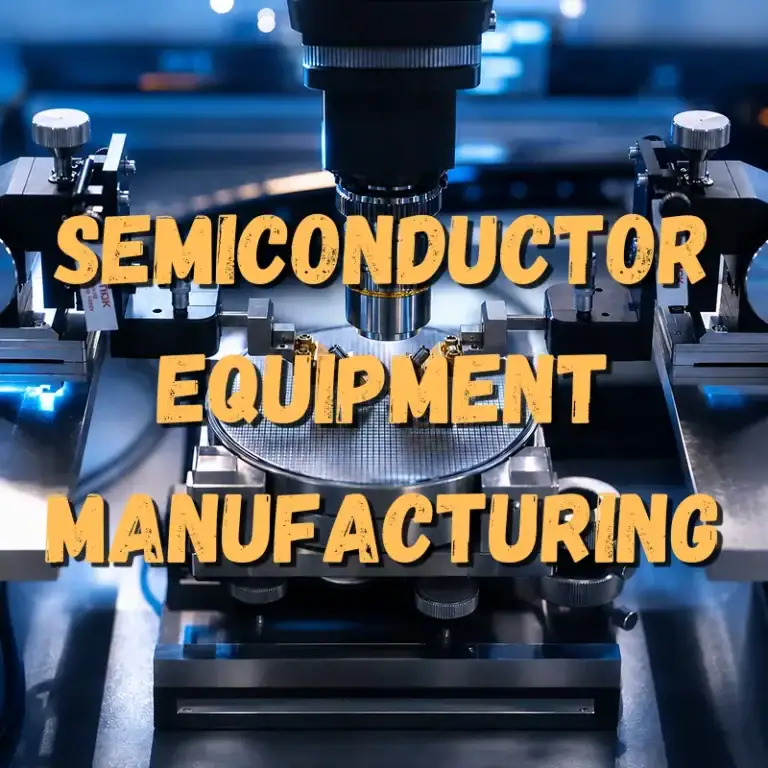
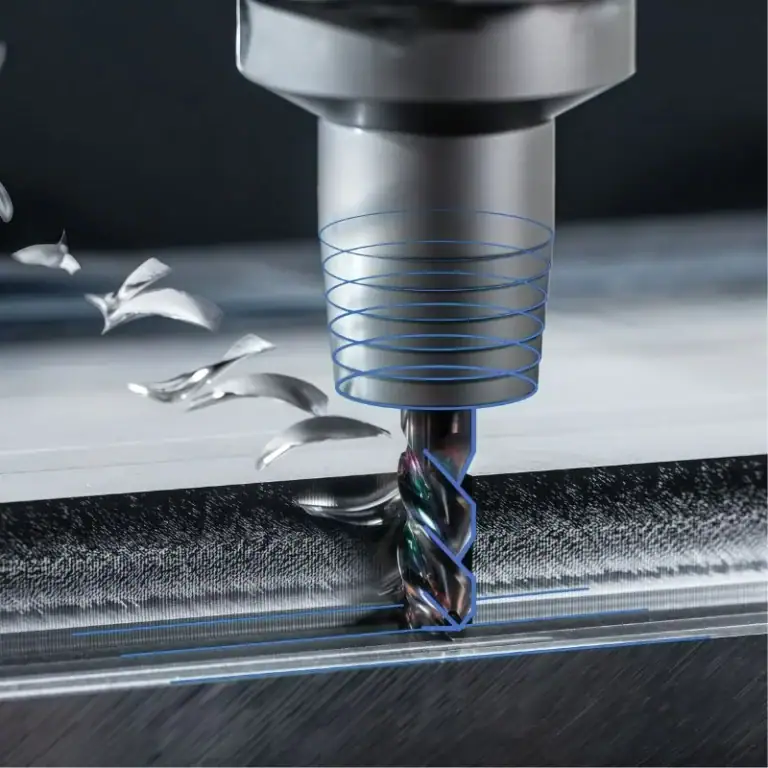
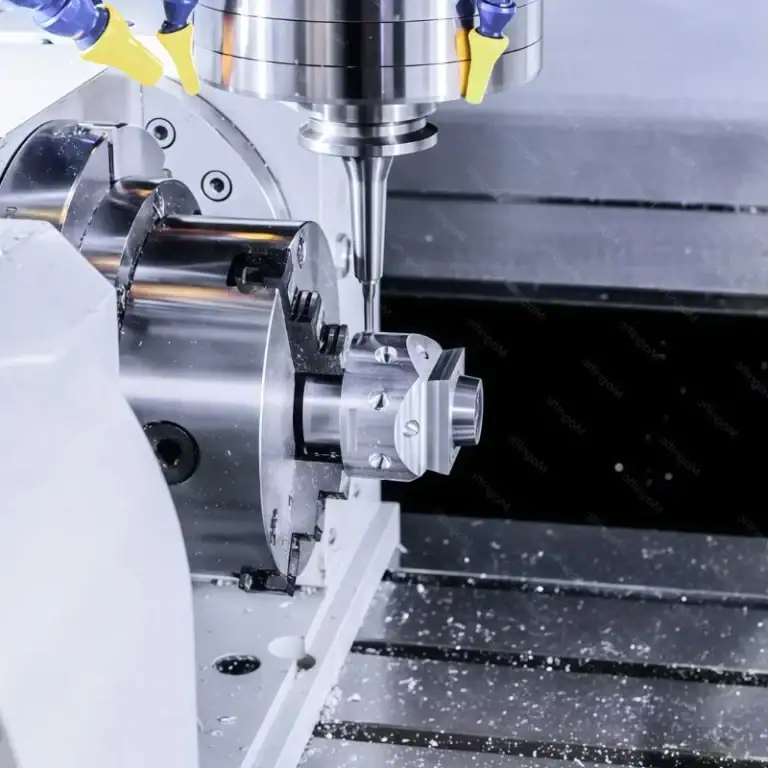
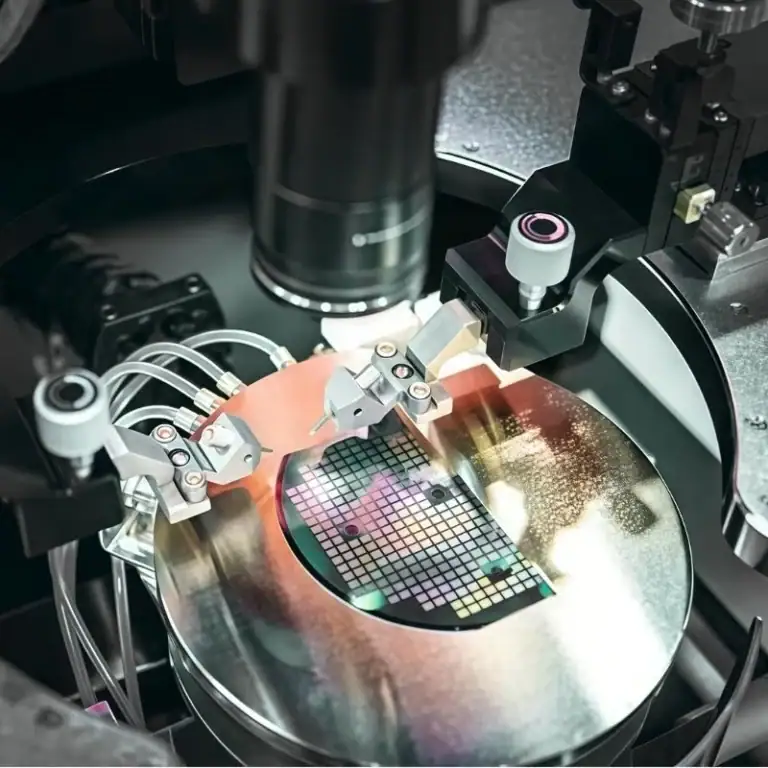
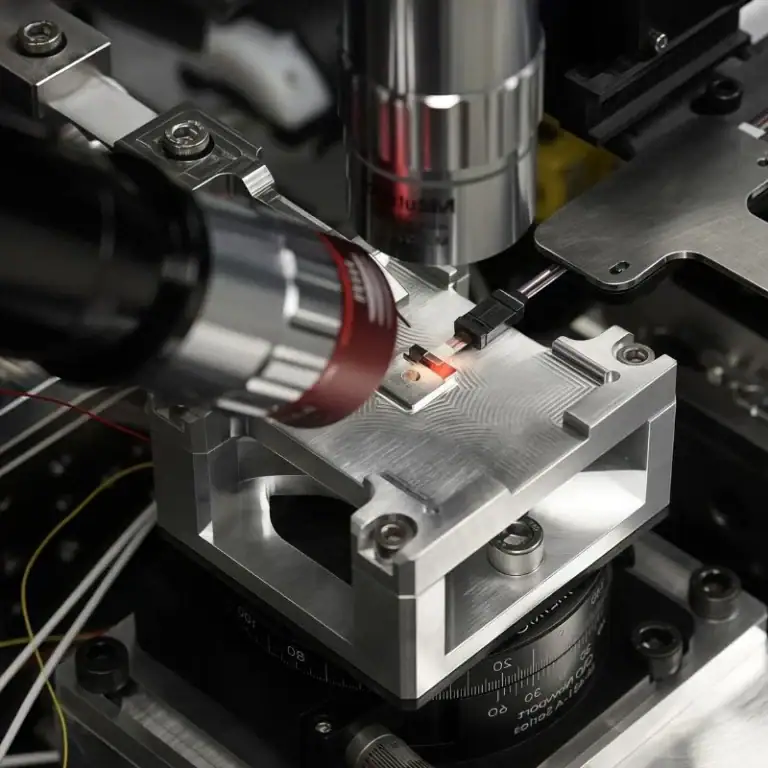
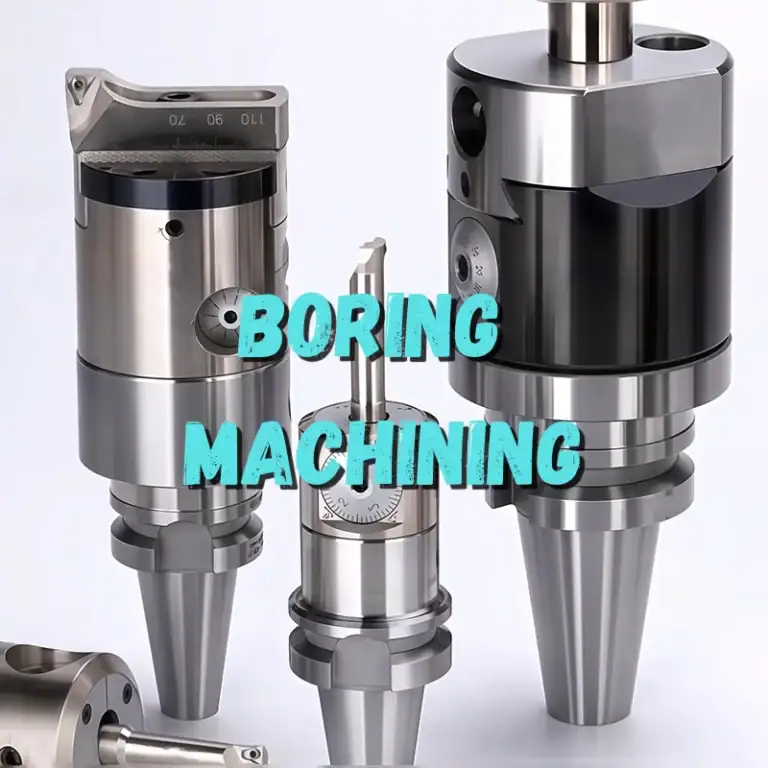
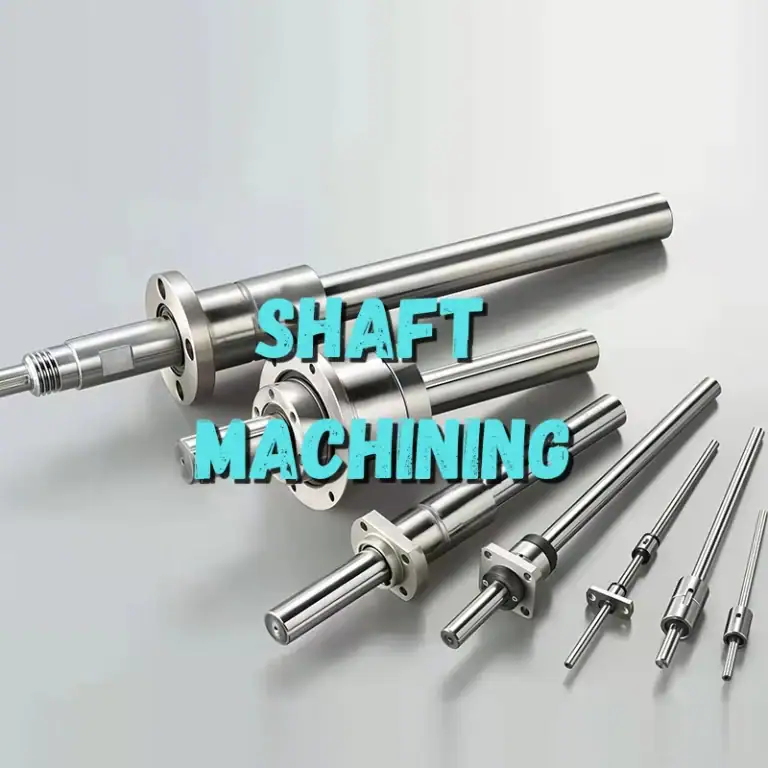
The stable operation of industrial equipment often depends on many small but critical components. Unlike standardized products, non-standard industrial equipment is usually customized based on specific customer requirements, production environments, and functional needs, which means the size, structure, and materials of its components can vary significantly. Traditional machining methods often face challenges such as long development cycles, high modification costs, and difficulty maintaining accuracy when dealing with these complex requirements. With its advantages in flexible programming, high-precision manufacturing, and multi-material processing capabilities, CNC machining has become an important solution for customized industrial equipment parts, helping companies improve equipment reliability and production efficiency.
Why Do Non-Standard Industrial Equipment Parts Require Professional Machining?
The biggest characteristic of non-standard industrial equipment parts is that there is no universal manufacturing standard. The same type of equipment may require completely different structural designs depending on the application environment, meaning manufacturers cannot simply follow fixed production processes. Instead, they need to analyze drawings, operating conditions, and equipment functions comprehensively. From complex brackets and precision connectors to special transmission components, every part can influence overall equipment performance. Professional CNC machining uses digital control and optimized processes to improve manufacturing accuracy and ensure smoother development of customized equipment.
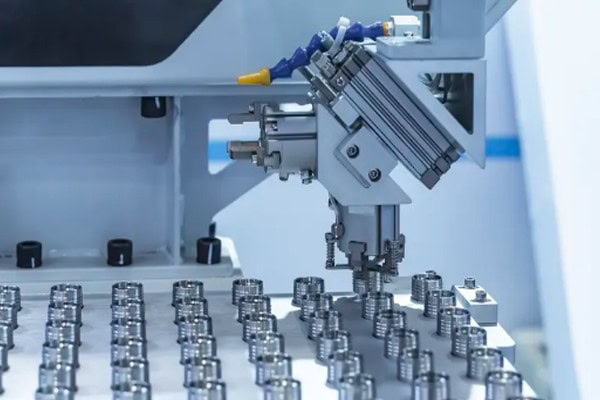
Meeting the Requirements of Complex Structural Parts
Non-standard equipment components are often not simple geometric shapes. Many parts contain irregular structures, deep holes, curved surfaces, and multi-angle machining positions, creating higher requirements for machining equipment and processes. If the machining method is not properly selected, production difficulties may increase and final assembly performance may be affected.
- Support manufacturing of complex shapes and special structures.
- Meet multi-sided machining and high-precision positioning requirements.
- Reduce dimensional errors caused by repeated fixturing.
- Increase design flexibility for customized components.
Through programmed tool path control, CNC machining can accurately manufacture complex structures, transforming advanced designs into practical components while improving machining efficiency and stability.
Ensuring Dimensional Accuracy and Assembly Performance
Non-standard industrial equipment parts usually need to work together with multiple components. Even small dimensional deviations may cause installation difficulties or affect long-term equipment operation. During machining, manufacturers must focus not only on appearance but also on critical dimensions and fitting accuracy.
- Control hole positions, spacing, and mounting dimensions.
- Improve matching accuracy between components.
- Reduce adjustment time during equipment assembly.
- Maintain stable equipment operation.
Precision CNC machining helps manufacturers achieve better part consistency, making equipment assembly smoother while reducing future maintenance and adjustment costs.
Adapting to Different Material Machining Requirements
Non-standard industrial equipment uses a wide range of materials depending on the operating environment, including aluminum alloys, stainless steel, copper alloys, titanium alloys, and engineering plastics. These materials differ greatly in hardness, wear resistance, and machining performance, requiring customized processing strategies.
- Aluminum alloys are suitable for lightweight structural components.
- Stainless steel is ideal for corrosion-resistant parts.
- Titanium alloys meet high-strength application requirements.
- Engineering plastics are used for special working environments.
CNC machining can adjust cutting tools, parameters, and processes according to material characteristics, providing suitable manufacturing solutions for different industrial equipment components.
How Does CNC Machining Solve Non-Standard Industrial Equipment Manufacturing Challenges?
Non-standard equipment projects usually involve short development cycles, frequent design changes, and uncertain production quantities. These factors create challenges during part manufacturing. With traditional production methods, even minor design modifications may require significant process adjustments, increasing both cost and lead time. CNC machining uses digital manufacturing methods to respond quickly to design changes while maintaining high accuracy, making it highly suitable for customized industrial equipment parts, small-batch production, and complex components.
Quickly Responding to Design Changes
During industrial equipment development, part structures often need adjustments based on testing results. If the machining method lacks flexibility, design changes may affect the entire project schedule.
- Quickly modify machining programs based on CAD drawings.
- Support rapid prototype production.
- Reduce modification costs.
- Accelerate equipment development and verification.
CNC machining helps companies quickly convert designs into physical parts, improving development efficiency and allowing equipment to move faster into testing and production stages.
Improving Small-Batch Manufacturing Efficiency
Many non-standard industrial equipment parts are produced in limited quantities but require high machining quality and precision. Traditional manufacturing methods may involve high tooling and preparation costs, while CNC machining requires less upfront investment and is better suited for customized production.
- Support single-piece and small-batch machining.
- Reduce production preparation time.
- Improve manufacturing flexibility.
- Lower initial development investment.
For equipment manufacturers, small-batch CNC machining reduces project risks while meeting production requirements at different development stages.
Improving Production Stability
Although non-standard parts are often produced in limited quantities, every component must meet strict design standards. CNC machines use programmed control to reduce variations caused by manual operations and maintain stable manufacturing performance.
- Reuse optimized machining parameters.
- Reduce human operation errors.
- Maintain consistent product quality.
Stable machining capabilities help companies better control project schedules and improve delivery reliability.
What CNC Machined Parts Are Commonly Used in Non-Standard Industrial Equipment?
Non-standard industrial equipment is widely used across different industries, and each application has unique requirements for components. From automated production lines and inspection systems to specialized industrial machinery, customized parts play an important role. CNC machining can manufacture various high-precision components based on equipment design requirements, ensuring strength, accuracy, and operational stability.
| Part Type | Common Materials | Machining Features |
| Precision Mounting Plates | Aluminum alloys, stainless steel | High dimensional accuracy, strict hole positioning |
| Equipment Connectors | Steel, copper alloys | High strength, stable assembly requirements |
| Automation Fixtures | Aluminum alloys, engineering plastics | Complex structures, fast customization |
| Transmission Components | Stainless steel, alloy materials | High wear resistance and precision requirements |
Although these customized parts have different applications, they all rely on reliable machining processes to ensure equipment performance.
Automation Equipment Part Machining
Automation equipment usually contains many precision structural components that require accurate coordination between parts. Even minor errors can affect equipment efficiency.
- Manufacture robotic arm connection components.
- Produce positioning fixtures.
- Create precision mounting structures.
CNC machining improves automation equipment stability and reduces downtime caused by component errors.
Industrial Inspection Equipment Part Machining
Inspection equipment requires extremely high part accuracy because structural stability directly affects measurement results.
- Ensure accurate installation positions.
- Improve equipment structural stability.
- Meet long-term operating requirements.
High-precision machining helps inspection equipment maintain reliable performance and improve overall efficiency.
What Are the Key Technical Requirements for Non-Standard Industrial Equipment Machining?
Non-standard industrial equipment machining is not simply about producing parts according to drawings. More importantly, it requires a suitable manufacturing strategy based on component structure, operating environment, and equipment requirements. From early process analysis to machining control and final inspection, every stage can influence the final performance of the part. For high-precision and complex components, an unsuitable machining approach may lead to dimensional deviations, assembly difficulties, and reduced service life. Professional CNC machining technology combined with effective process management can significantly improve the quality of customized industrial equipment parts.
Conducting Process Analysis Before Machining
Non-standard parts are highly customized, so manufacturers need to fully understand structural features and identify potential machining difficulties before production begins.
- Analyze whether the part structure is suitable for machining.
- Determine an optimized machining sequence.
- Evaluate material characteristics and machining challenges.
- Improve fixture and positioning methods.
Proper preparation reduces adjustments during production, improves efficiency, and lowers machining risks.
Strictly Controlling Accuracy During Machining
Industrial equipment components often operate continuously for long periods, requiring excellent dimensional stability and assembly precision. During CNC machining, proper parameter settings and process control are essential to ensure components meet design requirements.
- Control machining dimensional tolerances.
- Optimize cutting parameters for better surface quality.
- Monitor tool wear conditions.
- Reduce machining deformation.
A stable machining process improves component reliability, ensures smoother equipment operation, and reduces future maintenance costs.
Ensuring Quality Through Final Inspection
After machining, non-standard industrial equipment parts require strict inspection to confirm that all specifications meet actual application requirements. For precision components, visual inspection alone cannot guarantee long-term performance.
- Inspect critical dimensions and mounting positions.
- Check surface roughness and machining defects.
- Verify overall component consistency.
A complete quality inspection process helps identify potential issues and ensures the final parts provide stable performance.
Non-standard industrial equipment part machining requires strong capabilities in structural analysis, material selection, precision control, and production management. With advantages such as digital control, high-precision manufacturing, and flexible customization, CNC machining has become an essential solution for customized industrial equipment components. From simple structural parts to complex precision assemblies, a well-designed machining strategy can help companies improve equipment performance, shorten development cycles, and reduce maintenance costs. Tirapid specializes in CNC precision machining services, providing high-quality non-standard industrial equipment part machining solutions to help companies achieve more stable and efficient equipment manufacturing.