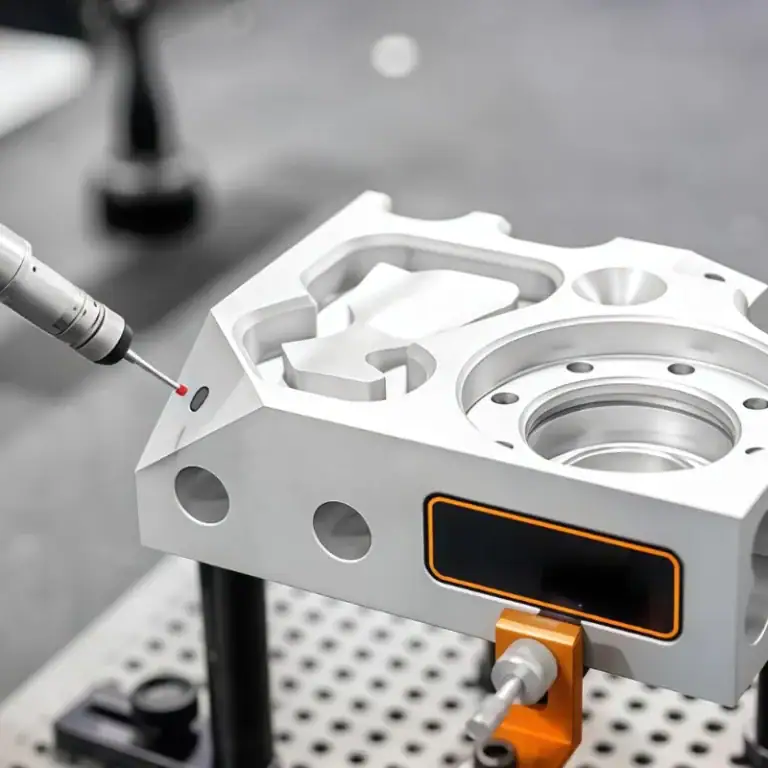
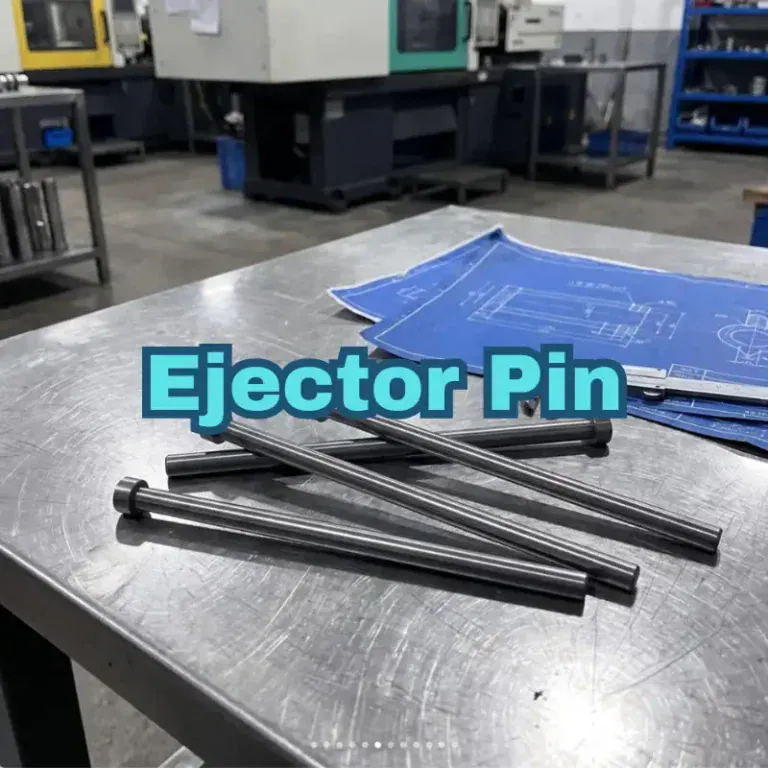
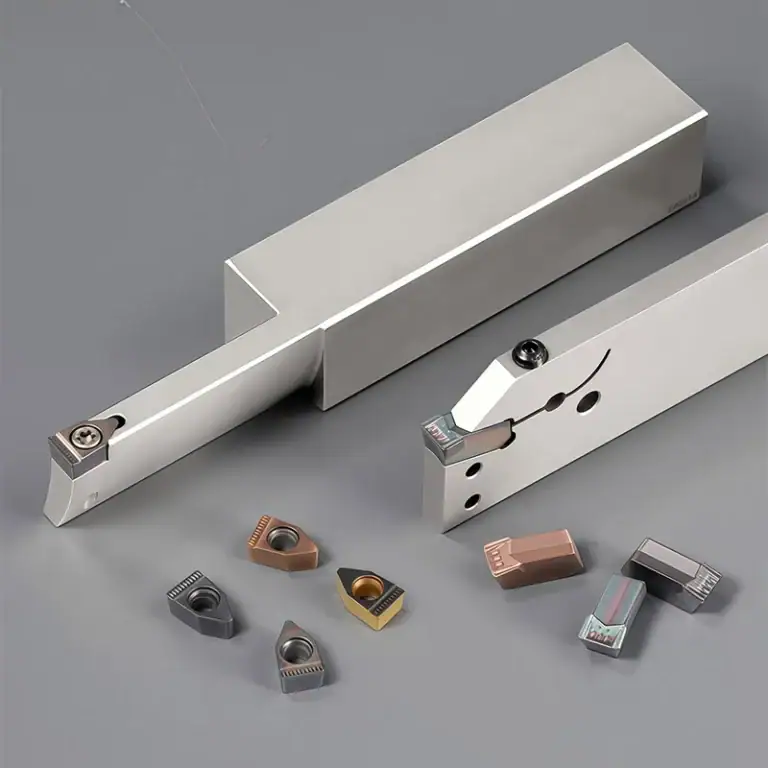
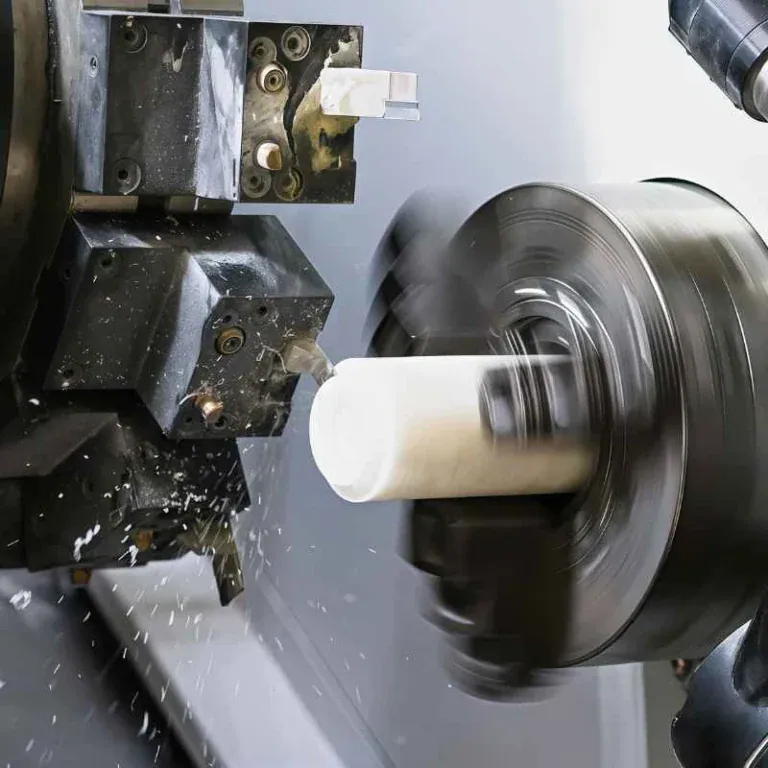
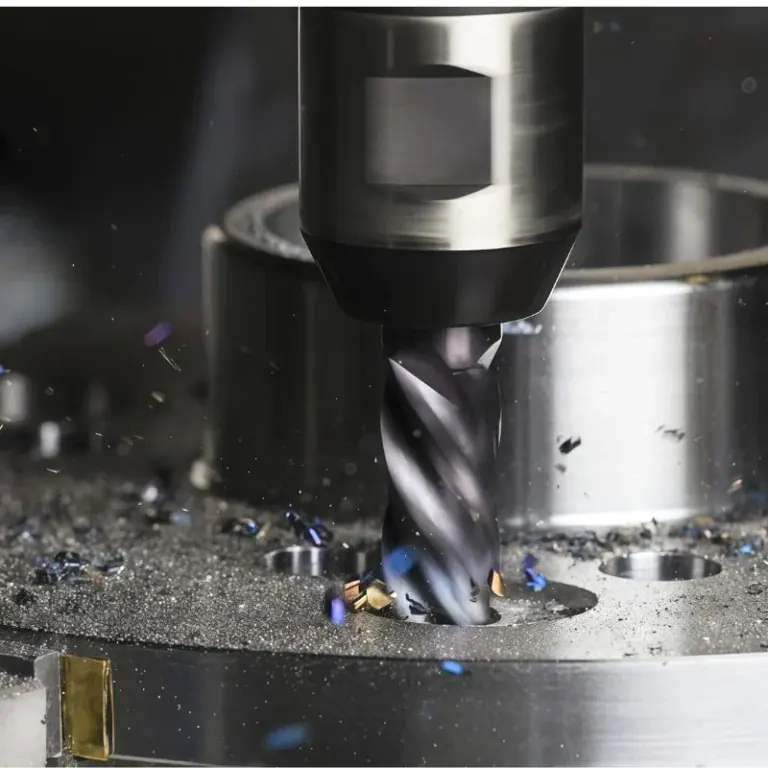
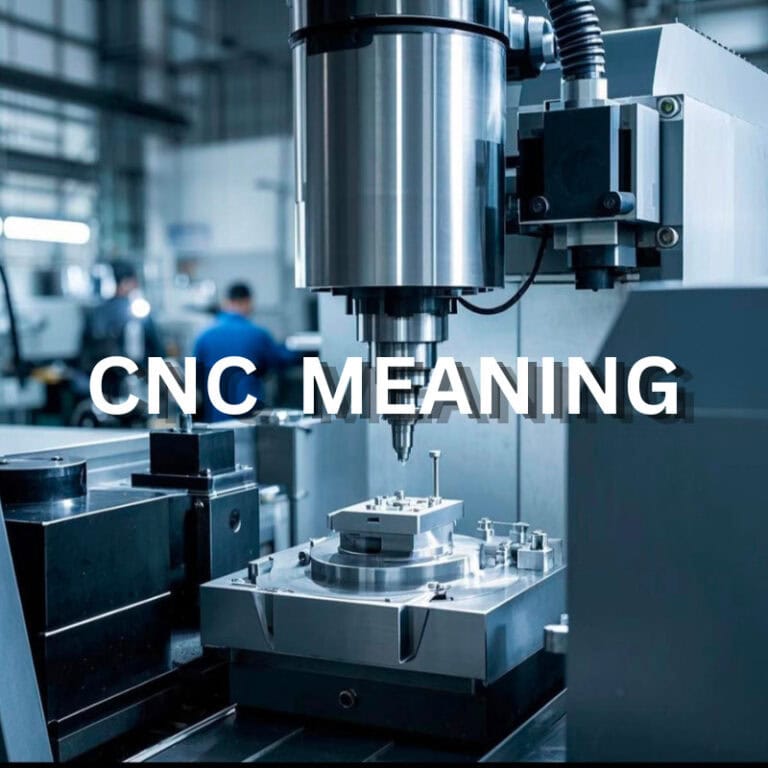
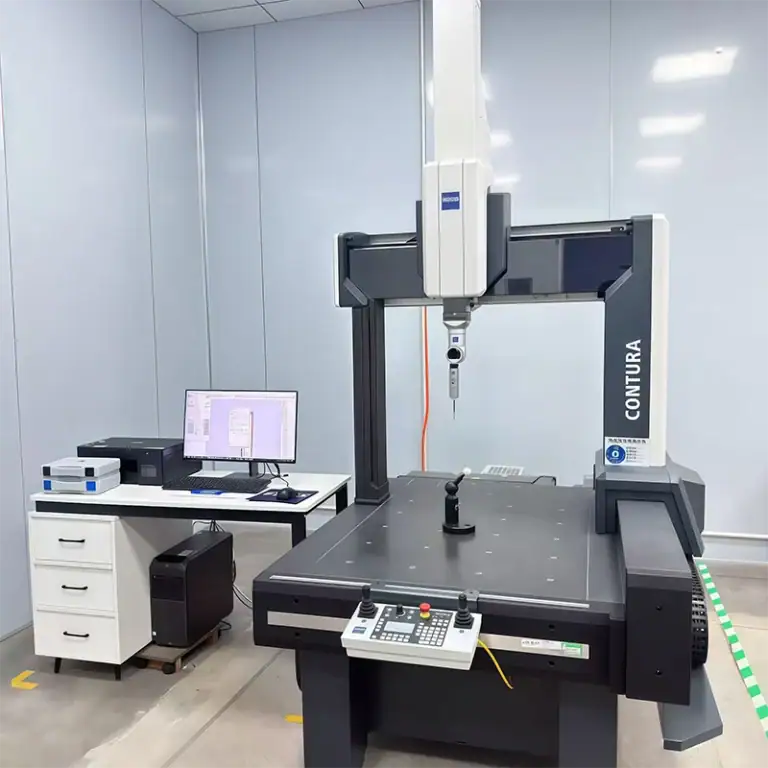
In the oil and gas industry, equipment often operates under extreme conditions such as high temperature, high pressure, and corrosive environments. A failure in a critical component can affect the stability and safety of the entire production system. Compared with ordinary industrial parts, components used in oil and gas equipment, including valve assemblies, connectors, sealing components, and control parts, require not only accurate dimensions but also excellent strength, corrosion resistance, and long-term reliability. As oil and gas equipment continues to advance, traditional machining methods are often unable to meet the requirements of complex structures and high-performance components. With advantages such as precise control, flexible production, and multi-material processing, CNC machining has become an important solution for manufacturing oil and gas equipment parts.
Why Do Oil and Gas Equipment Parts Require High-Precision Machining?
Oil and gas equipment is commonly used in demanding environments, including drilling systems, pipeline systems, pressure control equipment, and production facilities. These applications expose components to pressure changes, temperature fluctuations, and chemical corrosion, creating higher requirements for part performance. Manufacturing these parts is not only about meeting dimensional requirements but also about considering material properties, assembly accuracy, and long-term operational stability. Through CNC machining technology, manufacturers can use digital process control to improve part consistency and help oil and gas equipment maintain more reliable performance.

Meeting the Requirements of Complex Structural Parts
Many oil and gas equipment components have complicated structures, such as valve bodies, connectors, positioning components, and special sealing parts. These parts often include precision holes, internal channels, and multi-angle machining areas. Traditional machining methods may face challenges such as unstable accuracy and higher manufacturing difficulty.
- Support machining of complex surfaces, deep holes, and irregular structures.
- Enable multi-process manufacturing while reducing repeated setups.
- Improve flexibility for customized part designs.
- Meet special requirements for customized equipment.
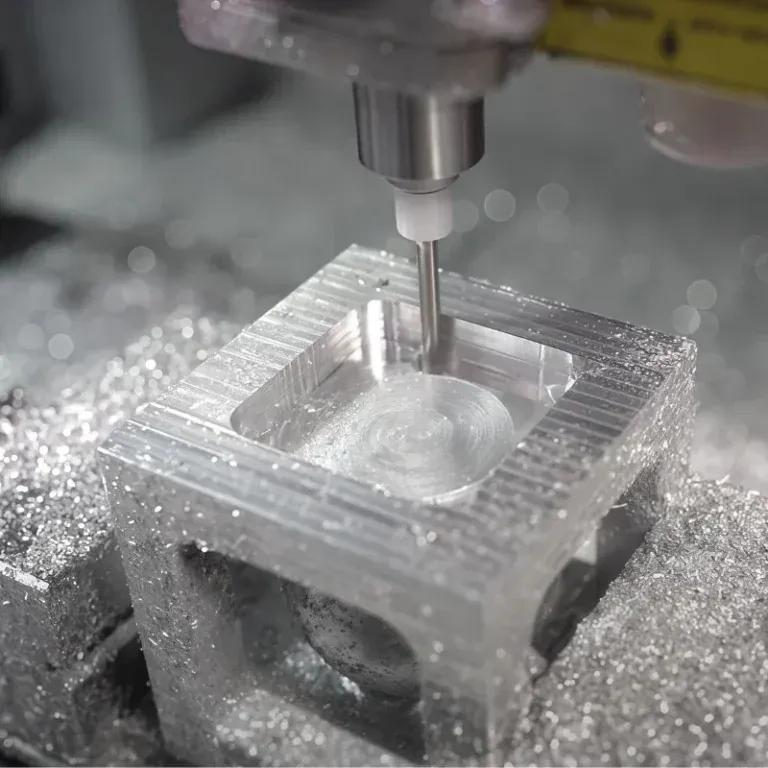
CNC machining can accurately control tool paths based on 3D models, allowing complex components to achieve more stable machining results while reducing potential manufacturing errors.
Ensuring Long-Term Equipment Reliability
Oil and gas equipment often operates continuously for extended periods. Components must withstand mechanical loads, vibration, friction, and environmental changes. Even small dimensional variations may affect assembly performance and increase maintenance requirements.
- Improve dimensional consistency of components.
- Reduce wear problems during equipment operation.
- Ensure accurate fitting between parts.
- Extend the service life of equipment.
A stable CNC machining process helps manufacturers produce more reliable components, allowing oil and gas equipment to maintain excellent performance in challenging operating environments.
Supporting Various Material Machining Requirements
The oil and gas industry has strict requirements for material performance. Different components require different materials depending on their working conditions. Some parts need high strength, some require corrosion resistance, while others need lightweight structures.
- Stainless steel is suitable for corrosion-resistant applications.
- Titanium alloys meet high-strength component requirements.
- Aluminum alloys support lightweight structural designs.
- Engineering plastics are suitable for sealing and insulation parts.
CNC machining can adjust tooling, cutting parameters, and manufacturing processes according to material characteristics, improving machining quality for various oil and gas equipment components.
How Does CNC Machining Improve Oil and Gas Equipment Part Manufacturing Efficiency?
Oil and gas equipment manufacturing often involves a large number of customized components. Different projects may require different structures, materials, and operating conditions. Traditional manufacturing methods can struggle with small-batch production and multiple part variations, resulting in longer lead times and higher adjustment costs. CNC machining uses digital manufacturing processes to quickly respond to design requirements while maintaining high accuracy and production flexibility. For oil and gas equipment projects that require rapid development and customized production, CNC technology provides an effective way to balance efficiency and quality.
Accelerating Customized Part Production
Oil and gas projects often require component adjustments based on actual operating environments. Manufacturers need the ability to respond quickly to design changes. CNC machining eliminates the need for complex tooling preparation and can produce parts directly from digital drawings.
- Shorten prototype production cycles.
- Support rapid machining after design modifications.
- Reduce preparation time before production.
- Improve project development efficiency.
Flexible CNC manufacturing helps companies complete part testing and equipment upgrades faster, reducing waiting time and improving project progress.
Improving Small-Batch Manufacturing Capability
Many critical oil and gas components are not produced in large quantities but require high quality and reliability. CNC machining is well suited for customized, small-batch, high-precision manufacturing.
- Support single-piece and small-batch production.
- Reduce tooling investment costs.
- Improve production flexibility.
- Simplify future product improvements.
For oil and gas equipment manufacturers, small-batch CNC machining reduces development risks while meeting different project requirements.
Improving Machining Process Stability
Oil and gas equipment components require high safety standards, and any manufacturing variation may affect final performance. CNC machines use programmed control to reduce differences caused by manual operation.
- Maintain stable machining parameters.
- Reduce the impact of human errors.
- Improve consistency in batch production.
A stable machining process helps companies produce more reliable components and improves the overall safety of oil and gas equipment.
What CNC Machined Parts Are Commonly Used in Oil and Gas Equipment?
The oil and gas industry covers exploration, extraction, transportation, storage, and processing, with different equipment requiring different types of components. From high-pressure valves to connection parts and sealing structures, each component plays an important role in equipment operation. CNC machining can manufacture parts with different materials and structures according to application requirements, helping improve equipment performance and reliability.
| Part Type | Common Materials | Main Machining Requirements |
| Valve Components | Stainless steel, alloy steel | Precision holes and sealing performance |
| Pipeline Connectors | Stainless steel, titanium alloys | High strength and corrosion resistance |
| Sealing Support Parts | PTFE, PEEK | Dimensional stability and chemical resistance |
| Control Equipment Housings | Aluminum alloys, stainless steel | Structural accuracy and surface quality |
Although these components serve different purposes, they all rely on stable machining processes to ensure safe equipment operation.
Valve and Control Component Machining
Valves are critical components in oil and gas equipment, controlling fluid pressure and flow conditions. Their internal structures are often complex and require high machining accuracy.
- Ensure accurate internal channel dimensions.
- Improve sealing performance.
- Reduce the risk of fluid leakage.
CNC machining enables the production of stable and reliable valve components, improving the safety and efficiency of oil and gas systems.
High-Strength Connector Machining
Connectors must withstand pressure and vibration during equipment operation, requiring both strong materials and precise dimensions.
- Ensure accurate installation dimensions.
- Improve structural load capacity.
- Enhance long-term operational stability.
A properly designed CNC machining solution helps connectors meet the requirements of demanding industrial environments.
What Key Factors Should Be Considered in CNC Machining of Oil and Gas Equipment Parts?
Manufacturing oil and gas equipment components is not simply about completing machining operations. A complete solution requires consideration of the actual working environment and application requirements. From material selection and process planning to final inspection, every step affects part performance. Especially for components operating under high pressure and corrosive conditions, insufficient process control may impact equipment safety. During CNC machining, manufacturers need to fully evaluate part structures and operating requirements to ensure components can meet long-term service expectations.
Developing Proper Machining Plans
Oil and gas equipment parts often have complex structures, requiring careful analysis before machining begins to prevent unnecessary production issues.
- Determine optimized machining sequences.
- Select suitable tooling solutions.
- Improve part fixturing methods.
- Reduce risks of machining deformation.
A well-planned process improves production efficiency while ensuring more stable machining results.
Strengthening Quality Control During Machining
During production, manufacturers need to continuously monitor equipment conditions, tool performance, and dimensional changes to identify potential issues early.
- Inspect critical dimensional changes.
- Monitor tool wear conditions.
- Adjust machining parameters when necessary.
Strict process control reduces manufacturing risks and improves overall part reliability.
Focusing on Surface Quality
Some oil and gas components are exposed to special media for long periods, making surface quality an important factor affecting service life and performance.
- Reduce surface defects.
- Improve corrosion resistance.
- Enhance overall component performance.
Combining proper surface treatment with stable CNC machining processes can further improve the reliability of oil and gas equipment components.
High-precision machining of oil and gas equipment parts requires strict control over material selection, structural design, and manufacturing stability. With advantages such as digital control, complex structure machining capabilities, and flexible production, CNC machining effectively meets the needs of the oil and gas industry for high-performance components. From valve assemblies and connection parts to specialized sealing structures, a reliable machining solution helps companies improve equipment reliability, reduce maintenance costs, and increase overall production efficiency. Tirapid specializes in CNC machining services, providing high-quality part machining solutions for the oil and gas industry.