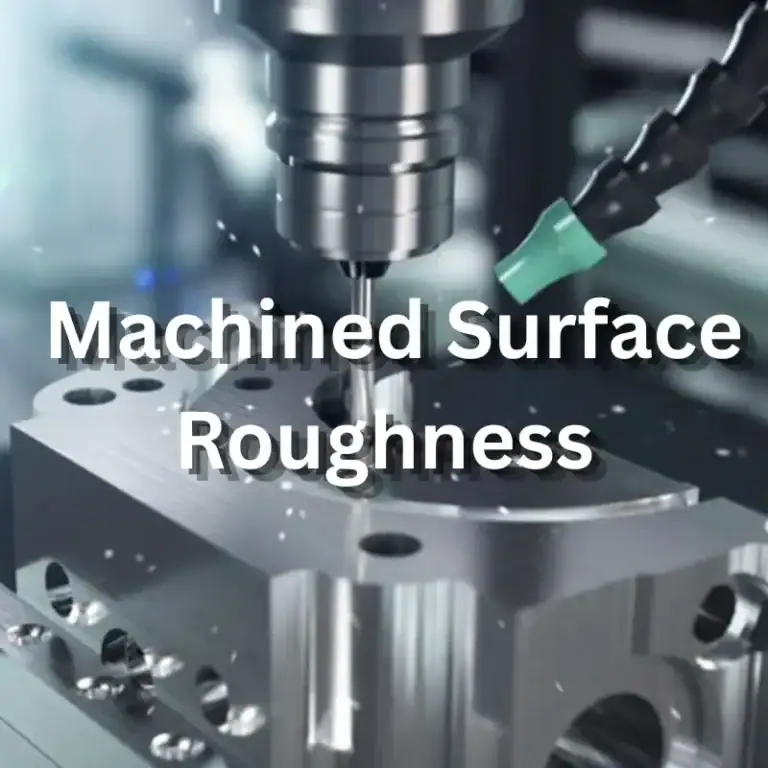
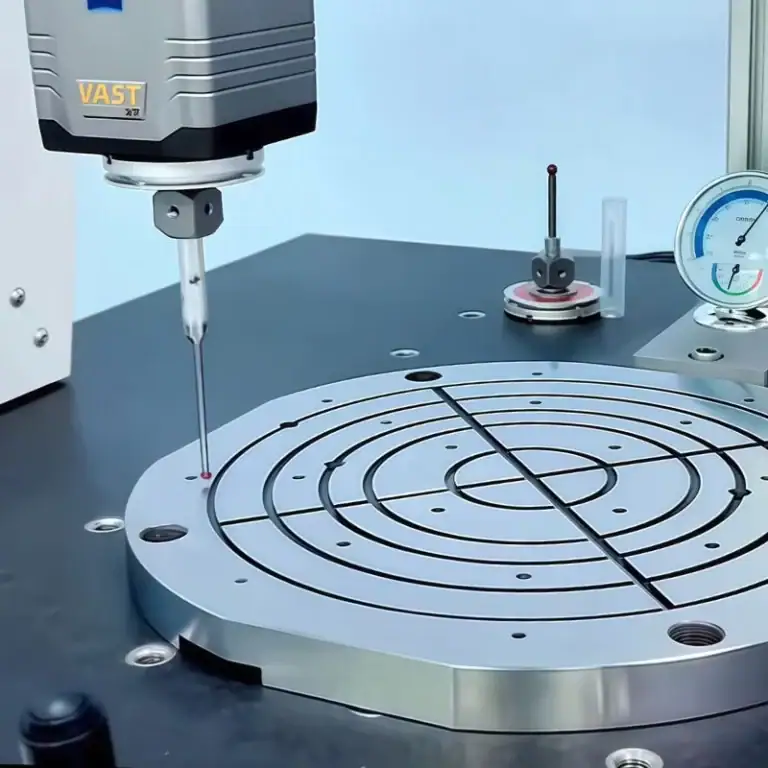
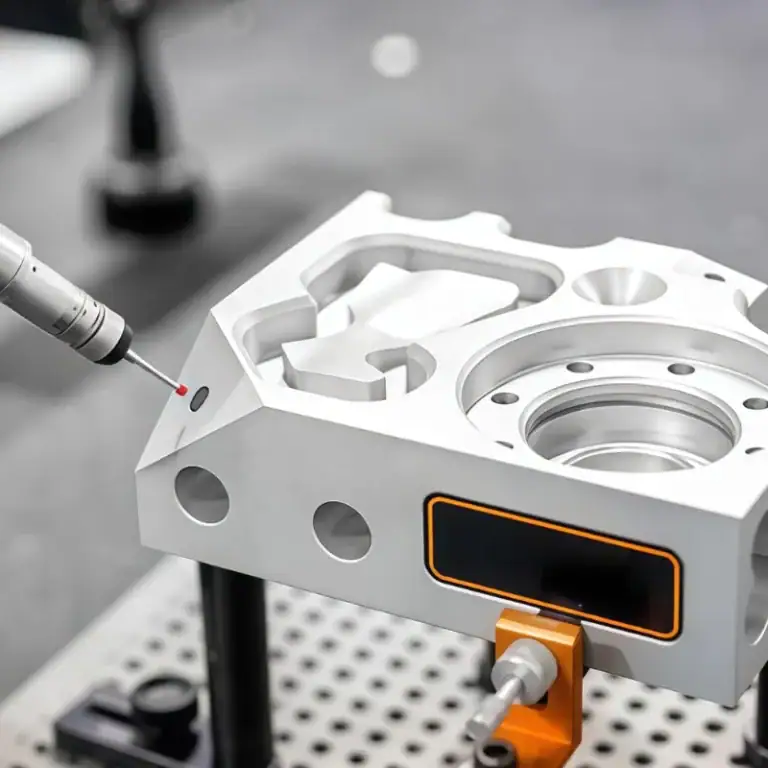
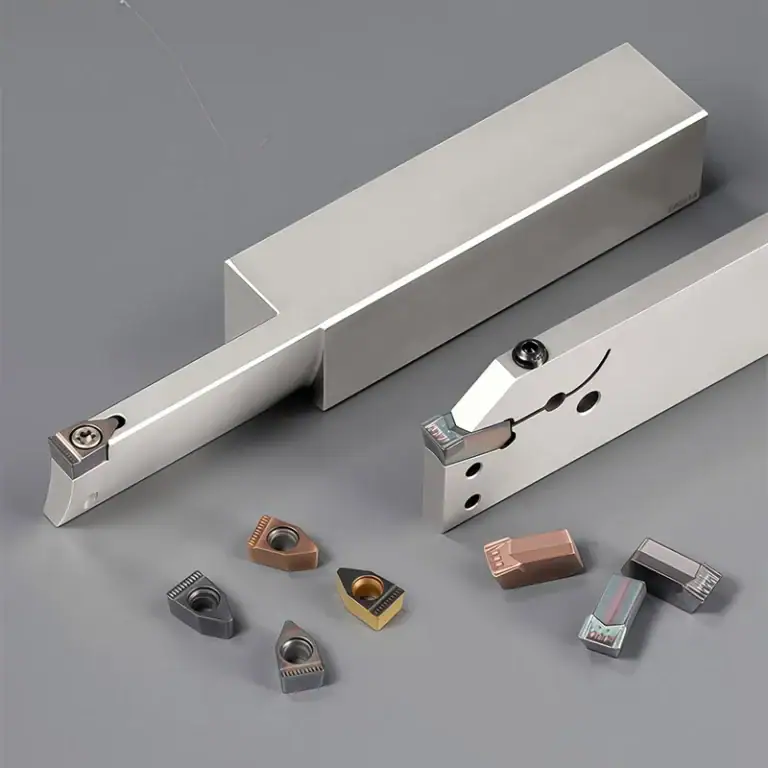
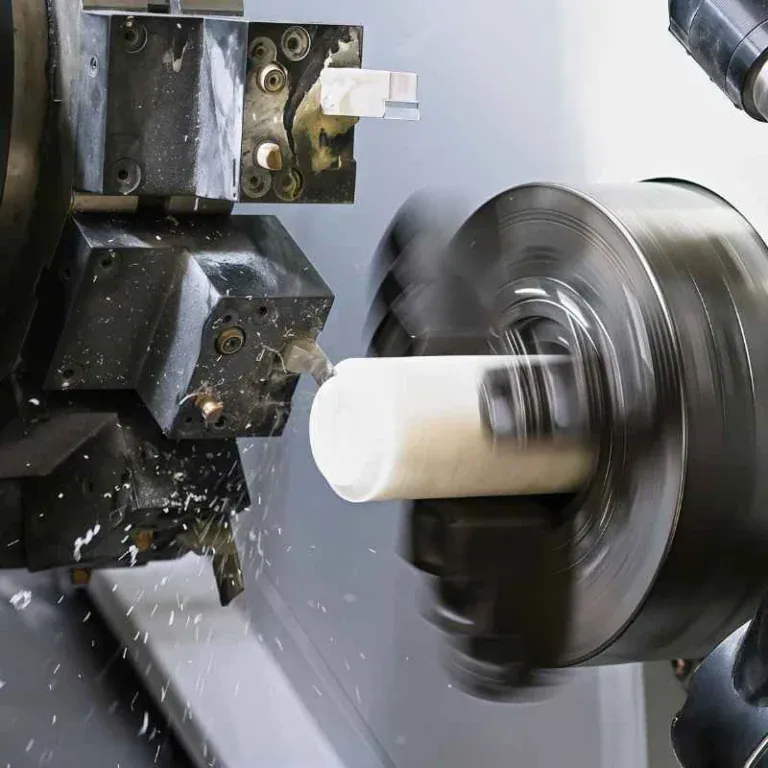
The smooth operation of an industrial production line often depends on small components that are easy to overlook. Conveyor connectors, positioning blocks in automation systems, and shafts in transmission mechanisms can all affect assembly accuracy. Even a slight dimensional deviation may cause installation problems or, in serious cases, unplanned equipment downtime. For businesses that need custom industrial equipment parts, machining accuracy, material performance, lead time, and cost all deserve careful consideration. CNC machining uses programmed tool movements to produce components with controlled dimensions and complex geometries. Whether the goal is to build a new production line, replace worn parts, or upgrade automation equipment, choosing the right machining solution can reduce rework and keep production running smoothly.
Why Are CNC Machining Solutions Suitable for Industrial Production Line Components?
Components used in industrial production lines often need to fit precisely with guide rails, motors, sensors, fixtures, and other mechanical parts. Incorrect hole positions or uneven mating surfaces can make installation difficult and require repeated adjustments. CNC machining controls cutting tools through programmed instructions, helping maintain dimensional consistency while producing parts with complex contours, grooves, and precision holes.
How Does CNC Machining Improve Industrial Component Accuracy?
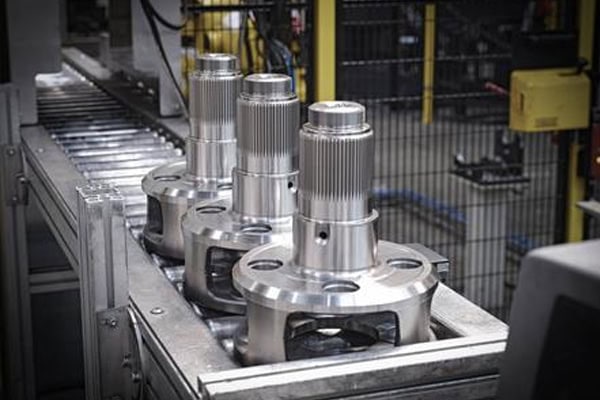
The accuracy requirements of production line components depend on their assembly and operating conditions. Positioning blocks need to locate workpieces correctly, mounting plates require accurately positioned holes, and transmission shafts must meet diameter and concentricity requirements. Identifying critical dimensions before machining helps reduce adjustment work later.
- Mounting holes and mating surfaces: Machining hole spacing, threaded holes, and locating surfaces to drawing specifications helps reduce alignment problems during assembly.
- Complex geometries: CNC milling can produce grooves, stepped surfaces, and irregular contours, reducing the need for unnecessary manual finishing.
- Consistent batch production: Standardized machining programs and inspection criteria help maintain consistency across a batch, making assembly and future replacement easier.
Which Industrial Production Line Components Are Suitable for CNC Machining?
CNC machining is suitable for a wide range of industrial equipment components, from simple metal plates to precision parts with holes, cavities, or cylindrical features. The appropriate process depends on the component’s geometry, material, and tolerance requirements.
| Component Type | Common Machining Requirements | Typical Applications |
| Positioning blocks and fixtures | Locating grooves, hole spacing, flatness | Automated assembly and workpiece positioning |
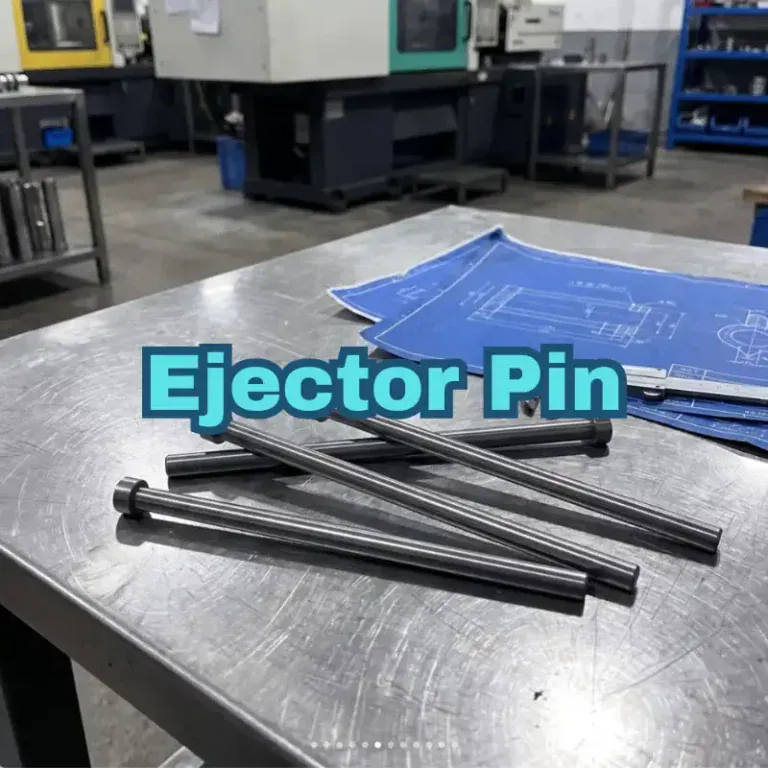
| Drive shafts and connecting shafts | Outer diameter, concentricity, threads | Conveyor systems and transmission mechanisms |
| Mounting plates and brackets | Accurate hole positions and dimensional stability | Industrial equipment installation |
| Equipment housings and support bases | Cavities, mounting surfaces, threaded holes | Automation equipment and inspection systems |
What Drawing Information Is Needed for Custom Industrial Equipment Parts?
Complete drawing information reduces the need for repeated clarification during production. In addition to the overall geometry, drawings should identify critical hole positions, mating dimensions, tolerances, and surface treatment requirements. If a component must connect to existing equipment, providing the relevant interface dimensions also helps verify compatibility before machining begins.
How Should Materials and Processes Be Selected for Industrial Equipment Component Machining?
Material and process selection directly affects component service life, manufacturing costs, and delivery schedules. Lightweight support parts do not always require high-strength steel, while components exposed to heavy loads or repeated friction should not be selected based on material price alone. Understanding the equipment’s operating environment and load conditions makes it easier to choose a suitable machining solution.
What Is the Difference Between Aluminum, Steel, and Stainless Steel?
Different materials have different properties in terms of weight, strength, wear resistance, and corrosion resistance. Their suitability depends on the component’s intended function and operating environment.
- Aluminum alloys: Lightweight and generally efficient to machine, making them suitable for mounting plates, equipment housings, and lightweight support structures.
- Carbon steel and alloy steel: Suitable for mechanical components exposed to heavier loads or requiring wear resistance. Some parts may also need heat treatment.
- Stainless steel: Offers good corrosion resistance and is often used for components exposed to moisture, cleaning processes, or environments where rust prevention is important.
Which Components Are Best Suited to CNC Milling and Turning?
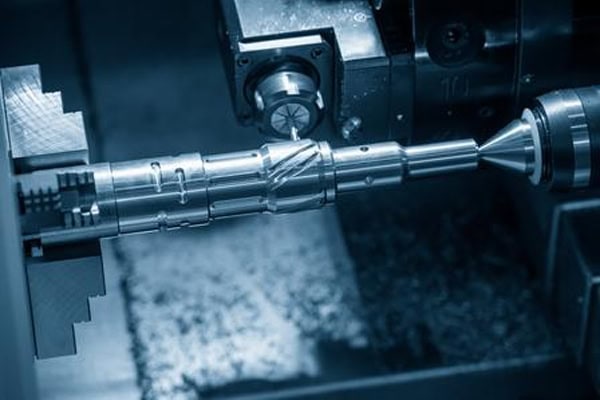
The main geometry of a component helps determine the most appropriate process. Parts with flat surfaces, grooves, and complex external contours are often suited to milling, while shafts and sleeves are commonly produced by turning. Components that combine flat surfaces, holes, and cylindrical features may require several machining operations.
| Machining Process | Suitable Component Structures | Key Inspection Items |
| CNC milling | Mounting plates, brackets, positioning blocks | Flatness, hole spacing, groove width |
| CNC turning | Shafts, sleeves, cylindrical connectors | Outer diameter, roundness, concentricity |
| Drilling and tapping | Mounting holes, threaded holes, connecting holes | Hole depth, hole position, thread specifications |
| Combined machining operations | Components with complex combined features | Datum consistency, process coordination, overall dimensions |
How Should Surface Treatments Be Selected for Production Line Components?
Surface treatment affects more than appearance. It can influence corrosion resistance, friction, and service life. Aluminum components may require anodizing, while steel parts may need suitable rust-prevention treatments. Components involving sliding contact or close-fitting surfaces also require careful control of surface roughness. The selected treatment should match the material and operating environment while accounting for any dimensional changes that could affect final fit.
How Can CNC Machining Costs and Lead Times Be Controlled for Industrial Production Line Components?
Custom component pricing depends on more than material and size. Geometric complexity, machining operations, tolerance requirements, order quantity, and post-processing all affect the final cost. Confirming these details before production helps reduce last-minute design changes and repeated machining, making production planning more efficient.
What Factors Affect CNC Machining Quotes for Industrial Components?
Before requesting a quote, it is important to clarify the component’s intended use and manufacturing requirements. Not every dimension needs a tight tolerance, and more expensive materials are not always necessary. Focusing on the specifications that directly affect assembly and performance can help control overall costs.
- Material and dimensions: Raw material specifications, component size, and material utilization all influence pricing.
- Geometric complexity: Deep cavities, narrow grooves, special hole patterns, and complex curved surfaces may require additional machining time.
- Order quantity: Programming, setup, and inspection costs are distributed differently between one-off parts and batch production.
- Post-processing requirements: Heat treatment, anodizing, and other surface treatments add processes and associated costs.
How Can Rework Be Reduced and Delivery Times Shortened?
Production efficiency depends not only on machine speed but also on the quality of preparation. Confirming drawing revisions, material grades, and inspection requirements before machining helps prevent production delays caused by missing information or last-minute clarification.
- Define critical tolerances: Specify tolerances for mounting holes, locating surfaces, and mating features to avoid unnecessary high-precision machining.
- Confirm post-processing in advance: Include heat treatment and surface finishing in the production schedule to reduce late-stage changes.
- Standardize drawings and inspection criteria: Use consistent technical documentation for each component to simplify batch production and repeat orders.
How Can Consistent Quality Be Maintained in Batch Production of Industrial Equipment Parts?
Batch production requires more than checking whether the first component meets specifications. Subsequent parts must also remain within the required dimensional limits. Sampling or full inspection of critical dimensions, together with appropriate inspection records, helps identify issues such as tool wear and fixture misalignment. For production lines that operate over long periods, retaining material details, drawing revisions, and machining specifications also makes it easier to reorder matching replacement parts during maintenance.
The machining quality of industrial production line components affects assembly accuracy, equipment reliability, and long-term maintenance costs. Choosing suitable materials, machining processes, and inspection standards can reduce rework and the risk of unplanned downtime. If custom industrial equipment parts are needed, submit your drawings, material specifications, tolerance requirements, and order quantity to us for a CNC machining quote and manufacturing recommendations. We can help produce components that meet your actual production requirements.