Metal parts used in electronic equipment may vary in size, but they perform important functions such as fastening, connection, heat dissipation, shielding, and structural support. Housings, mounting plates, heat sinks, connectors, and precision brackets all need to be machined according to the internal space and assembly relationships of the equipment. For R&D and procurement teams, dimensional accuracy is only one consideration. Material properties, structural design, surface finishing, production lead time, and subsequent volume supply capabilities also need to be evaluated to ensure that the components can integrate smoothly into the overall manufacturing process.
Which Metal Parts for Electronic Equipment Are Suitable for CNC Machining?
Metal components used in electronic equipment are generally compact in structure, with numerous holes, slots, and interfaces. Suitable machining solutions can be developed according to the specific function of each component.
Housings and Structural Support Components
These components mainly protect internal parts and establish a stable mounting structure. Their design needs to balance space utilization and manufacturability.
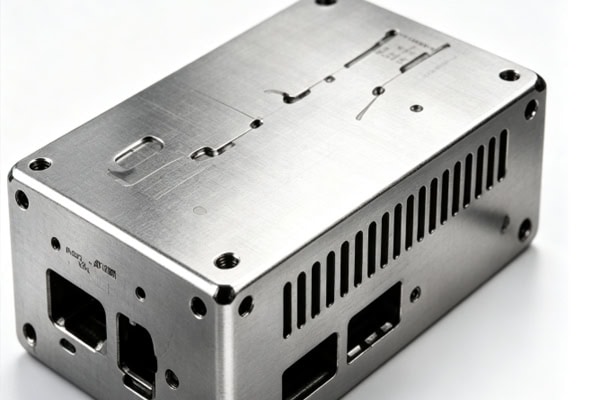
- Equipment housings: Interfaces, threaded holes, and assembly positions need to be machined accurately to avoid interfering with internal component installation.
- Mounting plates: Flatness, hole spacing, and mounting hole dimensions need to be controlled to provide a stable reference for circuit modules.
- Support brackets: Wall thickness, reinforcing ribs, and mounting holes need to be designed according to the internal equipment layout.
A stable structural foundation provides more reliable mounting conditions for internal components.
Heat Dissipation and Connection Components
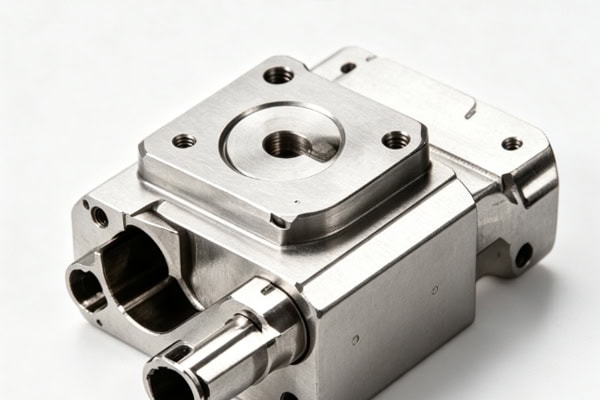
Some electronic devices have high requirements for thermal management and module connections, making precision machining necessary for certain local structures. Heat sinks and heat-dissipation bases need to be designed with cooling slots, contact surfaces, and mounting structures according to the heat source location. Connection blocks and adapters need accurate control of threads, hole positions, and mating dimensions. Shielding components need to be dimensioned according to equipment interfaces and internal space. Matching machining details to different functional areas allows metal components to integrate more effectively into the overall equipment structure.
How Can Quality Be Controlled When Machining Metal Parts for Electronic Equipment?
Metal components usually need to work with circuit boards, connectors, sensors, and other assemblies. Dimensional control during production has a direct impact on the final assembly result.
Conduct Drawing and DFM Reviews Before Machining
Drawing reviews help engineers identify manufacturing risks in advance. Key areas to examine include:
- Critical dimensions and tolerances: Distinguish general dimensions from those that directly affect assembly.
- Hole positions, threads, and thin-wall areas: Evaluate tool access, chip evacuation, and machining stability.
- Datum surfaces and fixturing methods: Reduce the impact of repeated clamping on dimensional consistency.
Considering machining conditions during the design stage can reduce the likelihood of later drawing revisions and rework.
Select the Appropriate Machining Process According to the Structure
Different metal parts have different shapes, dimensions, and numbers of machined surfaces, resulting in different equipment and process requirements.
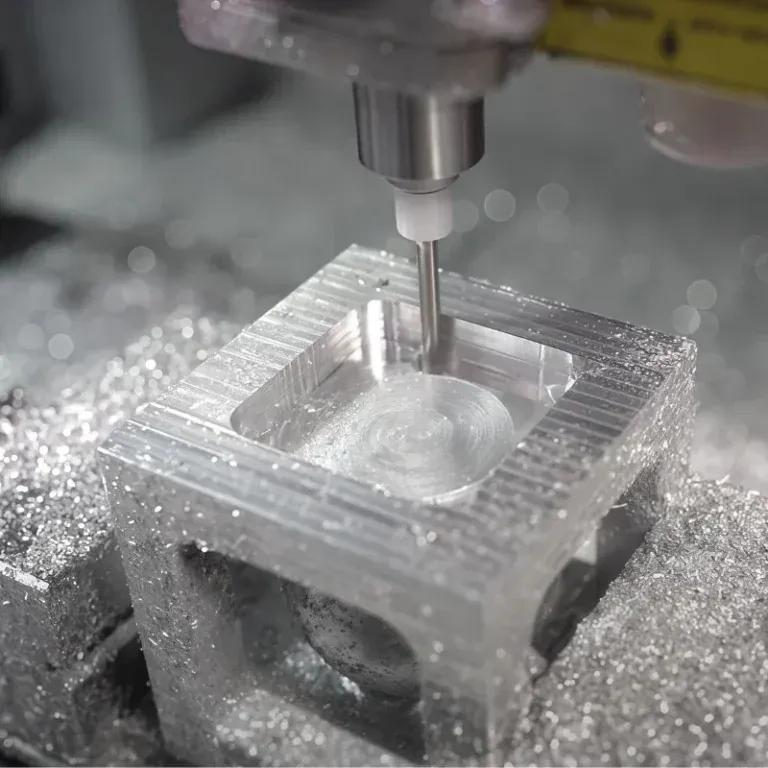
- 3-axis CNC machining is suitable for mounting plates, brackets, and slot-and-hole components.
- 4-axis machining is suitable for structures requiring machining from multiple directions.
- 5-axis machining is suitable for complex surfaces, multi-sided features, and precision structures.
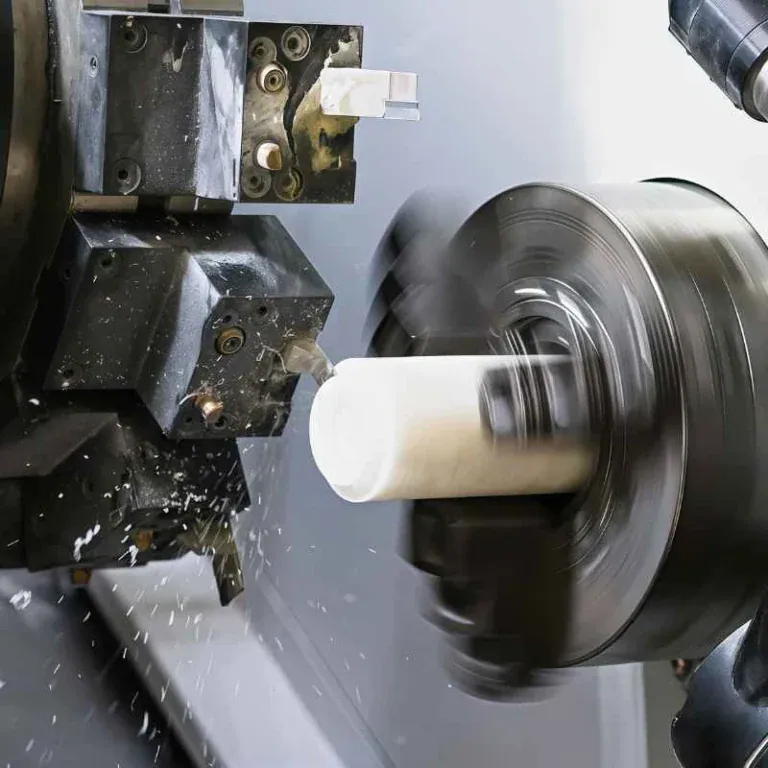
- CNC turning is suitable for shafts, sleeves, and other rotational components.
Matching the machining method to the component characteristics can reduce unnecessary setups and improve production efficiency.
Perform Dimensional and Surface Quality Inspection
After machining, the critical features of each component need to be verified according to the drawing requirements.
- Dimensional inspection: Check length, thickness, hole diameter, hole spacing, and other measurements.
- Geometric inspection: Verify flatness, perpendicularity, concentricity, and other requirements.
- Surface inspection: Check burrs, tool marks, and the appearance after surface treatment.
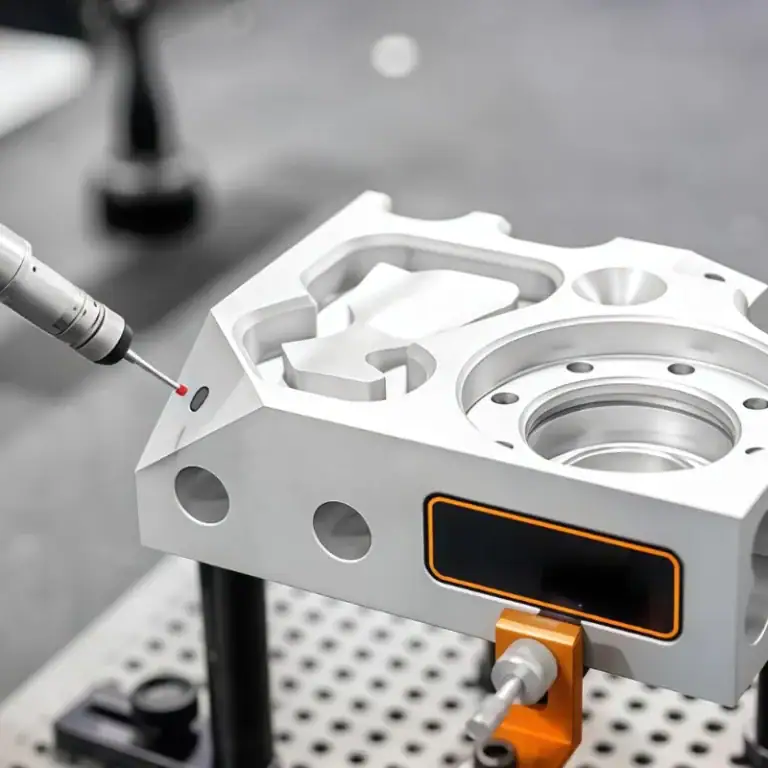
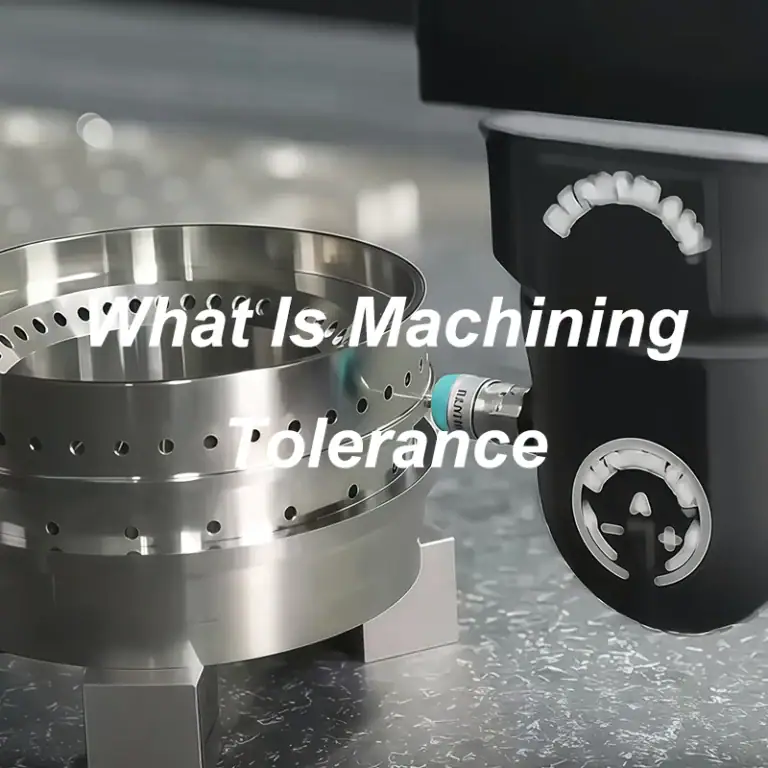
- Precision inspection: High-precision components can be inspected using CMM and other measuring equipment.
A complete machining and inspection process makes it easier to maintain dimensional consistency when components enter the assembly stage.
What Materials Are Commonly Used for Metal Parts in Electronic Equipment?
Material selection affects component weight, strength, thermal conductivity, corrosion resistance, and manufacturing cost. The actual choice should be based on the intended application of the equipment.
Aluminum Alloys Are Suitable for Lightweight and Heat-Dissipation Structures
Aluminum alloys offer good machinability and a favorable weight-to-strength ratio, making them widely used in electronic equipment structures.
- 6061 aluminum alloy: Suitable for conventional components such as housings, base plates, and brackets.
- 7075 aluminum alloy: Suitable for precision structures requiring higher strength.
- Aluminum alloy heat-dissipation components: Can be machined with cooling slots, mounting holes, and precision contact surfaces.
For projects that need to control equipment weight while maintaining structural strength, aluminum alloys offer good adaptability.
Stainless Steel, Steel, and Copper
Different electronic devices operate under different environmental and functional requirements, so certain components may require metal materials with specific properties.
| Material | Common Applications | Key Considerations |
| Aluminum alloy | Housings, brackets, heat-dissipation components | Weight, machinability, heat dissipation |
| Stainless steel | Connectors, structural components | Strength, corrosion resistance |
| Steel | High-strength structural components | Strength, wear resistance |
| Copper | Conductive and heat-dissipation components | Electrical conductivity, thermal conductivity, machining difficulty |
| Brass | Precision connectors | Machinability, corrosion resistance |
After selecting the material, the specific grade, machining difficulty, and surface treatment requirements also need to be considered.
How to Choose a Metal Parts Machining Service Provider for Electronic Equipment?
From design to product launch, electronic equipment projects typically go through prototype validation, small-batch testing, and subsequent production. The overall manufacturing capabilities of the service provider can affect the efficiency of these transitions.
Evaluate Precision Machining and Complex Structure Capabilities
When selecting a machining service, it is important to confirm that the supplier’s equipment and processes can cover the project’s core components.
- Precision CNC milling can handle components with multiple holes, slots, and complex contours.
- Multi-axis machining is suitable for reducing repeated positioning of complex components.
- Turning processes can cover rotational structures such as shafts and sleeves.
- Small precision component machining requires attention to tooling, fixturing, and inspection capabilities.
The better the machining capabilities match the project requirements, the easier external manufacturing coordination can be during the R&D stage.
Evaluate Engineering Support and Volume Production Capabilities
Electronic equipment projects often require design adjustments based on test results, making engineering support from the supplier particularly important. DFM reviews can identify manufacturing issues in advance, while material and surface treatment recommendations can be matched to the actual operating environment. Prototype and small-batch production can help validate structure and assembly, while a smooth transition to volume production can reduce the need for repeated adjustments when moving from R&D to manufacturing. Machining services that cover different production stages are more suitable for electronic equipment projects requiring continuous iteration.
For electronic equipment manufacturers, a suitable metal parts machining solution needs to consider accuracy, materials, structural design, surface treatment, and delivery schedules. TiRapid provides CNC milling, 5-axis machining, turning, and precision metal parts manufacturing services, combined with DFM review and manufacturing processes from prototypes to production, providing more comprehensive machining support for electronic equipment R&D and procurement.