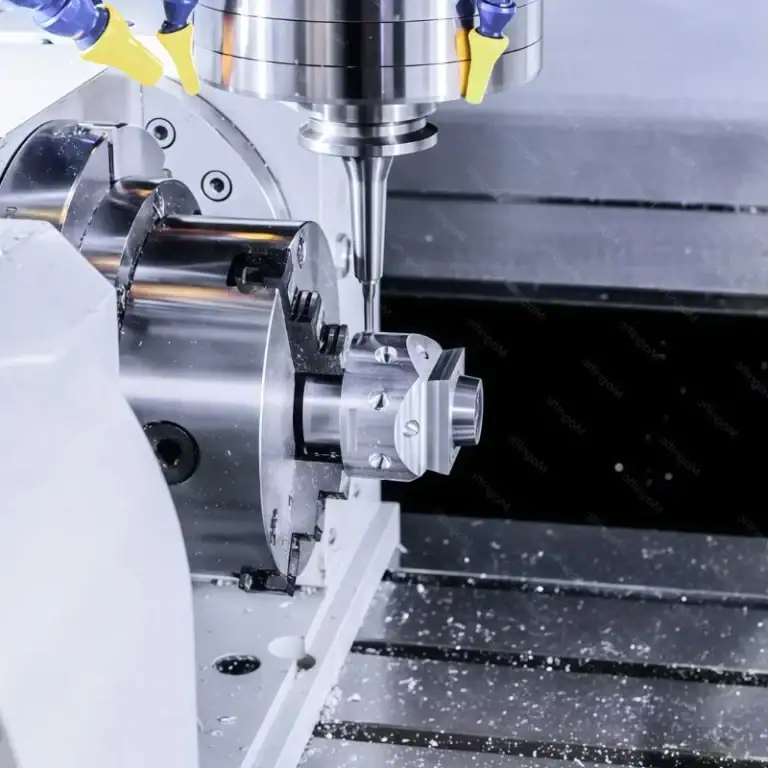
Brass and aluminum are two of the most widely used materials in CNC machining, but they are selected for very different manufacturing reasons. Brass is valued for its strength, corrosion resistance, conductivity, and dimensional stability, while aluminum is preferred for its lightweight structure, fast machining speed, and lower production cost.
Choosing between brass and aluminum is not only about material price. Their machining behavior affects tool wear, cycle time, surface finish, production efficiency, and long-term part performance. Understanding these differences helps manufacturers select the right material for machining quality, functional requirements, and cost control.
What Is Brass Machining?
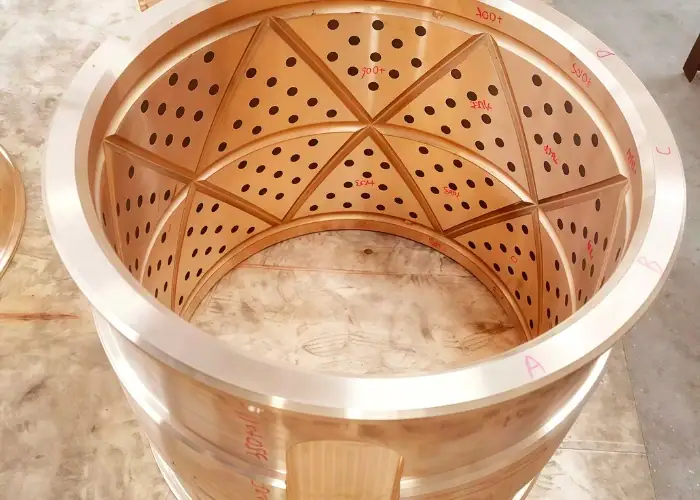
Brass machining is the process of cutting, milling, turning, drilling, or tapping brass materials into precision parts. Brass is a copper-zinc alloy known for good machinability, corrosion resistance, conductivity, and dimensional stability, making it suitable for fittings, valves, connectors, bushings, and decorative components.
In CNC machining, brass often produces clean chips and smooth surfaces, which helps manufacturers maintain stable tolerances and reduce finishing difficulty. It is commonly chosen when a part needs reliable strength, wear resistance, electrical conductivity, or long-term performance in humid or fluid-handling environments.
However, brass machining still requires the right tool geometry, cutting parameters, and part design. Because brass is denser and more expensive than aluminum, engineers should confirm whether its strength, conductivity, corrosion resistance, or appearance justifies the added material cost and part weight.
What Is Aluminum Machining?
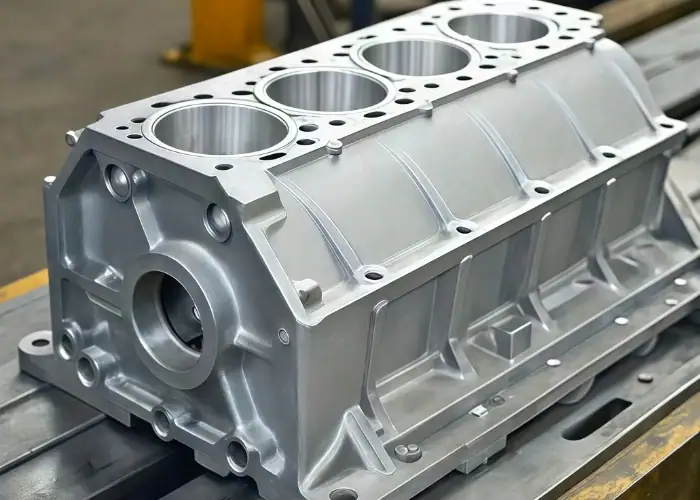
Aluminum machining is the process of using CNC milling, turning, drilling, tapping, or other cutting methods to produce lightweight metal parts from aluminum alloys. Aluminum is valued for low density, good machinability, corrosion resistance, thermal conductivity, and a strong strength-to-weight ratio.
Compared with brass, aluminum usually allows higher cutting speeds and faster cycle times, which makes it practical for high-volume production and lightweight components. It is widely used for aerospace parts, automotive components, electronics housings, robotics parts, fixtures, heat sinks, and structural components.
Aluminum machining also requires good chip evacuation, sharp tools, and heat control. Softer aluminum grades can create burrs or built-up edge if parameters are not optimized. For this reason, manufacturers must balance speed, surface finish, tolerance, and surface treatment requirements during production.
Brass vs Aluminum: Material Properties
Brass and aluminum both offer good machinability, but their physical and mechanical properties are very different. These differences affect not only machining performance, but also part durability, corrosion resistance, conductivity, weight, surface treatment options, and final application suitability.
Brass is a copper alloy mainly made from copper and zinc. It is known for good corrosion resistance, high strength, electrical conductivity, and dimensional stability. Brass is often used in electrical connectors, valves, fittings, plumbing parts, decorative components, and precision mechanical assemblies where wear resistance and durability are important.
Aluminum is much lighter than brass and provides an excellent strength-to-weight ratio. It is widely used in aerospace, automotive, electronics, robotics, and industrial applications where reducing weight is important. Aluminum also has good corrosion resistance and thermal conductivity, especially when anodized for additional surface protection.
Machining Brass vs Aluminum: CNC Machining Process
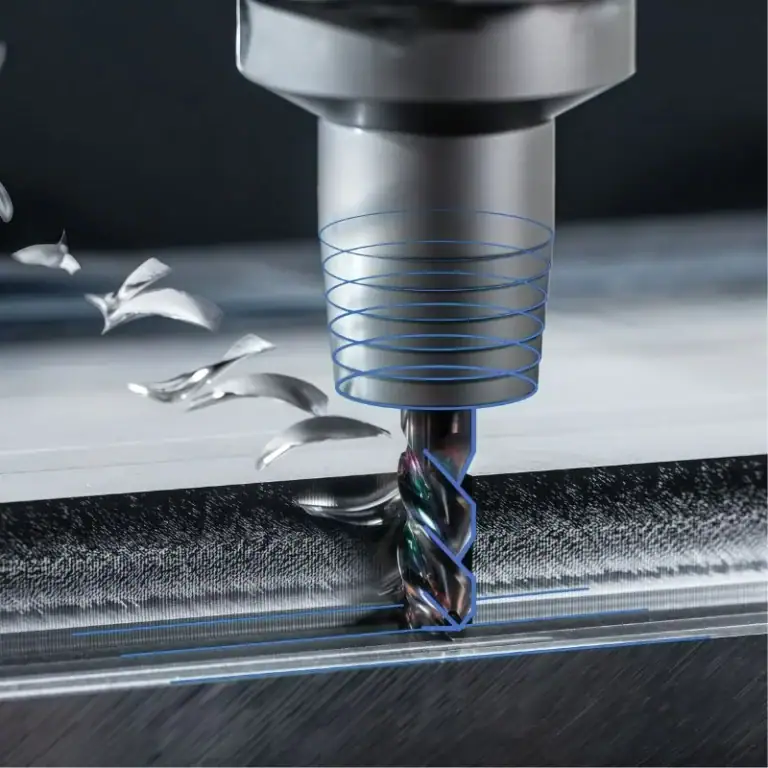
Although both materials are widely used in CNC machining, their cutting behavior is different. Tool selection, spindle speed, feed rate, chip evacuation, workholding, coolant strategy, and finishing allowance must be adjusted based on the material being machined.
Brass is generally stable during machining and produces small chips with good surface finish quality. However, because brass is denser and harder than aluminum, it often requires more controlled cutting conditions. Improper machining parameters may increase tool wear, heat buildup, or burr formation during detailed machining operations.
Aluminum is softer and easier to cut, allowing higher spindle speeds and faster feed rates. This helps reduce machining time and improve production efficiency. However, aluminum can create long chips and material buildup on cutting tools if chip evacuation and coolant control are not handled properly.
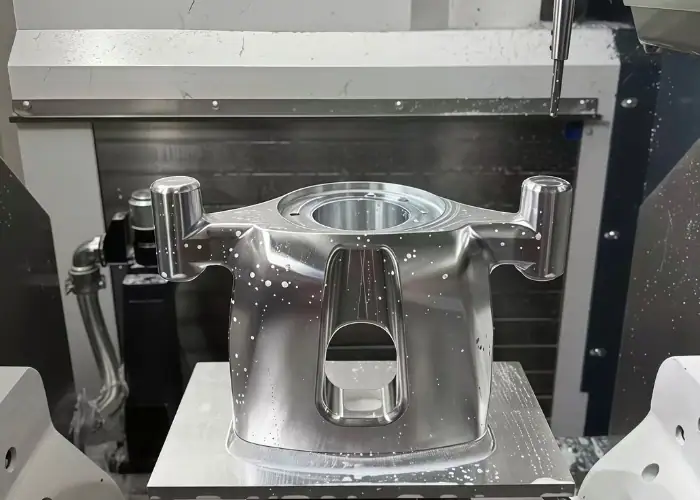
Machining Differences Between Brass and Aluminum
The machining differences between brass and aluminum are not limited to cutting speed. Their behavior during milling, drilling, turning, tapping, and finishing also affects machining stability, tool life, surface quality, and final inspection results.
Cutting Speed and Feed Rate
Brass and aluminum support different cutting conditions because of their hardness, density, and chip formation characteristics. Aluminum usually allows higher spindle speeds and more aggressive feed rates because it cuts more easily and generates lower cutting force during machining.
Brass often requires more balanced machining parameters to maintain surface quality and reduce tool wear. Although brass machines cleanly, aggressive cutting conditions may increase heat and affect dimensional consistency in small holes, thin walls, threaded features, or detailed precision parts.
The final machining setup depends on part geometry, tolerance requirements, tool type, coolant, and machine rigidity. In production machining, both materials require optimized cutting parameters to balance speed, accuracy, surface finish, and long-term tool life.
Tool Wear and Machining Stability
Tool wear behaves differently when machining brass and aluminum. Aluminum generally causes lower cutting resistance, but it may stick to the cutting edge if coolant flow and chip evacuation are poor. This built-up edge can reduce surface quality and affect dimensional accuracy.
Brass usually creates less material buildup on tools, which helps maintain cleaner cutting edges and stable machining conditions. However, brass can still wear tools faster than aluminum because of its higher density and mechanical strength, especially during long production runs.
Machining stability also depends on vibration control, fixture rigidity, and cutting load. Long tools, thin-wall parts, deep cavities, or aggressive roughing conditions can create chatter regardless of the material, so process control remains important for both metals.
Surface Finish and Burr Formation
Both brass and aluminum can achieve excellent surface finishes, but their machining behavior affects the final result differently. Brass often produces smoother edges and more stable dimensional accuracy during precision turning, milling, drilling, and finishing operations.
Aluminum can also achieve high-quality surface finishes, especially with sharp tools and proper finishing parameters. However, softer aluminum grades may produce burrs more easily if cutting conditions are not optimized for chip evacuation, edge control, and tool sharpness.
For cosmetic parts, sealing surfaces, threaded holes, and precision assemblies, manufacturers may adjust tool geometry, coolant, spindle speed, and finishing allowance differently depending on whether the part is made from brass or aluminum.
Advantages and Disadvantages of Machining Brass and Aluminum
Both materials offer important machining advantages, but they also have limitations that affect manufacturing cost, production speed, weight control, surface treatment, and application suitability. Understanding these trade-offs helps engineers choose the right material for a specific project.
Advantages of Machining Brass
Brass is known for excellent machinability and dimensional stability. It can produce precise parts with smooth surfaces and reliable tolerances, making it suitable for fittings, connectors, valves, bushings, gears, terminals, and electrical components that require stable machining quality.
Another advantage of brass is its corrosion resistance and durability. Brass performs well in humid environments, plumbing systems, marine components, and electrical applications where long-term reliability matters. Its attractive gold-like appearance also makes it useful for decorative hardware and visible components.
However, brass is heavier and more expensive than aluminum. For projects that require lightweight structures or lower material cost, brass may not be the most economical choice. Its higher density can also increase transportation weight, raw material expense, and total part cost in larger components.
Advantages of Machining Aluminum
Aluminum offers a high strength-to-weight ratio and fast machining performance. Its lightweight structure makes it ideal for aerospace, automotive, robotics, electronics, and industrial applications where reducing weight improves efficiency, handling, energy use, or product performance.
Aluminum is also easier to machine at higher cutting speeds, helping manufacturers reduce cycle time and production cost. Lower cutting resistance reduces tool load, improves machining efficiency, and supports high-volume production more effectively than many heavier metals.
The limitation of aluminum is lower wear resistance compared with brass. Softer aluminum grades may deform more easily under mechanical stress, especially in applications requiring heavy wear resistance, high pressure, strong thread durability, or long-term dimensional stability.
Surface Treatment Options for Brass and Aluminum Parts
Surface treatment is another important factor when comparing machining brass vs aluminum. Even if both materials can be CNC machined accurately, the final surface protection, appearance, and corrosion resistance may influence the better material choice.
Brass parts can be polished, plated, brushed, clear coated, or chemically treated depending on the application. These finishes can improve appearance, reduce tarnishing, or enhance corrosion resistance. Brass is often selected when the final part needs both functional strength and a premium metal appearance.
Aluminum is commonly anodized, powder coated, painted, bead blasted, or chemically converted. Anodizing is especially valuable because it improves surface hardness, corrosion resistance, and appearance while keeping the part lightweight. This makes aluminum suitable for visible housings, panels, brackets, and consumer-facing components.
Common Applications of Brass and Aluminum
Brass and aluminum are both used across many industries, but the final material choice depends on conductivity, strength, corrosion resistance, appearance, weight, surface finish, and production cost requirements.
Brass is commonly used for electrical connectors, plumbing fittings, valves, bearings, bushings, musical instruments, fasteners, terminals, and decorative hardware. Its conductivity and corrosion resistance make it especially suitable for electrical and fluid-handling applications.
Aluminum is widely used in aerospace structures, automotive components, consumer electronics, heat exchangers, industrial equipment, robotics parts, enclosures, fixtures, and lightweight structural parts. Its low density and good corrosion resistance make it suitable for products that require both strength and weight reduction.
Cost and Efficiency of Machining Brass vs Aluminum
Material cost and machining efficiency are important factors when selecting between brass and aluminum. The decision should consider not only raw material price, but also machining time, tool wear, surface treatment, production volume, and long-term performance requirements.
Aluminum is generally more cost-effective for high-volume production because it machines faster and creates lower tool wear under many machining conditions. Faster cycle times can reduce labor cost, improve spindle utilization, and support more efficient batch production.
Brass is usually more expensive, but its strength, corrosion resistance, conductivity, and dimensional stability may justify the higher material cost for specialized applications. In electrical, plumbing, marine, and precision mechanical systems, brass often provides better long-term value despite higher initial expense.
How to Choose Between Brass and Aluminum for Machining
The best material choice depends on the application requirements, machining conditions, and functional priorities of the final part. There is no single material that is always better in every manufacturing situation.
Choose brass when the part requires corrosion resistance, electrical conductivity, wear resistance, dimensional stability, or long-term durability. Brass is often preferred for fittings, valves, electrical parts, bushings, terminals, and decorative components that need stable machining quality and reliable performance.
Choose aluminum when lightweight design, fast machining speed, surface treatment flexibility, and lower production cost are more important. Aluminum is widely used for structural parts, aerospace components, electronics housings, heat dissipation parts, and products where reducing weight improves efficiency and handling.
Design Tips for Brass and Aluminum CNC Parts
Good part design can improve machining quality and reduce cost for both brass and aluminum. Designers should consider wall thickness, hole depth, thread strength, edge breaks, tolerance requirements, and surface finish before finalizing drawings for CNC machining.
For brass parts, avoid unnecessary sharp internal corners, extremely thin walls, or excessive material volume if weight and cost are concerns. Brass is strong and stable, but its higher density means oversized designs can increase material cost quickly.
For aluminum parts, pay attention to burr-prone edges, thin features, and surface protection needs. If the part will be anodized, designers should consider cosmetic surfaces, masking areas, and tolerance changes caused by coating thickness or finishing requirements.
FAQs
Is brass easier to machine than aluminum?
Both materials machine well, but in different ways. Aluminum allows faster machining speeds and lower cutting force, while brass often provides cleaner cutting behavior and better dimensional stability during precision machining.
Which material is better for corrosion resistance?
Both materials resist corrosion, but their performance depends on the environment. Brass performs well in plumbing and humid conditions, while anodized aluminum offers good protection in outdoor and lightweight industrial applications.
Does aluminum create more burrs than brass?
In many machining conditions, aluminum is more likely to create burrs because it is softer and more ductile. Proper tool geometry, coolant flow, sharp cutting edges, and finishing parameters help reduce burr formation.
What information should be included in a machining RFQ?
A machining RFQ should include 2D drawings, 3D files, material grade, tolerance requirements, surface finish, quantity, and any critical functional features. This helps manufacturers select suitable machining strategies and estimate production cost more accurately.
Conclusion
Brass and aluminum are both widely used machining materials, but they serve different manufacturing priorities. Brass offers better strength, corrosion resistance, conductivity, and dimensional stability, while aluminum provides lighter weight, faster machining speed, and lower production cost. The best material depends on application requirements, machining efficiency, surface needs, and long-term functional performance.
At TiRapid, we provide precision CNC machining services for both brass and aluminum parts, helping customers achieve reliable quality, dimensional accuracy, and production efficiency for demanding engineering applications.