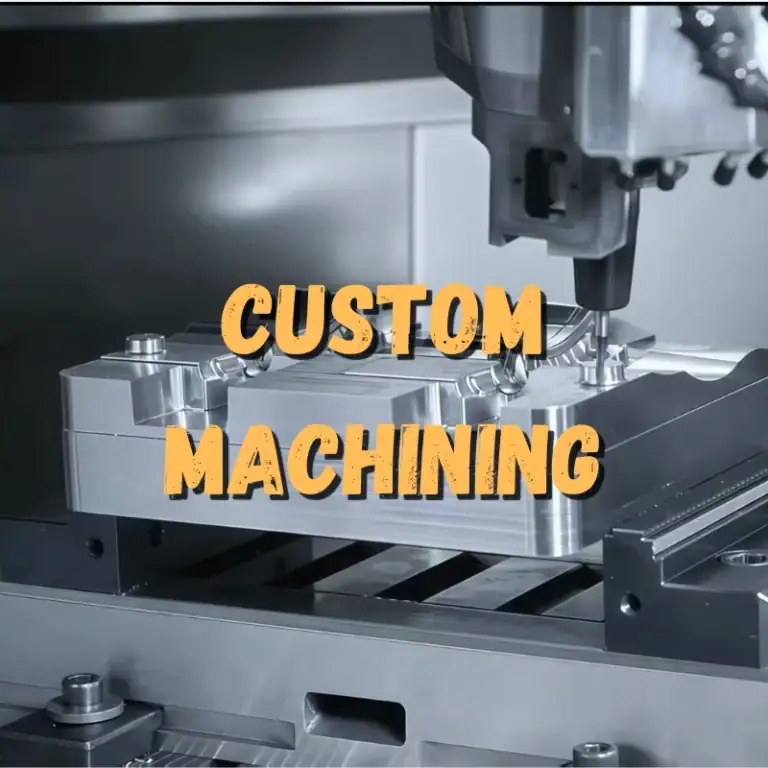
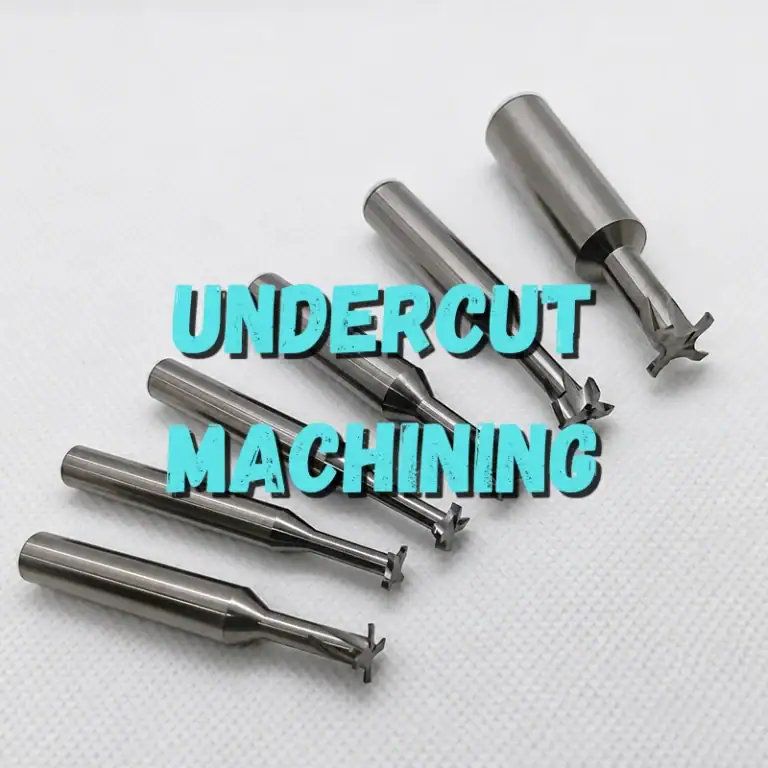
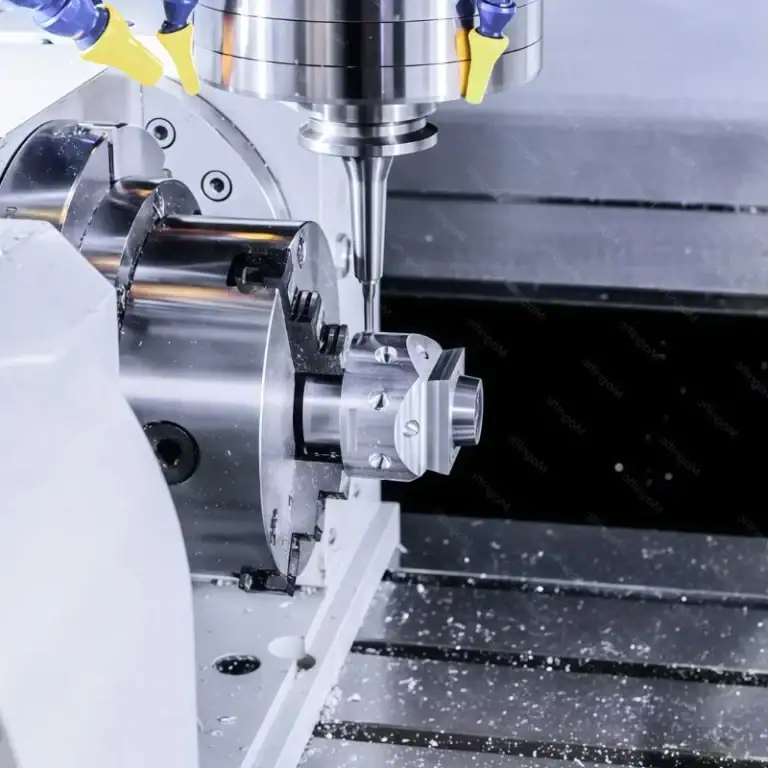
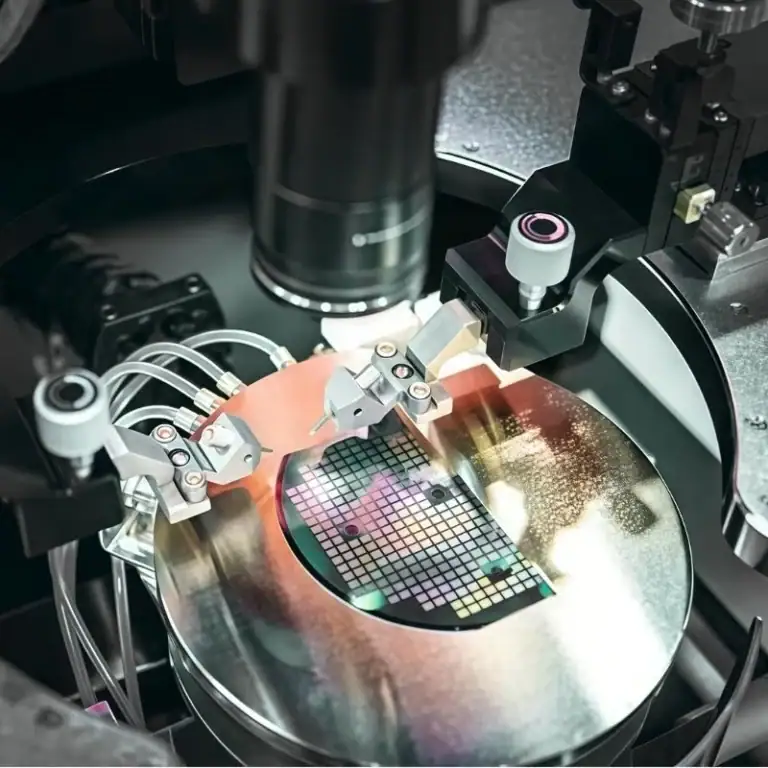
Mold manufacturing is a fundamental part of modern industrial production. Whether it is automotive components, electronic device housings, medical equipment, or home appliances, most mass-produced parts rely on molds for forming. The quality of a mold directly determines product dimensional accuracy, surface quality, and production efficiency. In this process, precision machining plays a critical role. As the manufacturing industry continues to demand more complex structures, higher consistency, and greater efficiency, precision machining has become an indispensable technology in high-quality mold production.
Improving Mold Dimensional Accuracy and Product Consistency
High-quality molds must maintain stable dimensional accuracy, and precision machining is the foundation for achieving this goal.
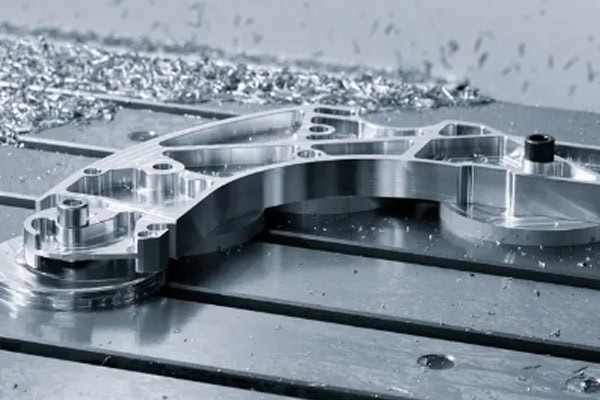
Ensuring accurate core mold dimensions
The key dimensions of a mold directly affect the assembly performance and functionality of the final product.
- Precision machining enables micron-level dimensional control
- It reduces dimensional deviations between mold cavities
- High-precision processing improves product fit accuracy
- In industries such as electronics and medical, even small deviations can affect performance
Stable dimensional control is a fundamental requirement for high-quality mold manufacturing.
Improving consistency in mass production
Molds must not only be accurate but also maintain stability over long production cycles.
- High-precision molds reduce product dimensional variations
- Decrease defect rates in mass production
- Improve interchangeability and assembly consistency
- Consistency is especially important in automated production lines
- Long-term stability also reduces maintenance costs
Higher consistency leads to more stable production efficiency and yield rates.
Reducing mold rework and modification cycles
Molds with insufficient precision often require frequent adjustments during later stages.
- Precision machining reduces initial dimensional errors
- Minimizes repeated modifications during trial molding
- Shortens product development cycles
- Reduces labor and material waste
More accurate initial machining often results in lower overall manufacturing costs.
Meeting the Demands of Complex Mold Structures
As product designs become increasingly complex, traditional machining methods can no longer meet advanced mold manufacturing requirements.
Machining complex surfaces and fine structures
Modern molds often include complex geometries and detailed features.
- Precision machining enables complex curved surfaces and deep cavity structures
- Five-axis machining improves multi-angle processing capability
- Fine textures and micro-features can be accurately produced
- Enhances both functional and aesthetic performance of products
The ability to machine complex structures has become a key competitiveness factor in mold manufacturing.
Improving stability of thin-wall and micro structures
Many precision molds contain thin walls, narrow slots, and delicate structures.
- Conventional machining may cause deformation
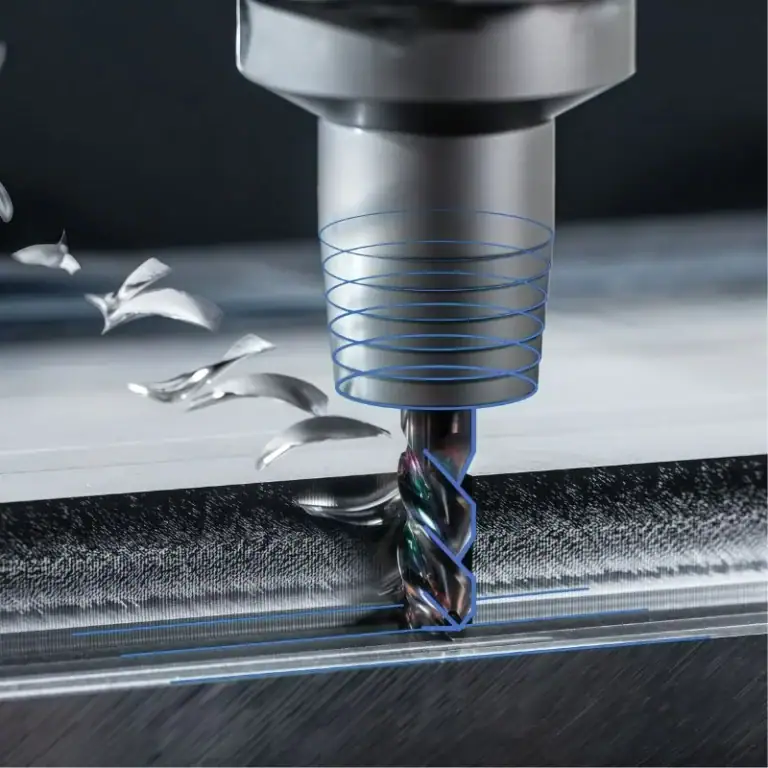
- Precision machining better controls cutting forces
- Reduces risk of cracking or warping in thin sections
- Especially important for electronic component molds
- Micro-structure machining directly affects product precision
Stable micro-feature machining is one of the major challenges in high-end mold production.
Processing high-hardness mold materials
Molds typically use high-strength materials to ensure durability.
- Mold steels and similar materials are difficult to machine
- Precision machining ensures stable tool wear control
- Improves surface quality of hard materials
- Reduces subsequent polishing and finishing workload
Stable machining of high-hardness materials determines mold durability and lifespan.
Enhancing Production Efficiency and Mold Lifespan
Beyond accuracy, precision machining also improves overall production efficiency and service life.
Shortening mold manufacturing cycles
Mold development often requires strict delivery timelines.
- High-efficiency equipment reduces machining time
- Accurate processes reduce rework and modifications
- Automation improves overall production efficiency
- Faster trial molding and production readiness
Shorter manufacturing cycles accelerate product launch speed.
Improving mold surface quality
Mold surface condition directly affects molding results.
- Precision machining reduces surface roughness
- Decreases polishing workload
- Improves plastic or metal part surface finish
- Enhances demolding stability
- Better surface quality reduces product defects
Good surface quality significantly improves final product appearance and performance.
Extending mold service life
High-quality molds must operate reliably over long production periods.
- Precision machining reduces localized stress concentration
- Slows down wear rates
- Improves fatigue resistance
- Maintains stable performance over time
Longer mold lifespan helps reduce overall production costs.
The role of precision machining in mold manufacturing extends far beyond improving dimensional accuracy. It also determines product consistency, production efficiency, and long-term mold stability. As the demand for complex structures and high-quality products continues to grow, precision machining has become a key benchmark for mold manufacturing capability. In this field, platforms like Tirapid, specializing in high-precision machining and complex component production, provide stable and efficient manufacturing support for mold industry applications.