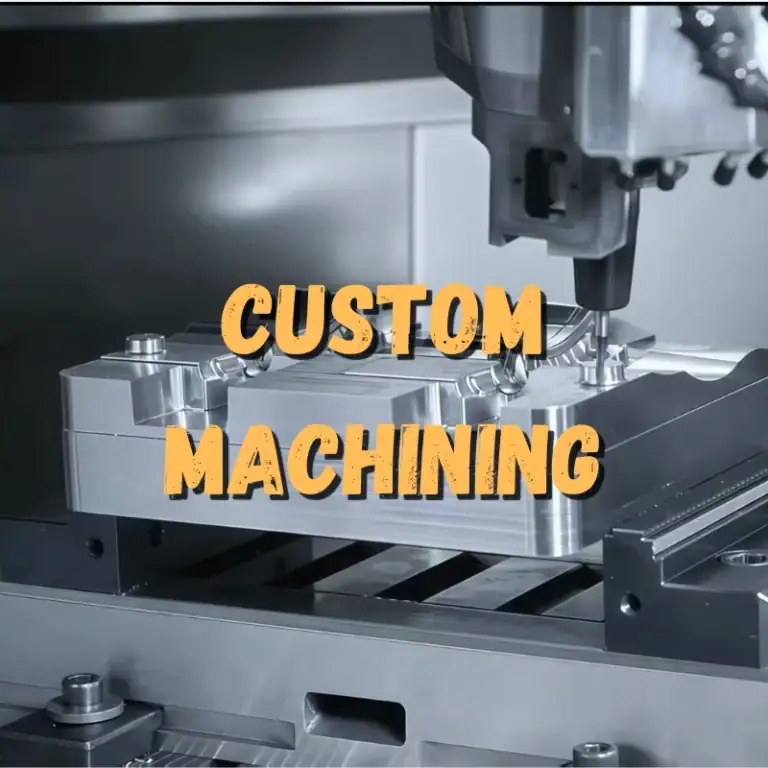
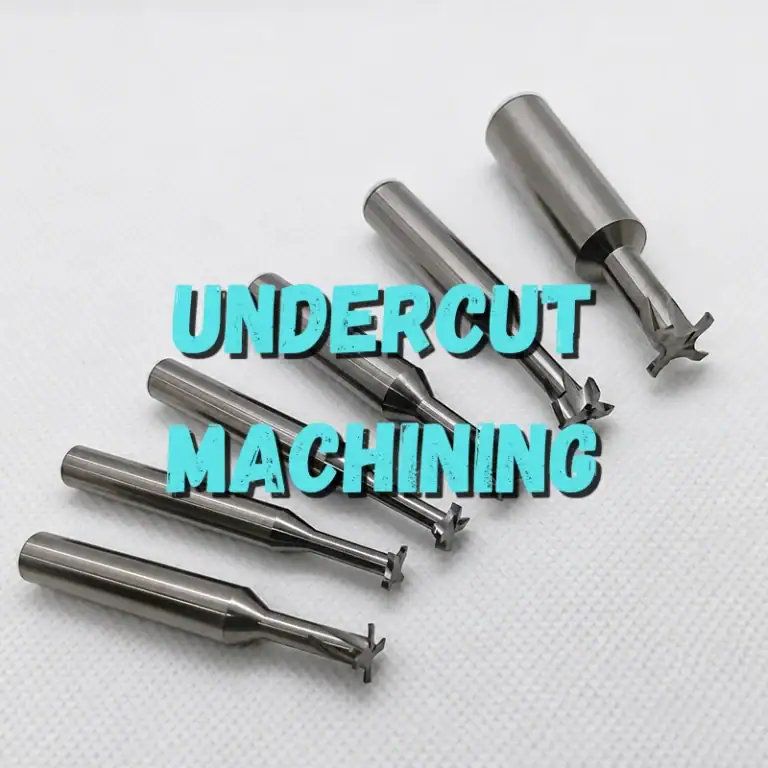
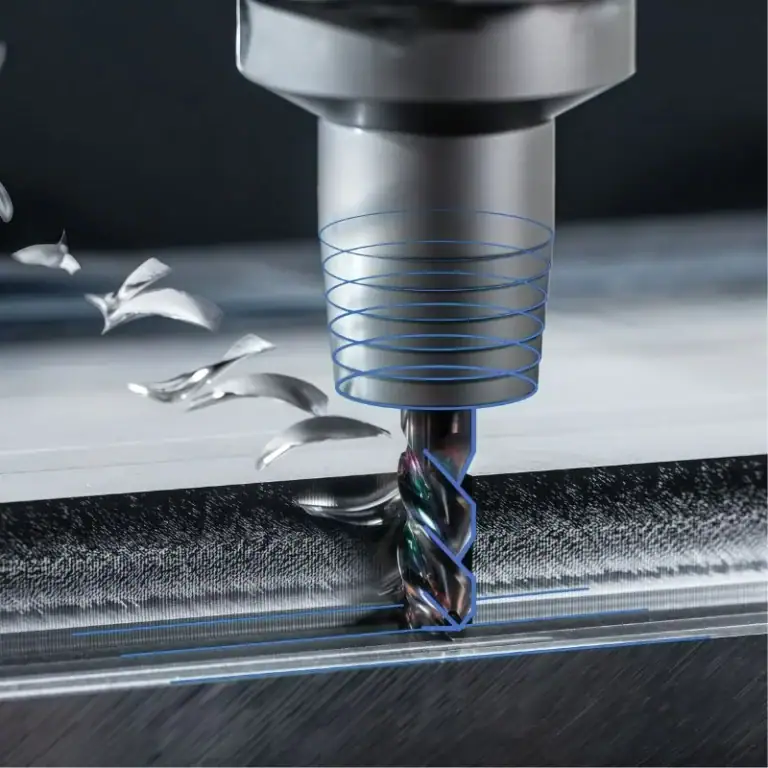
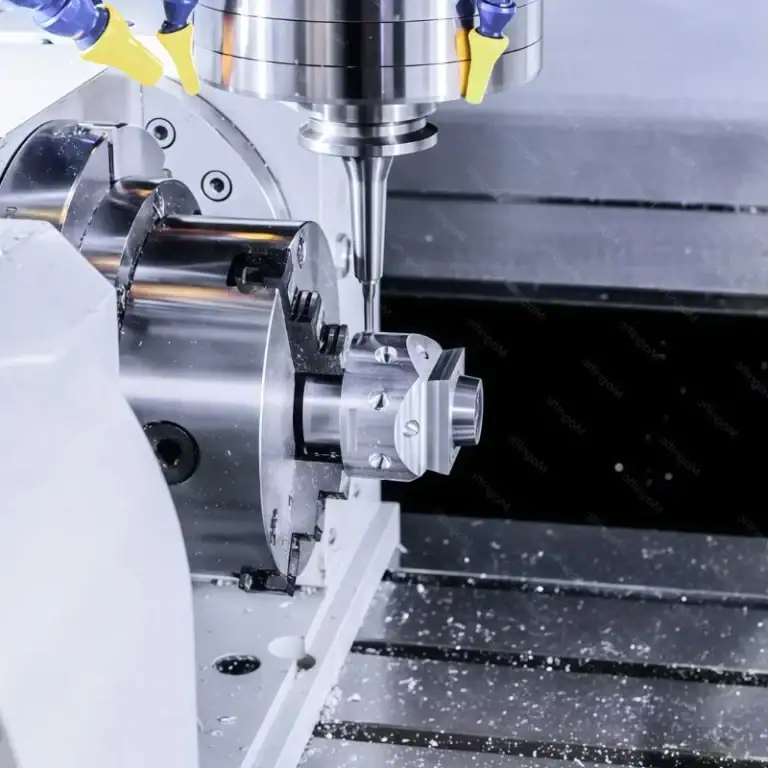
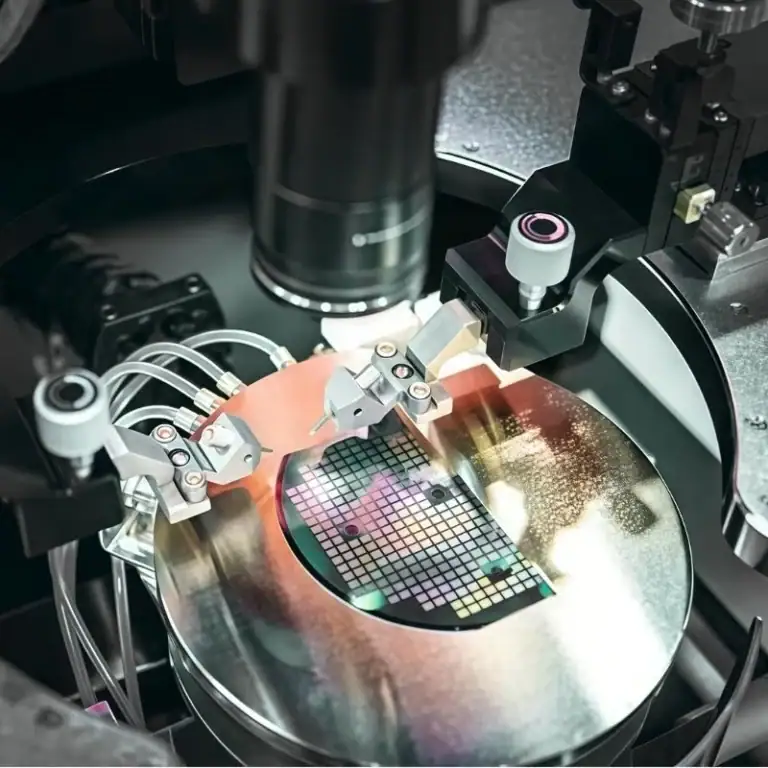
In modern manufacturing systems, small-batch production demand is increasing rapidly, especially in product development, customized equipment, and high-end industrial components, where orders of just a few or a few dozen parts are very common. At the same time, precision machining, with its high accuracy, flexibility, and strong adaptability, has become an important solution for small-batch manufacturing. However, whether it is truly suitable for small-batch production cannot be judged only by cost. It must be evaluated from process characteristics, production logic, and real-world applications.
The Compatibility Logic Between Precision Machining and Small-Batch Production
From a manufacturing perspective, precision machining and small-batch production are naturally well aligned.
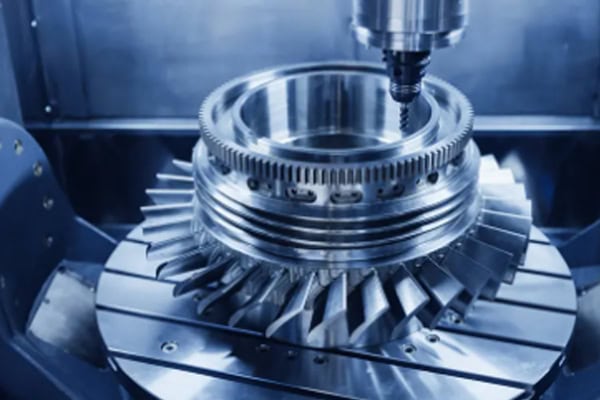
No molds required, direct machining process
One of the biggest challenges in small-batch production is high upfront investment, which precision machining avoids.
- No injection molds or stamping dies required
- CNC programs directly control machining paths
- Eliminates mold development and trial mold processes
- Suitable for rapid design validation
- Ideal for frequently changing product structures
This allows small-batch production to start quickly without long preparation cycles.
Flexible process switching for multiple product types
Small-batch production often means “many types, low quantity.”
- CNC programs can be quickly modified and reused
- Short switching time between different parts
- Fixtures and tooling can be modularly adjusted
- One machine can handle multiple materials and structures
- Strong capability for non-standard parts
This flexibility is something traditional mass production cannot match.
High precision ensures reliable testing and assembly
Small-batch products are often used for testing or validation.
- Accurately reproduces design dimensions
- Prevents errors from affecting test results
- Supports high-precision assembly verification
- Reduces design misjudgment risk
- Improves R&D iteration efficiency
Higher precision means more reliable experimental data.
Cost and Efficiency Characteristics of Small-Batch Precision Machining
Although highly compatible, small-batch production has its own cost structure.
Higher unit cost, but reasonable
Cost distribution in small batches differs greatly from mass production.
- Machine setup time cannot be fully amortized
- Process planning and programming take a larger share
- Preparation cost per part is more significant
- Inspection and calibration costs are per-piece based
However, for high-value parts, this cost is acceptable.
Higher proportion of process preparation time
Small-batch production is not simply “start machining immediately.”
- Process analysis is required for each part
- Programming and toolpath optimization take time
- First article inspection and adjustments are unavoidable
- Fixture design may require customization
- Process validation is more detailed
Preparation often determines final quality and efficiency.
Faster delivery in R&D scenarios
Although not as efficient in mass production, it is faster in development stages.
- No need to wait for mold development cycles
- Direct transition to machining stage
- Immediate reprocessing after design changes
- Ideal for rapid product iteration
- Shortens overall development cycle
This is especially important for innovative products.
Typical Application Scenarios of Small-Batch Precision Machining
Not all products are suitable, but some industries benefit greatly.
R&D and prototype validation stage
This is the most common application scenario.
- Validates structural feasibility
- Tests assembly relationships
- Adjusts design details
- Supports rapid iteration
- Reduces R&D failure costs
This stage requires maximum flexibility.
High-end customized component manufacturing
Customization demand is increasing, making small batches common.
- Medical device custom components
- Aerospace specialized parts
- High-end industrial equipment components
- Laboratory equipment parts
- Customer-specific functional components
Each order may be unique.
Complex and high-difficulty parts
Complex parts are naturally suited for small-batch production.
- High machining difficulty and long cycle time
- Strict process requirements
- Difficult to standardize for mass production
- Used in core functional components
- Quality is more important than quantity
The higher the complexity, the more suitable small batches become.
Precision machining and small-batch production are not simply a matter of “suitable or not,” but rather a naturally compatible manufacturing model. Driven by increasing R&D intensity and customization trends, this approach is becoming more important, helping companies validate designs quickly, reduce development risks, and maintain high-precision output in flexible production environments. In practical applications, platforms like Tirapid, which specialize in high-precision and complex part machining, also provide stable and reliable small-batch manufacturing solutions through mature processes and fast-response production systems.