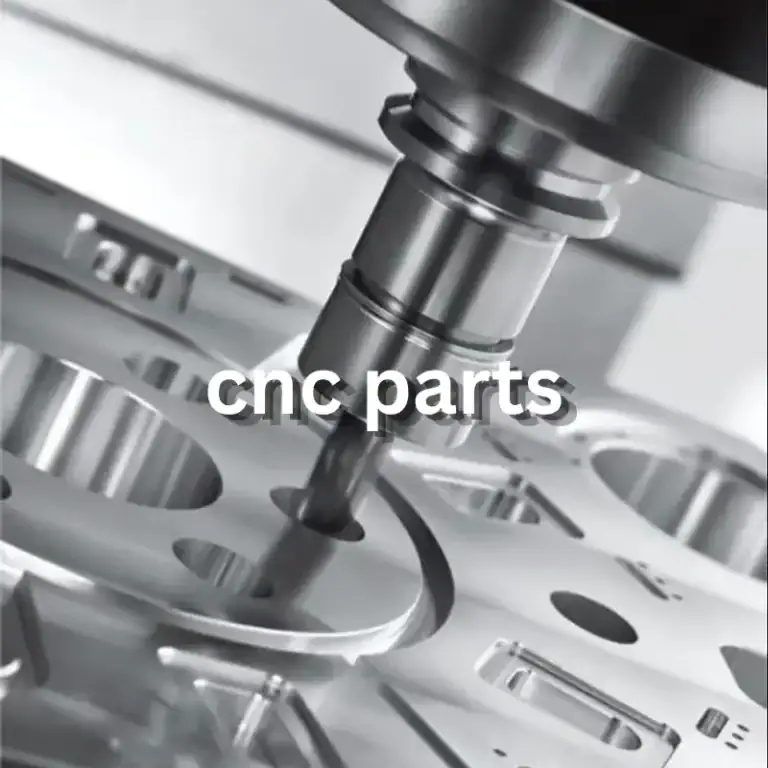
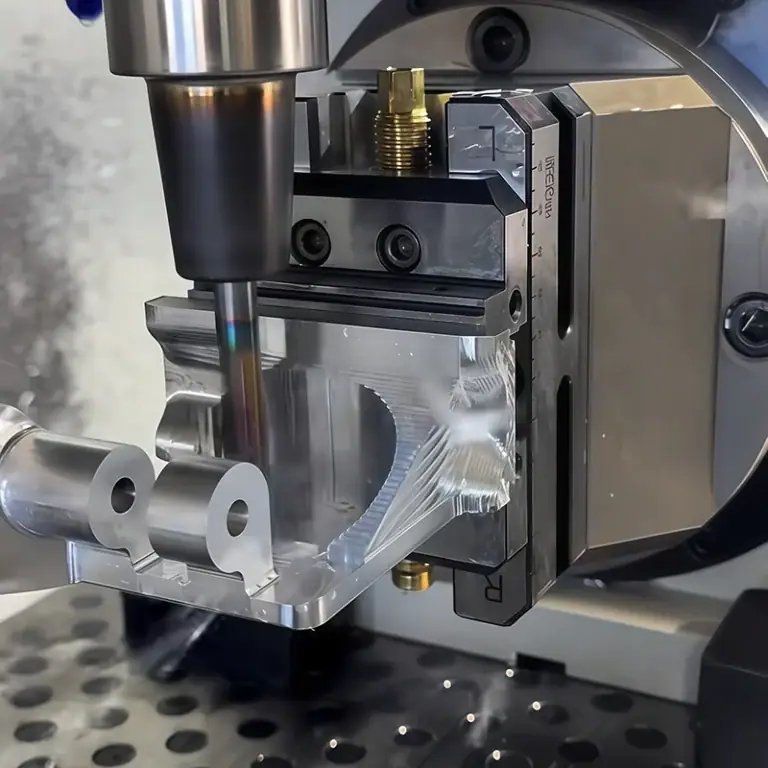
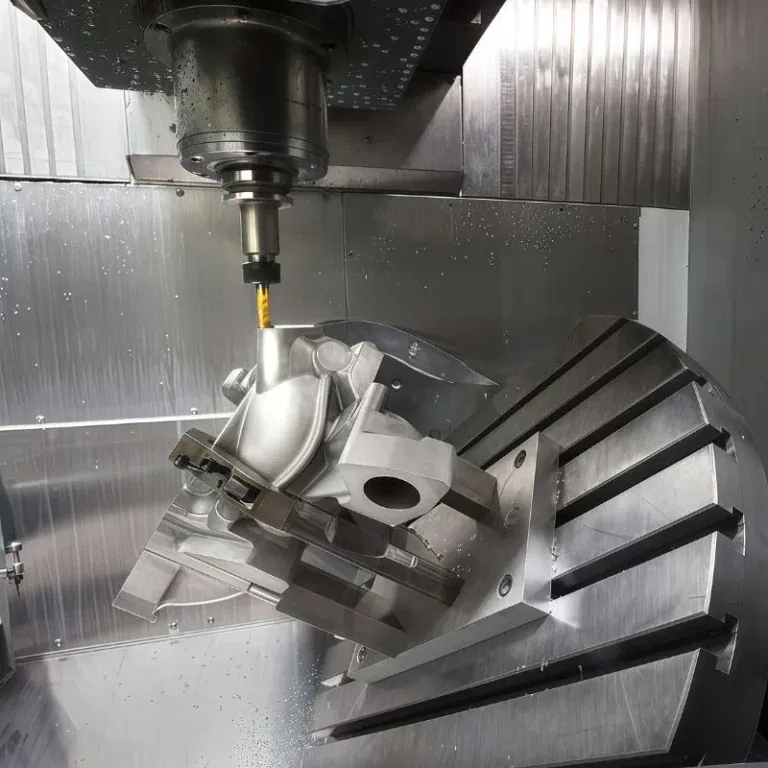
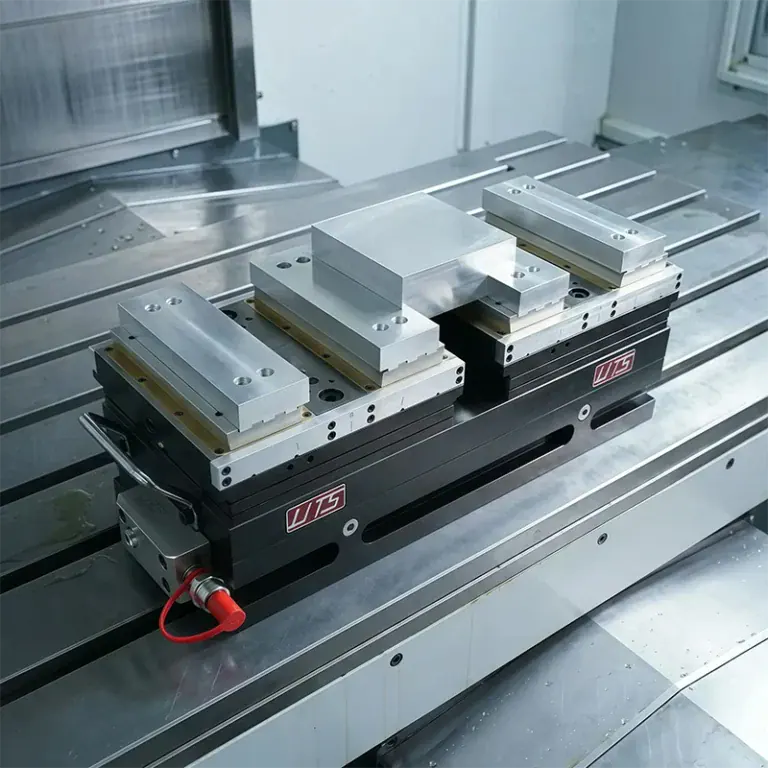
In the continuous development of precision machining toward higher accuracy and consistency, the edge quality of machined parts has become increasingly critical. Processes such as turning, drilling, and milling can form complex geometries, but small burrs, flash, or microscopic metal residues often remain at the edges. Although these defects may appear minor, they can lead to assembly interference, increased wear, or even functional failure in high-reliability industries such as automotive, aerospace, and medical devices, where strict quality requirements are essential.
Mechanical Deburring Methods
Mechanical deburring is one of the most widely used approaches. It removes burrs through manual or mechanical contact and grinding actions. This method is mature, cost-effective, and widely applicable, making it suitable for both medium and large-scale production, especially for accessible or relatively simple geometries.
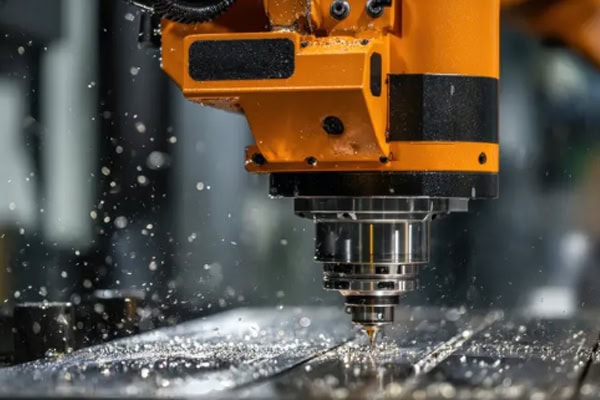
Manual Deburring
Manual deburring uses scrapers, files, or dedicated tools to locally refine part edges. Although it is not highly automated, it remains essential for complex geometries and precision-critical areas.
- Suitable for deep holes, cross holes, and complex internal corners
- Allows fine adjustment on critical mating surfaces
- Highly flexible in operation and force control
- Ideal for small batches or high-value components
Grinding with Wheels or Sandpaper
Grinding is a basic and commonly used deburring method for edge finishing.
- Effectively removes burrs and minor flash
- Improves local surface roughness and appearance
- Applicable to various metals and some engineering plastics
- Limited capability for complex internal structures
Vibratory Finishing
Uses vibrating media to create continuous friction between parts and abrasives for mass finishing.
- Suitable for small and medium-sized batch production
- Combines deburring and polishing functions
- Produces relatively consistent finishing quality
- Limited effectiveness for deep or hidden structures
Thermal Deburring Technologies
Thermal deburring uses instantaneous high temperatures to oxidize or melt burrs, making it especially suitable for internal geometries that are difficult to access mechanically. It is an important advanced process in high-end precision machining.
Thermal Energy Method (TEM)
A controlled gas mixture is ignited in a sealed chamber, generating instant high temperature to remove burrs.
- Suitable for cross holes, internal cavities, and complex channels
- Can process multiple parts simultaneously
- High efficiency and good consistency
- Requires strict safety and process control
Laser Deburring
High-energy laser beams are used to precisely remove micro burrs.
- Non-contact process avoids mechanical stress
- Ideal for microstructures and precision components
- Micron-level precision achievable
- High equipment cost but excellent accuracy
Chemical and Electrochemical Deburring Methods
These methods remove burrs through chemical reactions or electrolysis, enabling uniform finishing without damaging the base material. They are widely used for complex geometries and hard materials in precision machining.
Chemical Etching Deburring
Uses chemical solutions to selectively dissolve burrs.
- Suitable for complex and hard-to-reach areas
- Provides uniform surface treatment
- Minimal impact on base material
- Requires strict control of time and concentration
Electrochemical Deburring (ECD)
Removes burrs through anodic dissolution in an electrochemical process.
- Stable and highly controllable process
- No mechanical damage to the part
- Suitable for hard metals
- Easy to automate for mass production
Hybrid Electrochemical Processing
Combines electrochemical and mechanical effects to improve efficiency and applicability.
- Enables deburring and edge rounding simultaneously
- Suitable for complex precision parts
- Strong process stability and flexibility
- High system integration level
Automated and Intelligent Deburring Technologies
With the advancement of smart manufacturing, deburring is evolving toward automation and digitalization. Robotics, CNC integration, and vision systems significantly improve consistency and efficiency, making them ideal for modern precision production lines.
Robotic Deburring
Industrial robots equipped with specialized tools perform automated deburring operations.
- Programmable path control for complex geometries
- High consistency with reduced human variation
- Suitable for mass production environments
- Can be integrated with polishing systems
CNC-Integrated Deburring
Deburring is performed directly within CNC machining centers.
- Reduces handling and repositioning errors
- Improves machining consistency
- Suitable for high-precision continuous production
- Enhances process efficiency
Intelligent Vision-Based Deburring
Uses machine vision to detect burrs and guide removal processes.
- Automatically identifies burr location and size
- Improves smart manufacturing capability
- Reduces inspection errors
- Enables closed-loop quality control
Importance of Deburring in Precision Machining
In high-end manufacturing, deburring is not merely a finishing step but a critical factor affecting part functionality and reliability. Even tiny burrs in precision components can lead to assembly issues or long-term failure risks, making strict control essential.
Improved Assembly Accuracy
Deburring ensures smoother fitting during assembly.
- Prevents part jamming and interference
- Ensures consistent tolerances
- Improves assembly efficiency and yield
Enhanced Reliability
Removing burrs reduces stress concentration and failure risks.
- Lowers fatigue crack initiation
- Improves structural stability
- Reduces early failure rates
Optimized Surface Performance
Deburring improves overall surface condition and functional performance.
- Higher surface smoothness and consistency
- Better lubrication and friction behavior
- Improved corrosion resistance
In modern precision manufacturing, deburring has evolved from a secondary process into a critical quality control stage. As machining precision continues to improve, the requirements for deburring processes are also becoming more stringent. Tirapid provides high-standard precision machining and post-processing solutions to help manufacturers improve product quality and consistency.