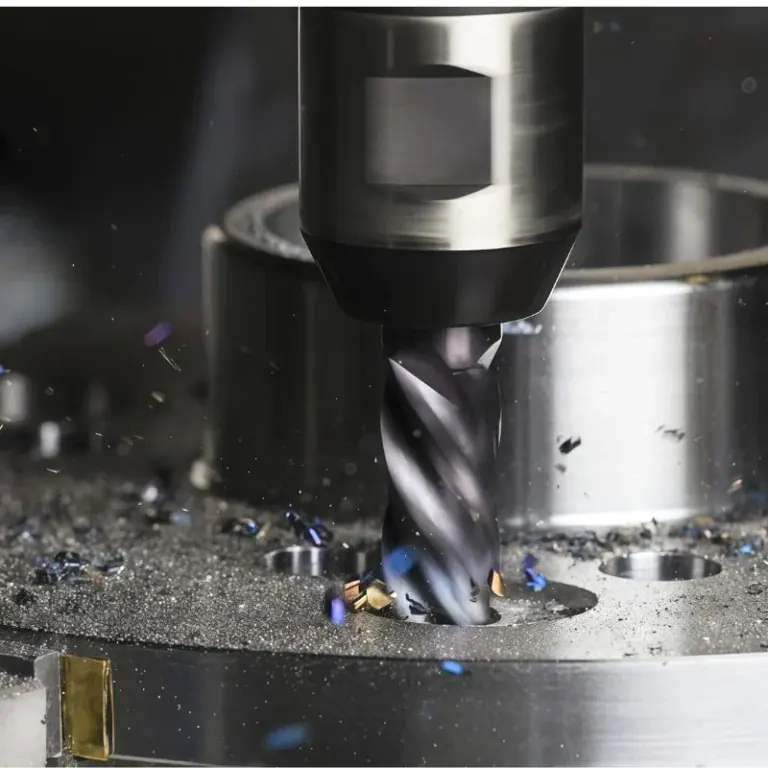
The stable operation of industrial equipment depends on countless high-precision components working together. Many people focus on the performance of motors, control systems, and overall structures, but often overlook the small yet critical parts inside the equipment. In reality, a precision connector, positioning component, or transmission part can directly affect equipment accuracy, efficiency, and service life. As automation and smart manufacturing continue to develop, industrial equipment manufacturers are facing higher requirements for component production, including tighter tolerances, faster delivery, and consistent quality. CNC machining, with its digital control, high precision, and flexible production capabilities, has become an essential manufacturing solution for the industrial equipment industry.
Why Does Industrial Equipment Manufacturing Need CNC Machining?
Industrial equipment usually contains many complex and functional components that must withstand movement, pressure, friction, and different working environments during long-term operation. Compared with standard mechanical parts, industrial equipment components require higher standards in machining accuracy, material performance, and assembly stability. Choosing an unsuitable manufacturing method may increase production costs and affect equipment reliability. CNC machining uses computer-controlled processes to make production more stable while meeting the demand for complex structures and customized manufacturing in modern industrial equipment.
CNC Machining Meets the Requirements of Complex Part Manufacturing
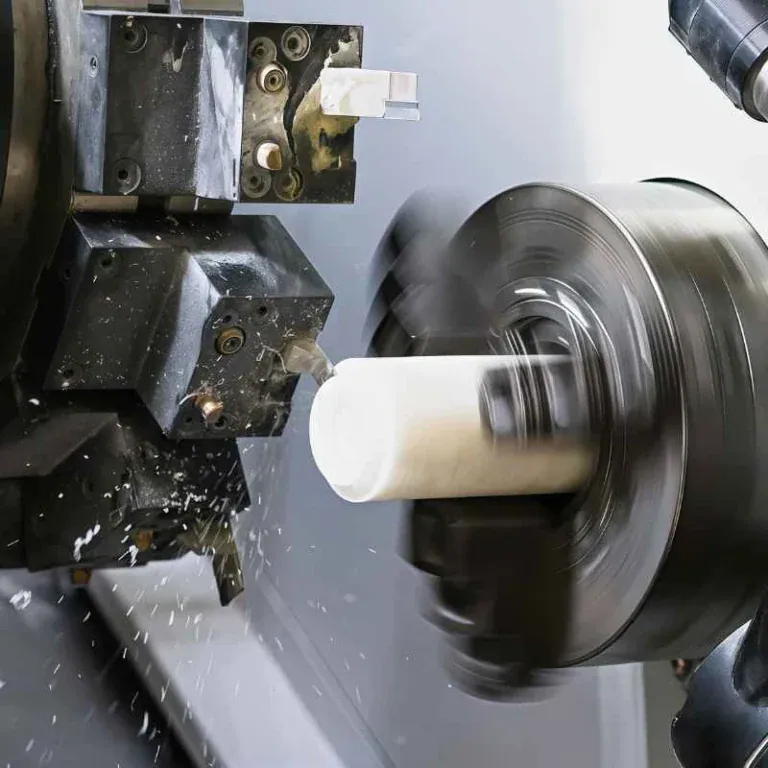
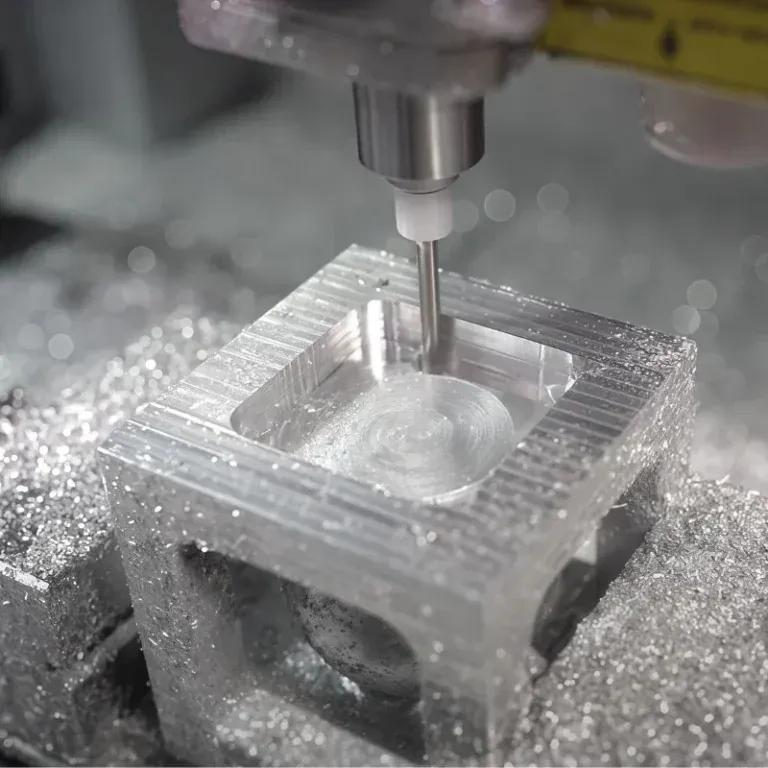
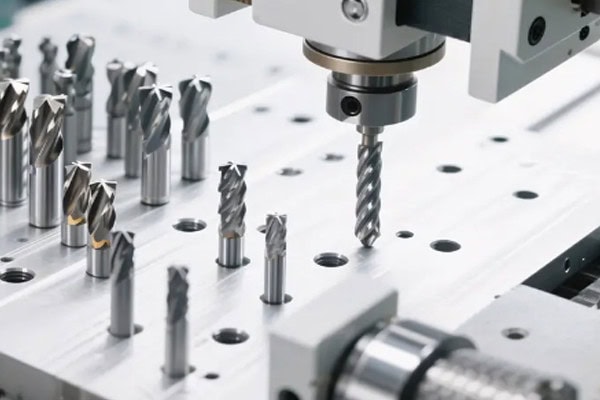
Modern industrial equipment is becoming increasingly sophisticated. Many components are no longer simple geometric shapes but include multiple holes, curved surfaces, grooves, and special mounting structures. Using traditional machining methods for these parts may result in lower efficiency and inconsistent accuracy. CNC machining uses programmed tool movements based on digital models, allowing complex designs to be manufactured accurately.
- Supports complex surfaces, irregular structures, and multi-angle machining.
- Quickly adjusts machining programs according to CAD drawings.
- Reduces manual operation errors and improves part consistency.
For industrial equipment manufacturers, the biggest value of CNC machining is not only producing parts but also improving design flexibility. Engineers can create optimized structures based on equipment requirements without being limited by traditional manufacturing methods.
Improves Part Accuracy and Equipment Stability
Industrial equipment components often require precise matching between parts, such as shaft and hole connections or positioning relationships between moving components. If dimensional errors occur, equipment may experience increased noise, faster wear, or reduced performance during operation.
- Controls critical dimensions to improve assembly accuracy.
- Maintains stable part dimensions during batch production.
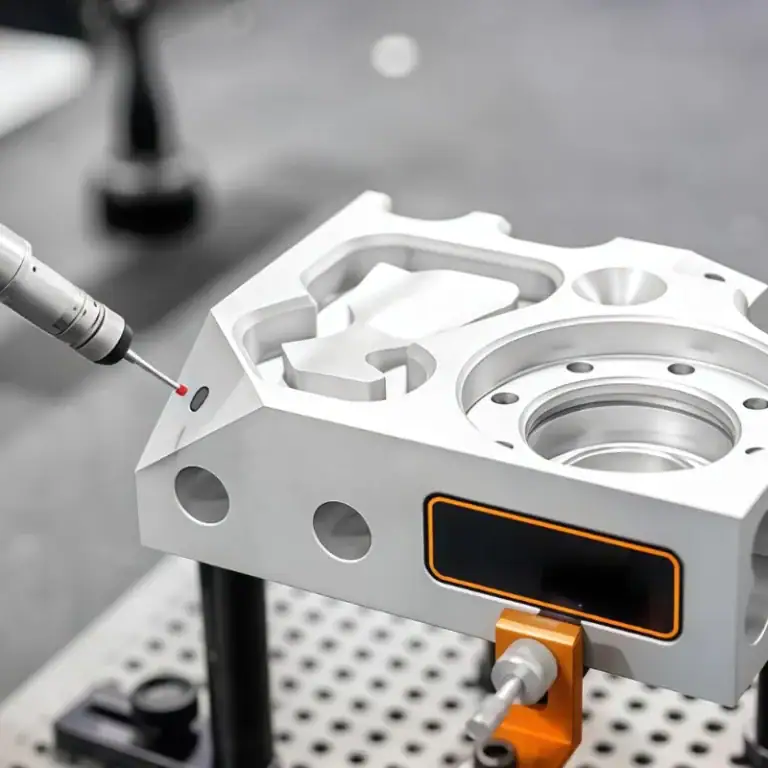
- Uses professional inspection equipment to verify machining quality.
- Reduces later adjustment and maintenance costs.
High-precision CNC machining helps customers obtain more reliable components and ensures industrial equipment maintains stable performance over long-term operation.
CNC Machining Supports Different Industrial Equipment Applications
Industrial equipment covers many industries, and different applications have different requirements for components. For example, automation equipment focuses on motion accuracy, medical equipment emphasizes material safety, while semiconductor equipment requires strict cleanliness and dimensional control.
| Application Field | Common CNC Machined Parts | Main Requirements |
| Automation Equipment | Robotic connectors, positioning modules, guide rail components | High accuracy, stable movement |
| Semiconductor Equipment | Vacuum components, support structures, mounting parts | High cleanliness, strict tolerances |
| Medical Equipment | Precision brackets, functional connectors, housing components | Material safety, surface quality |
| Packaging Equipment | Drive shafts, fixtures, fixing components | Wear resistance, long-term operation |
| Inspection Equipment | Measuring platforms, positioning fixtures, structural parts | Repeatability, consistency |
By selecting suitable machining processes, CNC technology can meet different industrial equipment manufacturing needs and provide customers with flexible part production solutions.
What Are the Advantages of CNC Machining for Industrial Equipment Manufacturing?
From product development to final production, industrial equipment usually goes through several stages, including design verification, prototype testing, small-batch manufacturing, and long-term supply. During these processes, companies care not only about part quality but also production speed and cost control. Compared with traditional manufacturing methods, CNC machining provides significant advantages in rapid response, customized production, and design modification, helping industrial equipment manufacturers improve overall development efficiency.
Accelerates Equipment Development and Prototype Validation
During industrial equipment development, engineers often need to modify part structures based on testing results. Traditional mold-based production requires higher initial investment, and design changes can take more time. CNC machining does not require mold production, making it more suitable for rapid design verification.
- Supports fast production of engineering prototypes.
- Shortens production cycles after design changes.
- Reduces manufacturing costs during development stages.
For companies that frequently optimize products, CNC machining allows engineering teams to quickly evaluate real parts and improve development efficiency.
Suitable for Customized and Low-Volume Manufacturing
Many industrial equipment products are not standard items but are designed according to specific customer requirements. This means components often involve different designs, limited quantities, and higher manufacturing demands.
- Supports low-volume and multi-variety production.
- Quickly switches between different machining programs.
- Meets customized and non-standard part requirements.
CNC machining is highly suitable for this production model, helping companies balance flexibility, efficiency, and cost control.
Maintains Consistent Quality in Long-Term Production
Industrial equipment manufacturers usually require continuous part supply. Delivering the first batch successfully is not enough; maintaining consistent quality across future batches is equally important.
- CNC programs ensure stable machining processes.
- Standardized workflows reduce human variation.
- Simplifies quality management for batch production.
Stable CNC machining capabilities help customers build a more reliable supply chain and reduce uncertainty during manufacturing.
Which Industrial Equipment Parts Are Suitable for CNC Machining?
CNC machining has a wide range of applications, from simple structural components to highly complex functional parts. In industrial equipment manufacturing, many important components rely on CNC technology because even small parts can have a major impact on equipment performance.
Precision Structural Components
Industrial equipment uses many structural parts for support, connection, and positioning. Although these components may appear simple, they require high dimensional stability.
- Equipment bases.
- Mounting brackets.
- Positioning plates.
- Connection components.
These parts must maintain accurate dimensions to ensure proper installation. CNC machining helps structural components meet design requirements and improves overall equipment reliability.
Motion Control Components
Some industrial equipment requires high-speed movement or precise positioning, making internal motion components more demanding.
- Transmission shafts.
- Sliding guide components.
- Precision connecting parts.
These components require not only accurate dimensions but also good surface finishes to reduce friction and wear during operation.
Functional Parts Made from Special Materials
As industrial equipment performance improves, more components are manufactured using advanced materials such as engineering plastics, aluminum alloys, and corrosion-resistant metals.
- Insulation components.
- Wear-resistant parts.
- High-strength connectors.
CNC machining can adjust processing parameters according to different material characteristics, helping customers produce components suitable for specific working environments.
How to Choose a CNC Machining Supplier for Industrial Equipment?
Selecting a CNC machining supplier for industrial equipment requires more than checking equipment capacity. Customers should also consider engineering experience, quality management, and project support capabilities. A reliable manufacturing partner should not only produce parts according to drawings but also help optimize designs and improve manufacturing processes.
Evaluate Machining Experience and Technical Capability
Industrial equipment components vary greatly in complexity. Without sufficient experience, suppliers may struggle with challenging projects. A capable manufacturer should understand different material characteristics and develop suitable machining solutions.
- Experienced in machining metals and engineering plastics.
- Capable of producing complex components.
- Able to provide machining optimization suggestions.
Strong technical experience helps customers reduce trial-and-error costs and improve project progress.
Check Quality Inspection Capabilities
Industrial equipment parts often need to operate reliably for long periods. A complete inspection system ensures that components meet design requirements.
- Inspect critical dimensions and geometric tolerances.
- Use professional measurement equipment for verification.
- Ensure consistency between production batches.
Strict quality control reduces assembly risks and improves overall equipment reliability.
Look for Design Optimization Support
Many machining problems can be solved before production begins. Suppliers with DFM analysis capabilities can help customers optimize part designs in advance.
- Identify potential machining difficulties early.
- Reduce manufacturing costs.
- Improve production efficiency.
Working together from design to production makes industrial equipment part manufacturing smoother and more efficient.
CNC machining has become an important technology in industrial equipment manufacturing. Whether for new product development, prototype production, or long-term customized part supply, CNC provides efficient and reliable manufacturing support. Through high-precision machining, flexible production capabilities, and strict quality control, CNC machining helps industrial equipment manufacturers improve product performance and market competitiveness. Tirapid specializes in CNC machining services, providing high-precision custom part manufacturing solutions for industrial equipment applications.