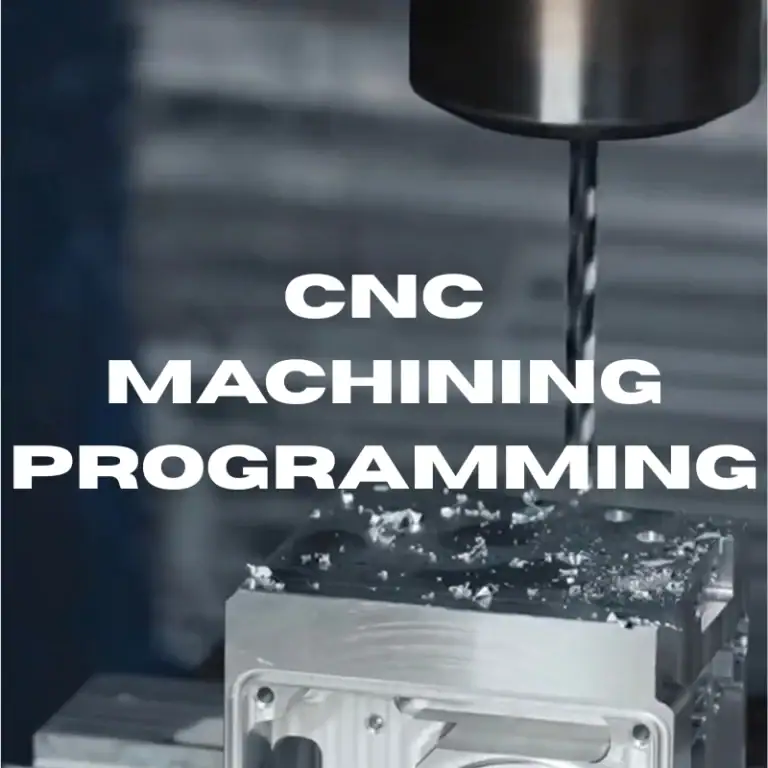
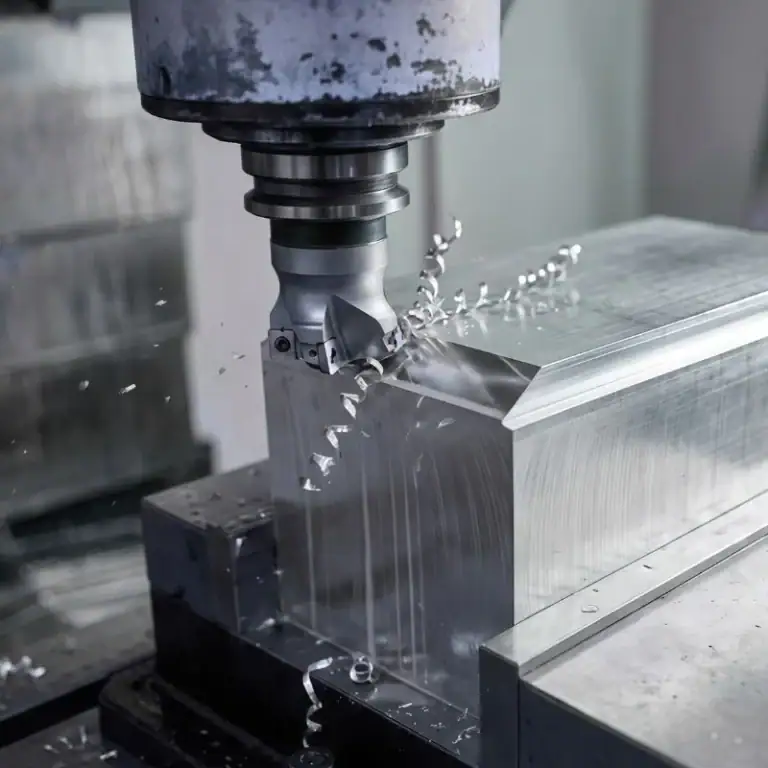
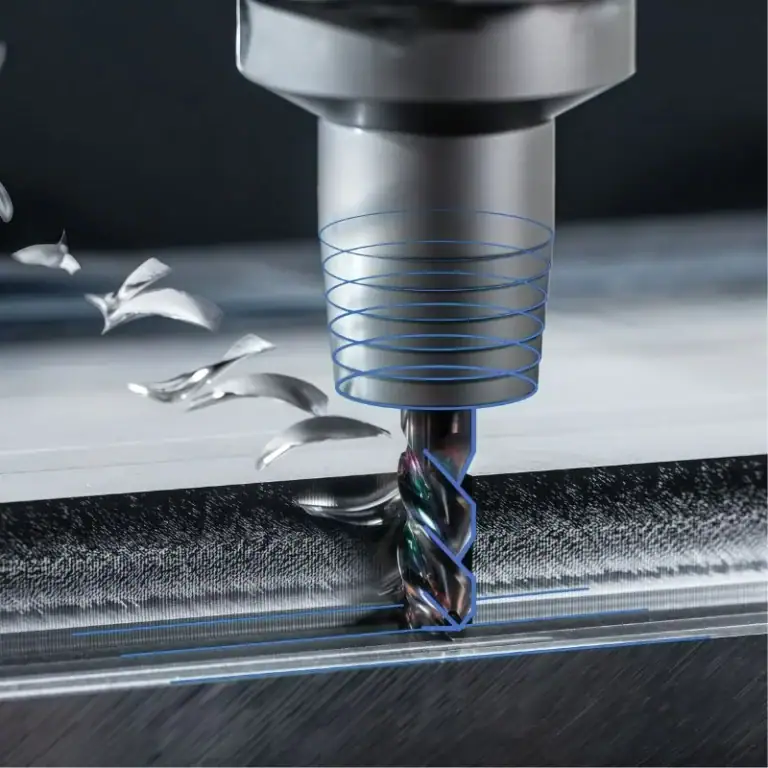
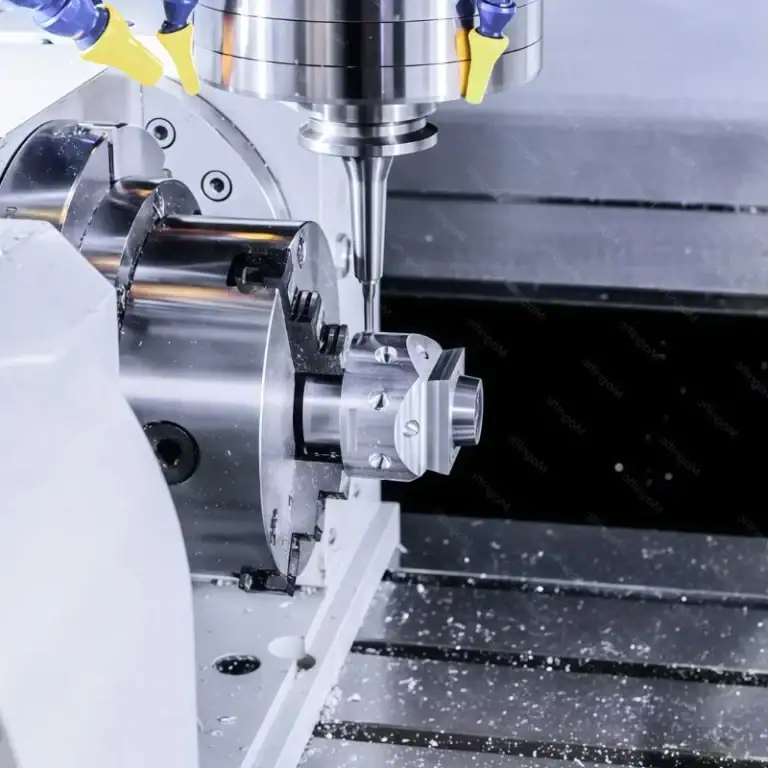
Severe heat generation is a common problem during turning operations. Excessive temperature not only affects machining accuracy, but also accelerates tool wear, reduces surface quality, and may even cause tool chipping or machine instability.The heat generated during turning mainly comes from friction between the cutting tool and the workpiece, as well as heat produced during metal deformation. If cutting parameters, cooling systems, or tool conditions are not properly controlled, heat will continue to accumulate. Therefore, machining processes, cooling methods, and machine conditions must all be optimized to reduce excessive heat.
Main Causes of Severe Heat Generation in Turning Machining
High temperatures during turning are usually related to cutting load and friction conditions. When the cutting tool operates under high pressure and heavy friction for long periods, heat quickly concentrates in the cutting zone. If heat dissipation is insufficient, temperature will continue rising and negatively affect the entire machining process.
Improper Cutting Parameter Settings
Cutting parameters directly affect the amount of heat generated during machining. If spindle speed, feed rate, or cutting depth are too high, friction between the tool and workpiece will increase significantly, generating excessive heat. In high-speed machining environments, unreasonable parameter settings can rapidly raise tool temperature within a short period.
- Excessive spindle speed increases friction heat
- High feed rates increase cutting load
- Deep cutting depth causes heat concentration
- Continuous high-speed machining accumulates temperature
- Roughing and finishing use the same parameters
- Sudden acceleration and deceleration create impact heat
- Continuous full-load machining causes overheating
Improper cutting parameters keep tools operating under high-temperature conditions, accelerating wear and reducing machining stability.
Tool Condition and Material Mismatch
The compatibility between tool performance and workpiece material directly affects heat generation. If the tool is worn or lacks heat resistance, cutting resistance will increase significantly, causing the machining area to continuously heat up.
- Worn tools increase friction resistance
- Dull cutting edges reduce cutting sharpness
- Tool coatings lack sufficient heat resistance
- Tool material unsuitable for the workpiece
- Stainless steel machining creates built-up edges
- Improper edge angles increase friction
- Hard materials generate heat faster during cutting
Unstable tool conditions continuously increase cutting heat and further reduce machining efficiency and workpiece quality.
The Influence of Cooling Systems on Machining Temperature
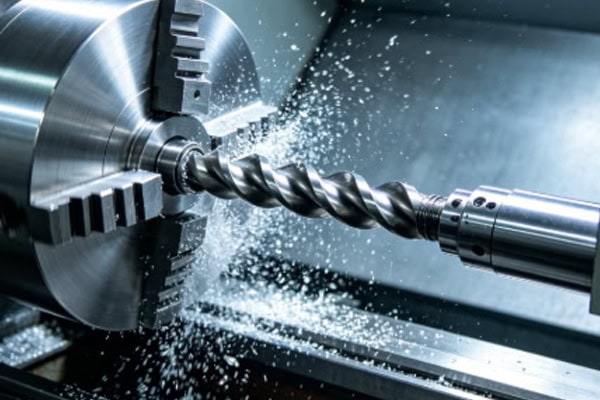
Cooling systems are essential for controlling machining temperature during turning. If coolant cannot effectively cover the cutting area, or if flow and pressure are insufficient, heat cannot be removed quickly, causing temperatures to rise continuously.
Insufficient Coolant Supply
Coolant not only reduces cutting temperature but also lowers friction between the tool and workpiece. If coolant supply is insufficient, heat will remain concentrated near the cutting edge, causing rapid tool heating.
- Insufficient coolant flow
- Incorrect nozzle position cannot cover the cutting edge
- Low coolant pressure reduces cooling performance
- Unstable coolant circulation
- Coolant not replaced regularly
- Incorrect coolant concentration ratio
- Blocked pipelines reduce flow efficiency
Stable coolant supply quickly removes heat and reduces high-temperature tool wear.
Insufficient Lubrication Performance
Besides cooling, cutting fluid also provides lubrication. If lubrication performance is poor, friction between the tool and workpiece increases significantly, causing cutting temperature to rise continuously.
- Poor lubrication capability of cutting fluid
- Lubrication film failure during high-speed machining
- Excessive impurities in cutting fluid
- High friction coefficient on tool surfaces
- Metal adhesion increases cutting resistance
- Dry cutting environments generate more heat
- Uneven lubrication causes localized overheating
Good lubrication conditions reduce cutting friction, improve machining stability, and lower heat accumulation.
The Impact of Machine Stability on Heat Problems
Machine operating conditions greatly influence machining temperature. If machine rigidity is insufficient or spindle vibration exists, cutting force fluctuation will increase friction and heat generation.
Spindle Vibration and Runout
If spindle vibration or runout occurs during high-speed operation, the cutting tool experiences uneven force, increasing localized friction. Long-term vibration also causes abnormal tool wear, making heat problems more severe.
- Worn spindle bearings increase vibration
- Poor dynamic balance during high-speed machining
- Excessive tool overhang length
- Poor workpiece clamping causes movement
- Interrupted cutting creates periodic impact
- Cutting force fluctuation causes resonance
- Long-term operation increases machine temperature
Stable spindle operation reduces friction fluctuation and keeps cutting temperature more stable.
Insufficient Tool Clamping Stability
Unstable tool clamping causes cutting path deviation and additional friction force. In some machining environments, worn tool holders or insufficient locking force allow slight tool movement during high-speed cutting.
- Insufficient tool locking force
- Worn tool holders reduce positioning accuracy
- Tool holder eccentricity causes runout
- Excessive tool overhang lowers rigidity
- Incorrect insert installation angle
- Micro vibration during high-speed machining
- Uneven tool installation increases friction
Stable clamping structures reduce abnormal friction and improve tool heat dissipation efficiency.
How to Reduce Heat Problems During Turning
Reducing heat generation requires adjustment of machining processes, tool conditions, and machine operation. By optimizing cutting parameters and improving heat dissipation conditions, cutting zone temperature can be effectively controlled.
Optimizing Cutting Parameters
Machining parameters should match workpiece materials and tool performance to avoid excessive cutting load. During hard material machining, single-pass cutting pressure should be reduced while controlling continuous machining time.
- Adjust spindle speed according to material type
- Control feed rate to reduce friction
- Use layered cutting to reduce heat concentration
- Separate roughing and finishing parameters
- Avoid continuous high-speed machining for long periods
- Reduce sudden acceleration and deceleration
- Dynamically adjust parameters based on tool condition
Reasonable parameters reduce cutting load and stabilize heat distribution.
Improving Cooling and Heat Dissipation Efficiency
Efficient heat dissipation systems quickly lower cutting zone temperature and reduce machining problems caused by heat accumulation. In modern high-speed turning, high-pressure cooling has become an important cooling method.
- Use high-pressure cooling systems
- Increase coolant coverage area
- Maintain stable coolant circulation
- Regularly clean cooling pipelines
- Improve coolant lubrication performance
- Control coolant concentration ratio
- Use heat-resistant cutting fluids
Effective cooling systems reduce tool temperature and improve machining stability and tool life.
The Role of Automated Monitoring Systems in Temperature Control
With the development of intelligent manufacturing, more turning machines now use automated monitoring systems to control machining temperature. These systems analyze cutting conditions in real time and automatically adjust machining parameters according to temperature changes.
Temperature Monitoring and Data Analysis
Sensors can collect real-time temperature data from the machining area and feed it back to the control system for dynamic adjustment. Long-term data collection also helps establish temperature models for early abnormality detection.
- Real-time monitoring of tool temperature
- Analysis of spindle load changes
- Detection of vibration and friction conditions
- Automatic recording of temperature rise data
- Identification of abnormal high-temperature areas
- Prediction of tool overheating risk
- Analysis of long-term temperature trends
Intelligent temperature monitoring helps identify abnormal conditions early and reduces heat-related machining problems.
Intelligent Adjustment and Automatic Control
Automated systems can adjust cutting parameters according to real-time data, keeping machining temperature within a stable range. Dynamic adjustment of cutting speed and coolant flow effectively reduces heat accumulation.
- Automatically reduce cutting speed
- Dynamically adjust feed rate
- Automatically control coolant flow
- Adjust machining rhythm according to load
- Provide early warning for overheating
- Automatically switch backup tools
- Record abnormal temperature data automatically
Intelligent control systems improve machining stability and reduce the impact of high temperatures on tools and workpieces.
Recommendations for Handling Heat Problems in Turning Machining
When severe heat generation occurs during turning, cutting parameters, tool conditions, and cooling system performance should be inspected immediately. Machine vibration and clamping conditions should also be checked to prevent excessive friction from causing continuous temperature rise.
By optimizing machining processes, improving cooling efficiency, and strengthening machine maintenance, manufacturers can effectively reduce heat problems during turning and maintain more stable machining operations.