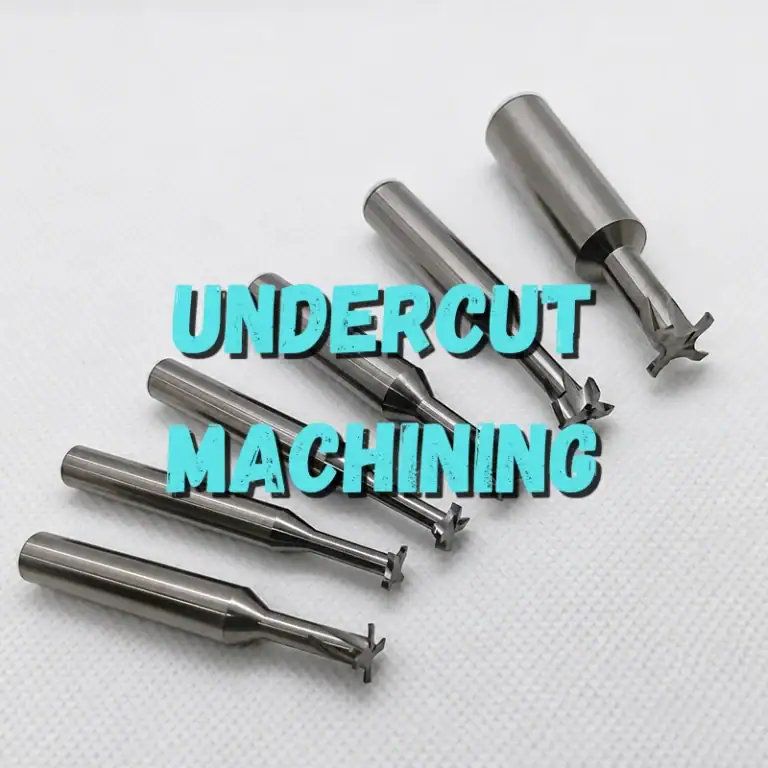
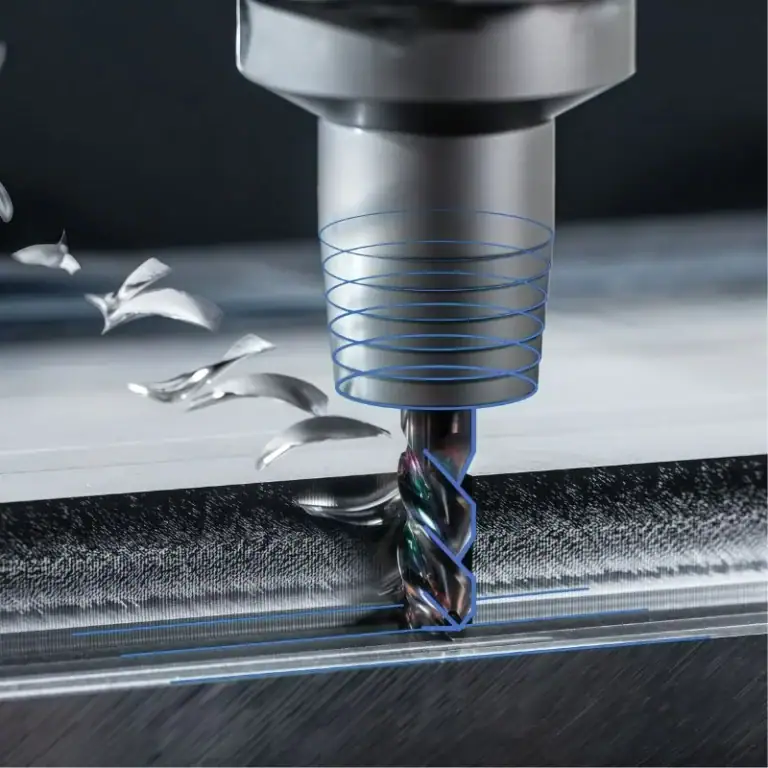
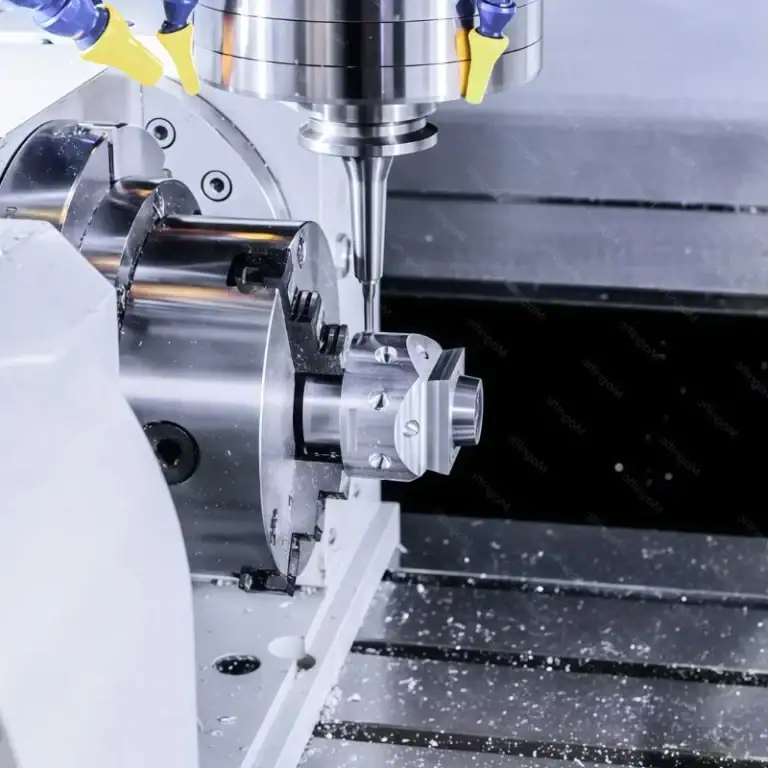
The aerospace industry is widely regarded as one of the fields with the highest manufacturing precision requirements. Whether it is aircraft engines, spacecraft structures, or critical satellite components, all require extremely high dimensional accuracy, material stability, and long-term reliability. Since aerospace equipment operates under high temperature, high pressure, high speed, and complex vibration environments, conventional machining methods are often unable to meet these demands. As a result, precision machining has become a core foundational technology within the aerospace manufacturing industry.
Precision Machining Applications in Aircraft Engines
Aircraft engines are often called the crown jewel of industrial manufacturing, and many of their core components rely heavily on precision machining.
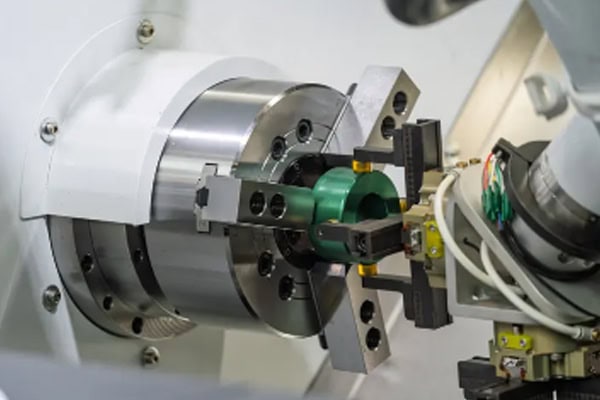
Extremely High Requirements for Engine Blade Machining
Engine blades not only have highly complex geometries but also directly affect flight efficiency and safety.
- Turbine blades usually feature highly complex 3D curved surfaces, making machining extremely difficult
- Blade surface accuracy directly impacts airflow efficiency and combustion performance
- High-temperature alloy materials are difficult to machine and require advanced tooling and equipment
- Even minor dimensional deviations may cause engine vibration or failure
- Multi-axis machining improves consistency for complex surface manufacturing
The capability to machine aircraft engine blades often represents the level of a country’s advanced manufacturing industry.
Higher Stability Requirements for High-Temperature and High-Speed Components
Internal engine components operate under extreme conditions for long periods.
- Turbine discs require extremely high dynamic balance accuracy
- Compressor components must maintain stable operation at high rotational speeds
- Precision hole machining affects fuel and airflow control performance
- High-temperature structural components require strict thermal deformation control
These parts demand not only precision but also long-term reliability.
Precision Machining of Aircraft Structural Components
Modern aircraft increasingly focus on lightweight design, driving demand for more complex structural parts.
Machining Large and Complex Aluminum Alloy Structures
Aircraft structural components are typically large, thin-walled, and difficult to machine.
- Aircraft frames must reduce weight while maintaining structural strength
- Thin-wall parts are highly prone to deformation during machining
- Multi-cavity structures require complex toolpaths and stable fixturing
- Large component machining requires machines with high rigidity and long travel ranges
- High-precision assembly holes must maintain excellent consistency
Structural component accuracy directly affects overall aircraft assembly quality.
Increasing Use of Titanium Alloys and Composite Materials
As aerospace materials continue to evolve, machining difficulty also increases.
- Titanium alloys offer high strength but are difficult to machine
- Composite materials require specialized cutting methods to avoid delamination
- Poor thermal conductivity increases the risk of machining heat deformation
- Tool wear rates are much higher compared to conventional metals
Material advancements are driving simultaneous improvements in precision machining technology.
Applications in Spacecraft and Satellite Systems
Compared with aviation manufacturing, the space industry requires even stricter precision and stability.
Satellite Structures and Precision Components
Many satellite components belong to the category of ultra-precision manufacturing.
- Optical brackets require micron-level machining accuracy
- Precision connection structures must maintain long-term stability
- Vacuum environments demand excellent dimensional stability
- Small errors can affect satellite orbit control and communication capability
The aerospace industry has extremely low tolerance for manufacturing errors.
Rocket and Propulsion System Manufacturing
Propulsion system components require extremely high reliability.
- Combustion chamber structures must withstand extremely high temperatures and pressures
- Nozzle precision directly affects propulsion efficiency
- Sealing structures must prevent gas leakage
- Multi-material composite structures increase machining complexity
- Large critical components require strict quality traceability
Space manufacturing emphasizes long-term stability and operational safety.
Why Aerospace Manufacturing Depends on Precision Machining
The aerospace industry not only pursues performance but also demands reliability and consistency.
High Safety Standards Determine Machining Standards
Aerospace components cannot tolerate significant deviations.
- Small dimensional errors may increase flight risks
- Assembly deviations affect overall system stability
- Long-term fatigue conditions require highly stable components
- High-speed rotating systems require extremely accurate balancing
Machining precision itself is part of the safety system.
Precision Machining Drives Aerospace Technology Advancement
Many advanced aerospace technologies rely directly on manufacturing capability.
- Five-axis machining improves complex component production
- High-speed machining increases efficiency for large structures
- Online inspection improves batch consistency
- Automated machining reduces human-related errors
- Digital manufacturing enhances process traceability
Manufacturing capability determines the upper limit of aerospace development.
Future Trends in Aerospace Precision Machining
As the industry evolves, machining technology will continue advancing.
Higher Precision and More Complex Structures
Future aerospace components will become lighter and more complex.
- Demand for ultra-thin structural components will continue increasing
- Miniature precision components will become more common
- Multi-material hybrid structures will expand rapidly
- Components designed for extreme environments will require even higher standards
Future manufacturing competition will focus not only on precision but also on stability.
Intelligent Manufacturing Becoming the Industry Trend
Digitalization and automation are transforming traditional machining methods.
- AI-driven process optimization improves machining efficiency
- Online monitoring enables real-time error correction
- Automated production lines improve batch consistency
- Digital twin technology optimizes manufacturing processes
- Data management strengthens quality traceability
Smart manufacturing is pushing the aerospace industry into a new stage of development.
Precision machining has become an indispensable technology within the aerospace manufacturing industry. Whether for engine core components, aircraft structural parts, or spacecraft precision systems, the industry relies heavily on high-accuracy and high-stability manufacturing capabilities. As aerospace manufacturing continues moving toward lightweight structures, higher performance, and increased complexity, the importance of precision machining will continue to grow. In advanced manufacturing, platforms such as Tirapid, which specialize in complex parts and high-precision machining, provide stable and reliable manufacturing support for the aerospace industry through mature processes and strict quality control.