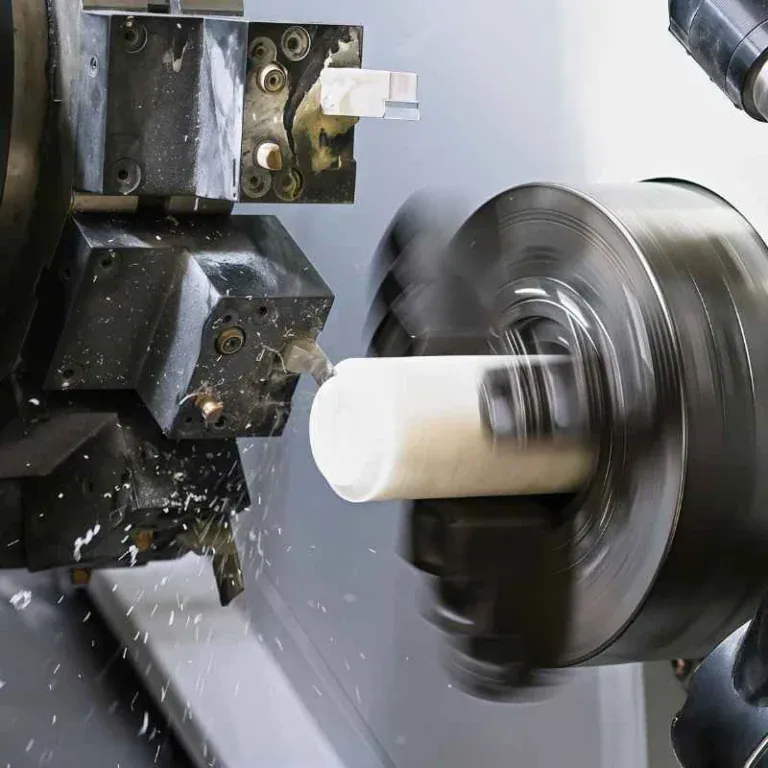
CNC machining of plastic parts is widely used in the production of industrial equipment, electronic products, automotive components, medical device housings, automation machinery, and precision structural components. During manufacturing, many plastic parts require mounting holes, positioning holes, threaded holes, through-holes, blind holes, and irregularly shaped holes. These hole structures not only determine how parts are connected but also affect assembly accuracy, structural strength, and equipment operating stability. Among common CNC machining processes, both CNC drilling and CNC milling can create holes, but the two methods differ significantly in tool movement, material removal methods, machining efficiency, and dimensional control.
Plastics have different machining characteristics from metals. Materials such as ABS, POM, nylon, PC, and PEEK vary in hardness, toughness, thermal conductivity, and elastic recovery. Some plastics are prone to burr formation, chip accumulation, and localized thermal deformation during cutting. Thin-walled parts may also be affected by clamping pressure and cutting forces. Therefore, choosing between drilling and milling should not depend solely on hole diameter. The part drawing, hole shape, dimensional tolerances, machining depth, and subsequent assembly requirements must also be evaluated.
What Are the Differences Between CNC Drilling and Milling Principles?
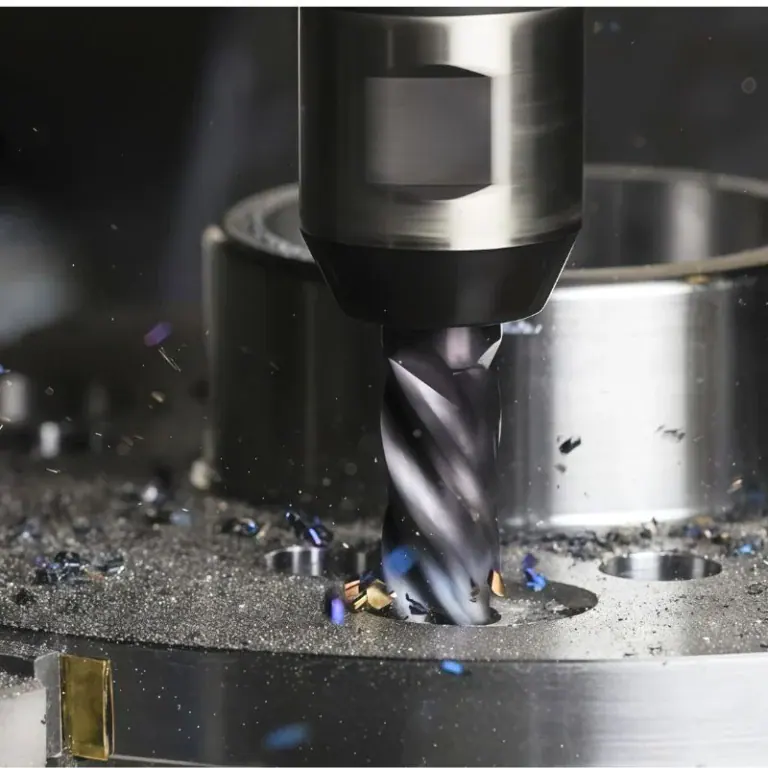
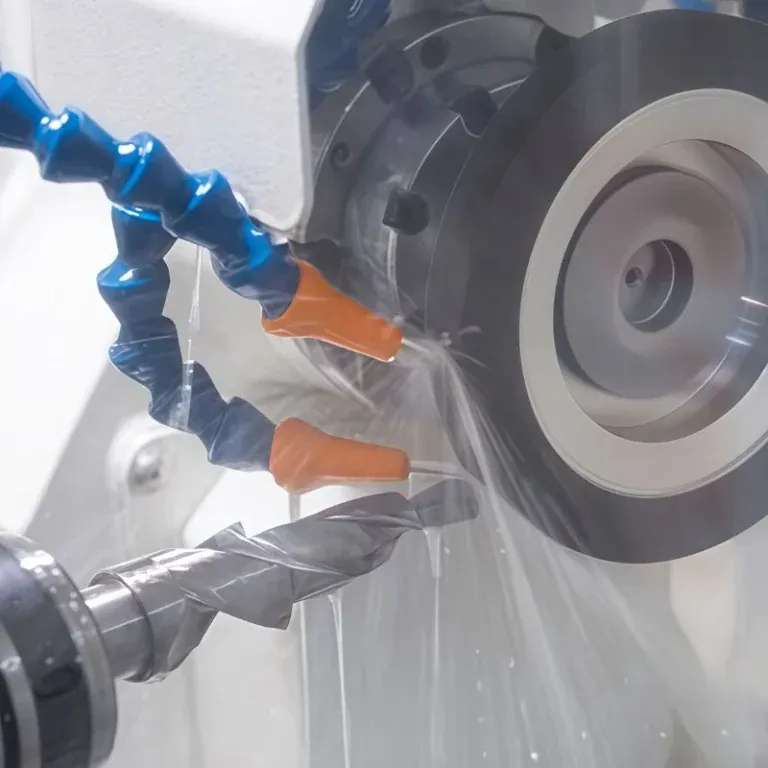
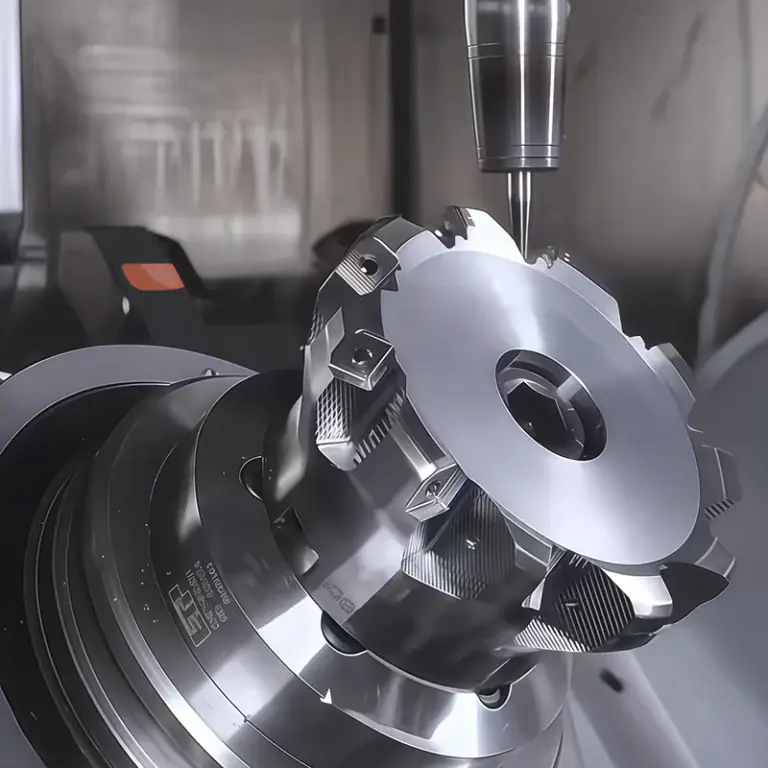
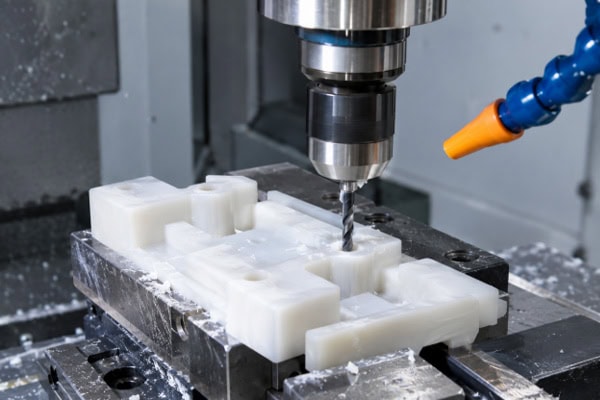
The most obvious difference between CNC drilling and milling lies in the movement of the cutting tool. Drilling mainly relies on a rotating drill bit that feeds along the hole axis, gradually removing material to form a hole. Milling typically uses rotating tools such as end mills to remove material through relative movement between the tool and the workpiece along a predefined path. Both methods can be performed on CNC machining centers, but their suitable hole shapes and machining paths differ.
CNC Drilling Is Suitable for Regular Round Holes
CNC drilling typically uses twist drills or specialized drill bits designed for plastic machining. The machining program controls spindle speed, feed rate, and drilling depth according to the drawing requirements, allowing the tool to enter the workpiece along a predetermined axis until the specified dimensions are achieved. For plastic parts with fixed hole diameters and simple structures, drilling generally does not require complex tool paths, and program setup is relatively straightforward. Common applications include bolt holes in plastic brackets, mounting holes in equipment housings, positioning holes in mechanical components, and pilot holes for screw connections. When machining electronic equipment housings and industrial plastic panels, CNC drilling can continuously produce holes according to predefined coordinates if multiple holes have the same diameter and their positions are clearly specified in the drawing.
The main characteristics of drilling include:
Simple machining paths: The tool mainly moves along the hole axis, making programming relatively straightforward and suitable for repeatedly machining round holes of the same specifications.
High production efficiency: For parts with uniform hole diameters and large quantities of holes, drilling can usually reduce the machining time required for each hole.
Straightforward tool selection: Suitable drill bits can be selected according to the target hole diameter, depth, and plastic material, making it easier to establish standardized machining processes.
Chip evacuation requires attention: If plastic chips accumulate inside the hole, friction between the tool and hole wall may increase, causing localized heating, hole wall damage, or dimensional deviations.
For deep holes, thin-walled plastic parts, and components with strict requirements for hole exits, feed methods and chip evacuation must also be carefully controlled. When necessary, methods such as step feeding and intermittent tool retraction can help prevent chip blockage. For plastics prone to burr formation or breakout at the hole exit, drill geometry and machining parameters should also be adjusted according to the material characteristics.
CNC Milling Forms Holes Through Tool Paths
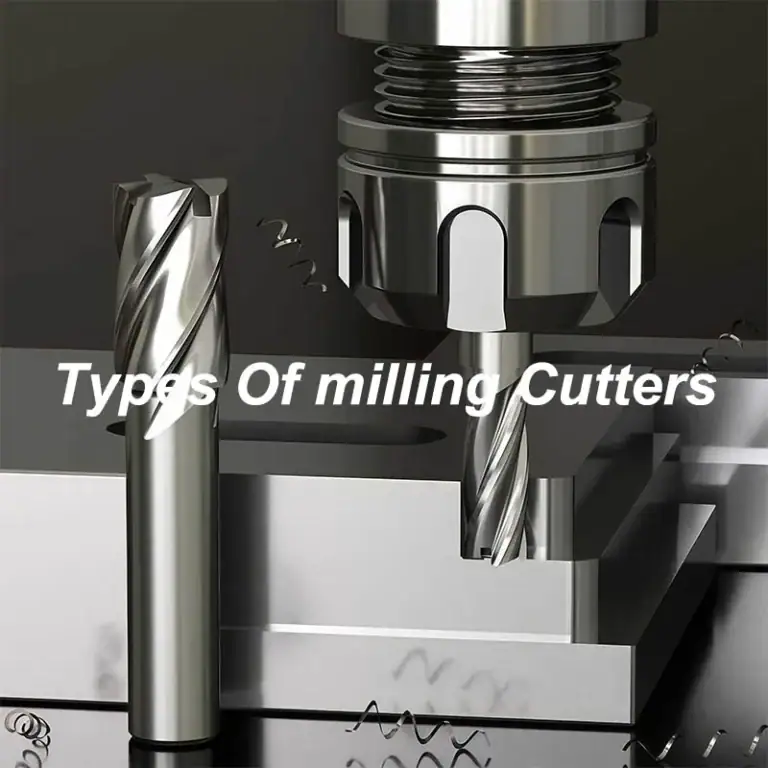
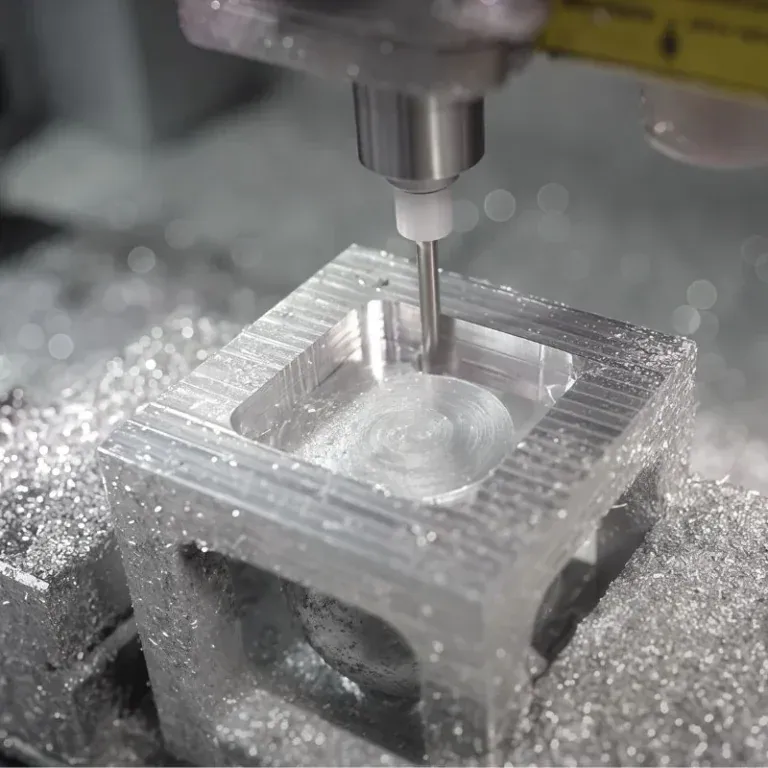
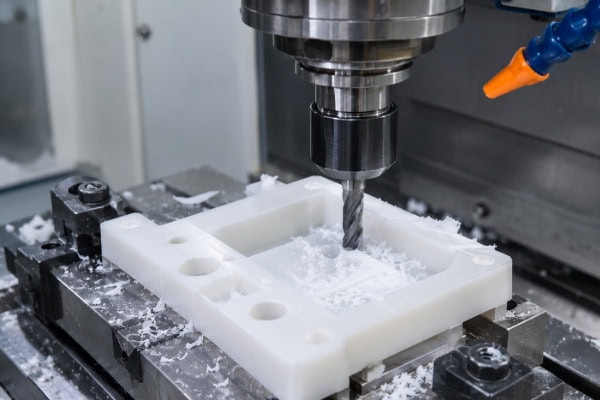
CNC milling typically uses rotating tools such as end mills to machine holes through circular interpolation, helical interpolation, or layered cutting. Unlike a drill bit that primarily feeds along the axial direction, a milling cutter can move along programmed paths within the workpiece plane. This allows it to machine round holes of different diameters, as well as elongated slots, square-profile openings, and other irregularly shaped holes. For example, some plastic equipment panels require non-standard mounting holes to accommodate specific connectors or assembly spaces. A fixed-diameter drill bit may not produce the required shape, whereas CNC milling can gradually create the profile specified in the drawing by controlling the tool’s movement through a programmed path.
The main characteristics of milling include:
Strong adaptability to hole shapes: It can machine standard round holes, elongated slots, irregularly shaped holes, and openings with specific internal profiles.
Flexible diameter adjustment: Within the limits of the tool and machine travel, the target hole diameter can be adjusted by modifying the machining path, reducing dependence on dedicated drill bits of different diameters.
Suitable for staged machining: Rough machining can be performed first, followed by finishing passes to control the hole diameter and profile and meet stricter dimensional requirements.
Machining parameters require proper coordination: Milling paths, tool diameter, cutting depth, and feed rate all affect hole wall quality, machining time, and final dimensions.
CNC milling does not necessarily provide higher machining accuracy than drilling. Actual accuracy also depends on machine rigidity, tool runout, fixture stability, cutting forces, and material deformation. For simple, standard round holes, drilling is often more straightforward. For complex hole shapes or structures requiring precise finishing, milling generally offers greater advantages.
What Are the Main Differences Between CNC Drilling and Milling for Plastic Parts?
When evaluating these two machining processes, hole shape, dimensional control, machining efficiency, and surface quality must all be considered. The same hole diameter requirement may call for different machining methods depending on the material, part thickness, and tolerance requirements.
Hole Shape and Dimensional Flexibility
CNC drilling is mainly used to produce regular round holes. When plastic parts require mounting holes, positioning holes, or bolt holes, drilling is usually a straightforward option if the hole diameter is fixed and no complex profile is required. CNC milling is more suitable for complex hole structures. For example, plastic support components in automation equipment may require elongated slots to allow bolt positions to be adjusted during assembly. Instrument housings may need non-standard hole diameters to accommodate specialized connectors, while certain structural components may require specific internal profiles. These structures can be produced by controlling the milling tool path, offering greater design flexibility.
The main differences can be summarized as follows:
Standard round holes: Drilling generally makes programming easier and is suitable for parts with uniform hole diameters.
Elongated slots or irregularly shaped holes: Milling can control profile dimensions and end shapes, making it suitable for workpieces with special structural requirements.
Large-diameter holes: Drilling or milling can be selected according to the material, machine capabilities, and tooling conditions. Roughing and finishing may also be combined.
Structures requiring diameter adjustments: Milling allows dimensional changes by modifying the tool path, but tool wear, machining stability, and actual tolerances must still be evaluated.
Differences in Machining Efficiency and Manufacturing Costs
In mass production, machining efficiency directly affects unit cost. Drilling usually involves relatively short tool paths and straightforward program setup. For plastic parts with identical hole diameters and clearly defined hole positions, drilling can reduce complex path calculations and machining time. It is therefore frequently used for conventional mounting and positioning holes. Milling offers greater flexibility in tool paths, but some hole structures require the tool to move along circular or complex profiles, potentially increasing cutting distance and machining time. If a part requires holes of several different diameters or has complex hole shapes, milling can reduce the need to prepare specialized tools and make it easier to machine different specifications through program adjustments.
Differences in Hole Wall Quality and Dimensional Accuracy Control
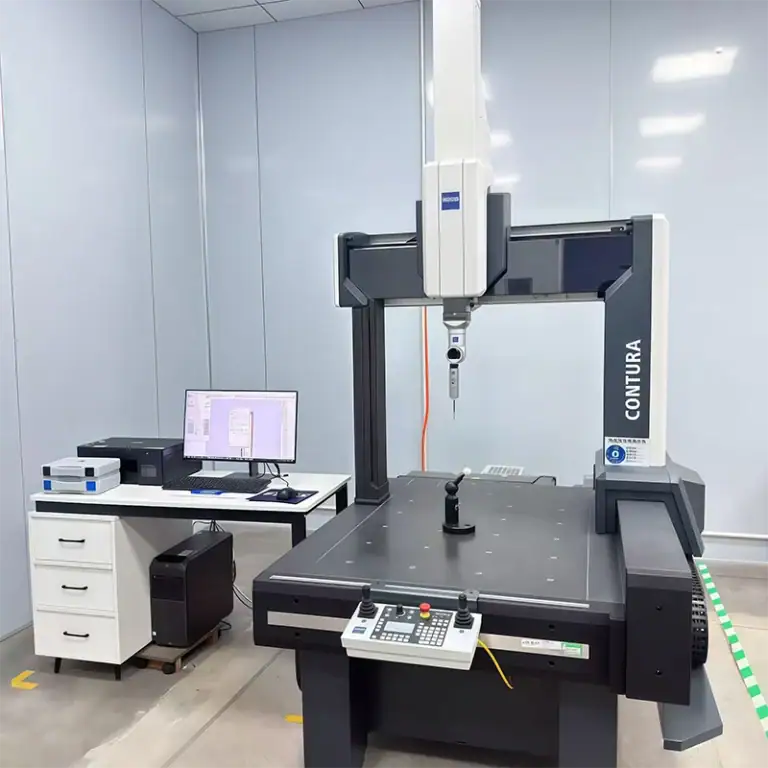
The thermal conductivity of plastics is generally lower than that of many metals, so heat generated during cutting can concentrate around the contact area between the tool and workpiece. Some plastics soften when heated, while others may undergo elastic recovery after clamping forces are released. Therefore, both drilling and milling require attention to tool sharpness, cutting parameters, chip evacuation, and workholding methods. In drilling, hole diameter and wall quality may be affected by drill runout, tool wear, poor chip evacuation, and material springback. For deep holes, straightness and the integrity of the entrance and exit edges must also be considered. Insufficient chip evacuation may cause scratches or localized thermal damage on the hole walls.Milling can correct hole diameters by adjusting the machining path and finishing allowance, but tool runout, machine vibration, and variations in cutting forces can also cause dimensional errors. For thin-walled parts, excessive clamping pressure or uneven cutting forces may lead to localized deformation. Therefore, precision plastic machining requires measurement methods appropriate to the drawing requirements, including checks of hole diameter, roundness, hole spacing, and positional accuracy. For holes with demanding assembly fits, the dimensions should also be verified against the actual mating components. A smooth-looking hole wall alone does not prove that the required dimensional accuracy has been achieved.
How Should Drilling or Milling Be Selected According to Plastic Materials and Part Requirements?
When determining the machining process, the hole diameter, depth, tolerances, shape, and assembly requirements specified in the part drawing should be reviewed first. The cutting characteristics of the plastic material and the production quantity should then be considered when developing a machining plan. For custom plastic parts, defining critical dimensions in advance helps machining suppliers select appropriate tools, machining paths, and inspection methods, reducing repeated program modifications and rework.
Select the Process According to Hole Structure and Part Thickness
Hole shape and part structure are important factors when selecting a machining process. Conventional round holes can generally be drilled, while irregularly shaped holes, elongated slots, and holes requiring precise profile adjustments are more suitable for milling. For large-diameter holes, deep holes, or holes located in thin-walled areas, additional evaluation of tool forces, chip evacuation, and workpiece support is necessary.
Standard round through-holes: If the hole diameter is fixed, the structure is simple, and the tolerance requirements are moderate, CNC drilling can be considered first.
Large-diameter or high-precision holes: Drilling, reaming, or milling can be selected according to machine capabilities, material properties, and tolerance requirements. Roughing and finishing can be combined when strict dimensional control is necessary.
Elongated slots and irregularly shaped holes: CNC milling is generally suitable because the programmed tool path can control the hole length, width, end radii, and internal profile.
Holes in thin-walled plastic parts: Clamping positions and cutting sequences should be arranged carefully to prevent cracking around the hole, workpiece warping, and breakout at the exit.
Deep-hole structures: Chip evacuation, tool rigidity, and hole straightness require particular attention. Step machining and in-process inspection may be necessary.
If hole edges must fit closely with other components, the drawing should also specify chamfering, deburring, and edge quality requirements. For plastic parts designed to accommodate seals, bushings, or precision connectors, geometric dimensions beyond the hole diameter may also directly affect assembly performance.
Adjust Machining Parameters According to Plastic Material
Different plastics behave differently during cutting, so the same machining parameters should not be applied directly to every material.
POM (Polyoxymethylene): POM generally offers good dimensional stability and machinability, making it suitable for various precision structural components. During drilling, the tool should remain sharp and chips should be evacuated efficiently to prevent accumulation inside the hole.
Nylon (PA): Nylon offers good toughness, but its moisture absorption can cause dimensional changes depending on humidity and material condition. For nylon parts with strict dimensional tolerances, material condition and post-machining dimensional stability must be considered to avoid mistaking environmental dimensional changes for machining errors alone.
ABS: ABS is commonly used for equipment housings and general industrial components. Cutting heat and tool condition should be controlled appropriately to reduce hole-edge burrs, localized melting, and cosmetic damage.
PC (Polycarbonate): PC offers high toughness and a certain degree of impact resistance. However, tool sharpness, localized heat, and stress concentration must still be considered, particularly for thin-walled parts and holes located near edges.
PEEK: PEEK is a high-performance engineering plastic used in demanding industrial applications. Machining parameters should be developed according to the specific grade, part structure, and dimensional requirements. Trial machining should be used to verify hole diameter and surface quality when necessary.
Spindle speed, feed rate, cutting depth, and tool geometry must work together. Excessively high spindle speeds or inappropriate feed rates may cause heat buildup, burrs, or surface damage. Excessive feed rates may increase cutting forces and deform thin-walled workpieces. Tool selection should also account for the shape of plastic chips to ensure efficient evacuation and prevent repeated cutting from damaging the hole walls.
Plan Machining Operations According to Tolerances, Production Volume, and Assembly Requirements
For general plastic parts, hole diameters may only need to meet basic installation requirements. For precision brackets, transmission components, and positioning structures, hole diameter, roundness, positional tolerance, and hole spacing may have much stricter requirements. The machining process must be consistent with these specifications. For low-volume custom parts, milling can accommodate different hole diameters and profiles through program adjustments, reducing the need to prepare specialized tools. For products manufactured in large quantities over an extended period, drilling efficiency and the potential benefits of dedicated fixtures can be evaluated when hole diameters and structures remain fixed.When a part contains both standard holes and specialized holes, a combined machining approach can be used. For holes with strict requirements, an appropriate finishing allowance can be reserved, followed by dimensional inspection after machining. During quotation and technical discussions, it is advisable to provide complete CAD files or engineering drawings that specify the material grade, part thickness, hole diameter, tolerances, hole depth, surface quality, and estimated order quantity. For holes designed to fit bolts, bushings, pins, or other components, the assembly method and fit requirements should also be provided.
Frequently Asked Questions
Q1: Is CNC drilling always less accurate than milling for plastic parts?
No. Drilling is suitable for many standard round holes and can achieve good dimensional accuracy when machine precision, tool condition, and machining parameters are appropriate. Milling can adjust hole diameters and profiles through tool paths, but it is also affected by machine rigidity, tool runout, cutting forces, and plastic deformation. If a part only requires conventional mounting holes, drilling may already meet the requirements, making it unnecessary to switch to milling solely to improve accuracy. For holes with strict diameter tolerances or irregular shapes, the process should be selected according to machine capabilities and actual inspection results rather than assuming that one method is always more accurate.
Q2: Why Is Milling Often Used for Large Holes in Plastic Parts?
Large-diameter holes may involve requirements related to tool size, machine capabilities, machining depth, and hole wall quality. Milling can gradually remove material along a programmed tool path and control the final hole diameter by adjusting the machining trajectory. For some structures, an appropriate drilling method can be used for rough machining first, followed by milling to refine the dimensions. However, not all large holes require milling. For parts with suitable material thickness, hole diameter, and machine conditions, a large-diameter drill bit may also provide high efficiency. The final method should be determined by considering the plastic material, hole tolerances, tooling conditions, and production quantity.
Q3: Why Do Plastic Parts Often Develop Burrs After CNC Drilling?
Burr formation may be related to plastic toughness, tool sharpness, drill geometry, feed parameters, and workpiece support. When a drill bit breaks through the workpiece, material at the exit may tear because it lacks sufficient support, forming edge burrs. If cutting heat is excessive, some materials may also soften and suffer surface damage. Improvement measures include using drill bits suitable for plastics, maintaining tool sharpness, adjusting feed rates, improving support at the hole exit, and arranging a deburring operation according to the part structure. For plastic parts with high cosmetic standards or precision assembly requirements, the hole edges should also be inspected for breakout, cracks, and visible deformation.
Q4: Is CNC Milling Suitable for All Plastic Materials?
CNC milling can be used for many engineering and general-purpose plastics, but machining parameters must be adjusted according to material properties. Different plastics vary in toughness, stiffness, heat resistance, and elastic recovery. Applying the same tools and cutting parameters to every material may result in inconsistent hole wall quality or dimensional deviations. Before machining, the material grade and part structure should be confirmed, and tools should be selected according to the hole shape, tolerances, and surface requirements. For high-performance engineering plastics, thin-walled structures, and precision parts, trial machining may be necessary to verify that the finished hole diameter and surface quality meet the requirements before mass production begins.
Conclusion
The main difference between CNC drilling and milling for plastic parts is that drilling uses a drill bit feeding along the axial direction to create round holes, while milling controls material removal through tool paths and can produce structures such as round holes, elongated slots, and irregularly shaped holes. Drilling generally offers simple tool paths, straightforward programming, and suitability for repetitive machining. Milling provides advantages in hole shape flexibility, diameter adjustment, and profile control. Process selection should take into account the plastic material, hole diameter, hole depth, dimensional tolerances, part thickness, production quantity, and assembly requirements. Drilling can be considered first for simple, standard round holes, while milling or a combined drilling and milling process may be more suitable for complex profiles, large-diameter holes, or structures requiring precise finishing.
Regardless of the method selected, tool condition, cutting parameters, chip evacuation, and clamping pressure must be controlled appropriately. Necessary dimensional inspections should also be performed to verify machining quality. When requesting custom CNC-machined plastic parts, it is advisable to provide the part drawings, material grade, hole dimensions and structures, tolerance requirements, and order quantity. A professional machining supplier can use this information to evaluate tooling options, machining paths, operation sequences, and quality inspection requirements, helping determine a process that meets actual application needs while controlling production costs.