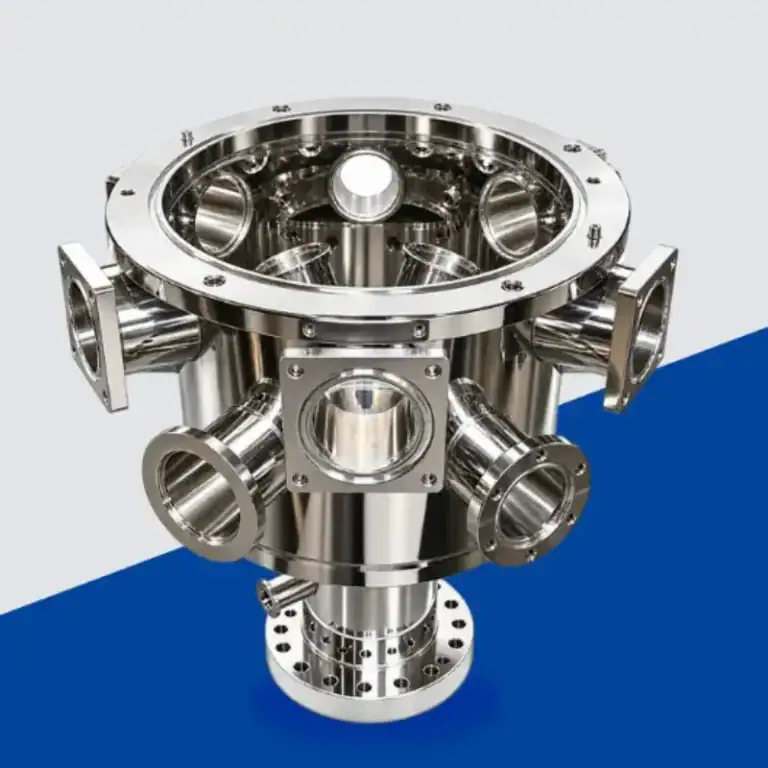
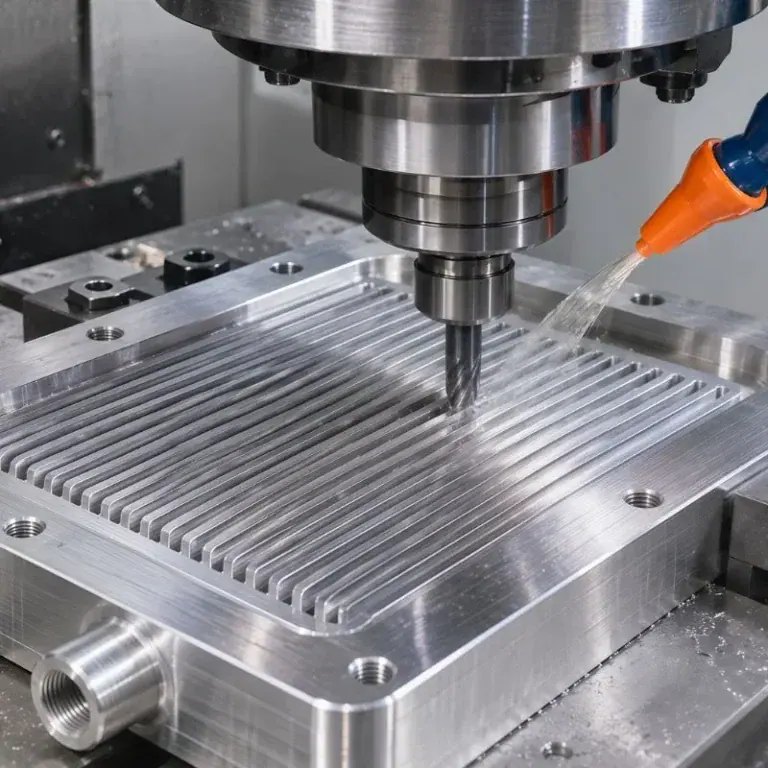
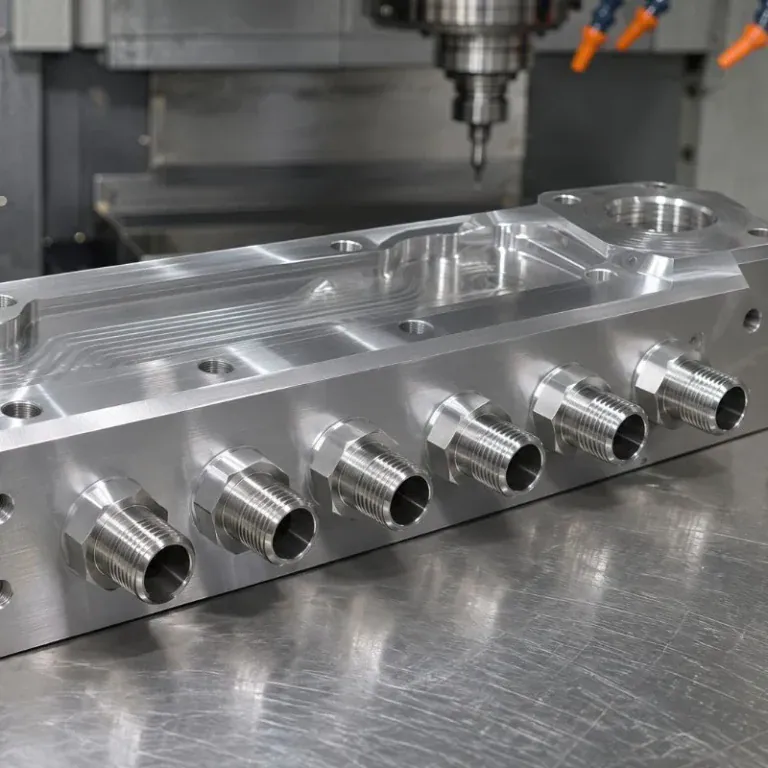
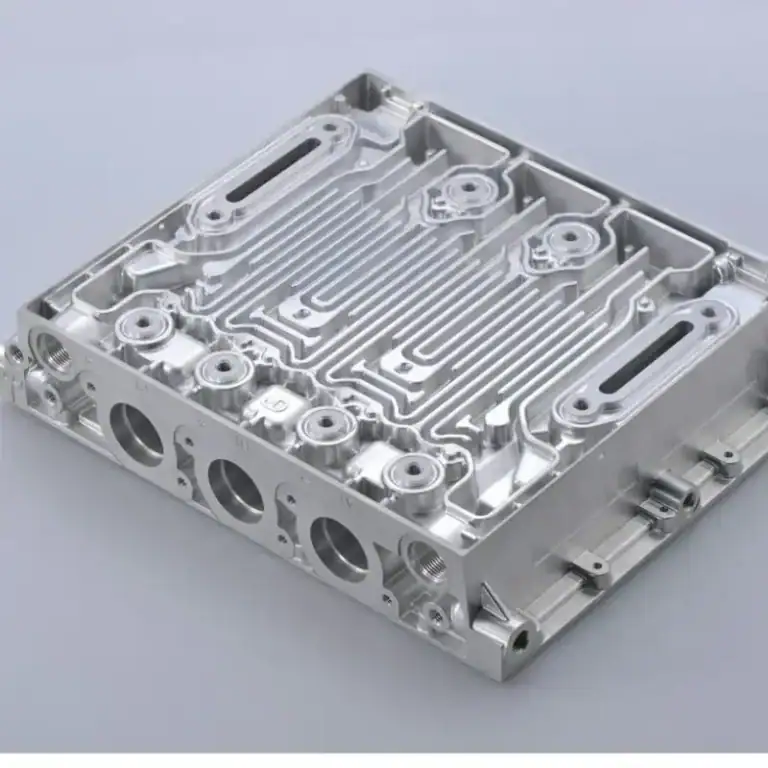
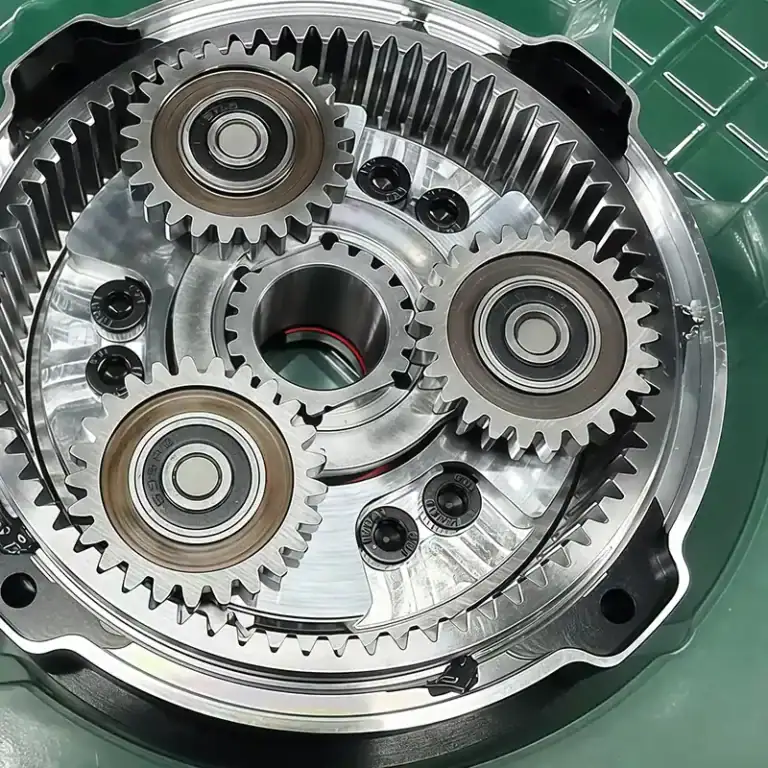
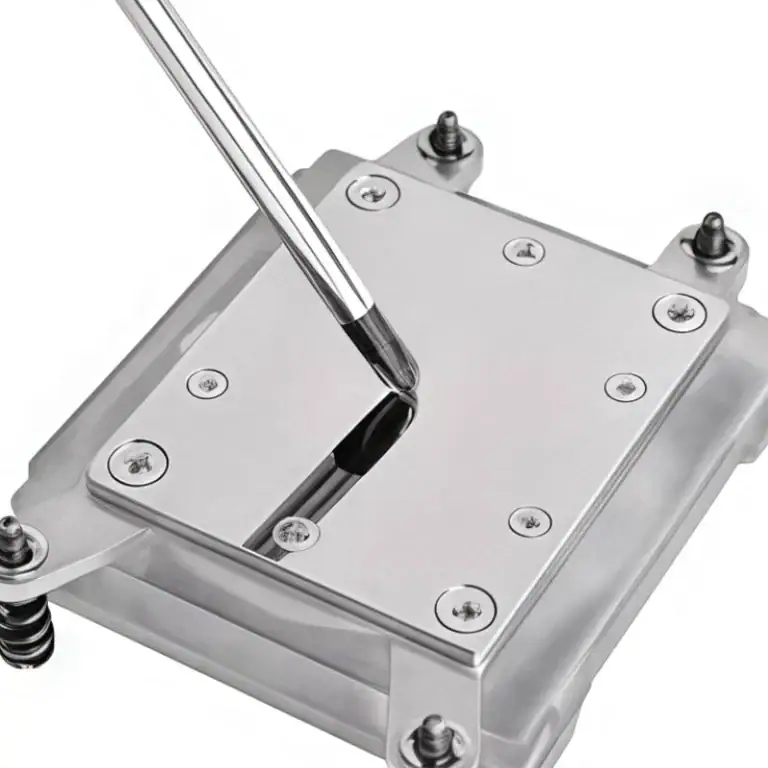
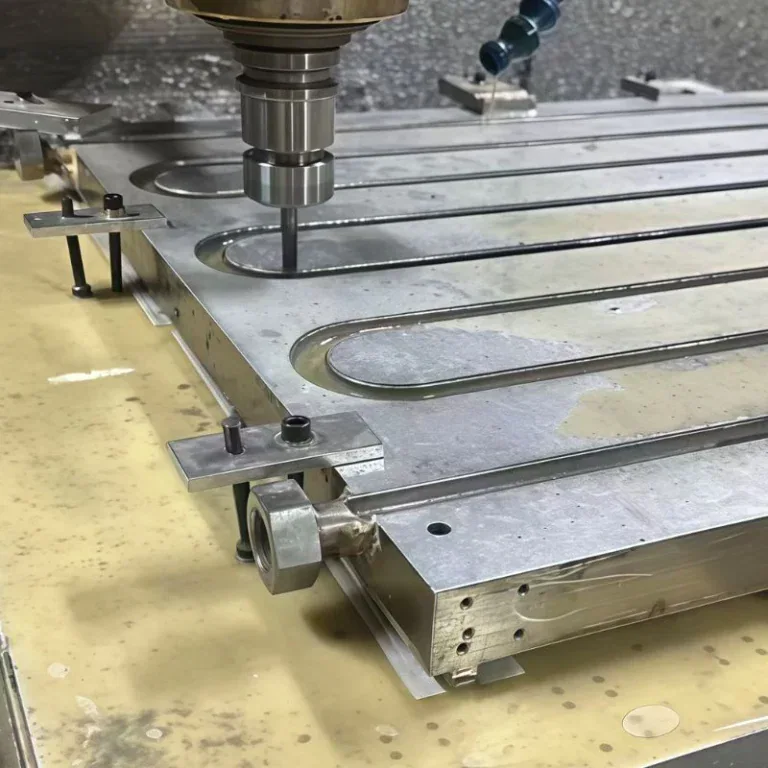
Natural gas compression equipment is widely used in gas gathering and processing, long-distance pipeline transportation, gas storage stations, LNG facilities, and industrial gas processing systems. Compressors increase natural gas pressure to meet the requirements of pipeline transportation, storage, and industrial processes. During long-term operation, components such as cylinders, pistons, crankshafts, connecting rods, rotors, impellers, and sealing assemblies are exposed to cyclic loads, high-speed rotation, temperature changes, and gas pressure. Dimensional deviations, surface defects, or incorrect assembly clearances can affect equipment efficiency and operating stability.
CNC machining can manufacture complex profiles, precision holes, mating structures, and special mounting interfaces according to component drawings. It is suitable for custom parts, replacement components, and batch production for natural gas compression equipment. By selecting appropriate metal materials, machining processes, and inspection methods, manufacturers can meet the production requirements of different compressor models and operating conditions.
Key Advantages of CNC Machining for Natural Gas Compressor Parts
Natural gas compressors include different configurations, such as reciprocating and centrifugal compressors. Their component structures, motion patterns, and assembly requirements vary considerably. Reciprocating compressors require accurate mating between pistons, crankshafts, and connecting rods, while centrifugal compressors place greater emphasis on the dimensional accuracy and balance of rotors, impellers, and high-speed rotating assemblies. CNC machining can combine turning, milling, boring, drilling, and grinding according to component geometry, helping manufacturers control critical dimensions and improve part interchangeability and assembly efficiency.
High-Precision Machining Improves Compressor Assembly Quality
Moving components in natural gas compressors require accurate mating relationships. The clearance between a piston and cylinder affects compression chamber performance, while the fit between crankshaft journals and bearing bores influences transmission stability. For centrifugal compressors, rotor shaft diameters, impeller mounting positions, and sealing structures must also meet specified design tolerances.
CNC turning is suitable for crankshaft journals, piston rods, rotor shafts, and sleeve-type components. CNC milling can produce connection slots, mounting surfaces, and complex external profiles, while precision boring is suitable for cylinder bores, bearing housings, and other high-accuracy internal features. By maintaining consistent machining references, planning clamping sequences, and controlling finishing allowances, manufacturers can reduce positioning errors. Components with special fitting requirements should also be inspected for roundness, concentricity, cylindricity, and surface roughness according to engineering drawings.
Multiple Metal Materials Meet Different Compressor Requirements
Natural gas compressor components are exposed to pressure, friction, vibration, temperature changes, and process media. Different structures require suitable metal materials to meet strength, wear resistance, machinability, and service life requirements. CNC machining supports a wide range of commonly used engineering metals for equipment structures, transmission parts, and precision functional components.
Common material options include:
- Alloy steel: Used for crankshafts, connecting rods, transmission shafts, and high-load structural components. The material grade should be selected according to strength and heat treatment requirements.
- Stainless steel: Suitable for selected components exposed to natural gas or other process media. The grade should be selected according to the actual media composition.
- Carbon steel: Commonly used for equipment brackets, connection bases, mounting plates, and certain load-bearing structures.
- Aluminum alloy: Used for auxiliary housings, instrument brackets, and non-pressure-bearing structures where weight reduction is required and permitted by the equipment design.
- Copper alloys: May be used for selected bushings, guides, and wear-resistant mating components after evaluating friction conditions and media compatibility.
Material selection should not depend solely on price or machining difficulty. Design pressure, operating temperature, natural gas composition, mechanical loads, and relevant industry standards must also be considered. For pressure-bearing or critical transmission components, manufacturers should verify material certificates, heat treatment conditions, and required quality records.
Complex Machining Supports Customized Compressor Designs
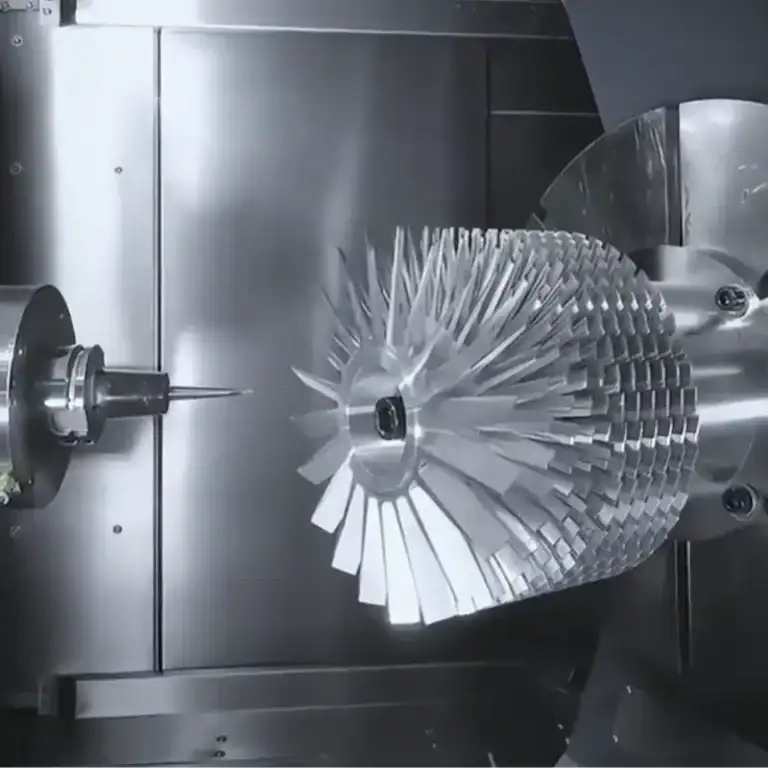
Natural gas compressor designs vary according to flow rate, pressure ratio, rotational speed, and installation space. Some components feature deep holes, stepped bores, irregular grooves, multi-angle mounting surfaces, and complex curved profiles. Conventional machining may require repeated clamping and transfers between machines, increasing positioning errors. Multi-axis CNC machining and mill-turn processes can complete multiple features within a planned machining sequence, reducing repeated positioning operations.
For reciprocating compressors, CNC machining can produce cylinder covers, piston rod connectors, connecting rod structures, and crankshaft mating features. For centrifugal compressors, it can manufacture rotor connections, impeller mounting structures, sealing housings, and bearing support components. Manufacturers can also produce custom parts based on customer-supplied 2D drawings, 3D models, or physical samples. This flexibility supports new equipment development, replacement parts for older equipment, and special-size component production.
Machining Methods and Applications of Natural Gas Compressor Parts
Different natural gas compressor configurations require different machining strategies. Reciprocating equipment places greater emphasis on the dimensional fit, load-bearing capacity, and movement stability of reciprocating components. Centrifugal equipment requires tighter control of rotating component geometry, surface quality, and dynamic balance. Before production, manufacturers should confirm the compressor type, component drawings, material grades, critical tolerances, and operating conditions before selecting suitable machines, tools, and machining sequences.

CNC Machining Process for Natural Gas Compressor Parts
Custom machining begins with a review of technical documentation to confirm component geometry, machining references, assembly relationships, and quality requirements. For thin-wall housings, long shafts, and complex rotating structures, manufacturers should also evaluate clamping deformation, cutting vibration, and dimensional changes after heat treatment. Proper process planning helps prevent deviations in critical dimensions during later operations.
A typical machining process includes:
- Drawing and specification review: Check 2D engineering drawings, 3D models, dimensional tolerances, geometric tolerances, and surface treatment requirements.
- Material preparation and verification: Select metal materials according to design specifications and verify material grades, batch information, and quality certificates.
- Machining process planning: Arrange turning, milling, drilling, boring, and grinding operations according to component geometry.
- CNC programming: Set tool paths, machining coordinates, cutting parameters, and workholding methods.
- Precision machining: Complete external diameters, end faces, internal bores, threads, grooves, and complex profiles.
- Post-processing and surface treatment: Perform deburring, heat treatment, grinding, or specified surface treatments according to the drawings.
- Final quality inspection: Check critical dimensions, geometric tolerances, and surface quality, then prepare relevant inspection records.
High-load transmission components and high-speed rotating assemblies may require hardness testing, nondestructive testing, or dynamic balancing according to design specifications. Pressure-bearing housings and related components should undergo the required pressure or leakage verification in accordance with applicable standards and project specifications.
Machining Applications for Reciprocating Natural Gas Compressor Parts
Reciprocating natural gas compressors use pistons moving inside cylinders to draw in and compress gas. They are commonly used in natural gas booster stations, gas gathering facilities, and industrial gas processing systems. Their core components include cylinders, pistons, piston rods, crankshafts, connecting rods, crossheads, and cylinder covers. These components withstand cyclic mechanical loads, while some mating surfaces are continuously exposed to friction and vibration.
CNC machining can produce cylinder bores, cylinder cover mounting surfaces, piston diameters, piston rod threads, and crankshaft journals. Cylinder bores require accurate control of dimensions, roundness, and surface roughness. Pistons and piston rods must maintain suitable fits with their guide and sealing structures. Crankshafts and connecting rods are critical transmission components, so their journal dimensions, hole positions, and connection features must meet the specified tolerances. For components requiring heat treatment, the manufacturing plan should account for possible deformation, with critical dimensions controlled again during subsequent finishing operations.
Machining Applications for Centrifugal Compressor Rotors and Impellers
Centrifugal natural gas compressors use high-speed rotating impellers to increase gas velocity, followed by flow passage structures that help raise gas pressure. They are commonly used in long-distance natural gas pipelines, gas processing plants, and large-scale booster systems. Impellers, main shafts, sleeves, bearing supports, and sealing housings are important components. Compared with reciprocating compressors, centrifugal compressors place greater emphasis on the geometric accuracy, surface condition, and dynamic balance of rotating components.
Multi-axis CNC milling is suitable for machining impeller hubs, blade profiles, and complex curved surfaces. Turning and grinding are used for rotor shafts, sleeves, and precision mating features. Impeller machining must control blade geometry, thickness, and mounting dimensions according to the design model to prevent profile deviations from affecting gas flow. Rotor shafts require inspection of shaft diameter, concentricity, cylindricity, and shoulder positions to ensure correct mating with bearings and other components. After machining, high-speed rotating parts generally require dynamic balancing and other performance verification according to equipment specifications.
| Component Type | Common Materials | Main CNC Machining Processes | Key Quality Requirements | Typical Applications |
| Compressor cylinder | Alloy steel, carbon steel, and suitable materials | Boring, milling, drilling | Bore dimensions, roundness, surface roughness | Reciprocating compressors |
| Piston and piston rod | Alloy steel, stainless steel | Turning, milling, grinding | Outer diameter accuracy, straightness, mating clearance | Piston compression assemblies |
| Crankshaft and connecting rod | Alloy steel, carbon steel | Turning, milling, drilling, grinding | Journal dimensions, hole position accuracy, geometric tolerances | Compressor transmission systems |
| Centrifugal compressor impeller | Stainless steel, suitable alloy materials | Multi-axis milling, turning, finishing | Blade profile, mounting dimensions, dynamic balance requirements | Centrifugal compressors |
| Rotor shaft and sleeve | Alloy steel, stainless steel | Turning, grinding, milling | Shaft diameter, concentricity, surface quality | High-speed rotating assemblies |
| Sealing housing | Carbon steel, stainless steel, and suitable materials | Milling, boring, drilling | Seal mounting dimensions, hole position accuracy, mating tolerances | Compressor sealing systems |
| Bearing support housing | Carbon steel, alloy steel | Milling, boring, drilling | Bearing bore dimensions, concentricity, mounting surface accuracy | Rotor support structures |
Functional and Performance Requirements for Natural Gas Compressor Parts
Natural gas compression equipment often operates continuously, making component machining quality important to compression efficiency, mechanical losses, vibration levels, and maintenance intervals. Cylinders and pistons must maintain suitable mating conditions, crankshafts and connecting rods must transmit power reliably, and centrifugal compressor impellers and rotors must meet high-speed operating requirements. In addition to dimensional control, manufacturers should inspect material properties, surface conditions, and assembly requirements according to the actual function of each component.
Inspection of Critical Dimensions, Geometric Tolerances, and Surface Quality
Different natural gas compressor components have different inspection priorities. Cylinders, pistons, and piston rods require dimensional and fit inspections. Crankshafts and connecting rods require careful checks of journals, hole positions, and geometric accuracy. Centrifugal compressor impellers and rotors require control of profile dimensions and rotational accuracy. After machining, suitable measuring equipment should be selected according to the engineering drawings.
Key inspection items include:
- Dimensional inspection: Check internal bores, external diameters, shaft diameters, groove widths, threads, and mounting dimensions.
- Geometric tolerance inspection: Measure concentricity, roundness, cylindricity, flatness, and positional accuracy.
- Surface quality inspection: Check the roughness and surface condition of critical mating surfaces, sliding areas, and seal mounting positions.
- Material and hardness testing: Verify material information, heat treatment conditions, and hardness requirements where specified.
- Rotational performance inspection: Arrange dynamic balancing and related inspections for designated impellers, rotors, and other rotating components.
Precision inspection helps identify machining errors and potential assembly risks, but it cannot replace equipment performance verification. Pressure-bearing components must undergo the required pressure tests, leakage tests, or nondestructive testing in accordance with applicable design standards.
Wear Resistance, Fatigue Resistance, and Long-Term Reliability
Crankshafts, connecting rods, and piston rods in reciprocating compressors experience repeated mechanical loads, which can lead to wear and fatigue over time. Rotors and impellers in centrifugal compressors must withstand high rotational speeds and vibration. Material selection, heat treatment, machined surface conditions, and structural design all influence component performance.
For critical parts such as crankshafts, connecting rods, and sleeves, suitable alloy materials and heat treatment processes can be selected according to design requirements to achieve the required strength and wear resistance. For piston rods, rotor shafts, and sealing mating surfaces, controlling surface roughness and geometric accuracy helps reduce unnecessary friction and fit deviations. Components that may be exposed to corrosive natural gas media also require material compatibility evaluation based on gas composition. Protective coatings or surface treatments may be applied when confirmed by the equipment design.
Performance Requirements for Sealing Structures and High-Speed Rotating Assemblies
Sealing systems in natural gas compression equipment help reduce gas leakage. Common designs include labyrinth seals, dry gas seals, and other sealing assemblies selected according to equipment requirements. Sealing housings, sleeves, seal ring mounting positions, and related connection structures must maintain accurate dimensional relationships. During machining, manufacturers should control seal groove widths, mounting hole positions, mating clearances, and surface quality to prevent dimensional deviations from affecting seal installation.
For centrifugal compressors, the mass distribution and geometric accuracy of high-speed rotating assemblies can affect vibration and operating conditions. After machining, impellers, rotor shafts, and connecting structures should undergo dynamic balancing, dimensional reinspection, and assembly verification according to equipment manufacturing specifications. For reciprocating compressors, the movement fits between piston rods, crossheads, and transmission components must also be inspected to ensure compliance with design requirements. Final sealing performance and equipment reliability must be confirmed through the required assembly, leakage, and operational tests.
CNC machining of natural gas compressor parts requires a manufacturing plan based on compressor type, structural design, and actual operating conditions. Through CNC turning, milling, boring, grinding, and multi-axis machining, manufacturers can produce custom cylinders, pistons, crankshafts, connecting rods, impellers, rotor shafts, and sealing housings. Combined with material verification, dimensional inspection, heat treatment quality control, and necessary performance testing, these processes help improve component assembly accuracy and equipment operating stability. They support the replacement part and custom manufacturing needs of natural gas boosting, pipeline transportation, and industrial gas processing projects.