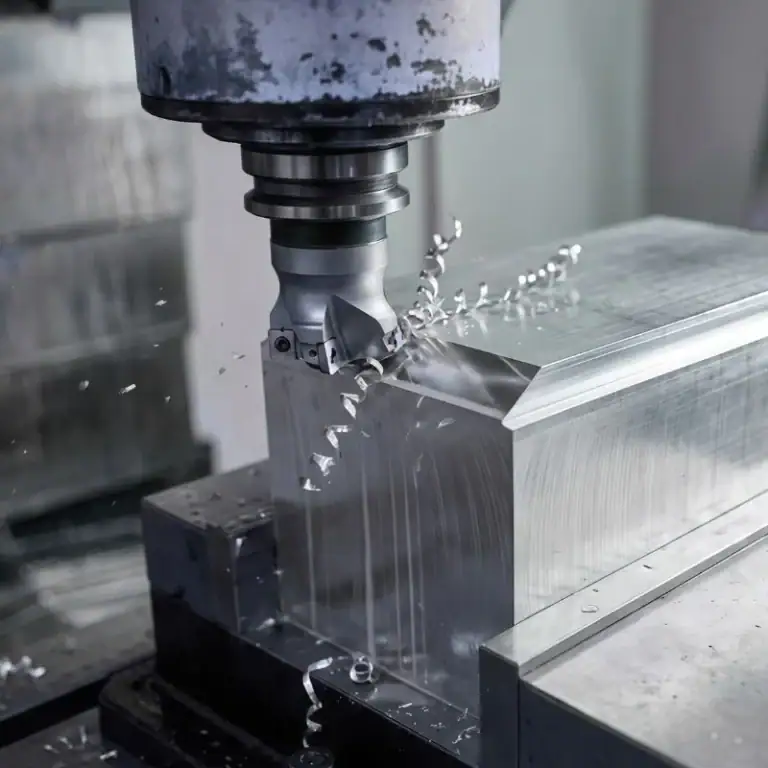
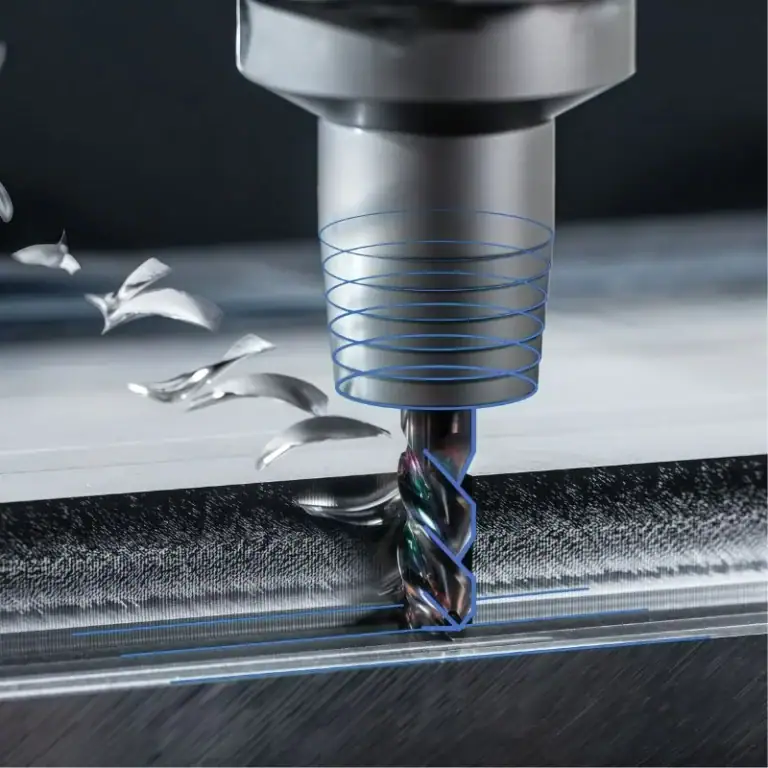
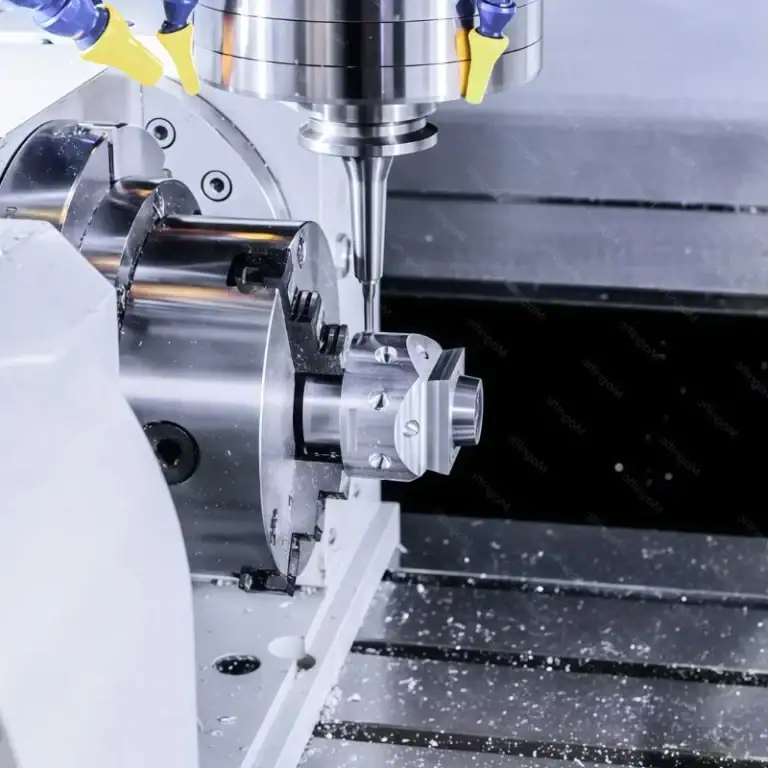
Turning tool materials play a critical role in machining performance, directly affecting cutting speed, tool life, surface finish, and overall production efficiency. In CNC turning operations, selecting the right tool material is essential for achieving stable cutting conditions and maintaining consistent machining quality. Different materials are designed to handle specific machining environments, including variations in temperature, cutting force, and workpiece hardness. Understanding the differences between turning tool materials helps optimize machining processes and reduce operational costs in industries such as automotive manufacturing, aerospace engineering, and precision component production.
High-Speed Steel Tools and Their Characteristics
High-speed steel (HSS) is one of the earliest tool materials used in machining and remains relevant for certain applications. It is known for its toughness, good wear resistance, and ability to maintain cutting performance at moderate temperatures. Compared with more advanced materials, HSS is less resistant to high heat but offers better flexibility and shock resistance. It is commonly used in low-speed machining operations or in situations where tool impact resistance is required. HSS tools are also easier to grind and reshape, making them suitable for customized cutting applications.
Toughness Advantage in Interrupted Cutting
HSS tools are well suited for machining processes where cutting is not continuous. Their high toughness allows them to withstand impact without breaking, which is useful in rough machining or uneven material surfaces. This makes them reliable for operations where stability is more important than speed.
Ease of Sharpening and Maintenance
HSS tools can be easily sharpened using conventional grinding equipment. This allows operators to extend tool life through repeated maintenance. The ability to reshape cutting edges provides flexibility for custom machining tasks.
Limitations in High-Speed Machining
Before listing key points, it is important to recognize the performance limits of HSS.
- Lower heat resistance restricts its use in high-speed cutting.
- Faster wear occurs when machining hard materials.
- Reduced efficiency compared to advanced tool materials.
These limitations make HSS more suitable for general-purpose and low-speed machining.
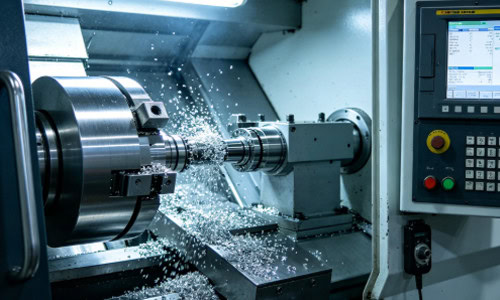
Carbide Tools and Their Performance Features
Carbide tools are widely used in modern CNC turning due to their high hardness and excellent wear resistance. Made from tungsten carbide combined with a metal binder, these tools can withstand high cutting temperatures and maintain sharp edges under heavy load. Carbide tools support higher cutting speeds compared to HSS, making them suitable for mass production environments. Their ability to maintain consistent cutting performance improves machining efficiency and reduces downtime caused by tool replacement.
High Hardness Supports Fast Cutting
Carbide tools maintain cutting edge sharpness even under high-speed conditions. This allows faster material removal and improved productivity. Their hardness also enables machining of tough materials such as alloy steel and stainless steel.
Wear Resistance Extends Tool Life
Carbide tools resist abrasion and deformation during cutting operations. This reduces the frequency of tool replacement and improves production efficiency. Long tool life is especially important in automated CNC systems.
Carbide Tool Characteristics in Practice
Before listing key points, it is important to highlight their industrial advantages.
- Suitable for high-speed and high-volume production environments.
- Provides stable cutting performance for hard materials.
- Requires rigid machine setup due to lower toughness compared to HSS.
These features make carbide tools the standard choice in modern machining.
Coated Tools and Surface Enhancement Technology
Coated tools are advanced versions of carbide tools that include a thin protective layer applied to the cutting surface. Common coatings include titanium nitride, titanium aluminum nitride, and similar compounds. These coatings improve wear resistance, reduce friction, and increase heat resistance during machining. Coated tools are widely used in CNC turning because they enhance tool performance without changing the base material structure. The coating layer acts as a barrier that protects the cutting edge from high temperatures and chemical reactions.
Reduced Friction Improves Cutting Efficiency
Coatings create a smoother surface on the cutting edge, reducing friction between the tool and the workpiece. This leads to lower cutting forces and improved chip flow during machining operations.
Heat Resistance Supports High-Speed Operations
Coated tools can operate at higher temperatures without losing hardness. This allows higher cutting speeds and improved productivity in CNC machining environments.
Coating Benefits in Industrial Use
Before listing key points, it is important to recognize coating advantages.
- Improves wear resistance and extends tool life.
- Reduces heat generation during cutting operations.
- Enhances surface finish quality of machined parts.
These benefits make coated tools highly effective for demanding machining tasks.
Ceramic Tools and High-Temperature Performance
Ceramic tools are designed for high-speed machining and are known for their exceptional heat resistance and hardness. They are commonly used for machining cast iron and hardened steel. Unlike carbide tools, ceramic tools can operate at extremely high temperatures without losing cutting performance. However, they are more brittle and require stable machining conditions to prevent breakage. Ceramic tools are often used in finishing operations where high speed and precision are required.
High Heat Resistance Enables Fast Cutting
Ceramic materials maintain hardness at temperatures that would degrade other tool materials. This allows extremely high cutting speeds and efficient material removal.
Suitable for Hard Material Machining
Ceramic tools perform well when machining hard materials such as hardened steel and cast iron. Their hardness allows precise cutting with minimal deformation.
Limitations of Ceramic Tools
Before listing key points, it is important to consider their constraints.
- Low toughness makes them sensitive to impact and vibration.
- Requires stable machining conditions and rigid setups.
- Not suitable for interrupted cutting operations.
These characteristics define the specific applications of ceramic tools.
CBN and Diamond Tools for Advanced Applications
CBN (cubic boron nitride) and diamond tools represent the highest level of cutting tool materials used in precision machining. These tools are designed for specialized applications requiring extreme hardness and wear resistance. CBN tools are mainly used for machining hardened steel, while diamond tools are used for non-ferrous materials such as aluminum and composites. Their superior performance allows high precision machining and excellent surface quality, but they are more expensive compared to other tool materials.
CBN Tools for Hardened Steel
CBN tools provide excellent wear resistance and maintain cutting performance when machining hardened materials. They are widely used in finishing operations where high precision is required.
Diamond Tools for Non-Ferrous Materials
Diamond tools offer extremely sharp cutting edges and are suitable for materials that require high surface finish quality. They are commonly used in aluminum processing and composite material machining.
Advanced Tool Material Characteristics
Before listing key points, it is important to understand their application value.
- Provide superior hardness and wear resistance for precision machining.
- Enable high-quality surface finishing with minimal defects.
- Require higher investment cost but deliver long-term efficiency benefits.
These advanced materials are essential for high-end manufacturing applications.