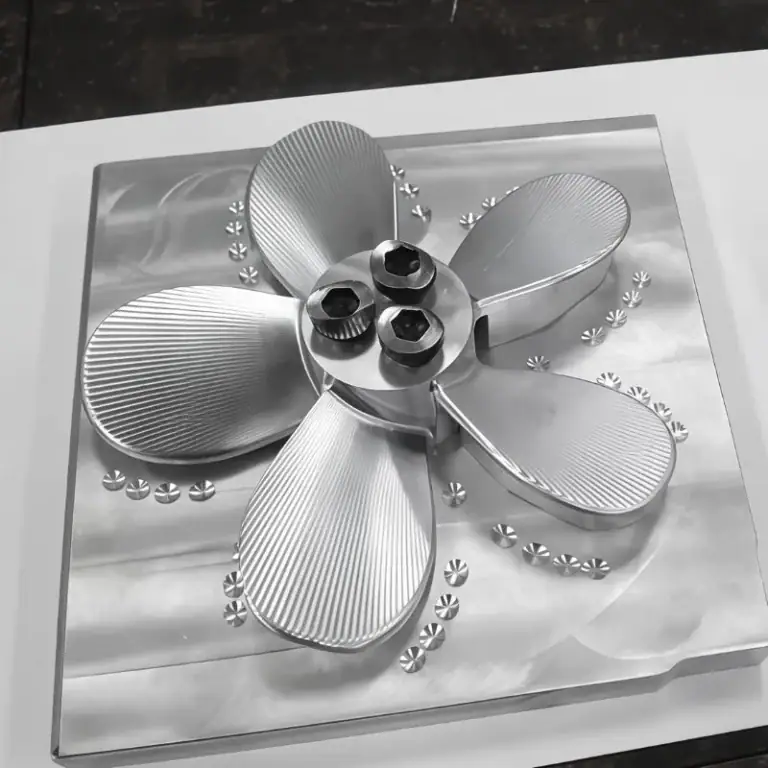
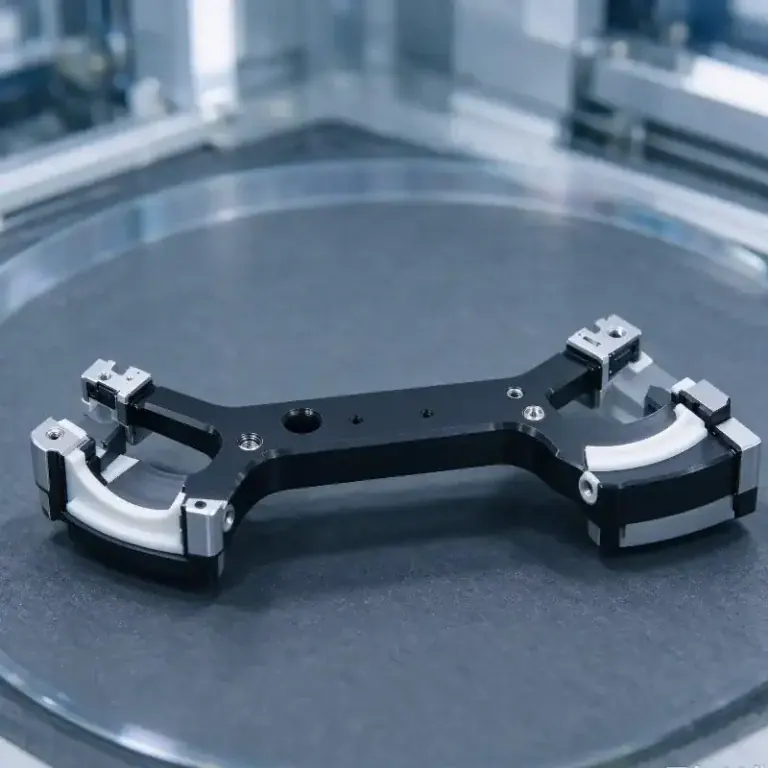
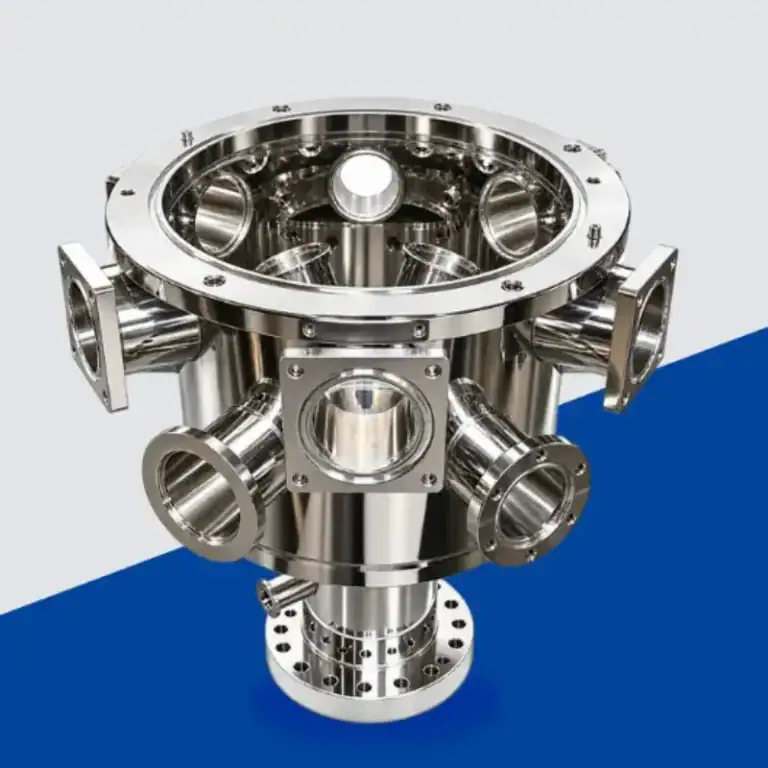
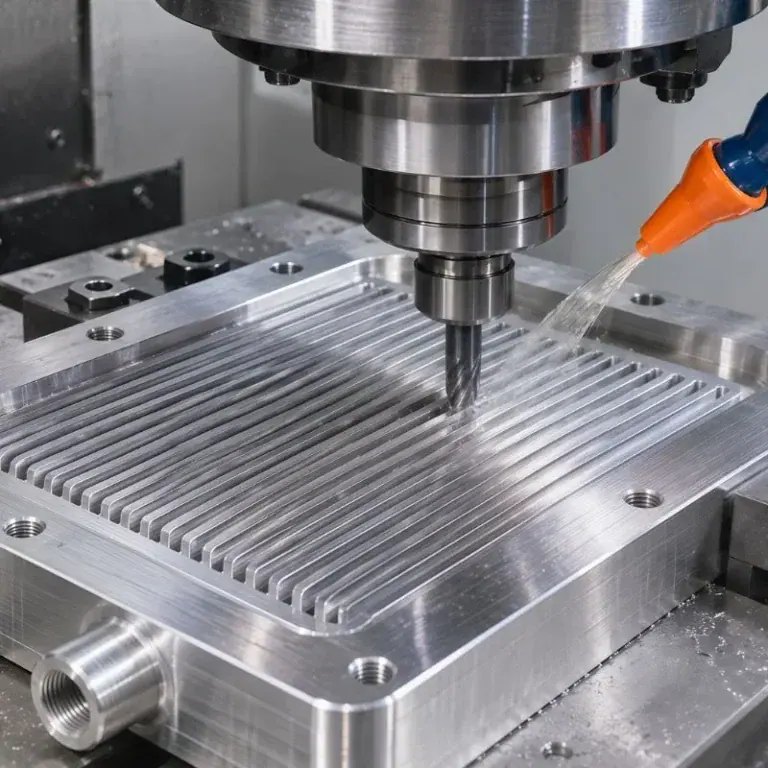
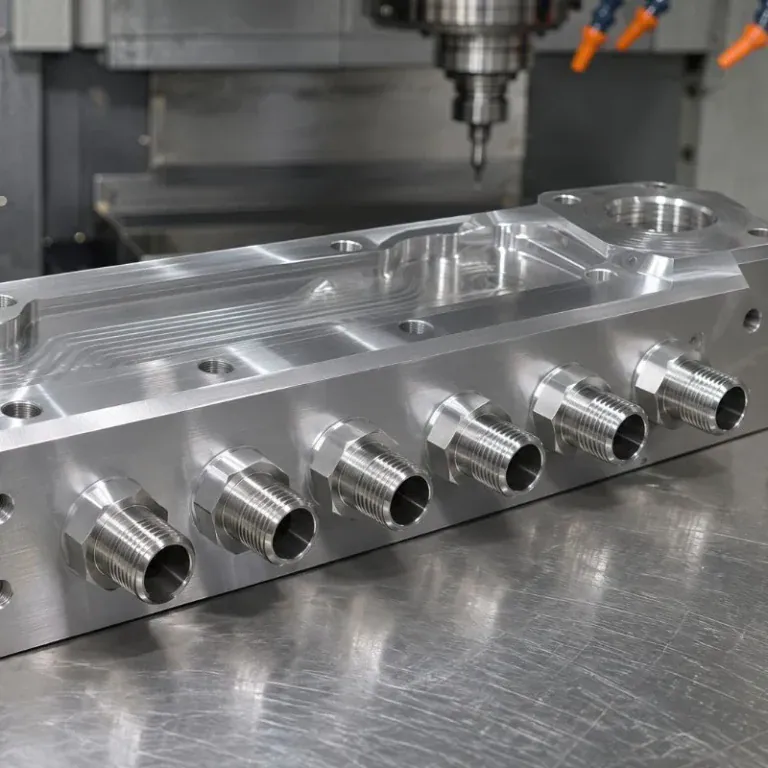
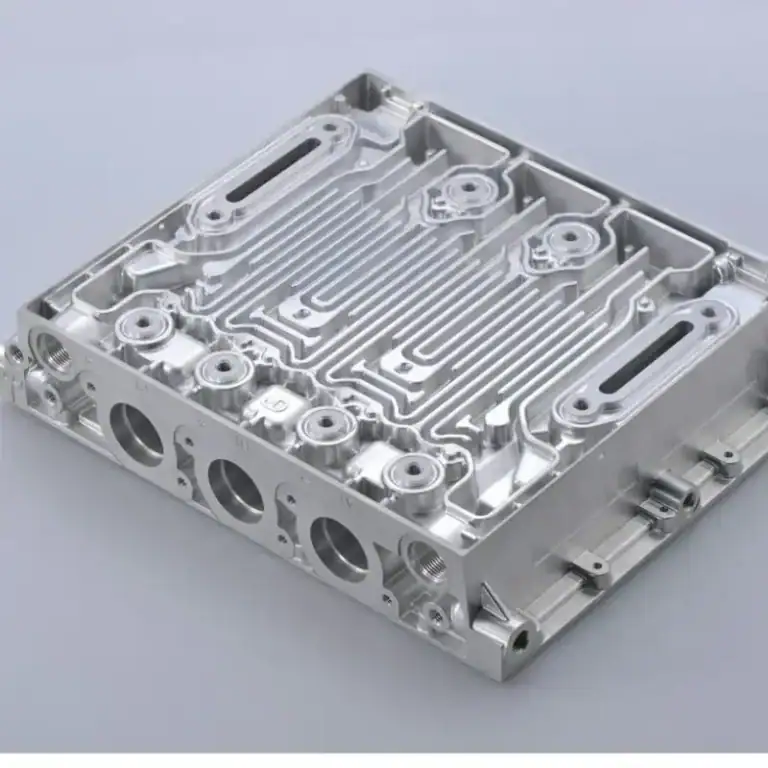
Digital factories rely on automated equipment and mechanical systems to carry out production tasks. The machining quality of equipment components can affect overall assembly, operating accuracy, and production stability. Components such as equipment bases, transmission shafts, positioning parts, and protective housings have different structural, material, and dimensional requirements. Buyers and engineering teams need to consider not only machining accuracy but also production lead times, batch consistency, and future maintenance needs. Developing a suitable manufacturing solution helps align design requirements with actual machining processes and reduces problems during production and assembly.
What Are the Manufacturing Requirements for Digital Factory Equipment Parts?
Different equipment modules perform different functions, so their components have varying manufacturing requirements. Understanding each component’s purpose helps determine the appropriate materials and manufacturing standards.
Common Types of Equipment Parts
Mechanical equipment in digital factories generally includes the following types of components:
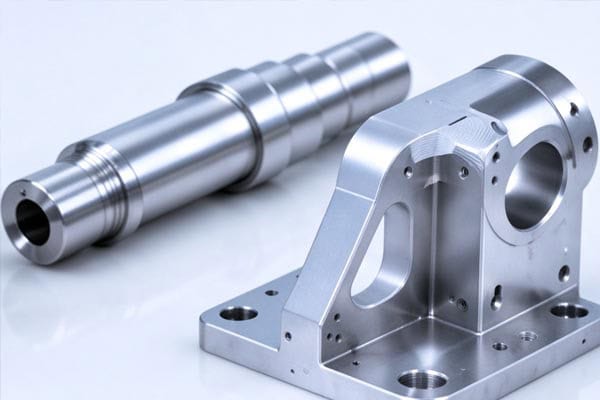
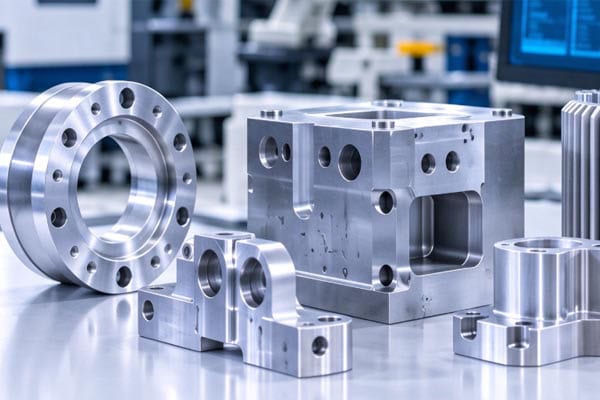
- Mounting and load-bearing components: These include equipment bases, mounting plates, and support brackets. Structural rigidity, mounting hole positions, and surface accuracy need to be considered.
- Transmission and connecting components: These include shafts, sleeves, and couplings. Their mating dimensions and surface quality require careful control.
- Positioning and clamping components: These include locating pins, fixtures, and limit components. Material selection should reflect operating loads and contact frequency.
- Protective and housing components: These include equipment covers and control box housings. They need to meet installation space, structural strength, and protection requirements.
Classifying components according to their functions helps establish appropriate machining priorities.
Key Requirements to Control During Machining
Equipment components often need to fit with guide rails, bearings, fasteners, and other structures. Machining operations should focus on hole diameters, hole spacing, mounting surfaces, and mating dimensions. For thin-wall parts, long shafts, and complex structures, clamping positions and cutting sequences should be properly arranged to reduce the risk of deformation. Defining critical dimensions and tolerances helps improve assembly accuracy.
How Should Machining Processes for Equipment Parts Be Planned?
Machining processes should be selected according to component geometry, material properties, and accuracy requirements. Different machining methods can be combined for components with complex structures.
Select Machining Methods Based on Component Geometry
Different geometric features require different machining methods. Proper process planning helps control machining errors.
- CNC milling: Suitable for equipment bases, brackets, mounting plates, and components with complex contours.
- CNC turning: Suitable for transmission shafts, sleeves, and cylindrical connecting parts.
- Drilling and tapping: Used to produce mounting holes, threaded holes, and connection features.
- Grinding and EDM: Can be used for precision mating surfaces, special contours, and certain difficult-to-machine features, depending on accuracy and structural requirements.
Process selection should account for machining accessibility, clamping stability, and subsequent inspection requirements.
Select Materials According to Operating Conditions
Material selection affects load-bearing capacity, weight, wear resistance, and machining costs. Common materials and their applications include:
| Component Type | Common Materials | Key Considerations |
| Equipment bases and brackets | Aluminum alloys, carbon steel | Rigidity, weight, machinability |
| Transmission shafts and connectors | Alloy steel, stainless steel | Strength, wear resistance, operating environment |
| Positioning and clamping components | Tool steel, bearing steel | Hardness, wear resistance, dimensional stability |
| Protective housings | Aluminum alloys, stainless steel | Protection requirements, appearance, structural strength |
| Insulating auxiliary components | POM, PA, PEEK | Electrical insulation, temperature conditions |
Material selection should reflect actual loads, contact conditions, and operating environments rather than purchase price alone. Aluminum alloys may be considered for structures that require reduced weight, while positioning components subject to frequent contact or wear may require materials with suitable wear resistance.
How Can Digital Manufacturing Improve Production Control?
Digital manufacturing requires consistent design documents, machining processes, and inspection information to reduce information discrepancies during production.
Establish Consistent Drawing and Machining Data
Before production begins, confirm that engineering drawings, 3D models, and process requirements use the same revision. Drawing revision management should record changes to dimensions, tolerances, and structures. Machining programs should be linked to the corresponding component model and process requirements. For components that require repeated production, essential machining datums and process information should also be retained to prevent errors caused by inconsistent documentation.
Link Inspection Results to Component Batches
Component inspection should cover raw material verification, in-process checks, and final acceptance. Key inspection items include hole diameters, thickness, positional dimensions, geometric tolerances, and surface quality. For batch orders, inspection results can be linked to component identification numbers or production batches to help identify dimensional variations and trace potential problems. Consistent inspection standards also help reduce quality differences between batches, making repeat orders and future production easier to manage.
What Should Buyers Consider When Purchasing Digital Factory Equipment Parts?
Custom equipment components often involve dedicated dimensions and assembly requirements. Buyers should clarify technical documents and order conditions before purchasing to reduce repeated confirmations during quotation and production.
Provide Complete Technical Requirements
Suppliers need to understand component structures and actual applications to evaluate machining complexity and production arrangements. Buyers should prepare the following information:
- Engineering drawings and 3D models: Specify structural dimensions, tolerances, and assembly relationships.
- Material and surface treatment requirements: Identify material grades, heat treatment, and surface treatment methods.
- Order quantities: Clarify prototype, small-batch, or ongoing production requirements.
- Acceptance standards: Specify critical dimensions, appearance requirements, and inspection items.
Complete documentation helps reduce technical misunderstandings and improves the accuracy of manufacturing plans.
Evaluate the Supplier’s Machining Capabilities
Buyers should determine whether a supplier can handle complex milling, turning, precision hole machining, and multi-process manufacturing. They should also confirm the supplier’s dimensional inspection and batch quality management capabilities. For equipment parts that require long-term purchasing, process consistency, production scheduling, and delivery arrangements should also be evaluated to avoid delays caused by a mismatch between manufacturing capabilities and project requirements.
Digital factory equipment parts manufacturing requires careful consideration of structural design, material properties, machining accuracy, and batch quality control. Components with different functions should use suitable machining processes, supported by consistent technical documentation and inspection standards to reduce production deviations. Aligning manufacturing requirements with actual equipment assembly needs improves component compatibility, supports stable equipment operation, and provides a reliable foundation for future batch production.