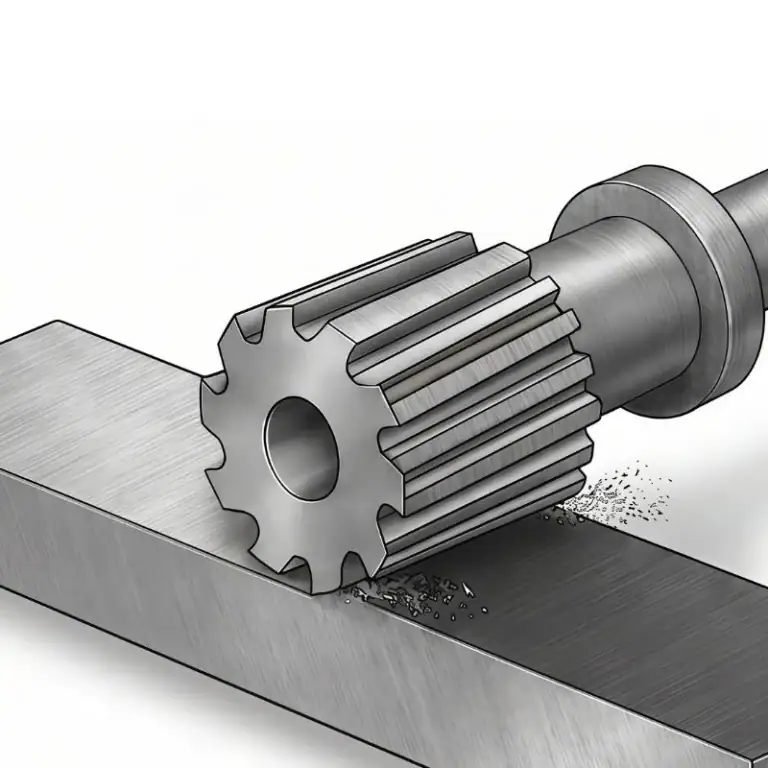
Turning high-hardness materials involves high cutting resistance, rapid tool wear, and high requirements for machining stability. Common materials include hardened steel, high alloy steel, bearing steel, and some pre-hardened alloys. During machining, heat is easily concentrated, which exacerbates tool wear. Therefore, tool selection, cutting parameters, and machine tool rigidity are crucial. In actual production, the core goal of machining these materials is not simply to increase cutting speed, but to achieve a balance between stability and tool life to ensure that the machining process is controllable and continuous.
Machining Characteristics of High Hardness Materials
High hardness materials show strong resistance during cutting. Plasticity decreases while brittleness increases, which leads to higher impact loads on the cutting tool. At the same time, cutting temperature rises sharply, often causing rapid edge wear or micro-chipping.
Chip formation is usually short and fragmented, but heat concentration remains high, requiring effective chip evacuation and cooling performance. Machining stability depends heavily on machine rigidity and tool heat resistance.
- Cutting force is significantly higher than normal steel materials
- Rapid temperature rise at the cutting edge
- Faster tool wear rate
- Local edge chipping occurs easily
- High requirements for machine rigidity
- Chips are short but high-temperature
Machining stability depends on system rigidity and thermal control capability.
Tool Material and Structural Selection
High hardness machining requires advanced tool materials. High-speed steel is insufficient, so carbide, ceramic, and CBN tools are commonly used.
Common Tool Material Applications
Different tool materials vary in heat resistance and wear resistance, making them suitable for different machining conditions.
- CBN tools are suitable for hardened steel finishing
- Ceramic tools are suitable for continuous high-speed cutting
- Coated carbide tools are used for medium hardness materials
- PCD tools are suitable for non-ferrous hard materials
- Tough substrates improve impact resistance
- Coating technology enhances wear and heat resistance
Proper tool selection significantly reduces chipping risk and improves stable machining cycles.
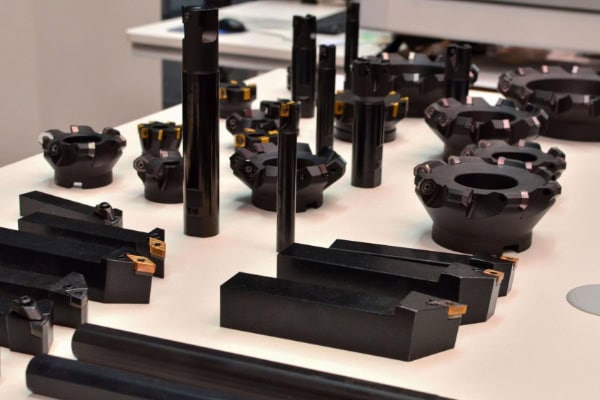
Tool Geometry Optimization
Tool geometry has a strong impact on cutting stability, especially in high hardness machining.
- Increased edge strength reduces chipping risk
- Optimized rake angle reduces cutting resistance
- Controlled clearance angle reduces friction
- Improved chip breaker stability
- Enhanced edge strengthening treatment
- Improved overall rigidity design
Geometry optimization improves process continuity and reduces cutting instability.
Cutting Parameter Control Strategy
Cutting parameters are critical in high hardness machining. Excessive parameters accelerate tool failure, while overly conservative settings reduce efficiency.
Cutting Speed and Feed Control
Proper speed and feed combination helps control heat accumulation and reduce tool shock.
- Lower cutting speed reduces heat concentration
- Controlled feed prevents tool overload
- Stable cutting rhythm is essential
- Avoid frequent parameter fluctuations
- Separate roughing and finishing parameters
- Control cutting force peaks
Proper parameters extend tool life and improve machining stability.
Cutting Depth and Tool Path Optimization
Cutting depth and tool path design directly affect load distribution. Layered cutting is preferred for hard materials.
- Layered cutting reduces peak load
- Avoid excessive single-pass depth
- Optimize tool paths to reduce idle movement
- Reduce sudden direction changes
- Improve continuous cutting behavior
- Reduce local overheating
Layered machining significantly improves stability.
Cooling and Tool Wear Control
Heat concentration is a major issue in high hardness machining. Cooling efficiency directly affects tool life and surface quality.
Cooling Strategy Optimization
Effective cooling reduces thermal shock and tool softening.
- High-pressure coolant improves chip removal
- Precise jet cooling reduces local overheating
- Cutting fluid reduces friction heat
- Stable coolant flow is required
- Avoid dry cutting conditions
- Optimize nozzle positioning
Stable cooling significantly extends tool life.
Tool Wear and Failure Modes
Tool wear in high hardness machining is concentrated in several patterns.
- Edge micro-chipping is most common
- Gradual flank wear expansion
- Thermal cracking under cyclic heat
- Coating delamination accelerates failure
- Vibration increases wear rate
- Local overheating reduces tool performance
Monitoring wear conditions helps prevent batch failures.
Machine Rigidity and Machining Stability
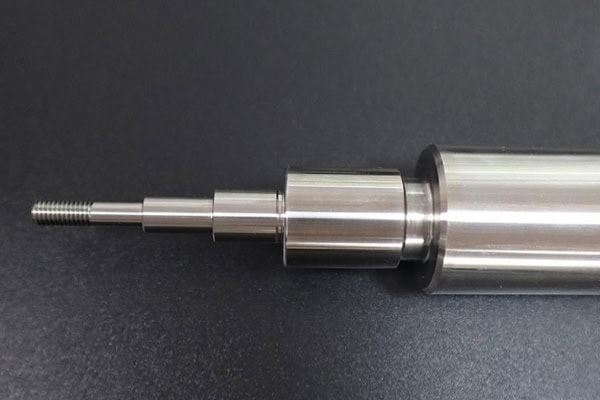
Machine rigidity plays a critical role in high hardness machining. Vibration amplifies cutting load and reduces tool life.
Machine Structure Stability Requirements
- High rigidity bed reduces vibration
- Spindle accuracy affects surface finish
- Stable clamping improves cutting consistency
- Dynamic balancing reduces vibration
- Guideway precision improves accuracy
- Overall structure affects tool life
Stable machine structure reduces abnormal wear and improves precision.
Process Stability Control
Machining stability depends on both equipment and process planning.
- Maintain consistent machining rhythm
- Avoid frequent parameter changes
- Keep tool condition stable
- Ensure batch consistency
- Monitor load variations
- Reduce human interference
Stable process planning improves reliability.
Role of Automation in High Hardness Machining
Automation reduces human error and improves stability through real-time monitoring and adaptive control.
- Real-time tool wear monitoring
- Automatic parameter adjustment
- Vibration anomaly detection
- Optimized tool path execution
- Improved batch consistency
- Reduced human operation variation
Automation makes high hardness machining more predictable and stable.