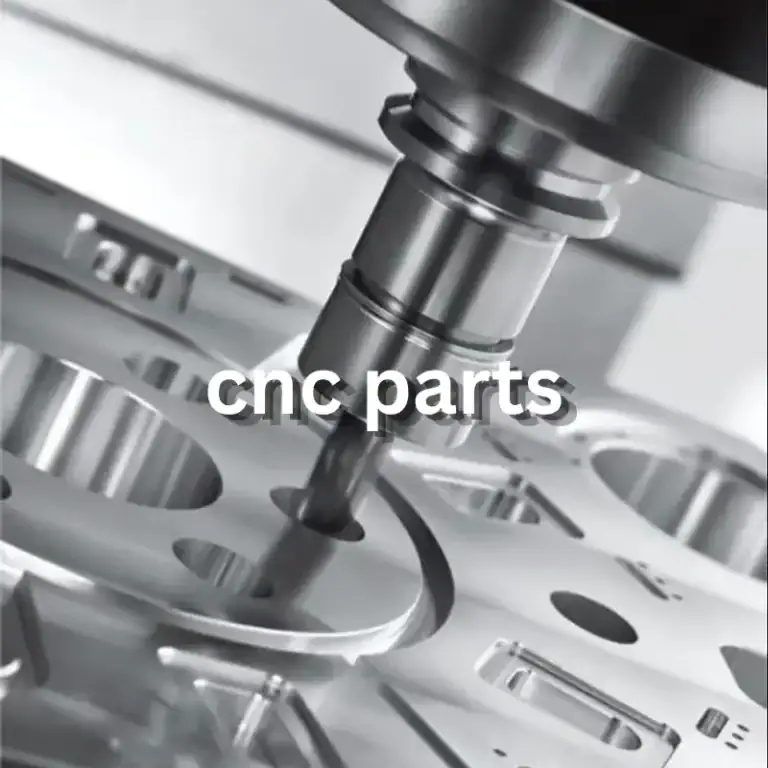
Surface finish quality is a critical indicator of CNC turning performance, directly influencing part functionality, assembly precision, and long-term durability. Achieving smooth surfaces requires attention to machine condition, tool selection, cutting parameters, and process control. By systematically addressing these factors, manufacturers can enhance surface quality while maintaining efficiency and reducing rework.
Machine Tool Condition and Stability
Stable machine operation is essential for consistent surface quality. Any vibrations, structural wear, or misalignment in the machine can translate directly into surface irregularities on the workpiece.
Machine Rigidity and Vibration Control
The rigidity of the machine bed, guideways, and spindle system determines its resistance to cutting forces. Weak structural components or excessive wear increase vibration and reduce surface smoothness.
- Maintain machine bed integrity
- Inspect and adjust guideways
- Ensure spindle runout is minimal
- Apply damping measures if needed
- Monitor long-term stability
- Reduce vibration for smoother surfaces
Optimizing machine stability ensures that cutting forces produce minimal deformation and maintain a high-quality finish.
Tool Spindle and Axis Accuracy
Accurate spindle rotation and linear axes alignment minimize deviations during cutting. Any inaccuracy can introduce surface marks and dimensional inconsistencies.
- Check spindle alignment
- Calibrate linear axes
- Monitor thermal expansion effects
- Adjust backlash compensation
- Perform regular maintenance
- Ensure precise tool positioning
Proper spindle and axis control improves surface uniformity and reduces defects caused by mechanical errors.
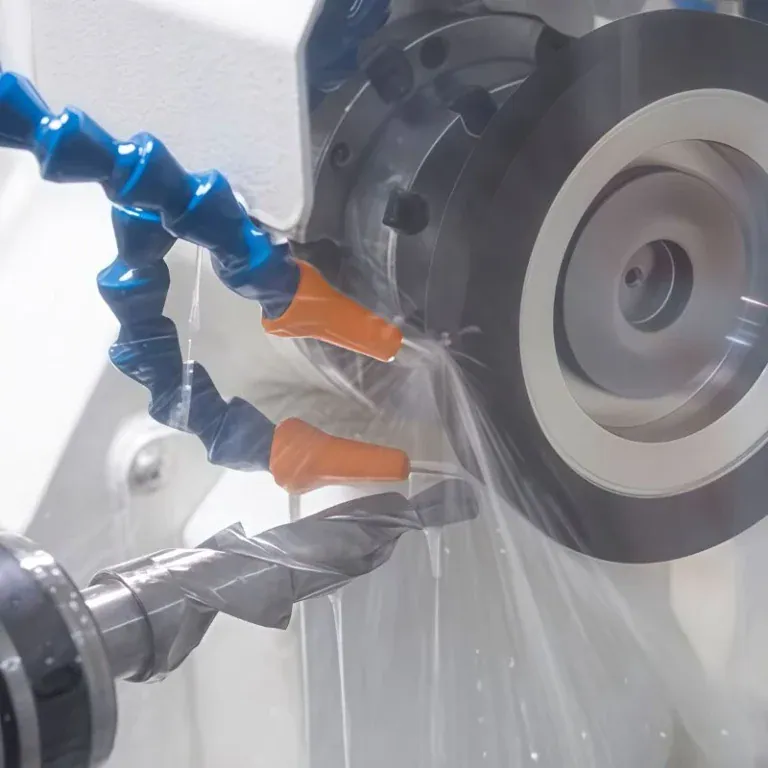
Coolant and Lubrication System
Effective cooling reduces thermal expansion and friction at the cutting interface, helping to maintain smooth surface finishes.
- Verify coolant flow and pressure
- Use appropriate cutting fluids
- Ensure uniform lubrication
- Monitor temperature at the cutting zone
- Avoid chip accumulation
- Maintain consistent surface quality
A well-managed cooling system reduces heat-induced tool deflection and improves surface integrity.
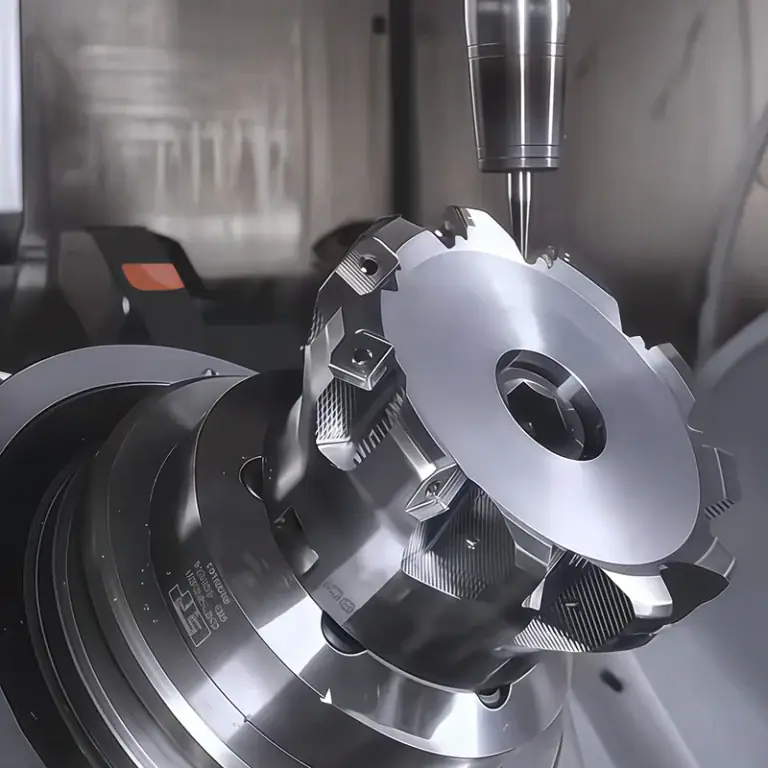
Cutting Tool Selection and Preparation
The tool directly interacts with the workpiece and plays a decisive role in surface finish quality.
Tool Material and Coating
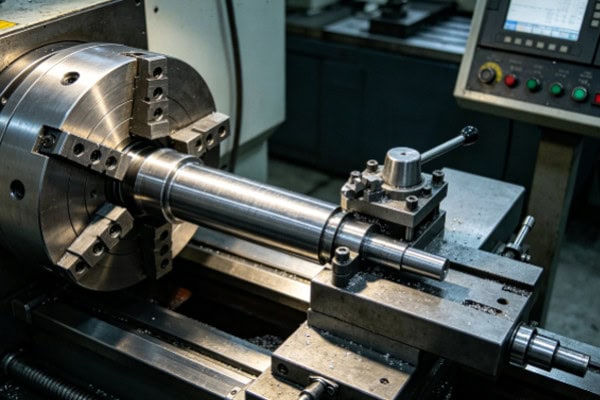
Tool materials and coatings influence wear resistance, cutting force, and heat generation. Selecting the proper tool extends life and improves surface quality.
- Choose high-quality carbide or ceramic tools
- Select suitable coatings for material being cut
- Optimize edge geometry
- Monitor tool condition
- Replace worn tools promptly
- Minimize surface scratches and marks
Proper tool choice reduces friction and maintains a consistent finish across the workpiece.
Tool Geometry and Edge Preparation
The cutting edge shape and sharpness affect chip flow and cutting forces. Precise edge preparation ensures smooth metal removal and minimal surface defects.
- Adjust rake and clearance angles
- Prepare sharp, uniform cutting edges
- Avoid burr formation
- Ensure edge consistency along the tool
- Reduce chatter risk
- Improve surface uniformity
Optimized geometry produces controlled cutting conditions that enhance finish quality.
Tool Overhang and Clamping Stability
Excessive overhang or unstable tool mounting increases deflection and vibration, which directly affects the surface finish.
- Minimize tool overhang
- Ensure tight and accurate clamping
- Use rigid tool holders
- Avoid vibration-prone setups
- Regularly inspect mounting integrity
- Achieve consistent surface smoothness
Stable tool setup ensures repeatable machining and maintains desired surface quality throughout production.
Cutting Parameters Optimization
Selecting the right cutting speed, feed rate, and depth of cut is crucial to obtaining a smooth surface.
Spindle Speed Adjustment
Spindle speed affects chip formation and surface texture. Matching speed with material properties prevents roughness and tool chatter.
- Determine optimal speed for material
- Avoid excessive or too low spindle speeds
- Reduce vibration at the cutting interface
- Maintain consistent chip thickness
- Balance speed and surface quality
- Ensure smooth finishing cuts
Proper speed selection minimizes surface imperfections and enhances part appearance.
Feed Rate Control
Feed rate directly impacts surface roughness. Fine-tuning feed rates can significantly improve finish without compromising efficiency.
- Reduce feed rate for finishing passes
- Maintain uniform feed during operation
- Prevent uneven material removal
- Avoid tool rubbing and vibration
- Balance productivity and quality
- Achieve consistent surface texture
Appropriate feed rates produce a uniform and visually appealing surface finish.
Depth of Cut and Finishing Passes
Shallow finishing passes reduce cutting forces and minimize surface irregularities, improving overall quality.
- Apply reduced depth for finishing
- Avoid aggressive material removal
- Control cutting forces
- Prevent deflection and chatter
- Optimize finishing sequences
- Enhance surface smoothness
Consistent, controlled finishing passes produce high-quality surfaces with minimal defects.
Workpiece Material and Clamping
Material properties and clamping conditions affect how the workpiece responds during cutting.
Material Selection and Hardness Considerations
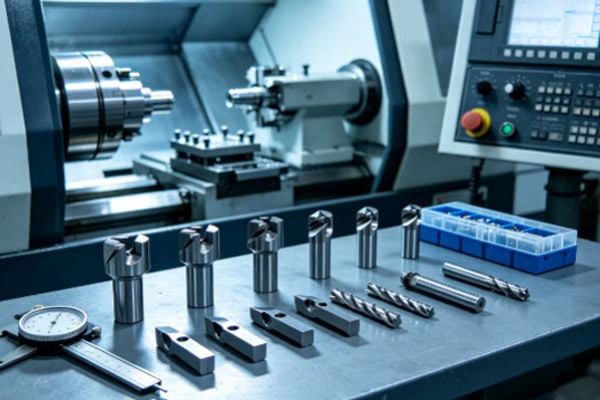
Different materials react differently to cutting forces. Softer metals may deform, while harder metals may cause tool vibration. Adjusting cutting strategies based on material ensures a smooth finish.
- Assess material hardness
- Adapt tool selection accordingly
- Adjust cutting parameters for deformation control
- Consider alloy composition and ductility
- Reduce surface tearing
- Maintain dimensional stability
Material-aware machining improves surface appearance and prevents defects.
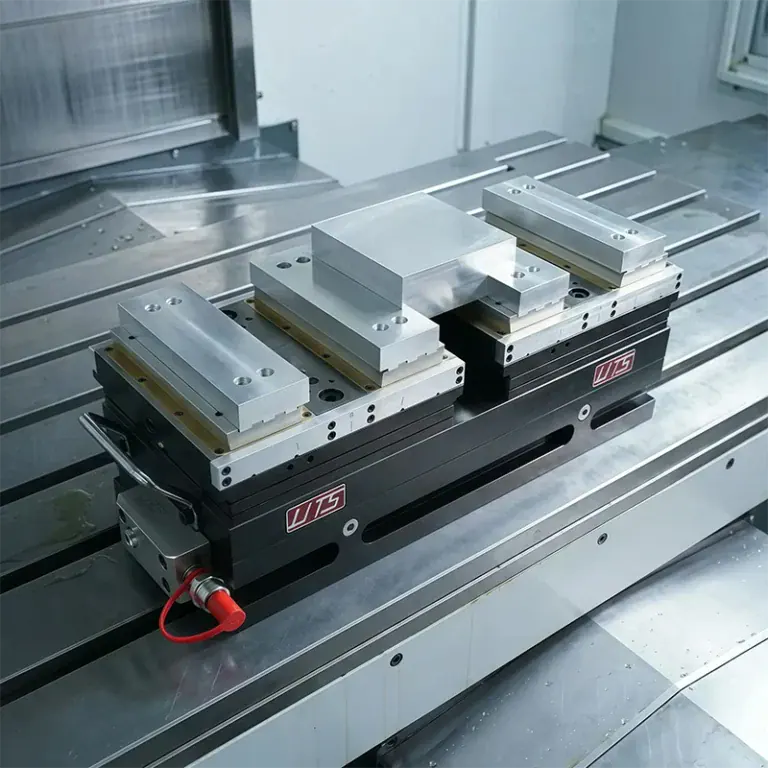
Workpiece Clamping Stability
Secure workpiece clamping prevents movement or vibration, which can mar the surface.
- Ensure rigid mounting
- Use steady or follow rests for long parts
- Avoid loose fixtures
- Check clamping repeatability
- Minimize vibration transmission
- Achieve uniform surface quality
Stable clamping ensures the cutting forces act predictably, resulting in better surface integrity.
Chip Evacuation and Cutting Fluid Management
Efficient chip removal and proper fluid application prevent surface scratches and overheating.
- Maintain continuous chip flow
- Apply cutting fluids uniformly
- Avoid chip re-cutting
- Reduce tool-workpiece friction
- Control temperature rise
- Enhance surface finish
Proper chip and coolant management leads to cleaner, smoother surfaces.