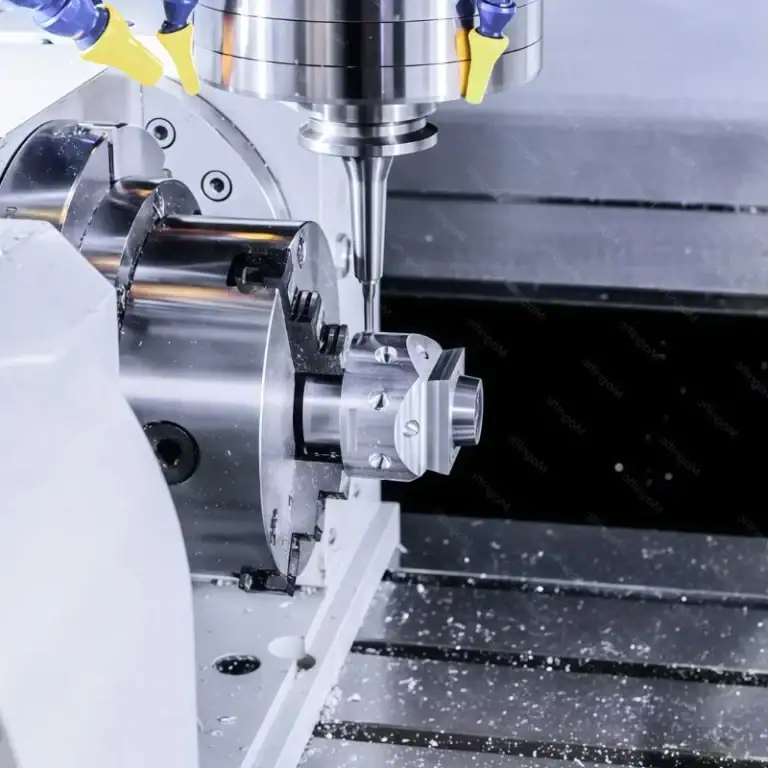
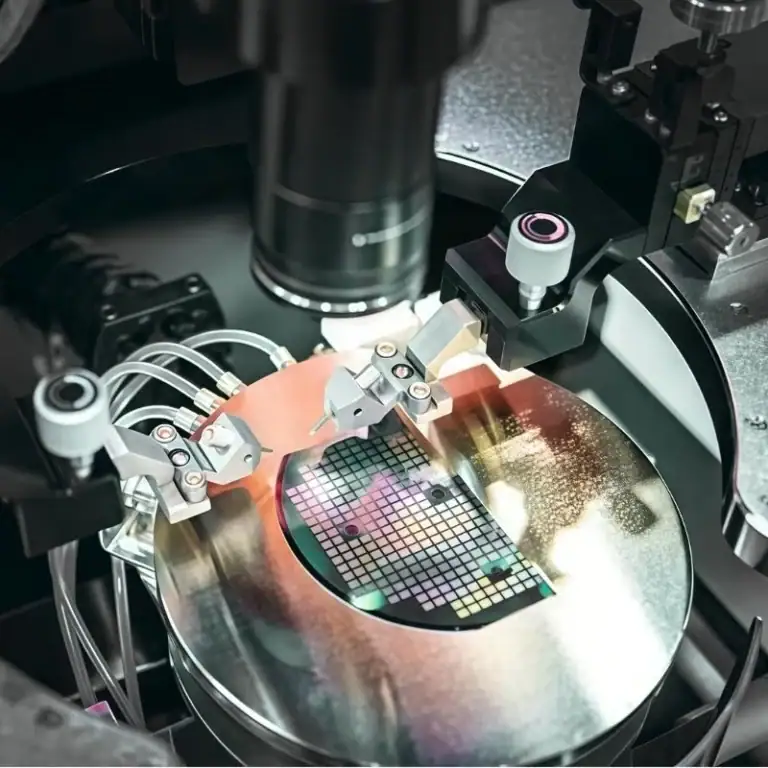
In precision machining, achieving the required dimensions once is not the real challenge—the real difficulty is maintaining those dimensions consistently over time. Many parts pass first-piece inspection perfectly, but dimensional drift, fluctuation, or tolerance issues appear during mass production. This is a typical dimensional stability problem. It affects not only production yield, but also assembly consistency and long-term product reliability. To truly improve dimensional stability, manufacturers must control materials, processes, equipment, and environmental conditions together instead of relying solely on machine accuracy.
Improve Fundamental Stability Through Material and Structural Design
Many dimensional stability issues are already built into the part before machining even begins.
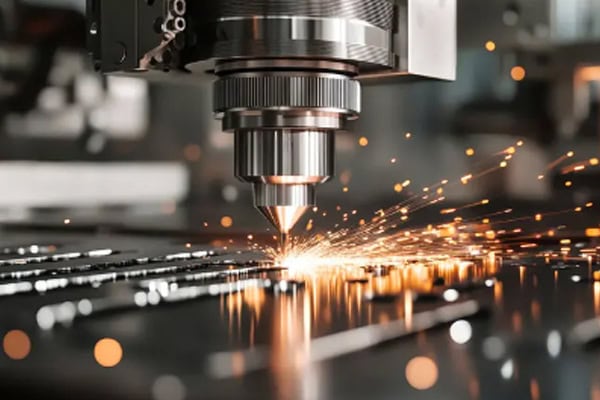
Control internal material stress
Residual stress inside materials is one of the main causes of dimensional instability.
- Rolled, forged, or cast materials usually contain uneven internal stress
- Removing material during machining breaks the original stress balance
- Stress release can cause bending, warping, or dimensional spring-back
- Thin-wall and large-size structures are more sensitive to stress variation
Processes such as aging treatment and annealing help release stress in advance and improve machining stability.
Optimize structural design
Poor structural design amplifies machining errors throughout production.
- Thin-wall structures lack rigidity and deform easily during cutting
- Long cantilever structures tend to deflect under cutting force
- Asymmetrical designs create uneven stress release
- Complex curved surfaces increase toolpath complexity and cumulative error
- Proper reinforcement ribs can significantly improve structural rigidity
The more stable the structure, the easier it is to maintain dimensional consistency.
Choose suitable machining materials
Different materials behave very differently in terms of dimensional stability.
- Aluminum alloys are easier to machine and simpler to control dimensionally
- Stainless steel offers high strength but is more prone to thermal deformation
- Titanium alloys accumulate heat easily and require tighter process control
Material choice determines the foundation of machining stability.
Process Control Is the Core of Stability
Even with good materials and structure, machining itself is still the stage where most dimensional errors occur.
Optimize machining process routes
The machining sequence directly affects stress release and dimensional changes.
- Rough machining followed by finish machining reduces deformation risk
- Removing material gradually helps release internal stress step by step
- Avoiding long periods of one-sided machining prevents force imbalance
- Reducing repeated clamping minimizes positioning error accumulation
- Leaving proper finishing allowance improves final dimensional correction
A well-designed process significantly improves dimensional consistency.
Control cutting force and machining parameters
Force variation during machining directly affects dimensional stability.
- Excessive cutting force causes temporary deformation in thin-wall parts
- High feed rates can create impact-related errors
- Tool wear gradually changes cutting conditions
- Unstable cutting leads to batch-to-batch dimensional fluctuation
Stable machining parameters are essential for stable results.
Improve fixturing and positioning accuracy
Fixture systems directly affect the stability of machining references.
- Excessive clamping force may deform the part structure
- Unstable positioning references introduce repeated errors
- Multiple setups increase accumulated deviation
High-precision fixtures improve not only dimensions, but also overall consistency.
Environmental and Equipment Factors Affect Long-Term Stability
Many dimensional issues are caused not by machining itself, but by changes in the surrounding system and environment.
Control temperature variation
Temperature is one of the most overlooked sources of precision error.
- Machine thermal deformation changes actual tool position
- Workpieces expand when heated during machining
- Ambient temperature differences affect measurement consistency
- Long machining cycles accumulate thermal error
A temperature-controlled environment significantly improves stability.
Improve machine rigidity and stability
Machine condition determines the upper limit of machining stability.
- Insufficient rigidity amplifies vibration-related errors
- Spindle accuracy directly affects dimensional precision
- Machine aging gradually increases system deviation
The more stable the machine, the smaller the dimensional fluctuation.
Strengthen inspection and feedback control
Real-time inspection helps identify dimensional drift early.
- First-piece inspection detects system deviation in advance
- In-process sampling helps maintain batch consistency
- Online compensation corrects dimensional drift
- Data recording supports continuous process optimization
- Closed-loop control improves long-term production stability
Inspection is not just for quality confirmation—it is a critical part of stability management.
Improving dimensional stability in precision machining is essentially a systematic control process involving materials, machining methods, equipment, and environmental conditions working together. Only when every stage remains stable can manufacturers achieve truly consistent, high-precision mass production. In high-end manufacturing, companies like Tirapid, specializing in complex and high-precision machining, provide more reliable dimensional consistency and long-term production stability through mature process systems and stable manufacturing control capabilities.