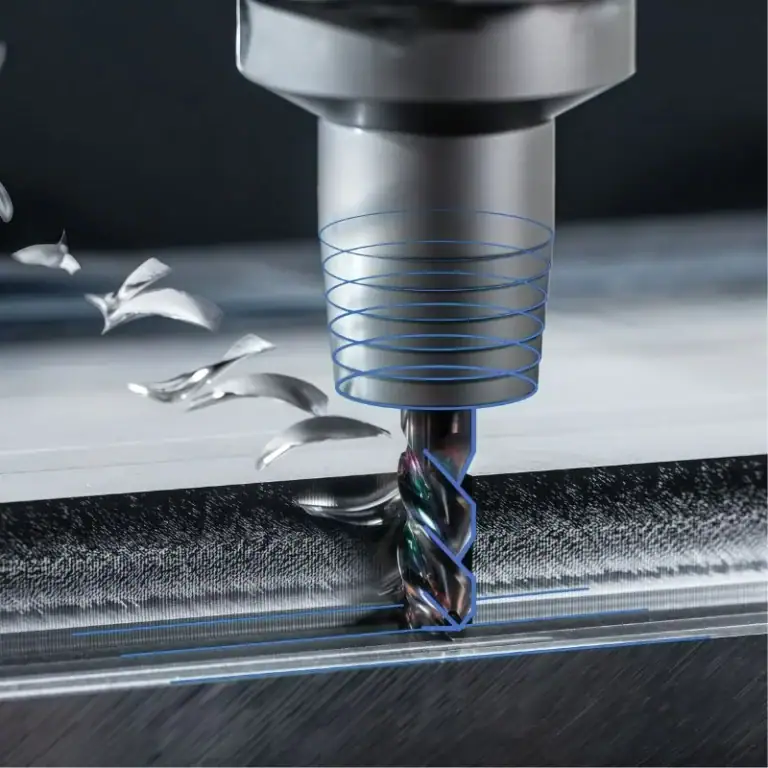
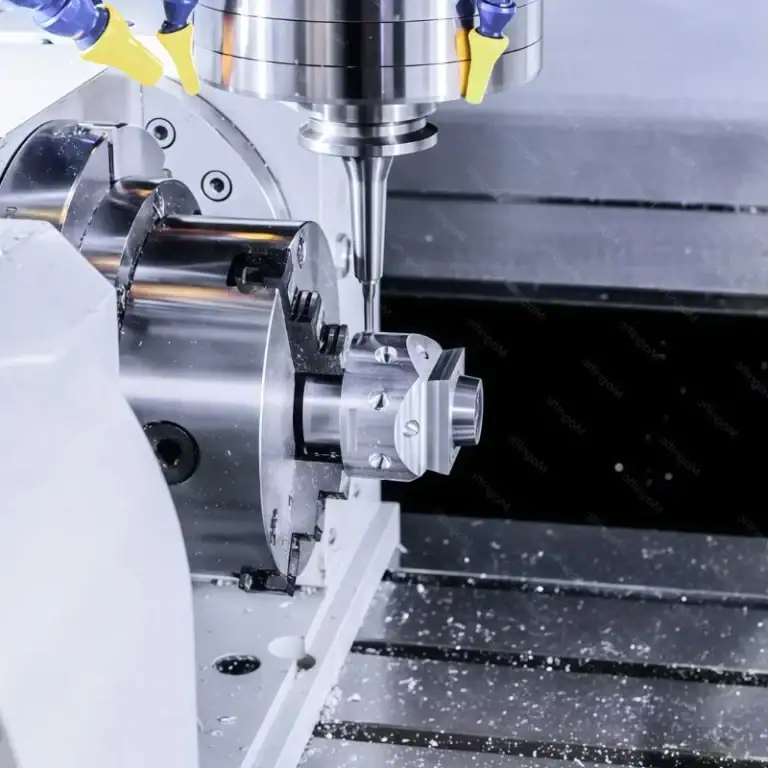
In today’s increasingly competitive manufacturing industry, delivery lead time has become a critical factor influencing customers’ choice of suppliers. For companies that require mass production of precision parts, improving CNC milling efficiency can not only shorten production cycles but also reduce per-unit manufacturing costs and enhance overall competitiveness. However, many manufacturers focus solely on machine specifications when pursuing higher machining speeds, while overlooking other crucial factors such as process optimization, tool selection, and program management. In reality, CNC milling speed is influenced by a wide range of factors. Only by optimizing equipment, machining processes, personnel skills, and production management simultaneously can truly efficient machining be achieved. Understanding these efficiency-improvement methods is essential for enhancing product quality, controlling production costs, and strengthening order fulfillment capabilities.
Optimize Tool Selection and Cutting Parameters
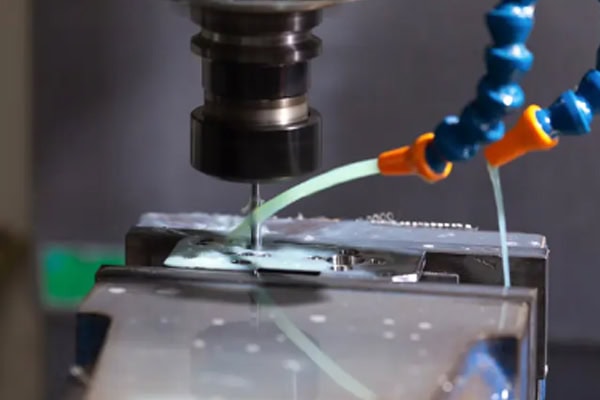
Cutting tools and machining parameters are fundamental factors affecting CNC milling efficiency. Proper optimization can directly improve material removal rates and machining stability.
Choose the Right Tool for the Material
Different materials require different tool characteristics. Selecting the correct tool can improve cutting efficiency, extend tool life, and reduce downtime caused by tool changes.
- Aluminum alloy machining can utilize high-speed specialized tools with sharp cutting edges to reduce cutting resistance and achieve higher feed rates.
- Stainless steel and titanium alloys require wear-resistant carbide or coated tools to maintain stable machining performance.
- For softer materials such as plastics and copper, tools with specialized geometries can help prevent material adhesion and maintain machining efficiency.
- Select appropriate tool lengths based on part geometry and avoid excessively long tools whenever possible to reduce vibration and improve cutting stability.
Proper tool matching reduces cutting resistance and tool wear, thereby improving overall machining speed and quality.
Adjust Cutting Parameters Properly
In addition to tool selection, cutting parameter settings play a major role in machining efficiency and machine utilization.
- Increase spindle speed and feed rate appropriately while maintaining machining quality.
- Optimize cutting depth and width according to material characteristics instead of using overly conservative settings.
- Use larger cutting volumes during rough machining to remove excess material quickly.
- Reduce cutting loads during finishing operations to ensure dimensional accuracy and surface quality.
- Use recommended cutting parameters provided by tool manufacturers as a reference and adjust them according to actual machining conditions.
Scientific parameter settings maximize machine performance, prevent productivity losses caused by conservative settings, and reduce abnormal tool wear.
Monitor Tool Conditions Regularly
Even with the right tools and parameters, neglecting tool wear management can negatively impact machining speed.
- Establish a tool life management system and maintain usage records for different tools.
- Replace tools before they reach critical wear limits to avoid unexpected failures during machining.
- Utilize tool monitoring systems to track tool conditions in real time and improve management efficiency.
- Regularly inspect tool tips for wear, chipping, and built-up edge formation.
- Regrind high-value tools when appropriate to reduce production costs.
Keeping tools sharp helps maintain stable cutting speeds and machining quality while minimizing machine downtime.
Improve Machine Performance and Automation Levels
With advancements in manufacturing technology, high-performance equipment and automation systems have become essential for improving CNC milling efficiency.
Use High-Speed Machining Centers
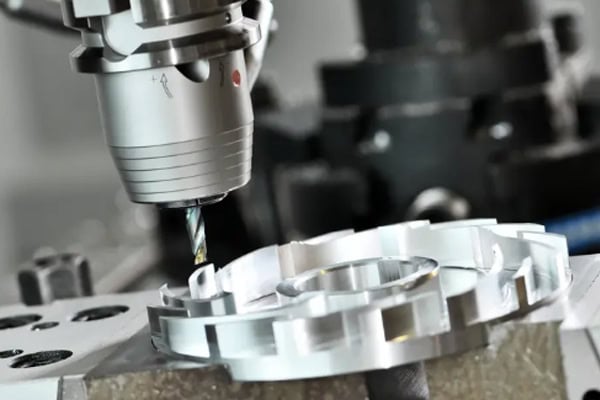
Advanced equipment can overcome the limitations of traditional machining and deliver higher productivity. By increasing spindle speed, material removal rates can be significantly improved, especially when machining lightweight metals such as aluminum alloys. Combined with advanced cutting tools, even greater cutting efficiency can be achieved. High-speed machines also feature faster acceleration and deceleration capabilities, reducing cycle times and minimizing non-cutting movements while maintaining machining accuracy. Furthermore, modern machining centers typically incorporate rigid structures and precision control systems, ensuring excellent dimensional accuracy and surface finish even at high speeds. These advantages enable high-performance machines to complete more machining tasks within the same timeframe, generating greater productivity and economic value.
Equip Machines with Automatic Tool Changers
Reducing auxiliary time is a key strategy for improving overall machining efficiency, and automatic tool changers are one of the most effective solutions.
- Automatic tool changers enable rapid process transitions and significantly reduce waiting time.
- Minimize downtime caused by manual intervention and improve machine utilization.
- Support multiple tools online simultaneously, increasing efficiency for complex part machining.
- Reduce the risk of manual tool-changing errors and ensure process continuity.
- Ideal for manufacturing complex products requiring multiple operations and multi-face machining.
For complex components, automatic tool changers can significantly improve overall efficiency and production stability.
Introduce Automated Production Cells
Automation equipment is becoming an integral part of modern factories and an important direction for improving CNC milling efficiency.
- Use robotic systems for automatic loading and unloading to enable unattended production.
- Achieve continuous production and improve machine utilization during nights and weekends.
- Automatically identify workpiece positions to reduce manual setup time.
- Integrate with MES systems for real-time production monitoring.
- Reduce labor costs while improving production consistency.
Automation not only increases speed but also minimizes human errors, delivering long-term benefits for manufacturers.
Optimize Machining Programs and Process Planning
In addition to hardware upgrades, effective programming and process planning can significantly shorten machining cycles.
Reduce Air-Cutting Paths
Program optimization is an important method for improving efficiency, as a considerable amount of machining time is often wasted on non-cutting movements. By shortening tool travel distances, optimizing tool change positions, and improving machining sequences, unnecessary movements and idle time can be minimized, increasing machine utilization. More efficient toolpath planning can also eliminate redundant passes and unnecessary detours, further enhancing productivity. In addition, modern intelligent CAM software can automatically generate efficient toolpaths and optimize machining strategies based on part features, helping manufacturers reduce cycle times. After CAM optimization, overall machining time can often be significantly reduced.
Arrange Machining Sequences Properly
A well-designed process route can reduce repetitive operations and improve overall production throughput.
- Prioritize machining of critical areas to minimize deformation effects on subsequent operations.
- Reduce repeated clamping and positioning to improve machining continuity.
- Group operations using the same tool together to reduce tool change frequency.
- Plan roughing, semi-finishing, and finishing processes logically.
- Use multi-face machining strategies for complex parts to maximize completion in a single setup.
Scientific process planning effectively reduces auxiliary time and improves overall production efficiency.
Adopt High-Efficiency Machining Strategies
Modern CAM systems offer a variety of advanced machining methods that can significantly improve material removal efficiency.
- High-speed dynamic milling maintains constant cutting loads and extends tool life.
- Adaptive machining technology automatically adjusts toolpaths according to machining conditions.
- High-efficiency roughing strategies rapidly remove large amounts of stock material.
- Helical ramping techniques reduce tool impact and improve machining stability.
- Constant cutting force strategies minimize machine load fluctuations.
These technologies maintain stable cutting loads, improve material removal rates, and reduce tool wear.
Strengthen Production Management and Quality Control
Efficient production depends not only on equipment and processes but also on a robust management system.
Improve Programming and Operational Skills
Experienced technicians can quickly identify efficiency bottlenecks and develop more effective machining solutions.
- Optimize machining plans and eliminate unnecessary operations.
- Reduce setup times and increase machine uptime.
- Use CAM software proficiently to improve programming efficiency.
- Resolve machining issues quickly during production.
- Continuously optimize process parameters based on actual production conditions.
Professional teams often help companies achieve higher productivity and more consistent product quality.
Perform Proper Equipment Maintenance
Keeping equipment in excellent condition is essential for maintaining efficient production.
(1) Regularly Inspect Critical Components
Inspect key components such as spindles, guideways, ball screws, and lubrication systems to prevent downtime caused by equipment failures.
(2) Maintain Machine Accuracy
Conduct regular accuracy inspections and calibrations to ensure long-term stable operation and avoid rework caused by dimensional deviations.
(3) Establish a Preventive Maintenance Program
Identify potential issues through scheduled maintenance and reduce production losses caused by unexpected breakdowns.
Effective maintenance management minimizes unplanned downtime and improves overall equipment utilization.
Establish Standardized Production Processes
Standardized management helps manufacturers continuously improve efficiency while ensuring product quality.
- Standardize process documentation management to maintain consistent production standards.
- Regulate machining procedures to reduce operational variations.
- Strengthen production traceability for faster problem identification.
- Establish quality feedback mechanisms to continuously improve production processes.
- Implement lean manufacturing principles to eliminate waste.
By continuously optimizing management systems, companies can further enhance production efficiency and delivery capabilities.
Conclusion
Improving CNC milling speed is not simply a matter of increasing spindle speed. It requires comprehensive optimization across multiple dimensions, including tool selection, machine performance, program optimization, automation implementation, and production management. For manufacturers, higher machining efficiency means shorter lead times, lower production costs, and stronger market competitiveness. As a professional precision parts manufacturing service provider, TiRapid offers advanced CNC milling equipment, an experienced engineering team, and extensive project expertise. We develop efficient machining solutions tailored to customer requirements, ensuring product quality and machining accuracy while delivering faster and more reliable production to support the success of your projects.