Heat resistant plastics are designed to maintain strength, shape, and performance in high-temperature environments where standard plastics may soften, deform, or fail. They are widely used in automotive, medical, electronics, aerospace, and industrial parts that need reliable performance under heat, friction, chemicals, or long-term stress.
In this guide, we will explain the main types of heat resistant plastics, their key properties, common applications, and how to choose the right material for your project. Whether you need CNC machined prototypes or functional production parts, understanding material behavior under heat can help reduce risk and improve part reliability.
What Are Heat Resistant Plastics?
Heat resistant plastics are engineering plastic materials that can maintain useful strength, shape, and performance under elevated temperatures. Compared with standard plastics, they are less likely to soften, deform, crack, or lose mechanical stability when exposed to heat for a long time.
In real applications, heat resistance is not only about whether a plastic can survive a short high-temperature exposure. Engineers usually look at continuous use temperature, heat deflection temperature, melting point, glass transition temperature, and strength retention under load. These factors show whether the material can keep working reliably in hot environments.
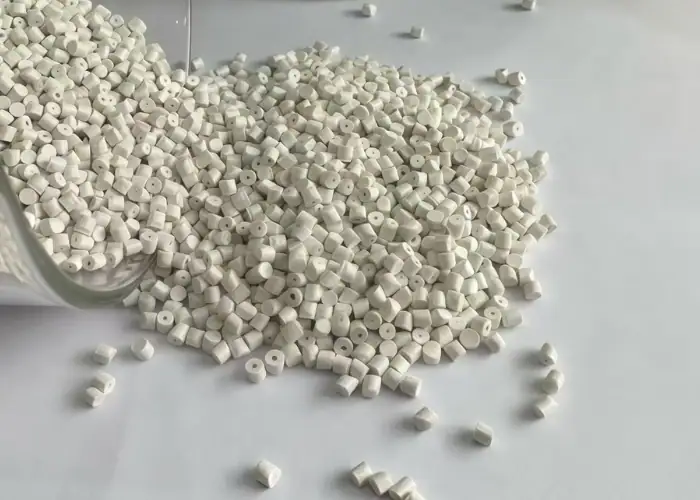
Common heat resistant plastics include PEEK, PEI, PTFE, PPS, PAI, PPSU, and some high-temperature nylon materials. They are often used in parts exposed to engines, electrical heat, hot water, steam, friction, chemicals, or repeated operating cycles.
For precision parts, choosing the right heat resistant plastic can help reduce deformation, improve dimensional stability, and extend service life. This is especially important for CNC machined parts, insulating components, medical parts, aerospace parts, and industrial equipment components that must perform under demanding conditions.
What Properties Make Plastics Heat Resistant?
The heat resistance of a plastic depends on more than one temperature value. A material may survive short heat exposure but still deform under long-term load. For engineering parts, the most important properties include continuous use temperature, heat deflection behavior, thermal transition points, mechanical strength under heat, and chemical stability.
Continuous Use Temperature
Continuous use temperature shows how long a plastic can work under heat without serious performance loss. For example, some high heat resistant plastics can work around 150°C–260°C depending on the material grade. This value is important for parts used near motors, engines, heaters, electronics, steam, or hot fluids.
A plastic with a higher continuous use temperature can better maintain strength, shape, and insulation performance over time. If the working temperature is close to the material limit, engineers should consider a higher-grade heat resistant material to avoid deformation or early failure.
Heat Deflection Temperature
Heat deflection temperature, or HDT, shows how a plastic behaves under both heat and load. A material may look stable in a hot environment, but if it is also carrying pressure, clamping force, or mechanical stress, it may bend or lose dimensional accuracy.
For precision CNC machined parts, HDT is very important because even small deformation can affect assembly, sealing, or movement. Materials such as PEEK, PEI, PPS, and PAI are often selected when high-temperature parts also need structural stability.
Glass Transition Temperature And Melting Point
Glass transition temperature, also called Tg, is the point where an amorphous plastic starts to become softer and less rigid. Melting point is more important for semi-crystalline plastics because it shows when the material begins to melt. Both values help engineers understand how the material changes under heat.
For example, amorphous plastics such as PEI and PSU are often evaluated by Tg, while semi-crystalline plastics such as PEEK and PPS are also evaluated by melting point. Understanding these values helps avoid choosing a material that may soften, warp, or lose strength during service.
Mechanical Strength Under Heat
A plastic is only truly heat resistant if it can still hold mechanical performance at high temperature. Tensile strength, stiffness, creep resistance, and fatigue resistance all matter when the part is exposed to heat and stress at the same time.
This is especially important for gears, bushings, brackets, insulators, seals, and structural plastic components. If the material loses stiffness under heat, the part may deform even if it does not melt. That is why high heat resistant plastics are often chosen for demanding functional parts.
Chemical And Wear Resistance
Many high-temperature environments also involve chemicals, friction, oils, fuels, cleaning agents, or steam. A good heat resistant plastic should not only resist heat, but also maintain stability when exposed to these working conditions.
For example, PTFE performs well in chemical and low-friction applications, PEEK offers strong heat and wear resistance, and PPS provides good chemical stability. The right choice depends on whether the part faces heat alone or heat combined with chemicals, movement, and mechanical load.
What Are the Common Types of Heat Resistant Plastics?
Different heat resistant plastics offer different strengths in temperature resistance, strength, chemical stability, wear resistance, and cost. The right choice depends on whether the part needs high load capacity, low friction, insulation, chemical resistance, or long-term dimensional stability under heat.
PEEK
PEEK is one of the most reliable high heat resistant plastics. It offers excellent heat resistance, strength, chemical resistance, wear resistance, and dimensional stability. It can often work around 250°C, making it suitable for bushings, seals, gears, insulators, medical parts, aerospace parts, and industrial precision components. Its main limitation is high cost.
PEI
PEI, often known as Ultem, provides good stiffness, flame resistance, dimensional stability, and electrical insulation. It is commonly used for connectors, medical parts, aerospace interiors, fixtures, housings, and CNC machined parts. Compared with PEEK, PEI is often more cost-effective, but its wear and chemical resistance are usually lower.
PTFE
PTFE is known for excellent chemical resistance, very low friction, and a wide working temperature range. It is used for seals, gaskets, liners, sliding parts, and fluid-contact components. However, PTFE has lower mechanical strength and may deform under load, so reinforced grades may be needed for structural parts.
PPS
PPS offers good heat resistance, chemical stability, flame resistance, dimensional stability, and low moisture absorption. It is often used in automotive parts, electrical components, pump parts, valve components, connectors, and industrial equipment. It is more cost-effective than PEEK, but usually has lower toughness and wear resistance.
PAI
PAI is a very strong high heat resistant plastic for demanding mechanical parts. It provides excellent strength, stiffness, wear resistance, and stability under heat and long-term load. It is used for bearings, bushings, wear pads, seals, aerospace components, and high-load precision parts, but it is expensive and harder to process.
PPSU
PPSU has good heat resistance, impact strength, hydrolysis resistance, and repeated sterilization performance. It is widely used for medical parts, sterilizable housings, fluid-handling parts, food-contact parts, and reusable plastic components. It performs especially well in hot water, steam, and repeated cleaning environments.
High-Temperature Nylon
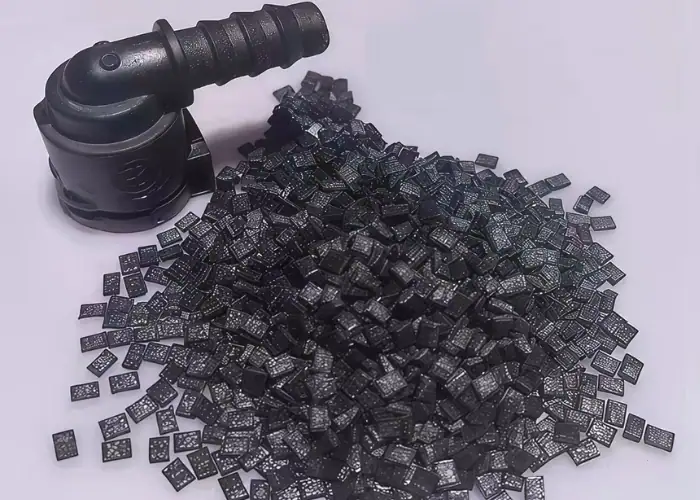
High-temperature nylon is a modified nylon grade designed for better heat performance than standard nylon. With glass fiber or other fillers, it offers good strength, toughness, wear resistance, and cost efficiency. It is used for automotive parts, electrical components, brackets, housings, and mechanical parts, but moisture absorption should be considered.
Heat Resistant Plastics Material Comparison
A material comparison table helps engineers quickly understand which heat resistant plastics may fit a specific working condition. The final choice should consider continuous temperature, mechanical load, chemical exposure, friction, machining needs, and cost.
| Material | Heat Resistance | Strength | Chemical Resistance | Wear Resistance | Machinability | Cost Level | Common Uses |
| PEEK | Excellent, often used around 250°C | Very high | Excellent | Excellent | Good, but needs controlled machining | Very high | Bushings, seals, gears, medical parts, aerospace parts, precision CNC parts |
| PEI | High, suitable for many high-temperature parts | High | Good | Moderate | Good | High | Connectors, insulators, fixtures, housings, medical and aerospace parts |
| PTFE | High, wide temperature range | Low to moderate | Excellent | Good low-friction performance | Moderate, can deform under load | Medium to high | Seals, gaskets, liners, sliding parts, fluid-contact parts |
| PPS | High, stable under heat and chemicals | Medium to high | Excellent | Moderate | Good | Medium to high | Automotive parts, pump parts, valve parts, electrical components |
| PAI | Excellent for high-load heat applications | Very high | Good | Excellent | More difficult | Very high | Bearings, bushings, wear pads, seals, aerospace precision parts |
| PPSU | High, strong in steam and hot water | Medium to high | Good | Moderate | Good | High | Medical parts, sterilizable housings, fluid-handling parts, reusable components |
| High-Temperature Nylon | Moderate to high, depends on grade | Medium to high | Moderate | Good | Good | Medium | Automotive parts, brackets, housings, electrical and mechanical parts |
From this comparison, PEEK and PAI are better for high-load and high-performance parts, while PTFE is stronger in chemical resistance and low friction. PEI and PPS offer a good balance of heat resistance, strength, and cost. PPSU is practical for steam, hot water, and medical-related parts. High-temperature nylon is often chosen when cost control and mechanical performance both matter.
What Are the Benefits of Heat Resistant Plastics?
Heat resistant plastics are useful because they can replace standard plastics or even metals in parts exposed to heat, chemicals, friction, or repeated operation. For engineers, their value is not only temperature resistance, but also weight reduction, design flexibility, insulation, and stable long-term performance.
Lightweight Compared With Metals
Heat resistant plastics are much lighter than many metals, which helps reduce overall part weight without sacrificing necessary performance. This is especially valuable in automotive, aerospace, robotics, and portable equipment, where lighter components can improve efficiency, movement, and assembly handling.
Good Dimensional Stability
Many high heat resistant plastics can maintain shape and size under elevated temperatures. This helps reduce warping, thermal deformation, and fit issues in precision parts. For CNC machined components, stable dimensions are important for sealing, assembly, sliding movement, and repeated operation.
Strong Chemical Resistance
Some heat resistant plastic materials, such as PEEK, PTFE, PPS, and PAI, offer strong resistance to oils, fuels, solvents, cleaning agents, and industrial chemicals. This makes them useful for pump parts, valve components, seals, fluid-handling parts, and chemically exposed equipment.
Electrical Insulation
Most heat resistant plastics have good electrical insulation properties, which makes them suitable for connectors, insulating blocks, sockets, fixtures, sensor housings, and electronic components. They can protect electrical systems while maintaining performance under heat and mechanical stress.
Design Flexibility
Heat resistant plastics can be machined or molded into complex shapes more easily than many metals. Engineers can add grooves, threads, thin features, insulation areas, lightweight structures, and integrated functions. This helps reduce part count, assembly steps, and overall product weight.
Suitable for CNC Machining and Molded Parts
Heat resistant plastics can support both prototype and production needs. CNC machining is practical for prototypes, custom parts, and low-volume precision components, while injection molding is more suitable for higher-volume production. This gives manufacturers more flexibility in product development and material validation.
What Are the Limitations of Heat Resistant Plastics?
Although heat resistant plastics offer strong thermal performance, they are not suitable for every high-temperature application. Engineers still need to consider material cost, processing difficulty, long-term load, chemical limits, and dimensional control before choosing them for precision parts.
Higher Material Cost
Many high heat resistant plastics cost more than standard plastics such as ABS, PC, Nylon, or POM. Materials like PEEK, PAI, and PEI are often selected only when the part truly needs heat resistance, strength, chemical stability, or long service life. For simple low-load parts, using these materials may increase cost unnecessarily.
More Difficult Processing
Heat resistant plastic materials usually require stricter machining or molding control. During CNC machining, cutting heat, tool wear, clamping force, and chip removal must be managed carefully. During molding, drying, mold temperature, melt temperature, and cooling control are also important. Poor processing control may cause stress, burrs, warping, or surface defects.
Possible Creep Under Long-Term Load
Some plastics may slowly deform under continuous load, especially when heat and stress act together. Even if the material does not melt, long-term pressure may cause shape change, reduced fit, or loss of function. For brackets, seals, bushings, and load-bearing parts, creep resistance should be checked carefully.
Material-Specific Chemical Limits
Heat resistance does not mean resistance to all chemicals. For example, one material may perform well in hot air but may not be suitable for strong solvents, acids, fuels, or cleaning agents. Before using heat resistant plastics in chemical-contact parts, chemical compatibility should be confirmed.
Need for Careful Design and Tolerance Control
Heat resistant plastics still expand, contract, and respond to machining stress. Thin walls, sharp corners, tight tolerances, and large flat surfaces may increase the risk of deformation or cracking. Good design should include proper wall thickness, radii, stress relief, and realistic tolerance planning.
How Are Heat Resistant Plastics Processed?
Heat resistant plastics can be processed by different manufacturing methods, depending on part quantity, geometry, tolerance, surface requirement, and material grade. Because these materials often have higher melting points, stronger stiffness, or greater thermal stability, processing control is more important than with standard plastics.
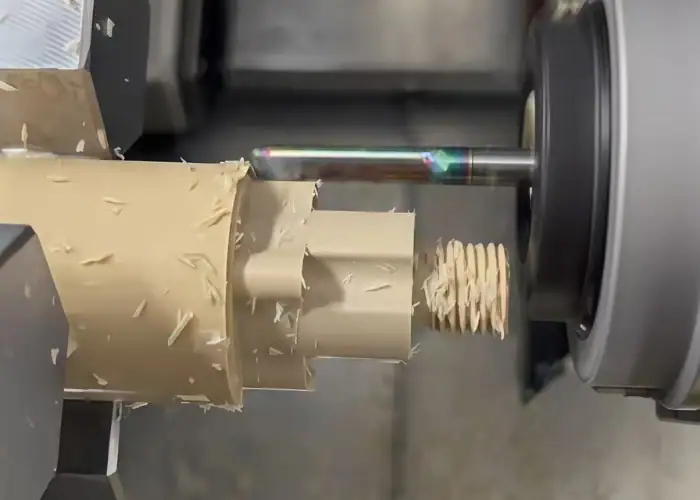
CNC Machining
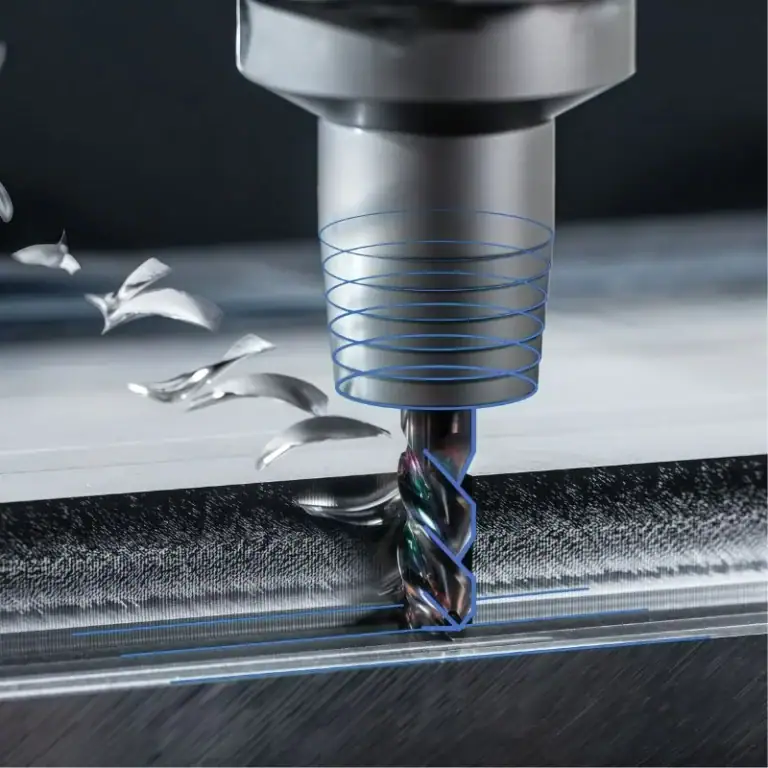
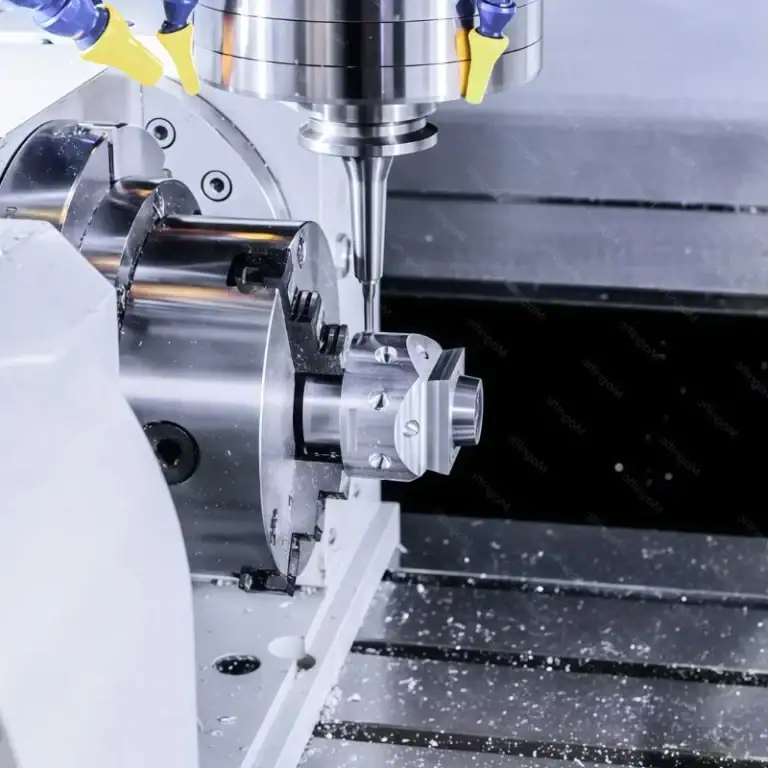
CNC machining is commonly used for prototypes, custom parts, and low-volume precision components made from PEEK, PEI, PPS, PTFE, PAI, and other heat resistant plastics. It is suitable for parts that require tight tolerances, complex details, threaded holes, flatness control, or functional testing before mass production.
During machining, sharp tools, stable clamping, proper feed rates, and heat control are important. Some materials, such as PEEK and PAI, need careful parameter control to avoid burrs, stress, or dimensional movement. Softer materials like PTFE may require special support to prevent deformation.
Injection Molding
Injection molding is suitable for medium- to high-volume production of heat resistant plastic parts. It can produce complex shapes with good repeatability, making it useful for connectors, housings, medical parts, automotive components, and electrical insulation parts.
However, high-temperature plastics usually require higher melt temperatures, mold temperatures, and material drying control. Poor processing conditions may cause warping, internal stress, short shots, surface defects, or unstable dimensions. For large production runs, mold design and material selection should be reviewed carefully before tooling.
3D Printing
Some heat resistant plastics can be processed by industrial 3D printing, especially materials such as PEEK, PEI, PPSU, and high-temperature nylon. This method is useful for complex prototypes, lightweight structures, custom fixtures, and small batches where tooling is not practical.
3D printing high-temperature plastics usually requires professional equipment with a heated chamber, high nozzle temperature, and controlled cooling. Without proper thermal control, parts may warp, delaminate, or lose dimensional accuracy.
Extrusion
Extrusion is often used to produce sheets, rods, tubes, profiles, and films from heat resistant plastic materials. These semi-finished materials can then be used for CNC machining, thermoforming, welding, or secondary fabrication.
For materials such as PTFE, PPS, PEI, and PEEK, extrusion control affects internal stress, surface quality, and dimensional consistency. Stable temperature, pressure, and cooling are important for producing reliable stock material.
Compression Molding
Compression molding is suitable for some high-performance or difficult-to-process plastics, especially when thick sections, simple shapes, or specialized material grades are required. It can be used for plates, blocks, seals, insulators, and wear-resistant components.
This process uses heat and pressure to form the material inside a mold. It is slower than injection molding, but it can be practical for certain engineering plastics, reinforced materials, or parts where machining from molded stock is more efficient.
How to Make Plastic Heat Resistant?
Plastic heat resistance can be improved by choosing the right base material, adding reinforcement, optimizing part design, and controlling the manufacturing process. In real projects, heat resistance is not created by one factor alone. It depends on material formulation, working temperature, load, environment, and part structure.
Choose High-Temperature Plastic Materials
The most direct way is to select high-temperature polymers such as PEEK, PEI, PPS, PAI, PTFE, PPSU, or high-temperature nylon. These materials are designed to maintain better strength, shape, and stability under heat than standard plastics like ABS, PP, or regular nylon.
For precision parts, material selection should start from the actual working temperature. If the part needs to work near 150°C–260°C, high heat resistant plastics are usually more reliable than common engineering plastics.
Add Glass Fiber or Carbon Fiber
Glass fiber and carbon fiber reinforcement can improve stiffness, heat deflection temperature, dimensional stability, and creep resistance. For example, glass-filled PEEK, PPS, or nylon can perform better under heat and load than unfilled grades.
However, filled materials can also become more abrasive during CNC machining and may reduce toughness in some cases. Tool selection, surface requirements, and part geometry should be considered before choosing reinforced grades.
Use Heat-Resistant Fillers and Additives
Some plastics can be modified with mineral fillers, ceramic fillers, flame retardants, or stabilizers to improve heat resistance, flame performance, or dimensional control. These additives help the plastic maintain structure and reduce deformation under high temperature.
This method is common in injection molding and engineered material formulations. The exact improvement depends on the base resin, filler type, filler percentage, and processing conditions.
Improve Part Design
Good design can help plastic parts perform better under heat. Thicker stress areas, proper ribs, rounded corners, balanced wall thickness, and enough clearance for thermal expansion can reduce warping, cracking, and dimensional problems.
For CNC machined parts, avoiding sharp internal corners and overly thin walls is also important. A well-designed part can often perform more reliably even when the material is already heat resistant.
Control Processing Conditions
Processing has a direct effect on final heat performance. Poor drying, unstable molding temperature, excessive cutting heat, or internal stress can weaken the part, even if the material itself has good heat resistance.
For CNC machining, sharp tools, proper feeds and speeds, stable clamping, and heat control are important. For molding, material drying, mold temperature, melt temperature, and cooling time should be controlled carefully.
What Are the Common Uses of Heat Resistant Plastics?
Heat resistant plastics are used in parts that must stay stable under heat, friction, chemicals, electrical load, or repeated operation. Their applications are common in industries where standard plastics may soften, deform, or lose strength during long-term use.
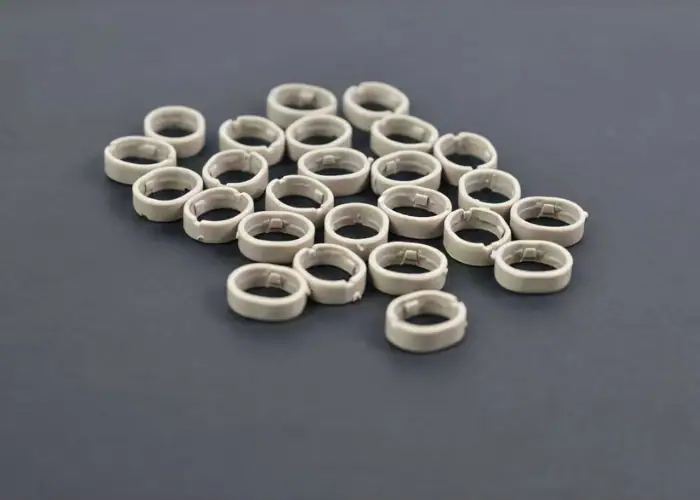
Automotive
In automotive applications, heat resistant plastics are often used for sensor housings, electrical connectors, under-hood brackets, insulation parts, pump components, and fluid system parts. Materials such as PEEK, PPS, PEI, and high-temperature nylon help parts resist engine heat, vibration, fuel exposure, and long operating cycles.
Industrial Equipment
Industrial equipment often uses heat resistant plastics for valve parts, pump components, seals, bushings, wear pads, insulation blocks, and machine fixtures. These parts may face friction, pressure, chemicals, and elevated temperatures, so materials like PEEK, PTFE, PPS, and PAI are commonly selected.
Medical
In medical applications, heat resistant plastics are used for sterilizable housings, surgical instrument parts, reusable components, fluid-handling parts, and diagnostic equipment parts. PPSU, PEI, PEEK, and PSU are useful because they can withstand hot water, steam, cleaning agents, and repeated sterilization cycles.
Aerospace
Aerospace parts require lightweight materials with stable performance under heat and stress. Heat resistant plastics can be used for brackets, clips, insulation components, interior parts, connectors, and selected structural supports. PEEK, PEI, and PAI are often considered when weight reduction and reliability are both important.
Automation
Automation equipment uses heat resistant plastics in sensor mounts, positioning blocks, insulating fixtures, sliding parts, covers, and custom CNC machined components. These materials help automated systems maintain accuracy, repeatability, and service life during continuous operation.
Electronics
Heat resistant plastics are widely used for connectors, sockets, insulating blocks, circuit board supports, sensor housings, and electronic fixtures. PEI, PPS, PEEK, and PPSU provide good electrical insulation while maintaining stability near heat-generating electronic components.
Robotics
Robotic systems often require lightweight, strong, and stable parts. Heat resistant plastics can be used for brackets, joint components, sensor holders, cable guides, insulating parts, and sliding elements. They help reduce weight while supporting repeated motion and thermal stability.
Consumer Products
In consumer products, heat resistant plastics are used for appliance parts, handles, housings, protective covers, coffee machine components, kitchen equipment parts, and reusable plastic components. These materials improve safety, durability, and long-term appearance in products exposed to heat or cleaning.
Aerospace & Defense
For aerospace and defense applications, heat resistant plastics may be used in insulation parts, protective covers, lightweight supports, connectors, seals, and precision components. Their combination of heat resistance, strength, and low weight makes them useful for high-reliability equipment.
Powersports
In motorcycles, ATVs, snowmobiles, and performance vehicles, heat resistant plastics can be used for covers, sensor parts, bushings, brackets, insulation parts, and fluid system components. These parts must resist vibration, outdoor exposure, heat, and mechanical stress.
Oil & Gas
Oil and gas equipment may use heat resistant plastics for seals, valve seats, pump parts, sensor housings, electrical insulation, and fluid-contact components. Materials such as PEEK, PTFE, PPS, and PAI are often selected when heat, pressure, chemicals, and wear resistance are important.
How to Choose the Right Heat Resistant Plastic Material?
Choosing the right heat resistant plastic material depends on more than maximum temperature. Engineers should also consider load, chemicals, friction, tolerance, production method, and cost. A material that works well in one hot environment may not be suitable for another if the stress, fluid exposure, or dimensional requirements are different.
Check Working Temperature
Start with the real working temperature of the part. Consider both continuous temperature and short-term heat exposure. If the part works near 150°C–260°C, materials such as PEEK, PEI, PPS, PAI, PPSU, or PTFE may be suitable. If the temperature is close to the material limit, choose a higher-grade material for better safety.
Confirm Mechanical Load
Heat and mechanical load often act together. A plastic may resist temperature but still deform under pressure, clamping force, or repeated stress. For load-bearing parts, gears, bushings, brackets, or seals, check strength, stiffness, creep resistance, and fatigue performance under heat.
Review Chemical Exposure
Many high-temperature parts also contact oils, fuels, solvents, steam, cleaners, or industrial fluids. PEEK, PTFE, PPS, and PAI usually offer strong chemical resistance, but compatibility still depends on the exact chemical and working temperature. Always confirm chemical exposure before final material selection.
Consider Wear and Friction
If the part slides, rotates, seals, or contacts another moving surface, wear resistance becomes important. PEEK, PAI, and PTFE are often used for wear-related applications, but each performs differently. PTFE is good for low friction, while PEEK and PAI are better when strength and wear resistance are both required.
Match the Manufacturing Process
Different heat resistant plastics behave differently in CNC machining, injection molding, extrusion, or 3D printing. CNC machining is suitable for prototypes, custom parts, and low-volume precision components. Injection molding is better for high-volume production. The material choice should match part geometry, tolerance, quantity, and lead time.
Balance Cost and Performance
High heat resistant plastics are usually more expensive than standard plastics. PEEK and PAI provide excellent performance, but they may be unnecessary for simple low-load parts. PPS, PEI, PPSU, or high-temperature nylon may offer a better balance between performance and cost in many projects.
FAQs
What Is The Most Heat Resistant Plastic?
PEEK, PAI, PTFE, and some high-performance polyimides are among the most heat resistant plastics. For CNC machined precision parts, PEEK is often a practical choice because it combines heat resistance, strength, chemical resistance, and dimensional stability. However, the best material depends on continuous working temperature, load, friction, chemical exposure, and cost.
Can Heat Resistant Plastics Be CNC Machined?
Yes. Many heat resistant plastics, including PEEK, PEI, PPS, PTFE, PAI, and PPSU, can be CNC machined into precision parts. CNC machining is suitable for prototypes, custom components, and low-volume production. However, sharp tools, stable clamping, proper cutting parameters, and heat control are important to avoid burrs, stress, deformation, or dimensional errors.
Are Heat Resistant Plastics Better Than Metal?
Heat resistant plastics are not always better than metal, but they can be better in specific applications. They are lighter, corrosion-resistant, electrically insulating, and easier to machine into complex shapes. Metals are usually stronger for extreme loads, but heat resistant plastics are useful when weight reduction, insulation, chemical resistance, or low friction is more important.
Conclusion
Heat resistant plastics are valuable materials for parts exposed to heat, friction, chemicals, electrical loads, or long-term mechanical stress. Materials such as PEEK, PEI, PTFE, PPS, PAI, PPSU, and high-temperature nylon each offer different advantages, so the best choice depends on working temperature, load, chemical exposure, wear, tolerance, process, and cost.
At TiRapid, we provide precision CNC machining services for custom heat resistant plastic parts, helping customers choose suitable materials, optimize part design, and produce reliable prototypes and low-volume precision components.