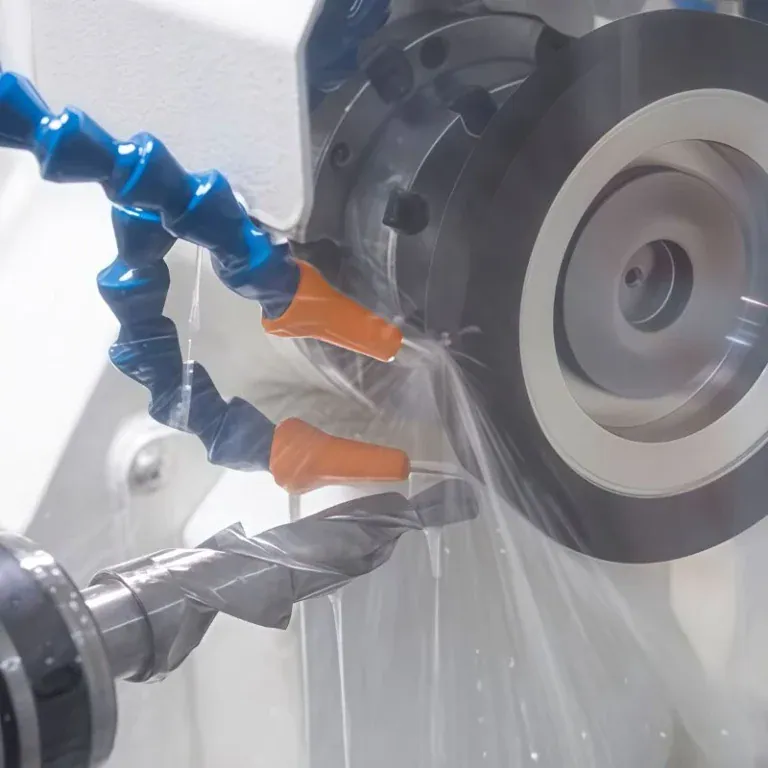
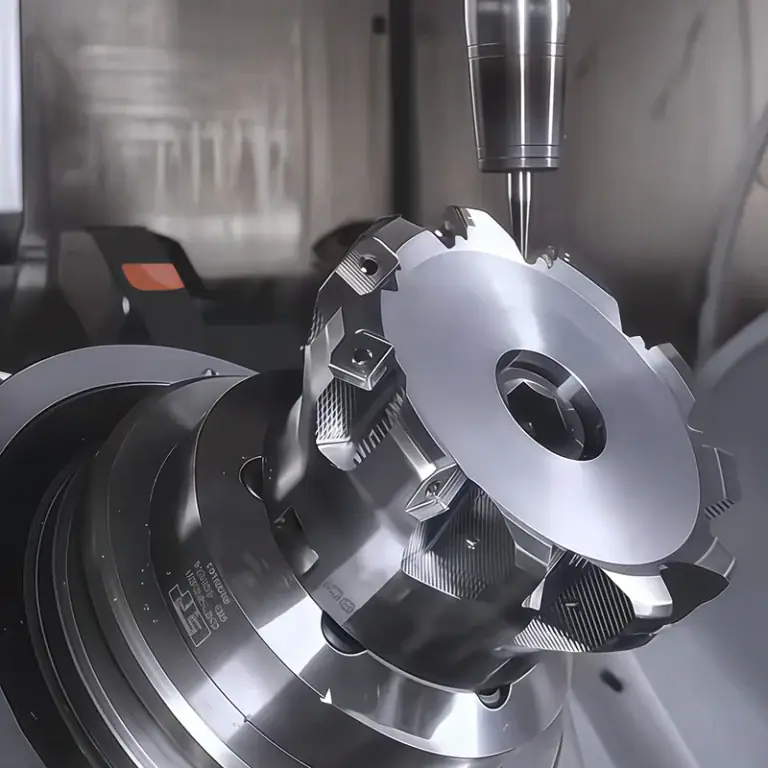
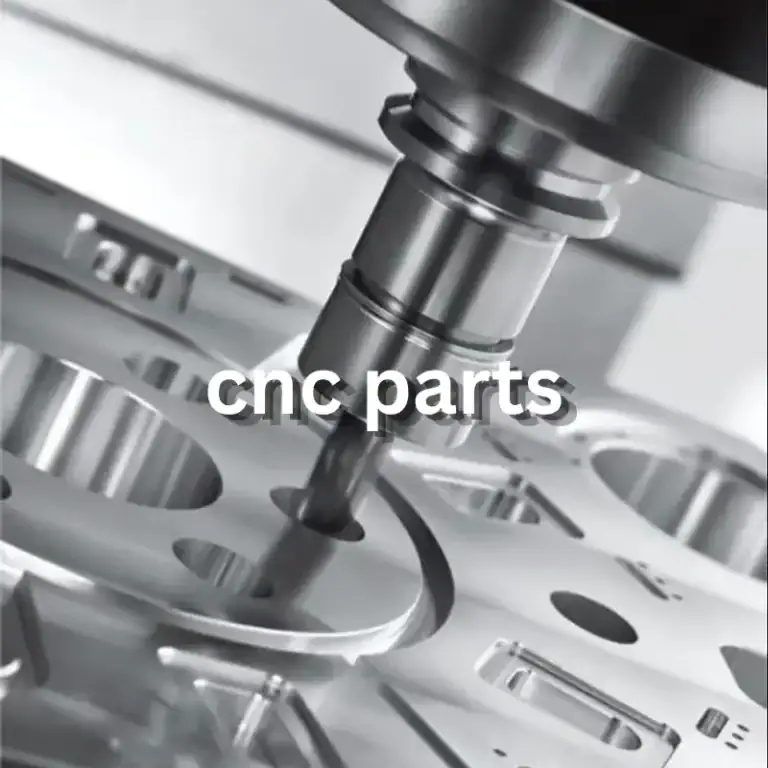
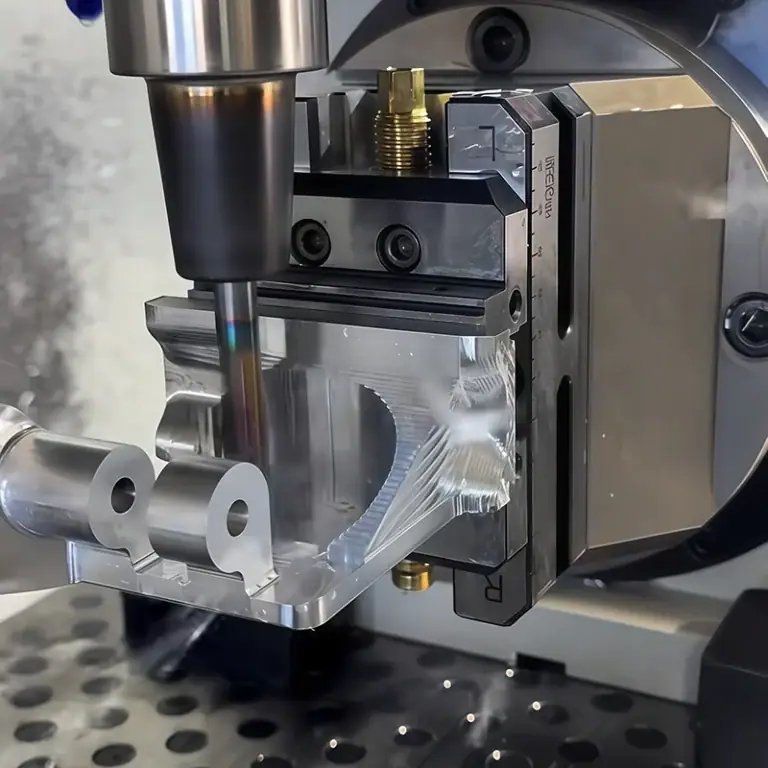
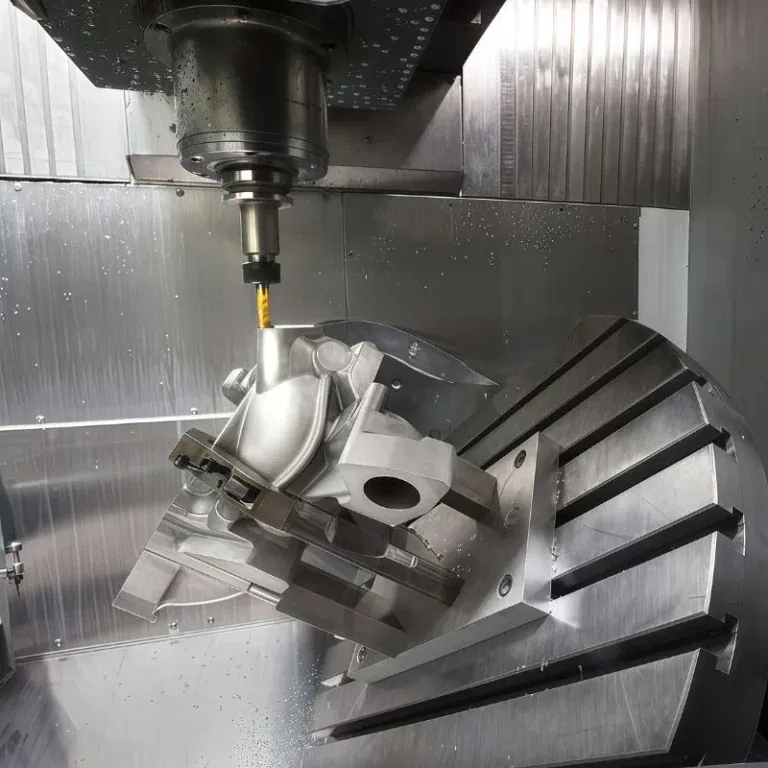
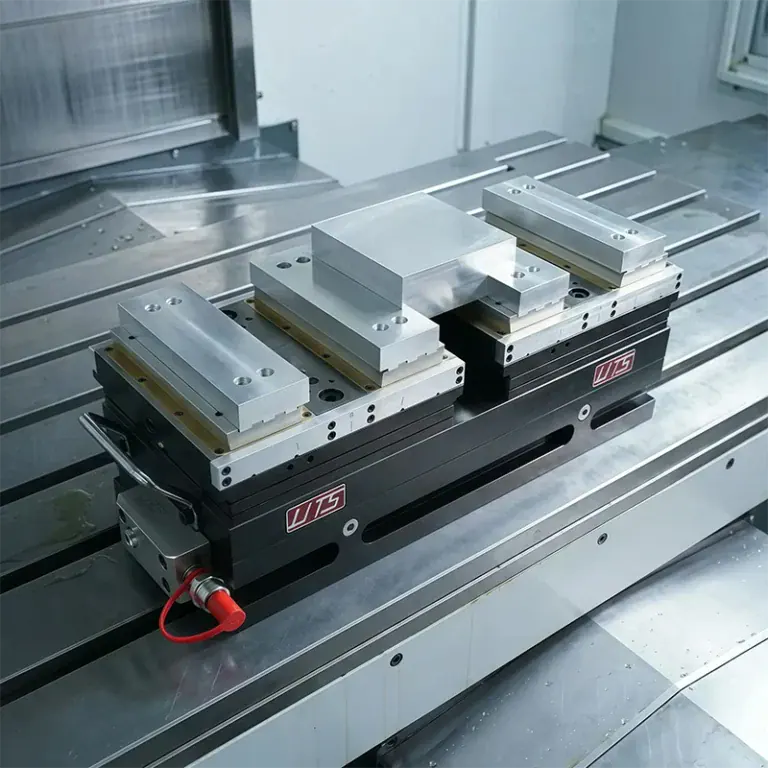
As the modern manufacturing industry continues to evolve toward high precision, high efficiency, and intelligence, the CNC milling control system has become a critical core component affecting machining quality. For modern CNC equipment, while the mechanical structure determines fundamental machining capability, the key factors that truly influence equipment operational stability, tool motion accuracy, and the machining quality of complex parts often come from the control system itself. As manufacturing enterprises continue to raise their requirements for dimensional accuracy, surface quality, and batch consistency, advanced control systems are helping equipment achieve more stable machining performance.
The Important Role of Control Systems in Machining Accuracy
Control systems determine tool motion stability and enhance machining stability. A CNC control system needs to control tool motion trajectories and equipment operating status in real time, maintaining more stable cutting actions during high-speed machining. The higher the control accuracy, the smaller the dimensional errors in machining complex surfaces and precision structures.
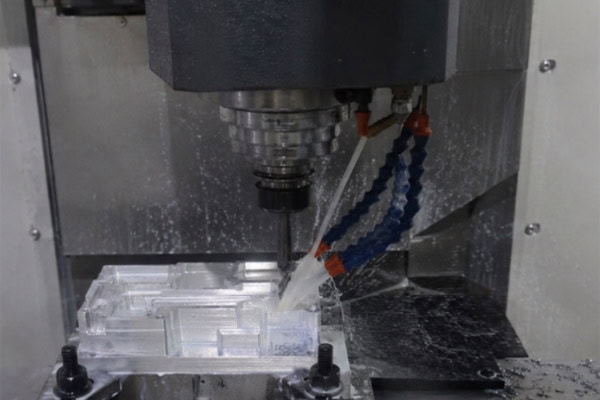
Main features of motion control systems
Modern control systems increasingly emphasize high-speed response and precise positioning capabilities. By optimizing data processing speed and motion algorithms, they improve the stability of complex part machining and reduce vibration and deviation issues during high-speed cutting.
- Improving tool operation accuracy
- Reducing motion trajectory deviations
- Enhancing machining quality of complex surfaces
- Reducing vibration issues in high-speed machining
- Improving overall equipment stability
Stable motion control enhances the machining quality of complex parts.
Control Systems Affect Positioning and Repeatability Accuracy
In batch production, the equipment’s repeatable positioning capability directly affects product consistency, while the control system’s data processing capability and feedback speed determine positioning control accuracy.Key characteristics of positioning control systems:
Modern CNC systems use high-precision encoders and servo feedback technology to improve equipment repeatability and reduce dimensional errors during long-term continuous machining.
- Improving repeatable positioning accuracy
- Reducing multiple setup errors
- Enhancing batch production consistency
- Reducing dimensional deviations in complex structures
- Enhancing automated machining stability
High-precision positioning capability is driving the upgrade of modern precision manufacturing.
Control Systems Optimize Complex Machining Paths
During complex part machining, the control system needs to calculate tool motion trajectories in real time to ensure a smoother and more stable cutting process. By using intelligent algorithms to optimize machining paths, it can effectively reduce idle travel and sudden stops or direction changes, thereby improving the smoothness of tool path operation, reducing local cutting impact, and enhancing the machining quality of complex surfaces. At the same time, more rational path planning reduces non-productive machining time, improves overall machining efficiency, and maintains a more stable machining state during complex structure processing. Stable path control capability enhances machining accuracy and further improves modern manufacturing productivity.
The Influence of Servo Systems and Feedback Systems
High-response servo systems improve machining and cutting stability. During high-speed machining, insufficient servo system response speed can easily lead to tool lag, trajectory deviation, and machining errors.
Key characteristics of high-performance servo systems
Modern high-end CNC equipment increasingly emphasizes high-response servo control capability, enhancing complex machining stability by improving motor control precision and dynamic response speed.
- Improving high-speed motion response capability, maintaining a more stable motion state during complex path transitions.
- Reducing machining trajectory deviations, minimizing position errors and dimensional fluctuations during high-speed machining.
- Improving machining quality of complex structures, enhancing consistency in machining irregular parts and precision surfaces.
- Reducing high-speed cutting vibration, minimizing the impact of tool impact on workpiece surface quality.
- Improving long-term continuous machining stability, enhancing reliable operation of equipment in batch production environments.
High-response control technology is enhancing modern CNC machining capability.
Feedback Systems Enable Real-Time Error Correction
High-precision feedback systems monitor equipment operating status in real time and automatically compensate to reduce error accumulation.Main functions of feedback control systems:
Modern feedback systems integrate encoders, sensors, and detection devices to correct equipment deviations in real time, improving overall machining stability.
- Real-time monitoring of equipment operating status and machining process changes, promptly identifying anomalies.
- Automatic correction of motion trajectory errors, reducing deviation during high-speed machining.
- Improving dimensional control capability and repeatable positioning accuracy, enhancing consistency in batch machining.
- Reducing the impact of thermal deformation, mechanical vibration, and environmental changes on machining accuracy.
- Improving machining stability for complex parts, multi-curved structures, and high-precision workpieces.
Intelligent feedback technology is enhancing modern manufacturing reliability.
Servo and Feedback Systems Jointly Affect Surface Quality
During high-speed cutting, equipment operational stability directly affects workpiece surface finish and machining quality. Modern control systems improve motion smoothness and reduce vibration issues, helping equipment achieve more stable surface machining results. This not only improves workpiece surface finish, achieving more uniform and delicate surface effects after precision machining, but also reduces tool marks and chatter marks, minimizing local machining defects during high-speed cutting. Additionally, advanced control systems improve complex surface machining results, enhance consistency in machining free-form surfaces and irregular structures, and reduce subsequent polishing requirements, helping enterprises reduce manual finishing and secondary machining costs. Furthermore, stable control capability improves the overall appearance quality of products, making precision parts more stable and consistent in both dimensions and visual effects, thereby further enhancing overall surface machining results.
Trends in Intelligent Control Technology
Intelligent systems are enhancing machining capability. Modern CNC control systems have begun incorporating intelligent compensation technology, using real-time detection and automatic adjustment to reduce error accumulation.
Key characteristics of intelligent compensation systems
Intelligent control systems automatically adjust machining parameters based on equipment operating status, improving the stability and dimensional control capability of complex part machining.
- Automatic correction of dimensional deviations
- Reducing the impact of thermal expansion
- Improving machining accuracy of complex structures
- Reducing the frequency of manual adjustments
- Enhancing batch production stability
Intelligent compensation technology is driving the development of high-precision manufacturing.
Data-Driven Management Improves Factory Coordination
Modern control systems are increasingly deeply integrated with industrial internet platforms, data management platforms, and automation systems.Main functions of digital control technology:
Digital management systems can more efficiently monitor equipment operating status, machining progress, and production data, improving overall manufacturing efficiency.
- Real-time equipment monitoring
- Improving production management efficiency
- Optimizing machining resource allocation
- Enhancing equipment maintenance capability
- Improving batch production stability
Digital technology is elevating modern intelligent manufacturing.
Automation Control is Driving the Development of Unattended Machining
More and more modern factories are establishing automated machining systems to improve long-term continuous production capability. Automatic tool changers, robotic loading/unloading, and automatic inspection systems are continuously raising the level of automation in modern CNC machining. Such automation control systems improve continuous machining capability, reduce manual intervention, enhance overall production efficiency, minimize human machining errors, and further strengthen automated manufacturing capability. Automation control technology is driving the continuous upgrading of modern manufacturing.
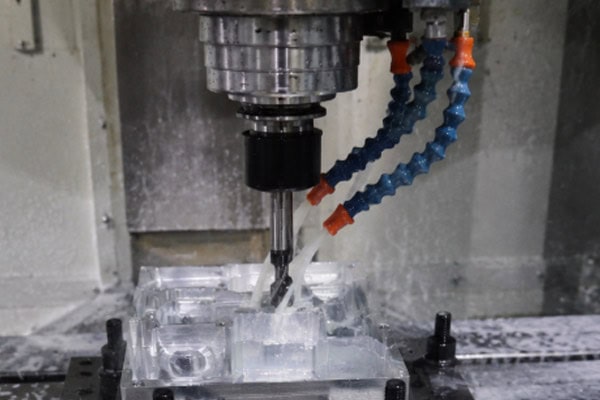
The Impact of Data Processing Capability on Machining Accuracy
High-speed data computing improves complex machining stability and path control capability.
Control System Data Processing Speed Affects Machining Accuracy
During complex surface and high-speed machining, CNC systems need to process large amounts of tool motion data in real time. If the system’s computing power is insufficient, trajectory lag, tool pauses, and machining errors can easily occur. Modern high-end control systems are continuously increasing data processing speed to meet the demands of complex parts and high-speed machining.Key characteristics of high-speed data processing systems:
Modern CNC control systems increasingly emphasize real-time computing and high-speed interpolation capabilities. By improving data processing efficiency, they enhance complex machining fluidity and dimensional control capability.
- Improving complex surface computing capability: more precise processing of complex curve and multi-axis linked machining data, improving the stability of high-precision part machining.
- Reducing pauses during high-speed machining: optimizing system data reading and computing efficiency, reducing stuttering and lag during high-speed cutting.
- Improving tool path smoothness: using intelligent path control to reduce sudden stops and direction changes, making tool motion smoother and more stable.
- Improving complex structure machining quality: enhancing machining consistency for complex contours and irregular structures, improving overall dimensional accuracy and surface effects.
- Enhancing equipment continuous machining stability: maintaining stable machining status in long-term high-speed operating environments, reducing machining errors and equipment fluctuations.
High-speed data processing capability is elevating modern CNC machining levels.
High-Speed Interpolation Technology Improves Complex Surface Machining Results
During high-precision machining, equipment needs to complete complex contour cutting through a large number of continuous path points, and high-speed interpolation technology improves path connection smoothness.Main functions of high-speed interpolation technology:
Modern control systems optimize interpolation algorithms and path computing capabilities to improve complex surface machining fluidity and reduce local path errors.
- Improving complex surface machining accuracy: maintaining smoother tool motion trajectories during multi-axis linked machining, reducing complex contour machining errors.
- Reducing tool path breakpoints: optimizing interpolation algorithms and path connection capabilities, improving continuity and stability during high-speed machining.
- Improving workpiece surface finish: reducing tool marks and chatter marks generated during machining, achieving more uniform and delicate workpiece surfaces.
- Reducing high-speed motion vibration: improving equipment operational smoothness, reducing mechanical impact and deviation during high-speed cutting.
- Improving complex part machining stability: enhancing long-term continuous machining capability, ensuring dimensional consistency and machining reliability of complex structural parts.
Stable Interpolation Control Enhances Complex Structure Machining Capability.
Data buffering capability affects long-term machining stability
During large part and complex program machining, system data buffering capability directly affects equipment operational smoothness. Modern high-end CNC equipment optimizes program buffering and data transmission capabilities to improve long-term complex machining stability and reduce program runtime stuttering. High-performance data buffering systems improve large program operational stability, reduce machining interruptions, enhance complex path machining continuity, improve batch production stability, and further increase overall equipment operational efficiency. Stable data processing capability is continuously enhancing the reliability and continuous machining level of modern manufacturing.
The Impact of Error Compensation Technology on Machining Quality
Intelligent compensation systems improve dimensional stability and long-term machining reliability.
Thermal Compensation Technology Reduces the Impact of Temperature Changes
During high-speed cutting, equipment spindles, ball screws, and workpieces are all affected by temperature changes, leading to thermal expansion errors. Modern control systems are using thermal compensation technology to reduce dimensional deviations caused by temperature changes.Key characteristics of thermal compensation technology:
Modern intelligent control systems monitor equipment temperature changes in real time and automatically adjust machining parameters, improving long-term machining stability and dimensional control capability.
- Reducing thermal expansion errors
- Improving long-term machining stability
- Enhancing dimensional accuracy of complex structures
- Reducing the impact of high-temperature cutting
- Improving batch production consistency
Intelligent thermal compensation technology is driving the development of high-precision machining.
Tool Compensation Technology Improves Machining Consistency
During long-term machining, tool wear directly affects machining dimensions and surface quality, so the control system needs to correct tool errors in real time.Main functions of tool compensation systems:
Modern CNC systems use automatic tool detection and compensation technology to improve the stability of complex part machining and reduce dimensional deviations caused by tool wear.
- Automatic correction of tool deviations
- Improving machining dimensional stability
- Reducing the impact of tool wear
- Enhancing machining quality of complex structures
- Improving continuous machining reliability
Stable tool compensation capability improves overall machining quality.
Intelligent Error Compensation Enhances Complex Machining Capability
Modern control systems are increasingly integrating artificial intelligence and data analysis technology to improve equipment automatic correction capability and machining stability. Intelligent error compensation technology automatically analyzes the sources of machining errors based on equipment operating status and optimizes machining parameters in real time, thereby improving complex part manufacturing capability. In actual machining processes, this technology automatically corrects machining deviations, improves complex surface machining accuracy, reduces manual adjustment pressure, and further enhances equipment intelligence and high-end manufacturing stability. Intelligent compensation technology is driving the continuous upgrading of modern CNC machining.
Conclusion
The CNC milling control system has become a critical core technology affecting modern manufacturing quality. Modern manufacturing enterprises need high-performance mechanical structures, but they also need advanced control systems with high-speed response, precise control, and intelligent compensation capabilities. By optimizing motion control, servo feedback, and intelligent management technologies, modern CNC equipment can maintain more stable machining accuracy while improving machining efficiency, thereby meeting the growing demands of complex part and high-end manufacturing industries.