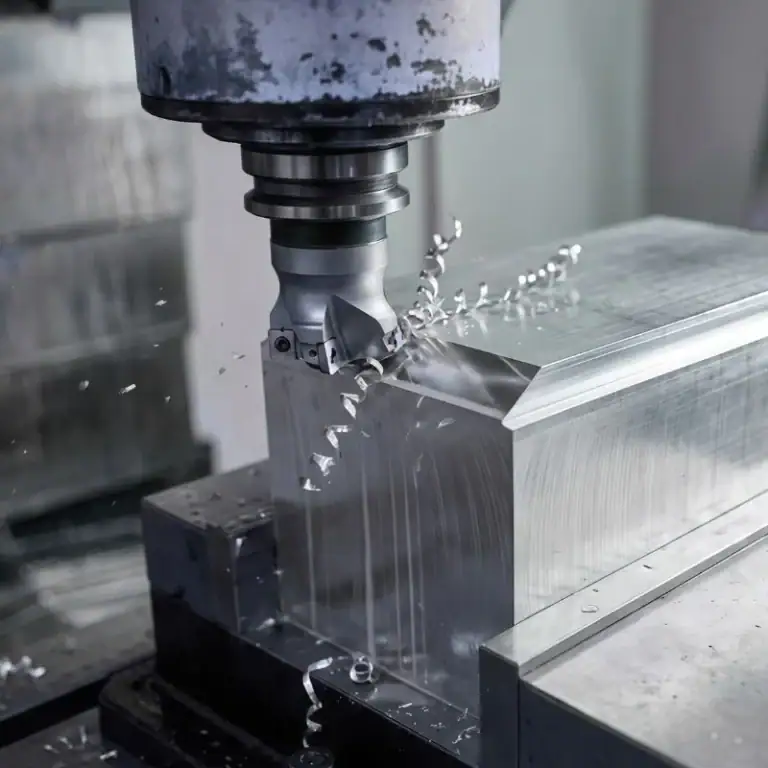
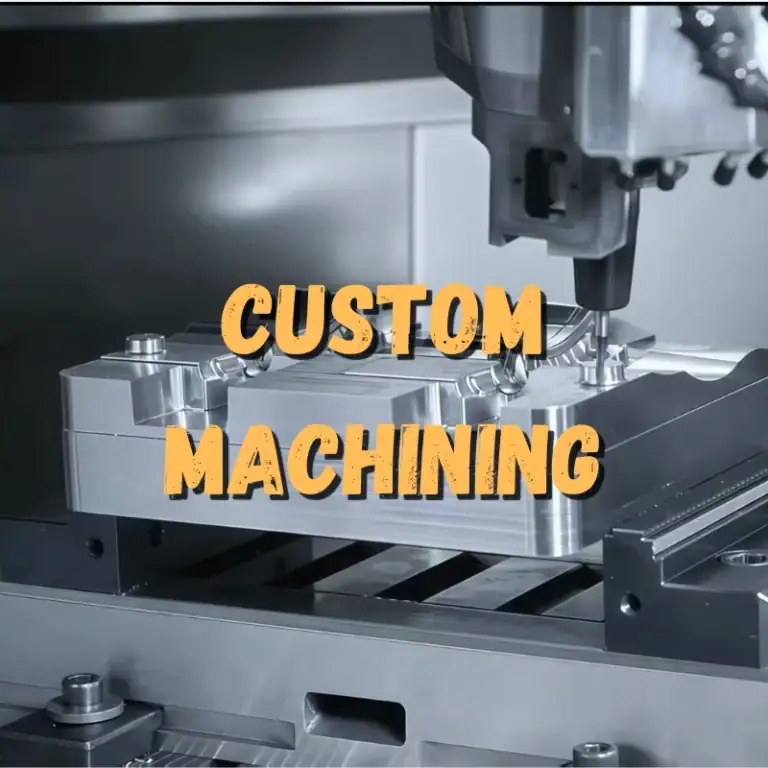
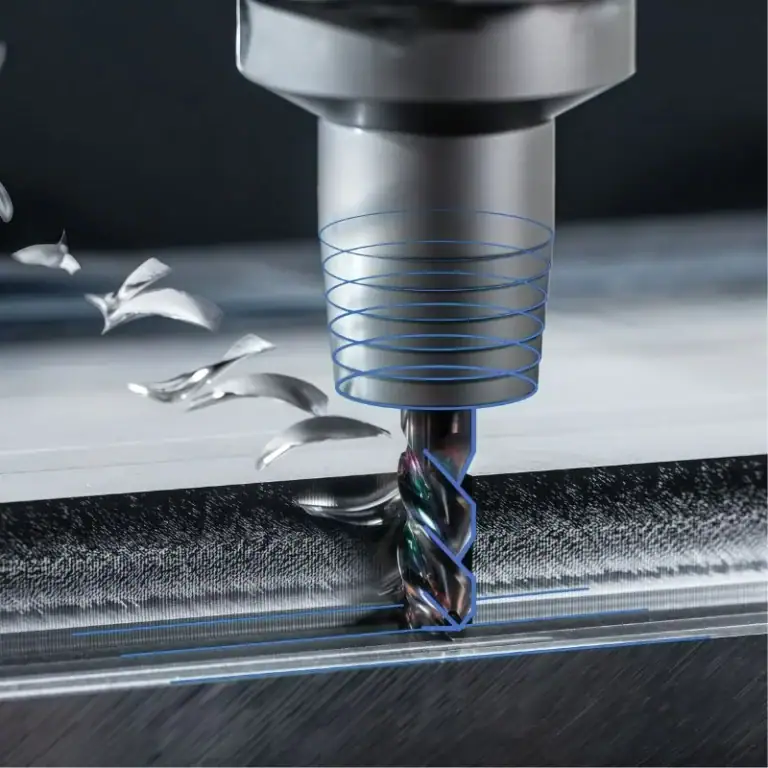
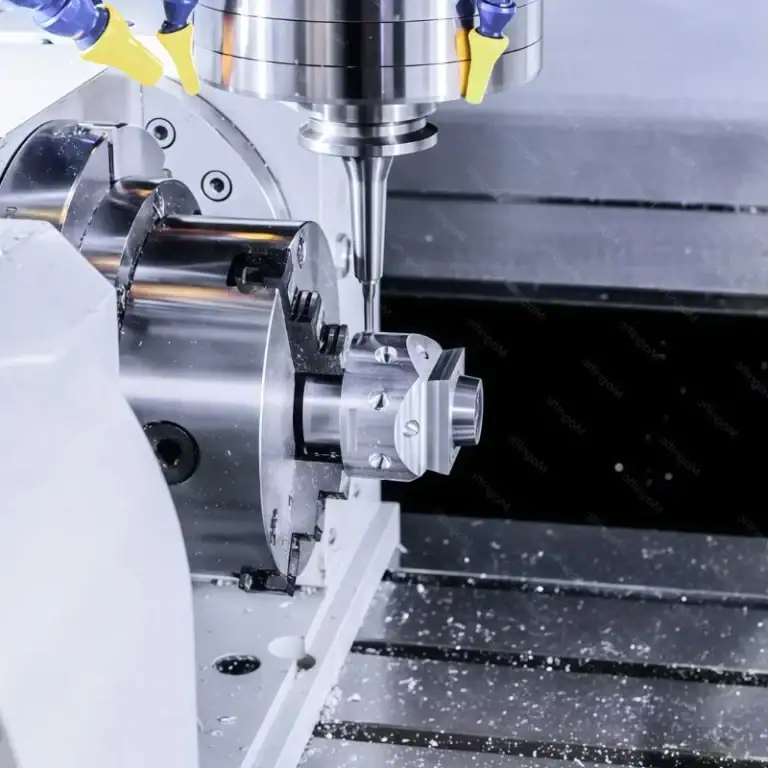
During plastic CNC machining, chip morphology is one of the most direct signals reflecting the cutting condition. By observing the shape, size, color, and uniformity of chips, operators can quickly determine whether machining parameters are reasonable, whether the tool is functioning properly, and whether the material is within the ideal cutting range without interrupting the machining process. In actual production, experienced operators can often detect abnormalities through chip changes before inspection equipment confirms a problem, thereby preventing batch surface quality issues and excessive tool wear.
Different Chip Morphologies Correspond to Different Cutting Conditions
In plastic CNC machining, common chip forms can mainly be divided into four types: powder-like chips, string-like chips, sheet-like chips, and granular chips. Each type corresponds to different cutting conditions and possible machining issues.
Powder-Like Chips
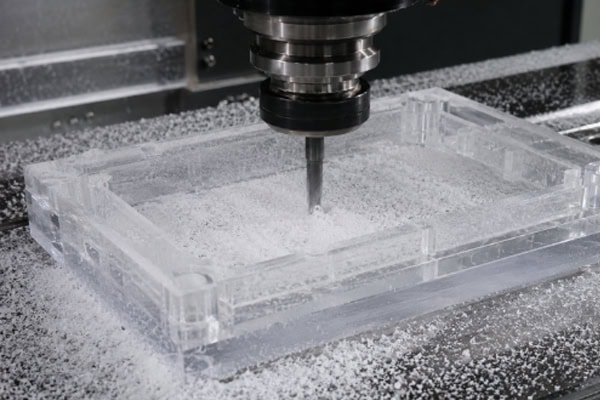
Powder-like chips usually appear when the feed rate is too low or the cutting depth is too small. Under these conditions, the tool edge cannot effectively penetrate the material, but instead creates friction and compression on the surface, causing the material to fall off in powder form. Although these chips appear very fine, the actual temperature in the cutting area is often relatively high. The reason is that friction generates much more heat than normal cutting, and plastic materials have poor thermal conductivity, making it difficult for heat to be carried away through the chips. A large amount of heat accumulates on the workpiece surface and in the contact area between the tool and material. This phenomenon is especially obvious when machining acrylic. When a large amount of powder-like chips is produced, the surface of the part may show a foggy whitening appearance, which is caused by microscopic changes in the material under high temperatures.
If powder-like chips continue to appear, the following factors should be checked:
- Whether the feed rate is too low, preventing the tool from effectively cutting into the material;
- Whether the cutting depth is insufficient to create normal cutting conditions;
- Whether the tool edge has become worn, causing the cutting action to turn into friction.
String-Like Chips
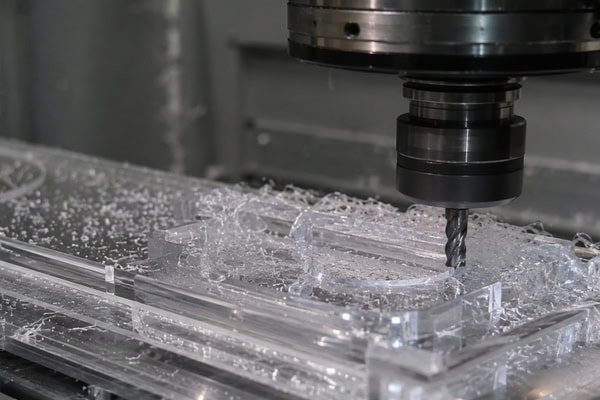
String-like chips are a common problem in plastic CNC machining. They appear as continuous thin strings or strips of chips wrapping around the tool and are difficult to break. This situation mainly occurs when machining materials with relatively low melting points, such as nylon (PA), ABS, and polyethylene (PE). When the temperature in the cutting area rises, the material locally softens or enters a semi-molten state. Instead of being cleanly cut, the material is stretched and deformed, forming continuous string-like chips. String-like chips can wrap around the tool, causing poor chip evacuation and further increasing the temperature in the cutting area, creating a vicious cycle. They can also leave scratches on the workpiece surface.
For string-like chip problems, adjustment methods include:
- Properly increasing the feed rate to increase the cutting amount per revolution, making chips thicker and easier to break;
- Checking whether the spindle speed is too high, causing the cutting temperature to exceed the material’s tolerance range;
- Using continuous compressed air to blow away chips from the cutting area;
- Confirming tool edge sharpness, as worn tools are more likely to cause squeezing rather than cutting.
During actual adjustment, comprehensive judgment should be made based on material type and current machining parameters. Simply reducing spindle speed is not always an effective solution. An excessively low speed may extend the contact time between the tool and material, and in some cases may actually increase heat accumulation.
Sheet-Like and Granular Chips
Sheet-like or evenly distributed granular chips are relatively ideal chip forms in plastic CNC machining. This indicates that the tool edge is cutting into the material normally, cutting forces are stable, and the generated heat is effectively removed through the chips instead of accumulating on the workpiece surface. Taking POM material as an example, when parameters are appropriate, chips appear as uniform small flakes with a dry texture, similar to wood shavings. This type of chip indicates good cutting conditions, and the machined surface is usually relatively smooth. Different materials require different parameter ranges to achieve ideal chip shapes. A single standard cannot be applied to all plastics. Trial cutting and observation are needed to find the optimal machining range for each material under the current machine and tooling conditions.
Differences in Chip Characteristics of Different Plastic Materials
Due to differences in physical properties such as hardness, melting point, and thermal conductivity, different plastic materials show significant differences in chip morphology during CNC machining. Understanding these differences helps operators adjust machining parameters more effectively instead of starting the troubleshooting process from the beginning every time a problem occurs.
PMMA
Acrylic is a brittle material. Under normal cutting conditions, chips appear as small granular particles with a hard and brittle texture, similar to fine sugar crystals. If the chips become sticky or resemble plasticine, it indicates that the cutting temperature has become too high and the material is approaching its softening point. Surface quality is usually affected under these conditions. Transparent acrylic parts are especially sensitive to this issue. Changes in chip morphology often occur before visible surface defects appear.
POM
POM is one of the plastics with better cutting performance in CNC machining. When parameters are properly set, chips appear as uniform sheets with a dry and smooth surface. The appearance of powder usually indicates that feed parameters are too conservative and the tool is not fully utilizing its cutting efficiency. Irregular large fragments may indicate that the single-pass cutting amount is too large and the tool load exceeds a reasonable range.
PC
PC chip morphology falls between acrylic and POM. Under normal cutting conditions, chips are usually sheet-like. Special attention should be paid to the condition of chip edges. If the edges appear shiny or show slight melting-like traces, this is an early signal that cutting temperature is too high. PC materials are highly sensitive to heat. Excessive temperature may create internal stress in the parts, affecting dimensional stability during later use.
PA
Under dry conditions, nylon chips are usually curled and sheet-like. However, if the material moisture content is too high or the cutting temperature increases, chips can easily transform into string-like forms. Nylon has strong moisture absorption characteristics. Fully drying the material before machining can effectively reduce the probability of string-like chips.
PEEK
PEEK is a high-temperature engineering plastic with relatively high cutting resistance. Under normal conditions, chips are hard granular particles with a slightly darker color than the original material. If chip color becomes significantly darker or turns brown, it indicates that the cutting temperature has exceeded the reasonable range. Although PEEK has a melting point above 340°C, continuous high temperatures can generate internal stress in the workpiece. Dimensional changes may occur after machining, so temperature control remains important.
Combining Cutting Sounds for Comprehensive Judgment
Chip morphology provides visual information. Combined with changes in cutting sounds, it can provide a more complete evaluation of machining conditions. During normal cutting, the sound generated between the tool and material should be continuous and stable, without obvious fluctuations or interruptions. At this time, chips usually appear as uniform sheet-like or granular forms, and the two signals confirm each other. When the sound becomes dull and heavy, accompanied by irregular intermittent friction sounds, chips are often powder-like, indicating that the tool is rubbing rather than cutting.
The most concerning situation is sharp and irregular noise. This usually means chips have wrapped around the tool or adhered to the cutting edge, and cutting conditions have deteriorated. Continuing machining may cause surface damage. In precision plastic component machining, predicting cutting abnormalities through sound changes allows operators to stop and adjust before surface quality is affected. This judgment method requires no additional equipment. It relies on operators’ familiarity with normal machine operation and accumulated experience. Many experienced operators have already developed the ability to use sound changes as an instinctive response for judging cutting conditions. Combined with chip observation, this greatly improves the speed of problem detection.
Common Questions
Can problems in previous machining be traced through chips after CNC machining plastic parts?
Yes. Even after machining is completed, collected chip morphology can still provide valuable diagnostic information. For example, abnormal-colored particles mixed in chips may indicate impurities in the material or uneven distribution of fillers. Large inconsistencies in chip size may indicate changes in machining parameters or tool conditions during processing. These clues can help operators make adjustments before the next production batch and prevent the same problems from happening again. However, for the quality of already completed parts, actual measurement results and appearance inspection should remain the final basis.
Conclusion
Chip morphology in plastic CNC machining is a practical basis for judging cutting conditions. No additional inspection equipment is required; operators only need to consciously observe and accumulate experience during machining. Different materials, parameters, and tool conditions produce different chip characteristics. Understanding these relationships allows timely intervention before problems become serious. By combining chip observation with changes in cutting sounds, judgment accuracy can be further improved, helping maintain stable machining quality and production efficiency.