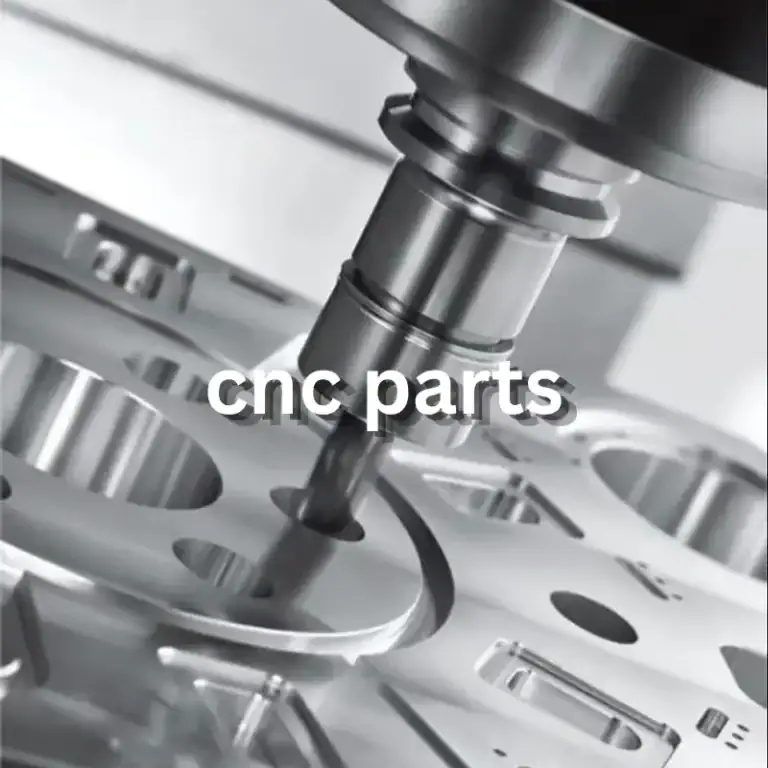
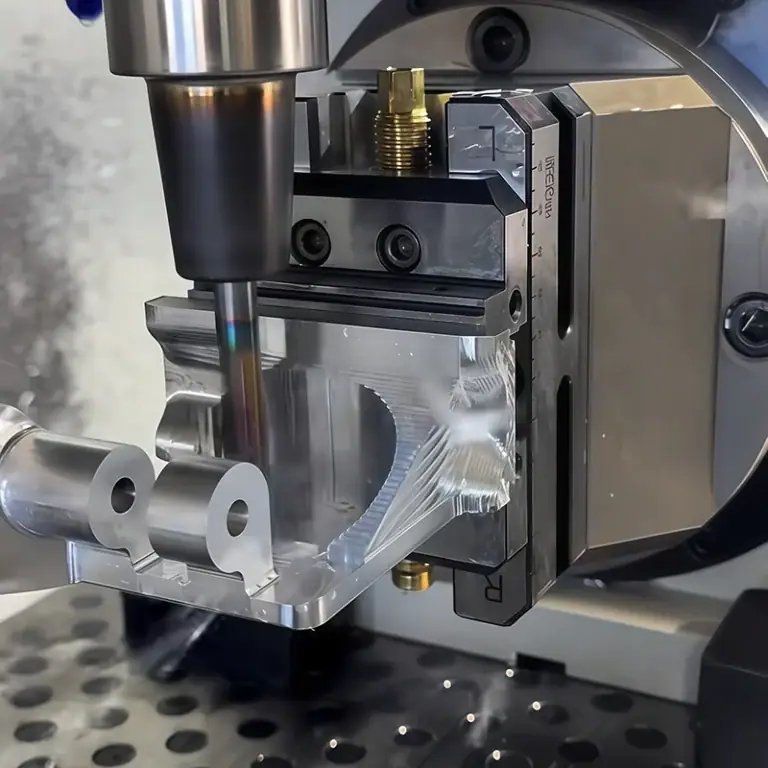
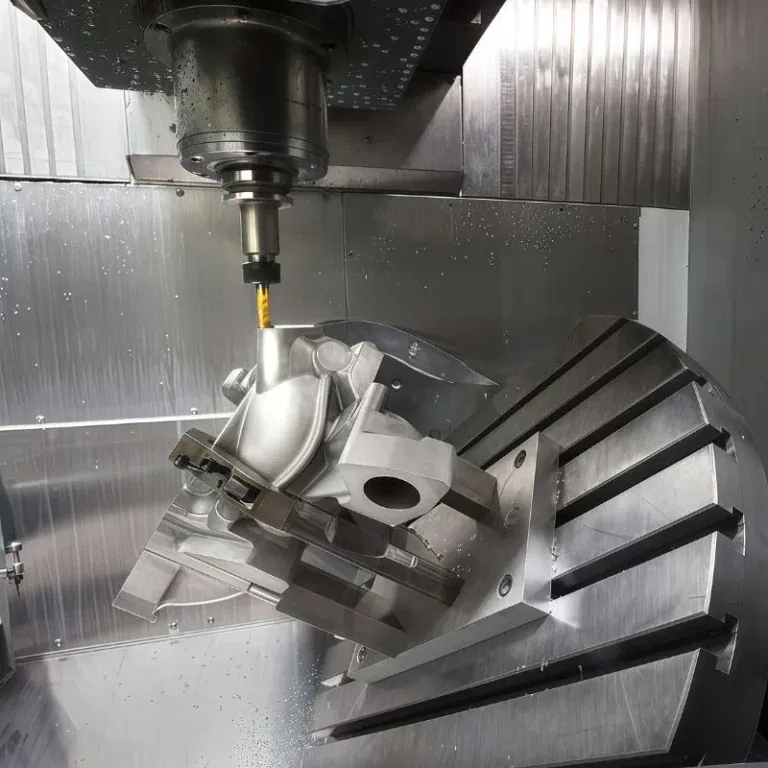
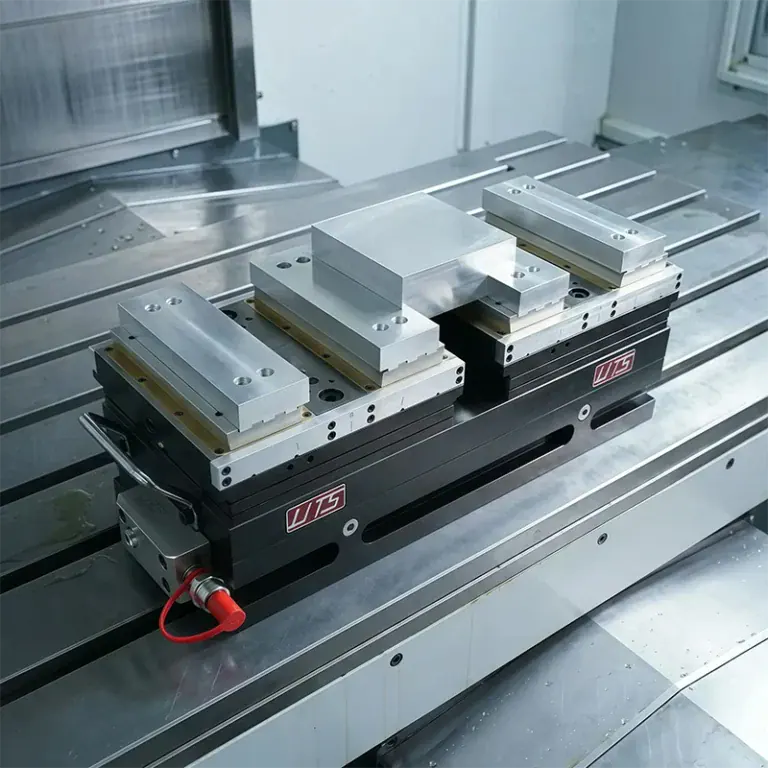
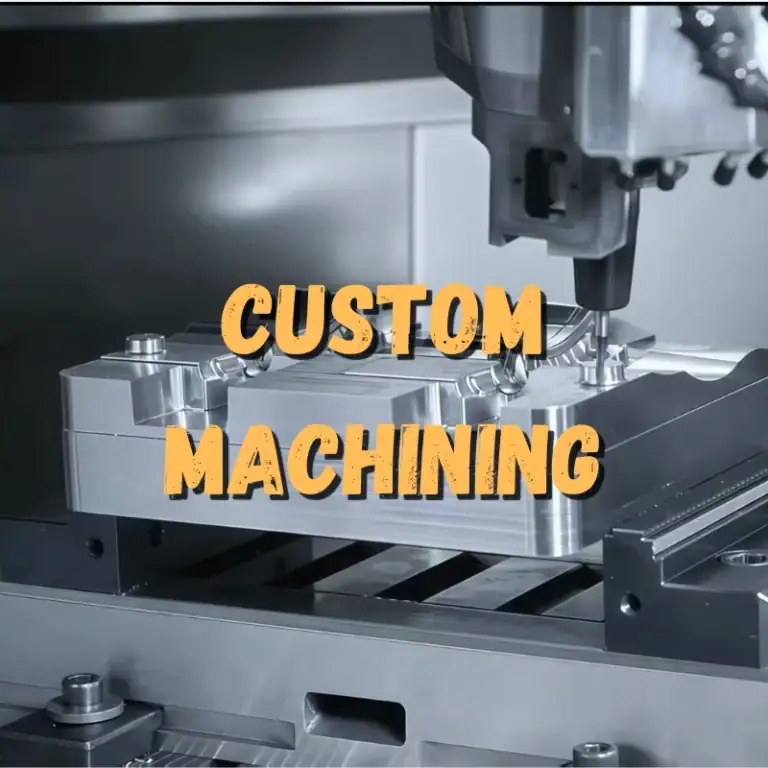
In modern machining systems, balancing production efficiency and machining precision remains a key concern for manufacturing enterprises. Traditional turning relies heavily on manual experience, and in batch production or complex part machining, it is easily affected by human factors, leading to unstable efficiency and inconsistent quality. Automated turning technology integrates CNC systems with mechanical execution structures to standardize and program the entire machining process, bringing machining rhythm, precision control, and equipment operation into a controllable range. This approach enables continuous and stable processing, reduces manual intervention, and significantly improves output per unit time, driving manufacturing toward higher efficiency.
Core Principles of Automated Turning Technology
Automated turning technology is based on the precise control of mechanical structures through CNC systems. It coordinates the spindle, cutting tools, and feed systems via programmed instructions, enabling high repeatability and stability in machining operations. The system converts machining steps into executable code, allowing equipment to operate under fixed logic, reducing human error and improving consistency and rhythm stability. During machining, parameters are dynamically adjusted based on material properties and cutting conditions to maintain optimal processing states.
Precision Control Mechanism of CNC Systems
The core of automated turning lies in the unified control of the entire machining process through the CNC system. Program instructions break complex machining tasks into standardized actions, ensuring stable tool paths and consistent execution.
- Spindle speed is precisely set and maintained according to program parameters
- Tool paths are automatically generated based on coordinate systems
- Feed rates are controlled according to machining cycle requirements
- Multi-process operations are automatically connected to reduce manual switching
This control mechanism ensures stable and consistent machining execution, providing a solid foundation for high-efficiency manufacturing.
Adaptive Parameter Control and Machining Stability
During processing, the system automatically adjusts cutting parameters based on material variations and load conditions, keeping machining within a stable range and reducing deviations.
- Cutting depth is adjusted according to material hardness
- Feed rate is dynamically corrected in real time
- Load changes are monitored and compensated automatically
- Machining temperature is kept within a stable range
Adaptive control ensures continuous and stable machining, effectively reducing efficiency loss caused by quality fluctuations.
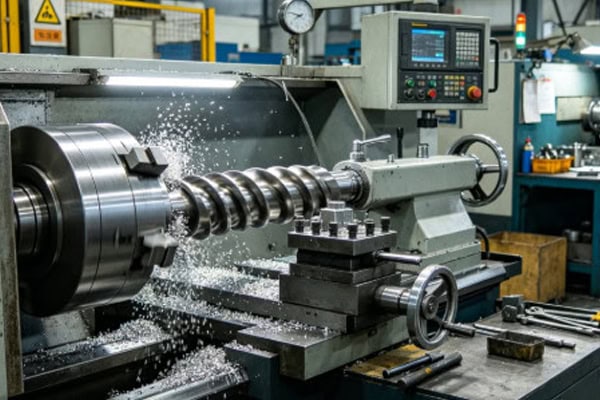
Key Mechanisms for Improving Machining Efficiency
Efficiency improvement in automated turning mainly comes from cycle optimization and enhanced equipment utilization. By reducing idle time and improving continuous machining capability, output per unit time is significantly increased. Path optimization and precision stability further reduce rework, making the overall process more efficient and smooth.
Continuous Machining and Cycle Optimization
The equipment can operate continuously for long periods with minimal manual intervention, resulting in a more compact production rhythm.
- Supports long-duration unmanned operation
- Automated loading/unloading reduces waiting time
- Optimized machining cycles increase output per unit time
- Reduces machine idle and waiting time
Continuous operation significantly improves equipment utilization and is a key factor in increasing production capacity.
Precision Stability Reducing Rework
Stable machining accuracy improves part consistency, reducing the need for rework and finishing processes, saving both time and cost.
- Higher dimensional consistency in batch production
- Closed-loop control automatically corrects deviations
- Lower rework and repair rates
- Higher first-pass yield
Reduced rework leads to smoother production flow and indirectly improves overall machining efficiency.
Collaborative Optimization of Equipment and Cutting Tools
In automated turning systems, coordination between tool management and machine operation directly affects machining continuity and efficiency. Tool monitoring and automatic tool change systems reduce downtime and extend tool life, while multi-system coordination further improves stability.
Tool Condition Monitoring and Life Management
The system continuously monitors tool wear conditions and triggers warnings or automatic replacement before reaching critical limits, preventing production interruptions.
- Real-time tool wear data collection
- Automatic tool life recognition
- Early warning of tool failure risk
- Automatic tool replacement reduces downtime
Automated tool management ensures machining continuity and reduces unplanned stoppages.
Multi-System Coordination for Efficiency Improvement
Multiple subsystems work together to enhance machining stability and efficiency while reducing manual intervention.
- Multi-tool turret automatic switching
- Dynamic optimization of cutting parameters
- Cooling system coordination for temperature control
- Load balancing to reduce machine wear
System coordination improves process smoothness and overall operational efficiency.
Role of Digital Control and Intelligent Systems
Digital control systems optimize machining through real-time data collection and intelligent algorithms, enabling continuous adjustment of operating conditions to maintain optimal performance.
Data Collection and Real-Time Feedback
Sensors continuously collect machining data and feed it back to the control system for real-time adjustment.
- Temperature variation monitoring
- Vibration and load tracking
- Real-time system feedback
- Automatic parameter correction
Data-driven control improves precision and reduces fluctuations in machining processes.
Intelligent Algorithm-Based Path Optimization
Algorithms optimize tool paths and machining parameters to improve efficiency and reduce equipment failure risks.
- Tool path optimization reduces idle travel
- Adaptive feed control improves efficiency
- Vibration suppression enhances quality
- Predictive maintenance reduces downtime
Algorithm optimization improves operational efficiency and overall system stability.
Application Scenarios and Efficiency Improvement Results
Automated turning technology is widely used in multiple manufacturing fields, demonstrating stable efficiency advantages in batch production and high-precision machining scenarios. Its continuous machining capability and high stability improve production predictability while reducing losses caused by quality fluctuations. Improved equipment utilization increases output per unit time, optimizing overall production cost structure and significantly enhancing manufacturing efficiency.