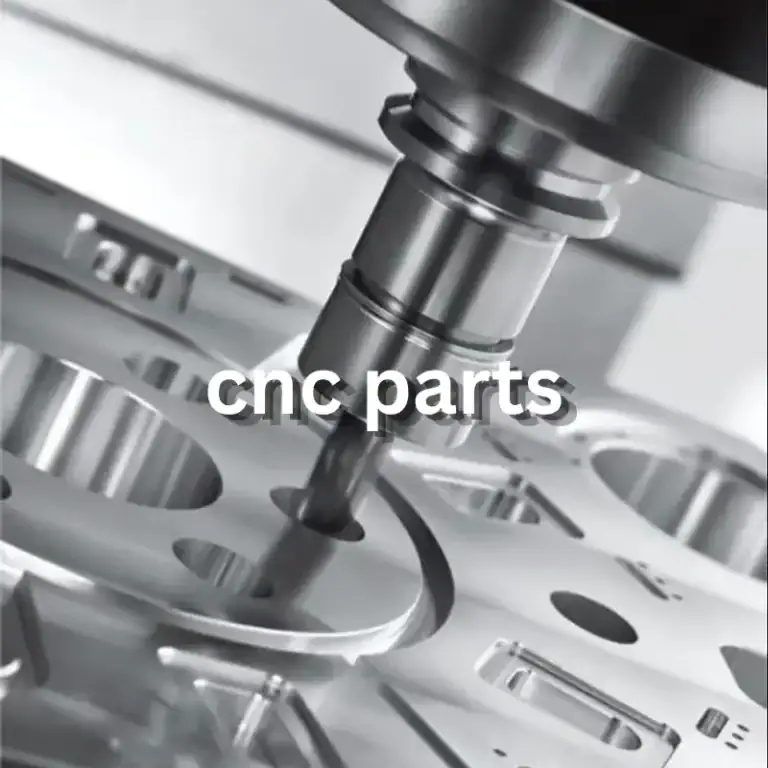
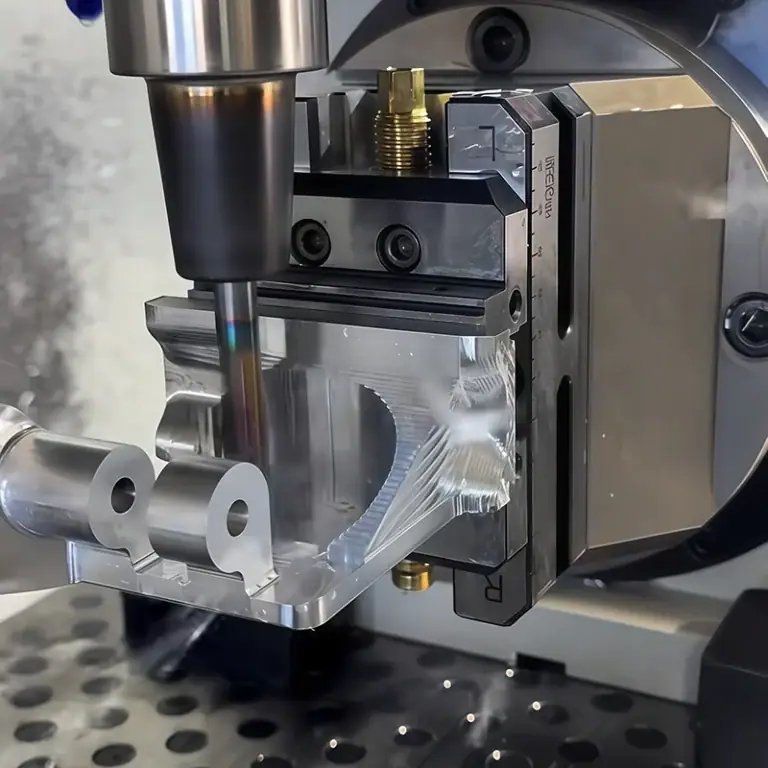
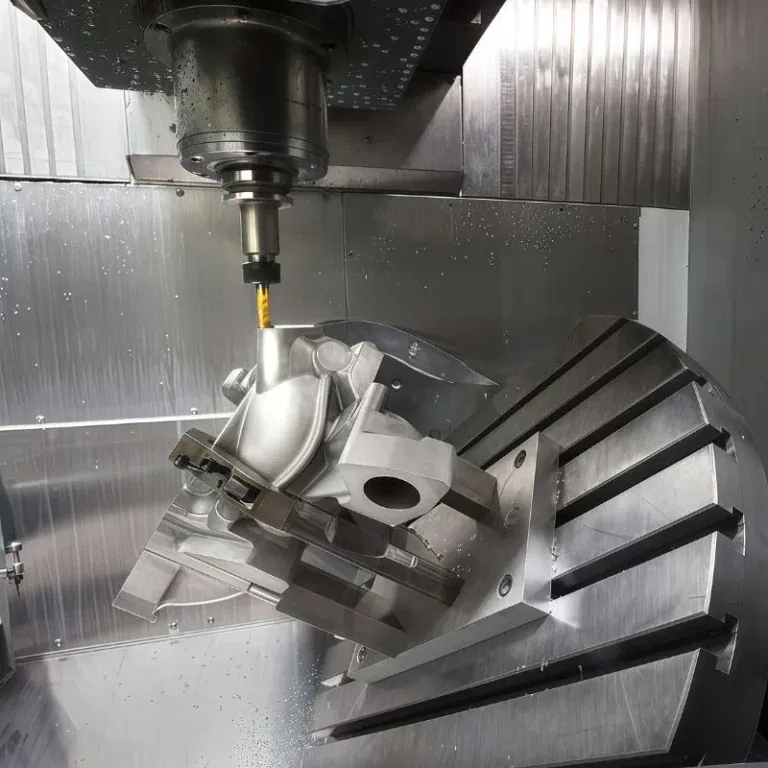
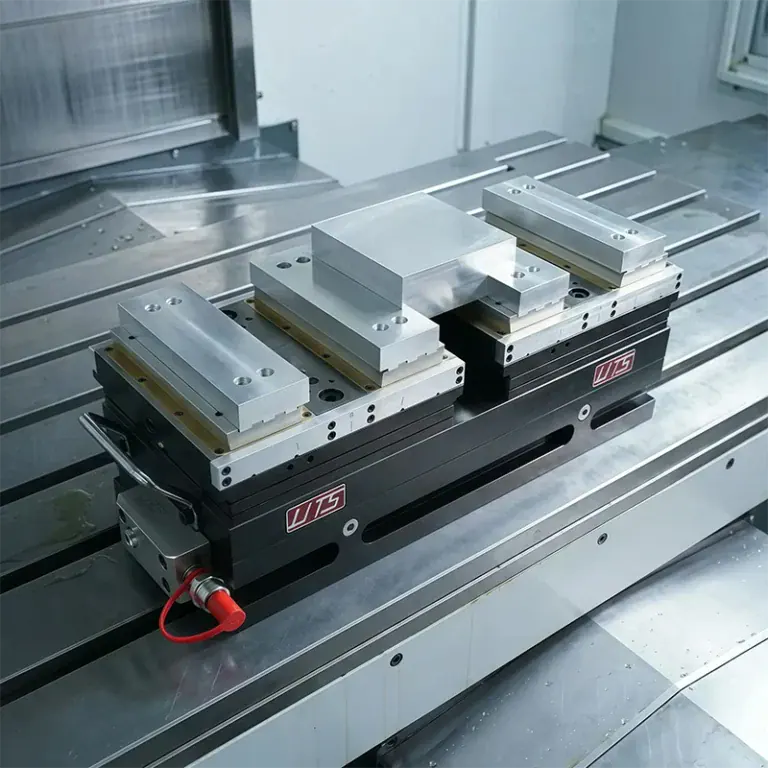
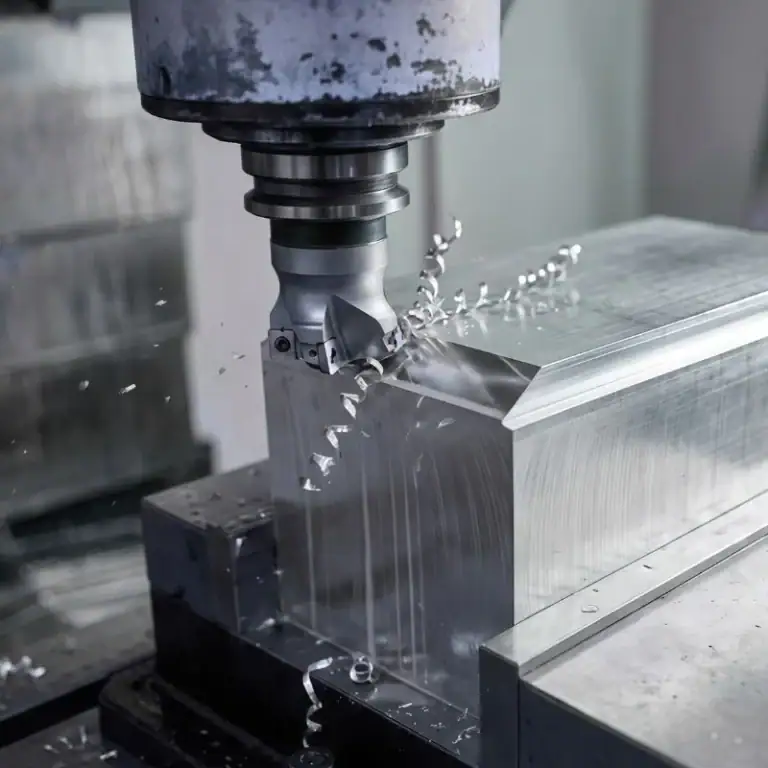
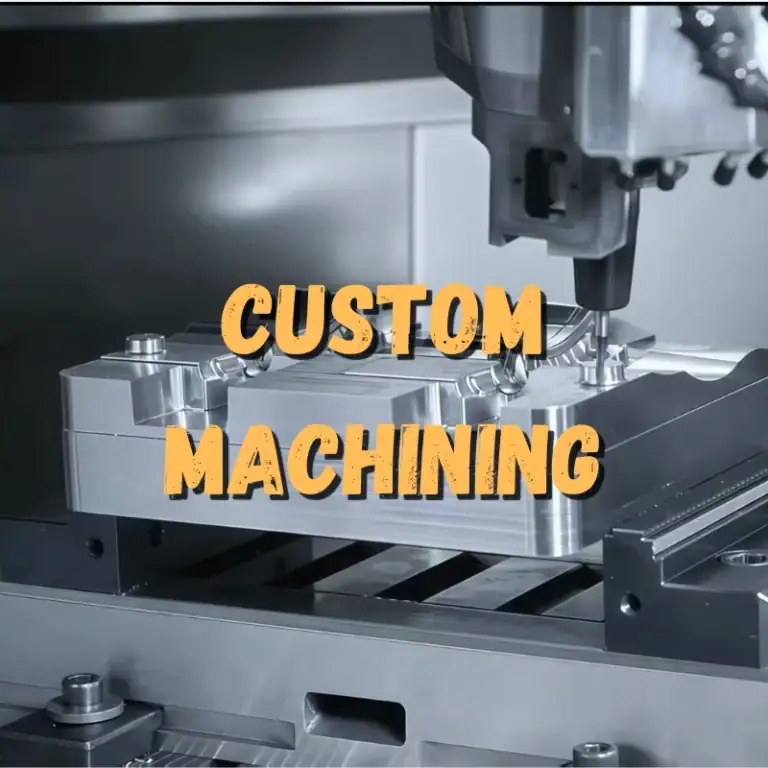
Form milling is a versatile machining process that allows complex surfaces, contours, and profiles to be cut in a single pass. Its precision and efficiency make it widely used in industries such as aerospace, automotive, mold and die manufacturing, and medical devices.
In this article, we will explore the essential aspects of form milling, including process principles, types of cutting tools, material selection, advantages, limitations, and practical applications. By understanding these elements, you can make better decisions on when and how to use form milling for high-quality parts.
What Is Form Milling?
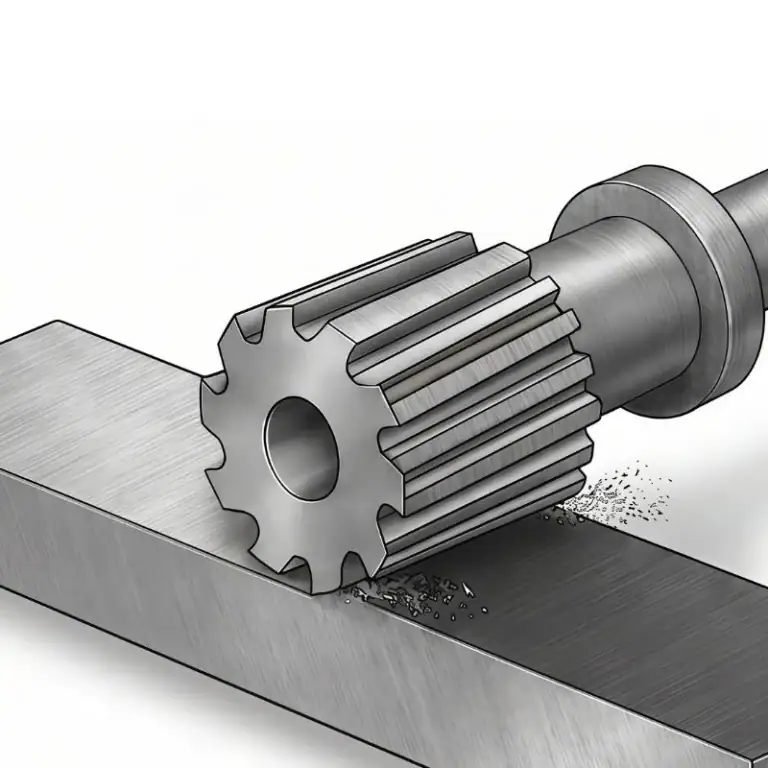
Form milling is a specialized milling method that uses a forming cutter to create specific profiles, contours, or complex surfaces in a single pass. The shape of the tool’s cutting edge directly determines the resulting surface, making it ideal for machining concave and convex shapes, tooth profiles, notches, fillets, and chamfers.
Compared to conventional plane or face milling, form milling can complete complex geometries in a single operation, reducing multiple setups and tool changes. This not only improves production efficiency but also enhances dimensional consistency, making it essential in precision manufacturing.
Key benefits include precise shape control, higher efficiency due to fewer cutting steps, and the ability to produce intricate features or realistic curved surfaces in one pass. This makes form milling a preferred choice for aerospace, automotive, mold and die, and medical device industries.
How does form milling work?
The core principle of form milling is to use a tool geometry that precisely matches the final contour of the workpiece to create the desired curved surface, contour, or cavity in metal or other materials through the rotation of a milling cutter. During the machining process, the tool shape directly determines the geometric accuracy and surface profile of the finished product, eliminating the need for complex multi-axis path compensation, allowing complex structures to be formed in a single operation.
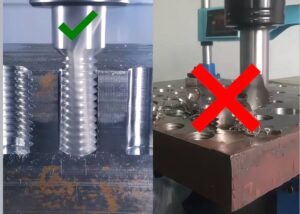
Integrated with a CNC control system, the tool path, feed rate, and cutting depth of form milling can be precisely controlled, ensuring a stable and highly repeatable machining process. Compared to end milling and contour milling, form milling offers greater efficiency and precision when machining specialized surfaces such as arcs, grooves, tooth shapes, and fillets, making it particularly suitable for mass production and high-consistency production.
Marking Process Steps
Selection Of Swords
Factors such as foundation work shape, material hardness, surface quality requirements, etc. are used to select molded iron molds, such as concave swords, convex swords, square swords, circular swords, etc.
Cutting tool materials commonly used include high speed steel (HSS), hard quality alloy (carbide), gold-plated steel, etc., ensuring cutting strength and durability.
Construction Equipment
Use high-precision tools or jigs for fixing work, avoid movement of the worker’s position or vibration during the cutting process.
Thin walls, long shapes, etc., easily changeable, multi-point support, vacuum suction, etc., with enhanced properties.
CNC Editing (G Daiwa)
The 3D model for the construction work, the shape of the tool, the number of copies, and the processing sequence.
Setting main machine speed, running speed, cutting depth, etc., and ensuring machining accuracy according to the cutting tool command.
cutting Process
Suitable for tool setting, fixed path diameter cutting work, primary forming or step cutting.
Use coolant or body cooling to reduce cutting heat and prevent tool polishing and construction changes.
Precision Processing Yogi
After finishing cutting, the work progresses to remove the hair, remove the light, etc., and process the surface.
Uses three measuring machines (CMMs), such as cross-sections, measuring dimensions, shape accuracy, and ensuring compliance with paper requirements.
The difference between form milling and other milling methods
| Silvering method | Special point | Applicable costume |
| Form Milling | Sword shape, standard pattern, surface matching, primary molding process | Wheel shape, arc surface, curved surface zero |
| End Milling | Cutting the end face of the tool, cutting the mating surface of the mating tank | Plane, direct tank, slope |
| Profile Milling | 2 lines / 3 lines running sword, suitability strength | Curved line, circular line processing |
| Angular Milling | Cutting angle surface or slope | slanting tank, slanting surface |
| Slot Milling | Various processing tank types | T-type tank, straight tank, round tank |
| Face Milling | High efficiency machining plane | Large plane surface machining |
What types of tools are used for form milling?
In form milling, the tool is a key factor in determining part accuracy, machining efficiency, and surface quality. Form milling tools can be divided into seven major categories, each with unique cutting characteristics and applications. Choosing the right tool not only allows you to form complex contours in one go, reducing subsequent machining steps, but also significantly reduces production costs and increases overall productivity.
Today’s manufacturing industries include aeronautics, automobiles, medical equipment, energy equipment, precision molding, etc., as well as molding and cutting tools, which can be used to process curved surfaces, uneven structures, and special molded parts. Below our general information, commonly seen seven types of molded silver cutting tools, analysis of the product’s structural characteristics, application scene, and special limitations :
1. Concave Iron Sword
Concave iron-like sword blade shape with inner concave arc surface, commonly used processing zero outer convex curved surface, similar circular shape, spherical convex pattern, convex circular shape, etc.
Special Points :
Primary running sword ready-to-form convex curved surface with optical smoothness
Guaranteed accuracy sum consistency
For regular inspection of items with high requirements for matching beauty and surface quality
Mechanical parts, mold external mold processing, precision equipment external parts.
2. Convex Iron Sword
Convex curved surface on the outer side of the sword blade, concave curved surface on the inner surface as required for processing, mold-shaped cavity, arced surface on the inner wall of the connecting pipe, etc.
Special Points :
Reduced number of swords
Functional machining: deep and smooth concave passages
For regular use : model- shaped cavity, liquid head cavity, machine parts concave cavity.
3. Inclined Square Iron Sword
When used, the processing angle (R angle) or inclination angle (C angle) can be used to reduce force concentration, increase safety, and reduce lifespan.
Special Points :
At the same time, the strength of the structure and the external quality
Frequently used for transportation
Aviation equipment delivery, medical equipment maintenance, electricity consumption.
4. Double-Horned & Double-Horned Lron Sword
South side bevel processing for double angle iron swords, primary forming and double side slopes for double angle iron swords.
Special Points :
High double-sided sword processing efficiency, low running sword order
Precise processing of V-shaped tank, commonly known as slope,
For common use : molding surface, machinery components, engineering tools.
5. Spiral Iron Sword
Used for high-precision internal and external screw machining, especially for large diameter screw machining or hard machining materials.
Special Points :
Processable spiral of arbitrary diameter
High quality screw thread, regular use of screws for escape and breakage
Aviation equipment, large machinery screw openings, power container openings.
6. T-Shaped Tank & Running Iron Sword
T-shaped tank First-forming T-shaped cut-faced tank, suitable for production with standard model.
Special Points :
T-type tank machining determination, reduced multi-dimensional positioning difference
For production:
Desk floor workbench , tool bottom plate, user’s wheel.
7. Preformed Molding Tool
Netode specific zero items, how many structured tools, available primary equipment, completed various cutting tasks.
Special Points :
Significantly reduces tool changes and machine downtime.
Highly targeted and fast production cycles.
Common applications: High-volume production and specialized equipment parts processing.
Key Factors For Selecting Swords
During actual production, the following factors are considered when selecting molding and cutting tools:
What shape is the shape of the zero item ? Determined sword ring shape
Construction materials ——Influences, sword materials, and selection of construction materials
Processing quantity ——impact and tool durability requirements
Accuracy given surface quality —determined knife edge design given number of machine shapes
Desk ability : Assurance of swords and tools
| Sword type | Machining shape special expedition | Habitual behavior | Excellence | Localized |
| Concave iron sword | External convex curved surface | Aerospace, models, machine manufacturing | High surface quality, good flow consistency | Mismatched deep cisterna stenosis |
| Convex iron sword | Inner concave curved surface | Model-shaped cavity, energy equipment, zero train parts | Deep concave surface machining setting | High requirements for cutting tool sharpness |
| Inclined square iron sword | R corner / C corner passing | Aviation, medical, consumer electronics | Concentration of power in the fall, sightseeing | Unlawful processing curve |
| Southern horn iron sword | southern slope | Molds, tools, machinery components | High accuracy, good activity | Low efficiency double-horned sword |
| Double-horned iron sword | Named V-type tank | Molds, fittings, and components | Primary forming double slope, high efficiency | Fixed shape, different applicability |
| Spiral iron sword | Inner and outer spiral | Aviation, machinery, power vessels | High quality screw thread, woven process | Increase the amount |
| T type tank iron knife | T-shaped cut tank | Manufacture of desk floors, utensils, and equipment | High localization accuracy | Limited T tank processing |
| Racing iron sword | Togata | Car, mechanical operation | Large amount of driving performance | Demand machine combination |
| Regular cutlery | special wheelhouse | Equipment for use, zero quantity | High efficiency, strong strength | Narimoto High School, design cycle length |
What Are the Common Materials Used for Form Milling Tools?
Choosing the right tool material is critical for accuracy, tool life, and efficiency. Different materials offer specific advantages in hardness, wear resistance, heat tolerance, and toughness, and should be selected based on the workpiece, cutting speed, batch size, and surface finish.
High-Speed Steel (HSS)
High-speed steel (HSS) offers good toughness, strong anti-collision performance, high cutting efficiency, and easy reshaping or grinding. It is suitable for machining low to medium hardness metals, such as steel and iron alloys, or for small-batch production. Its main limitation is relatively low heat and wear resistance, making it less ideal for high-speed or high-volume applications.
Cemented Carbide
Cemented carbide tools provide very high hardness, excellent wear and heat resistance, and can handle cutting temperatures up to 800–1000 °C. They are suitable for machining non-ferrous steel, alloy steel, and heat-resistant alloys. Advantages include long tool life and high processing efficiency, but they are sensitive to impact and brittle under heavy shock loads.
Ceramic
Ceramic tools feature extreme hardness and can withstand temperatures over 1200 °C. They are ideal for precision and semi-precision machining of hard steels and heat-resistant alloys. While they offer outstanding wear resistance and thermal stability, ceramics are brittle and prone to chipping, especially under interrupted or heavy cuts.
Powder Metallurgy Alloy
Powder metallurgy alloys combine the toughness of HSS with improved hardness and wear resistance. They provide a uniform fine structure and high cutting strength, suitable for low-hardness metals requiring long tool life. Limitations include moderate heat resistance and limited performance under high-speed cutting conditions.
Diamond Tools
Diamond tools have the highest natural hardness (HV 8000–10000), low friction, and excellent surface finish. They are used for non-metallic materials, composites, plastics, copper, and aluminum. Advantages include extremely long life and precise machining, but they are very expensive and unsuitable for ferrous metals.
Coated Tools (TiN, TiAlN, etc.)
Coated tools offer abrasion and heat resistance with a low-friction surface film on the base tool. They are ideal for high-speed mass processing of various metals, especially hard or sticky materials. Coatings extend tool life and improve surface quality, though they may wear off over time and increase cost.
How to Choose the Right Form Milling Tool?
In form milling, tool selection not only determines machining efficiency but also directly impacts part precision, surface quality, and overall production costs. Faced with diverse materials, varying profiles, and diverse production demands, selecting the right tool is crucial for ensuring machining stability and cost-effectiveness. A comprehensive consideration of material properties, tool structure, coating technology, and machining parameters is crucial to achieving the optimal balance between quality and cost.
First Step: Material Compatibility
The performance of the workpiece material is the key factor in selecting the tool. When processing iron, iron, etc., high-speed steel or metal cutting tools are recommended, and the cutting blade has excellent surface optical quality, Alloy knives, with abrasion resistance and heat resistance, materials such as high hardness steel, firework steel, and ash mouth iron, porcelain knives and curved hard alloy knives that can be fired, retain cutting performance even at high temperatures. Depending on the material and the quality of the tool, the long tool life will be reduced and the tool renewal rate will be reduced.
Second Step: Designing The Shape Of The Sword
The process of molding, cutting, and refining the curved surface requires a high level of assembly in terms of the shape and shape of the tool. When machining a large curvature surface, concave or convex shaped iron can provide high machining efficiency, the demand for light smoothing angle is zero, the use of inverted angle round edge is possible, thin-walled or easy to change shape work selection, low cutting force design, less vibration and change shape winding. Special mold surface, fixed molding tool ability, primary molding, height and weight processing, consistency and accuracy.
Third Stage: Durability And Durability
The protection and performance enhancement effect of the key when molding and cutting the tool under the knife. TiN is suitable for the majority of machining situations, capable of low friction and effective, TiAlN is suitable for high-speed, high-temperature cutting, and can be extended for a long period of time when machining hard materials, DLC It is easy to process iron, iron, etc. when the material is sticky and can be used to reduce the formation of small lumps. Correctly selected, the mechanical strength of the cutting layer is indeterminate, the cutting quality is reduced, the number of blades is reduced, the number of blades is reduced, and the production time is reduced.
4th Stage: Processing Number Yoseimoto
Machining speed, flow rate, cutting depth, etc. directly affect tool selection. Hard quality alloys suitable for high speed machining, ceramic or metal cutting tools, and high speed steel or steel and hard quality alloys suitable for low speed heavy cutting. High precision or zero tolerance during production, high hardness for preferential selection, finely polished tools with consistent size, and high volume production, long demand life, easy polishability and excellent balance between the originals. Combining the material, shape, layer and processing number, ensuring the talent and processing quality at the same time to achieve the best results.
How to Perform Quality Control in Form Milling?
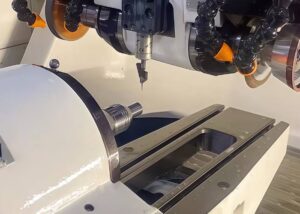
Quality control in form milling relies on precise measurement, strict tolerance management, and surface quality inspection to ensure that every workpiece meets design requirements and industry standards. High-precision measuring equipment, stable machining parameters, and comprehensive inspection processes enable comprehensive control from micron-level dimensions to surface roughness.
1. How To Play
During molding and machining, it is the first step to ensure quality.
CMM three-pronged measuring machine : It is possible to perform high-precision measuring work in three different spaces, and can also be used for additional curved surfaces and different shapes.
Optical measurement system : use non-contact type intense light drawing or image measurement, actual rapid measurement, avoid contact type head construction construction surface damage.
Current play : During the processing process, the actual time play, and the time deviation adjustment can be made.
2. Tolerance Management
Forming and machining process and ±0.005mm extremely precise tolerance control.
Early stage of engineering : Precise CNC processing, cutting tool adjustment, and precision cutting path diameter.
Processing process : The use of constant temperature processing environment reduces the effect of heating and cooling.
Post-engineering period : Utilize precision tools with heavy localization capabilities, ensuring consistency throughout production.
3.Surface Roughness And Light Quality Requirements
The required dimensions are met without molding and machining, and the surface quality is in full demand.
Ra 1.6 μm or less : Suitable for multiple processes, reliable installation performance.
Ra 0.8 μm or even lower : Commonly used in areas requiring high light quality, such as model cavities and medical cases.
Techniques : high speed precision machining for the clasp, improved cutting fluid for the knife, and surface polishing for the small knife.
4. Quality Control Consolidation Strategy
high-quality molding and machining equipment + engineering improvement + operation training .
Production Advancement Inquiry (FAI)
The total amount of industrial extraction and the total combination
100% measuring amount
Strengthening operator’s quality awareness training
Advantages and Disadvantages of Form Milling
Form milling is a core precision process that produces complex shapes efficiently. It ensures high accuracy, consistency, and can handle a variety of materials. Understanding its benefits and limitations helps optimize machining strategy and tool selection.
Advantages
- Single-Pass Complex Shapes: Form milling can produce intricate contours, curved surfaces, tooth profiles, and fillets in a single pass, reducing setup time and improving efficiency.
- High Precision and Consistency: Maintains tight tolerances and surface quality across multiple parts, ensuring uniformity in batch production.
- Wide Material Compatibility: Suitable for metals, alloys, non-ferrous steel, iron alloys, and select plastics.
- High Production Efficiency: Once tools and programs are set, cutting is fast, tool utilization is high, and cycle times are predictable.
Disadvantages
- Initial Setup Time: Tool preparation, programming, and alignment can be time-consuming, potentially delaying new product introduction.
- Tool Wear and Maintenance: Complex shapes and hard materials accelerate wear; tools may require periodic sharpening or replacement.
- Limitations on Large Workpieces: Very large parts may exceed machine travel limits or cutter coverage.
- Secondary Finishing Needs: For high-precision surfaces or tight tolerances, additional grinding, polishing, or finishing may be required after milling.
By weighing these advantages and disadvantages, engineers can better determine when and how to use form milling to maximize productivity and quality.
Common Applications of Form Milling
Common applications for form milling include gear manufacturing, aerospace and automotive parts processing, mold making, medical device parts, custom prototype machining, and decorative and functional contouring. These fields all require high precision, complex contouring, and stable mass production. Different applications have different requirements for tool design, machining parameters, and material compatibility. Choosing the right process can significantly improve production efficiency and product quality.
| Area for use | Special processing expedition | Typical material | Engineering excellence |
| Racing production | Precision machining machine turning factory, guaranteeing accuracy and movement efficiency | Alloy steel, red bean steel, unsteel steel | Primary molding high precision shape, reduced polishing process |
| Aviation Aerospace Vehicle Zero Parts | Compound curved surface Japanese loop structure, loop quantification design | Brass alloy, steel alloy, steel alloy | High strength material processing ability, high accuracy and consistency |
| Mock making | Precision curved surface, mold cavity and special features | Tool steel, hard alloy | Primary running sword molding, reduced electric discharge processing or manual repair |
| Zero medical equipment | Microscopic zero particles, high surface quality | Steel, steel alloys, medical plastics | High-precision hair pricking processing, matching medical record standard |
| Fixed prototype processing | Multiple shapes, rapid transit | Brass alloys, process plastics, composite materials | Short training period, fast acquisition available. |
| Decoration and functional processing | A combination of beauty and specific abilities | Iron, iron, iron, plastic | Primary molding of glazed glaze, high surface quality |
Safety Precautions for Form Milling
Form milling and high-speed metal cutting are efficient but involve significant risks due to sharp tools, flying chips, and high-speed rotation. To ensure operator safety and maintain environmental protection, proper precautions must be followed during operation.
Operator Safety
- Personal Protective Equipment (PPE): Operators must wear safety glasses, cut-resistant gloves, anti-slip shoes, and other protective gear to prevent injury from flying debris and hot chips.
- Machine Enclosures: Use fully enclosed guards with emergency stops and interlocks to prevent unauthorized or unsafe operation.
- Safety Training: Periodic training on tool changes, equipment adjustments, and routine safety procedures is essential for minimizing accidents.
Coolant Use
- Environmentally Friendly Coolants: Use biodegradable coolants to reduce chemical hazards and environmental impact.
- Maintenance: Regularly drain and refresh coolant to prevent bacterial growth and maintain performance.
- Recycling: Collect and recycle used coolant wherever possible to reduce waste.
Chip Management
- Classification and Collection: Separate metal chips by type (iron, steel, etc.) and direct them to recycling processes.
- Oil Removal: De-oil cutting waste and recover oil to reduce contamination.
- Waste Protocols: Establish standardized procedures for waste handling, ventilation, and safe disposal to maintain a clean and safe working environment.
Following these precautions ensures a safe, efficient, and environmentally responsible form milling operation.
Molded Metal Future
With the rise of intelligent and green manufacturing, form milling processes have become more automated, efficient, and environmentally friendly. Modern techniques allow precise machining with lower energy consumption, reduced waste, and faster production cycles. Combining automation, AI, and new tool materials, the process achieves higher accuracy and greater productivity.
Automation and AI Enhancements
Automatic tool changer (ATC) systems reduce manual intervention, optimize labor costs, and enable continuous 24/7 operation. AI-driven calculations can adjust cutting paths, optimize machining steps, increase tool life, and shorten cycle times, improving overall efficiency.
New Generation Cutting Tool Materials
Nano-coatings such as TiAlN and AlCrN enhance wear resistance and heat dissipation, allowing higher cutting speeds. Advanced carbide, ceramic, and polycrystalline diamond (PCD) tools overcome bottlenecks when machining high-hardness or heat-resistant materials.
Integrated Manufacturing Technologies (CNC + Bulk Material)
CNC pre-machining combined with bulk material processing enables rapid shaping, reduces material waste, and ensures high dimensional accuracy. Integrated workflows allow seamless transitions between milling, stamping, and forming, resulting in shorter delivery times and improved production efficiency.
FAQs
What Is The Purpose Of Form Milling?
The Purpose Of Form Milling Is To Manufacturing Complex Profiles Accurately And Efficiently. In My Practice, This Process Is Used To Create Consistent Curvatures, Grooves, Or Angular Features That Would Be Time-Consuming With Standard End Milling. It Improves Productivity By Reducing Multi-Tool Operations To A Single Setup, Lowers Cumulative Tolerances, And Ensures ±0.005 Mm Accuracy. This Makes It Essential For Aerospace, Medical, And Automotive Components Where Reliability And Interchangeability Are Critical.
What Are The Different Types Of Form Milling Cutters?
Form Milling Cutters Include Concave Cutters For Inside Curves, Convex Cutters For Outside Curves, And Corner Rounding Cutters For Edge Radii. I Also Use Single-Angle And Double-Angle Cutters For Chamfers, T-Slot Cutters For Slotting, Gear Cutters For Tooth Profiles, And Custom Tools For Unique Geometries. Cutter Selection Depends On Part Design, Required Tolerances, And Material—For Example, Using Carbide-Tipped Tools For Hardened Steel To Maintain Sharpness And Dimensional Stability Over Long Runs.
What Materials Can Be Machined With Form Milling?
I Use Form Milling On Metals Such As Aluminum, Stainless Steel, Titanium, And Nickel Alloys, As Well As Engineering Plastics Like PEEK And Delrin. Composites And Non-Ferrous Materials Are Also Common. Each Material Requires Adjusted Cutting Speeds—Aluminum At 150–300 M/Min, Stainless Steel At 50–90 M/Min—to Optimize Tool Life And Surface Finish. This Versatility Makes Form Milling Suitable For High-Mix, Low-Volume Projects Or Mass Production Across Multiple Industries.
Conclusion
Form milling is a highly efficient and precise machining method, essential in modern manufacturing. By combining automation, advanced materials, and CNC technology, it delivers consistent high-quality parts while improving production efficiency. Companies adopting these methods gain a competitive edge in precision, speed, and reliability.
At TiRapid, we provide expert CNC machining services for form milling and custom components. Our team helps optimize tool selection, material choice, and machining strategy to produce high-quality, cost-effective, and reliable parts for aerospace, automotive, and industrial applications.