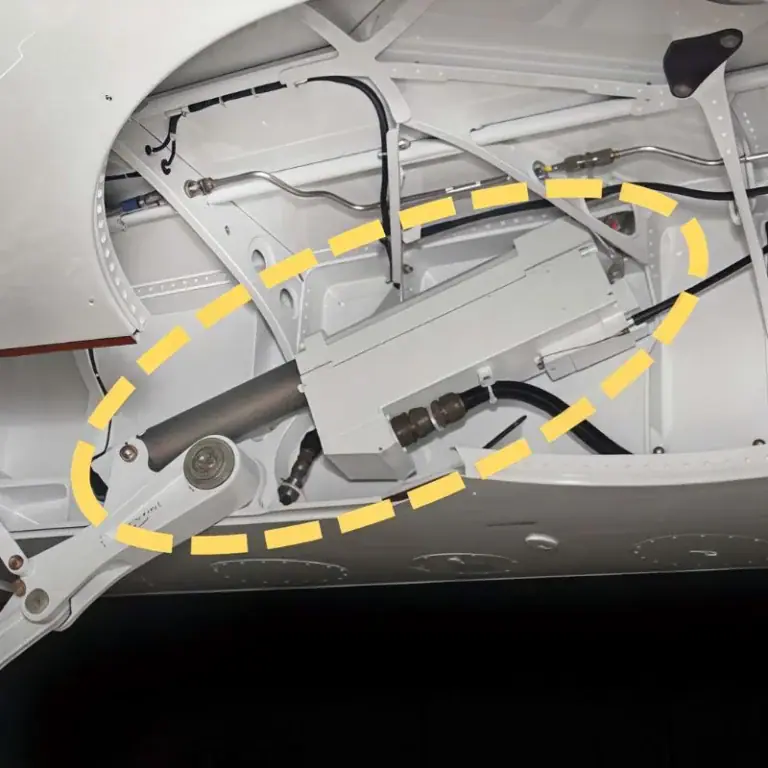
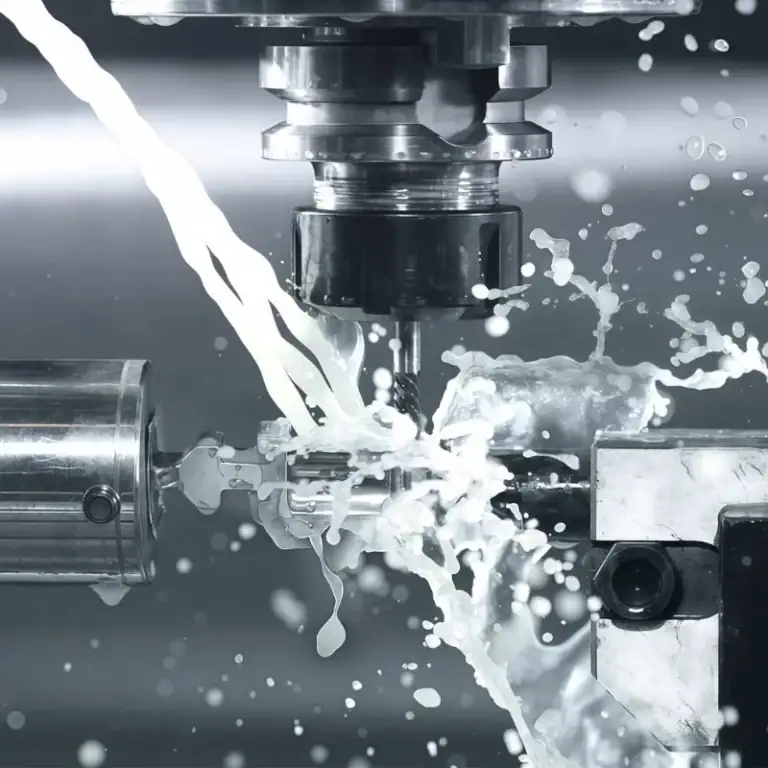
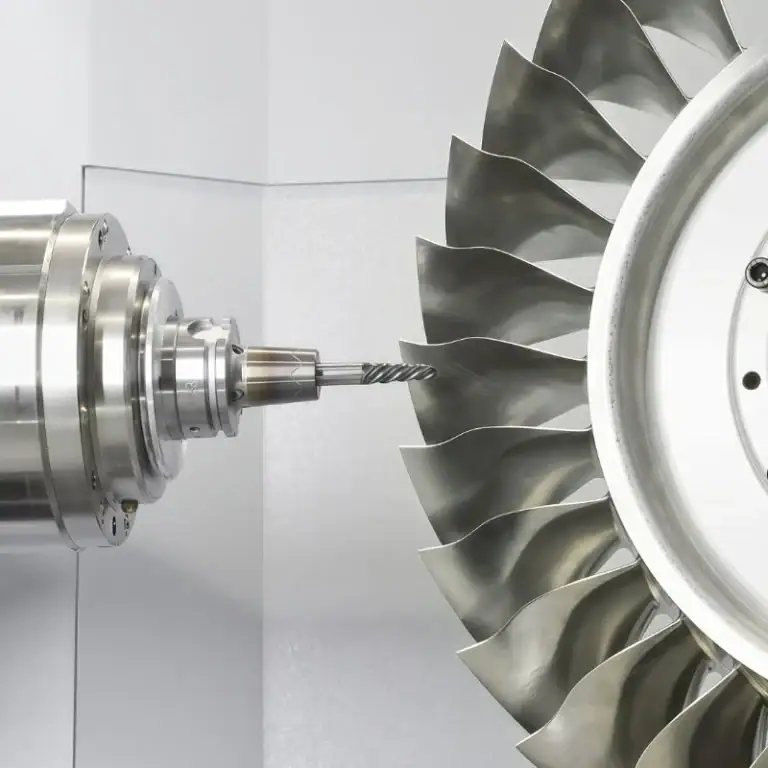
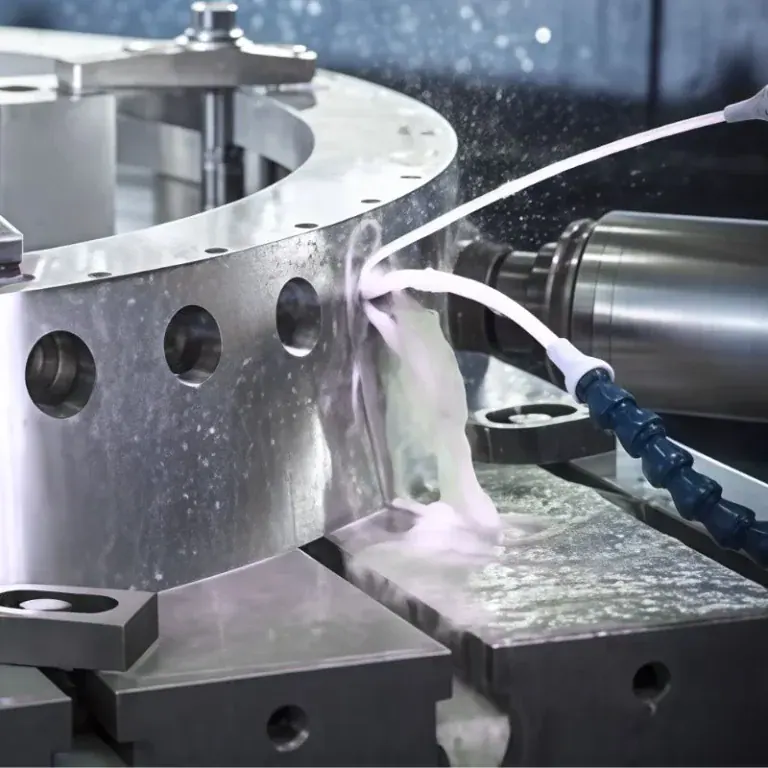
Oil and gas equipment is widely used in drilling, extraction, transportation, storage, and processing systems. Its components must meet requirements for structural strength, dimensional accuracy, corrosion resistance, and operational stability. Aluminum alloy offers low weight, good machinability, and thermal conductivity, making it suitable for selected oil and gas equipment components, including instrument housings, control module enclosures, mounting brackets, connection bases, and auxiliary structural parts.
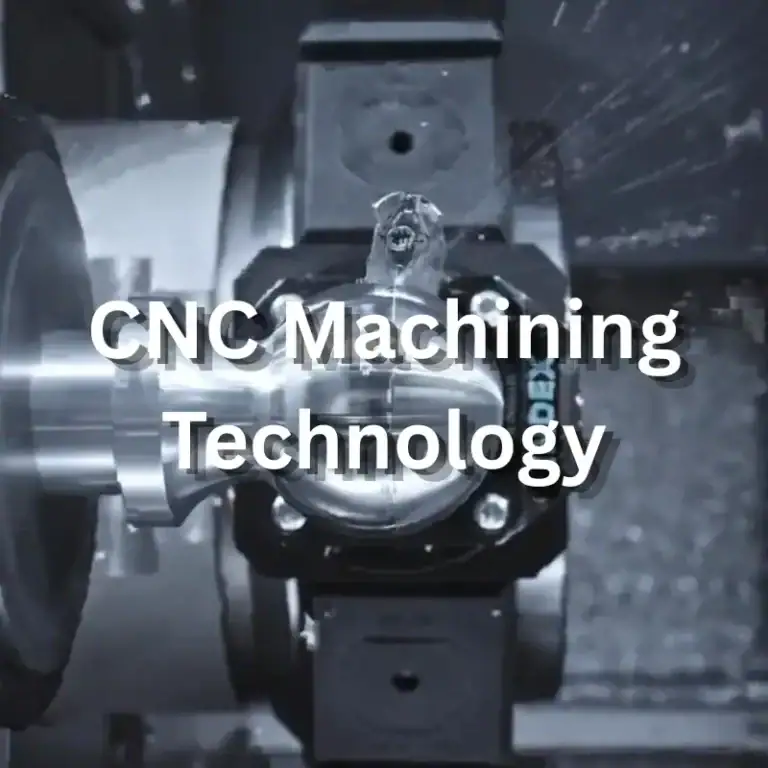
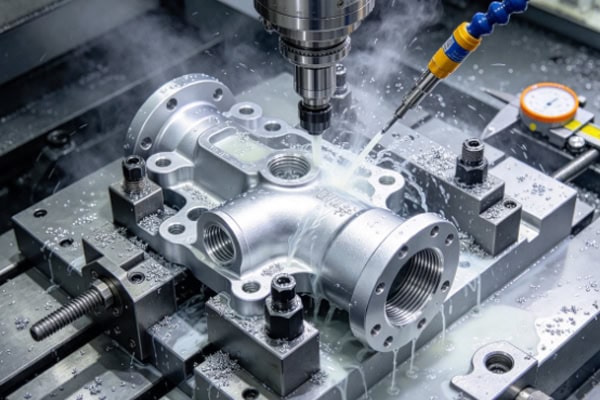
Through CNC milling, turning, drilling, tapping, and other machining processes, manufacturers can produce customized aluminum components according to engineering drawings. These processes help control part dimensions, improve assembly efficiency, and meet the manufacturing requirements of different equipment designs.
It is important to note that aluminum alloy is not suitable for every oil and gas operating condition. Components used in high-pressure applications, high-temperature downhole environments, highly corrosive media, or hazardous areas must be evaluated according to design standards, material certifications, and actual operating conditions.
Key Advantages of CNC Machining Aluminum Parts for Oil and Gas Equipment
Aluminum components in oil and gas equipment are commonly used in equipment control systems, instrument installation, module connections, and auxiliary support structures. Different components have different requirements for dimensional tolerances, surface quality, installation accuracy, and mechanical performance. CNC machining can use milling, turning, drilling, tapping, and finishing processes according to component geometry. It is suitable for customized manufacturing of complex and non-standard parts.
Aluminum Alloy Reduces Equipment Structural Weight
Some oil and gas equipment is installed on mobile platforms, inspection devices, auxiliary pipeline systems, or control systems with limited space. Component weight can affect the overall equipment design. Aluminum alloy has a relatively low density and can help reduce the weight of selected components while maintaining the required strength and stiffness.
CNC machining can produce lightweight instrument housings, equipment support bases, sensor mounting brackets, and control module fixtures. For components with internal cavities or complex profiles, the wall thickness and reinforcing ribs can be designed according to load requirements to prevent excessive material removal from affecting structural stability.
Component designs should also consider threaded connections, installation loads, and long-term vibration conditions to ensure that lightweight structures meet actual operating requirements.
Precision CNC Machining Improves Component Assembly and Connections
Aluminum components used in oil and gas equipment may need to fit with valve assemblies, instruments, sensors, pipeline accessories, and equipment frames. Mounting hole spacing, positioning grooves, connection surfaces, and thread dimensions all affect assembly quality. Significant hole-position deviations may make installation difficult or reduce positioning stability during equipment operation.
CNC machining controls hole diameters, spacing, flatness, and profile dimensions according to engineering drawings. For components requiring machining on multiple surfaces, appropriate machining references and clamping sequences help reduce errors caused by repeated positioning.
Precision milling and boring are suitable for equipment connection bases, instrument mounting plates, and brackets with positioning holes. These processes help components fit accurately with their corresponding structures.
Material Selection and Surface Treatment Meet Equipment Requirements
Oil and gas equipment may operate in humid, dusty, outdoor, and temperature-variable environments. Some components may also be exposed to corrosive substances. Aluminum alloy grades, heat treatment conditions, and surface treatments should be selected according to component functions and actual operating conditions rather than weight or machining cost alone.
- 6061 aluminum alloy: Offers good machinability and mechanical properties. It is commonly used for instrument housings, mounting brackets, connection bases, and general structural components. Suitability depends on load and environmental conditions.
- 7075 aluminum alloy: Provides relatively high strength and is suitable for selected components requiring both strength and low weight. Corrosion exposure, stress conditions, and connection methods must be evaluated.
- 5052 aluminum alloy: Offers good corrosion resistance and formability. It can be used for selected enclosures, covers, and auxiliary structural components.
- Anodizing: Can improve surface wear resistance and corrosion protection for selected aluminum components. Coating requirements should be determined according to the operating environment.
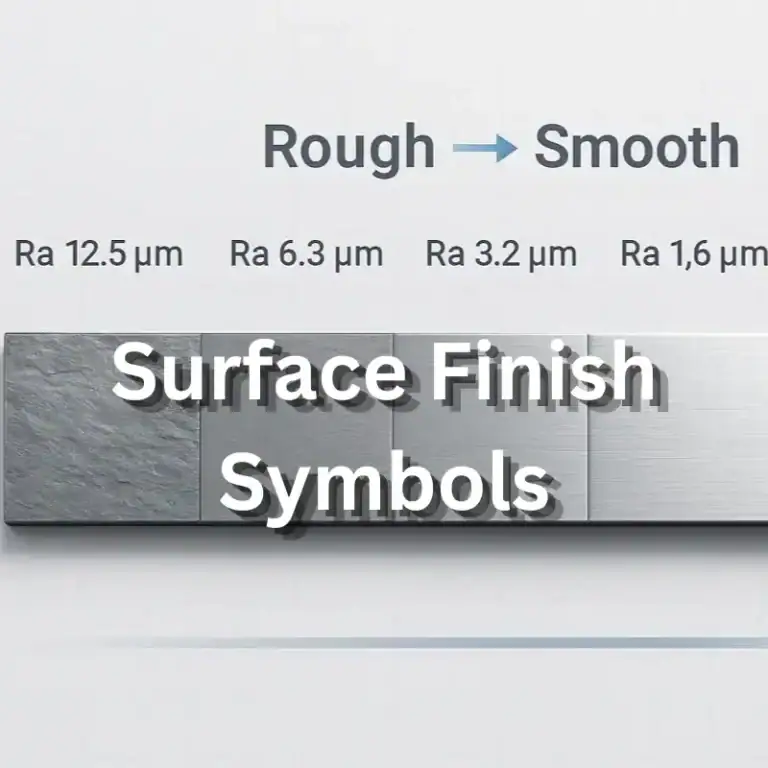
- Sandblasting and coating: Can improve appearance and surface condition. The coating must not interfere with mating dimensions, electrical contact, or sealing requirements.
For components requiring conductive connections, grounding, or sealing, the surface treatment areas and technical specifications should be clearly defined. Equipment used in hazardous oil and gas areas must also comply with applicable explosion protection and safety requirements. Ordinary aluminum machining or surface treatment does not automatically provide explosion-proof certification.
CNC Machining Methods and Applications for Aluminum Parts in Oil and Gas Equipment
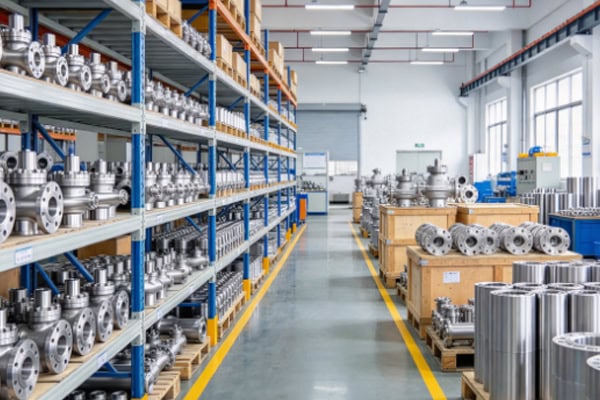
Aluminum components used in oil and gas equipment have different structural designs, including thin-wall housings, thick-wall connection bases, multi-hole mounting plates, instrument brackets, and irregular fixtures. The machining solution should be planned according to component dimensions, structural complexity, material condition, and assembly requirements. Proper operation sequencing helps control deformation, improve dimensional consistency, and reduce assembly adjustments.
CNC Machining Workflow for Aluminum Oil and Gas Components
Customized machining starts with reviewing engineering drawings and technical specifications. For components with deep cavities, thin walls, multiple threaded holes, or complex curved surfaces, manufacturers should evaluate machining feasibility and determine positioning references, tool paths, and inspection requirements in advance.
- Drawing and material verification: Check component dimensions, tolerances, aluminum alloy grade, heat treatment condition, thread specifications, and surface treatment requirements. Confirm the assembly relationship with the equipment.
- Raw material preparation: Select aluminum plates, bars, or profiles according to component geometry. Check material condition and machining allowance to prevent blank defects from affecting finished quality.
- CNC programming and fixture planning: Design clamping methods according to component geometry. Arrange milling, turning, drilling, and tapping operations to minimize repeated positioning.
- Main structural machining: Use CNC milling machines or machining centers to produce external profiles, steps, cavities, mounting surfaces, and positioning structures. CNC turning is suitable for shafts and rotational components.
- Hole and detail machining: Complete threaded holes, through-holes, counterbores, positioning holes, and sealing grooves while controlling critical dimensions and surface quality.
- Deburring and surface treatment: Remove burrs from edges, holes, and grooves. Apply anodizing, sandblasting, or other suitable treatments according to engineering drawings.
- Quality inspection and delivery: Inspect dimensions, geometric tolerances, threads, and surface conditions. Perform assembly verification when necessary before packaging and delivery.
When machining thin-wall aluminum components, clamping force, tool condition, and cutting parameters must be controlled to prevent local deformation. Deep-cavity machining also requires proper chip removal and vibration control to ensure that wall thickness and internal dimensions meet design requirements.
Machining Applications for Oil and Gas Instrument Housings and Sensor Mounts
Oil and gas extraction and transportation systems use pressure, temperature, flow, and liquid-level measurement devices. Some instruments and sensors require housings, mounting bases, or brackets to connect them to equipment structures. These components usually contain mounting holes, threaded interfaces, internal positioning features, and cable passages, requiring accurate dimensions and reliable assembly.
CNC machining can produce aluminum instrument housings, sensor support bases, inspection module fixtures, and protective covers. Internal mounting cavities, positioning posts, and fixing holes can be machined according to electronic module dimensions. External features may include threaded holes, connection surfaces, and cable outlets designed for the equipment interface.
For instrument structures requiring regular maintenance, covers and fasteners should also allow convenient removal and reinstallation.
Material selection and surface treatment must match the actual operating environment. If the equipment is exposed to high-pressure media, corrosive fluids, or hazardous locations, materials and structures must meet the relevant equipment design requirements. Machining accuracy alone cannot determine whether an enclosure is safe for these applications.
Machining Applications for Equipment Brackets, Control Module Bases, and Auxiliary Structures
Oil and gas equipment contains many structural components used to secure control modules, inspection devices, cable assemblies, and auxiliary equipment. Aluminum mounting brackets and bases can be used in equipment frames, control cabinet interiors, and selected mobile inspection platforms to provide positioning and module support.
CNC milling is suitable for brackets with multiple mounting holes, positioning grooves, and stepped surfaces. CNC turning can manufacture cylindrical connection sleeves, positioning pin bases, and other rotational components. For equipment with limited installation space, customized irregular brackets and connection plates can be produced according to the mounting position, with accurate hole relationships and contact surface dimensions.
Component designs should also consider bolt preload, vibration loads, and local stress to prevent insufficient thickness or inadequate support structures.
| Aluminum Component Type | Common Materials | Main Machining Processes | Key Quality Requirements | Typical Applications |
| Instrument housing | 6061, 5052 | CNC milling, drilling, tapping | Cavity dimensions, mounting holes, surface quality | Pressure and temperature measurement equipment |
| Sensor mounting base | 6061, 7075 | Milling, drilling, boring | Positioning accuracy, connection dimensions | Flow and inspection modules |
| Control module base | 6061 | Milling, tapping, slot machining | Flatness, hole spacing, structural stiffness | Control cabinets and module mounting |
| Equipment mounting bracket | 6061, 7075 | CNC milling, drilling | Hole relationships, load capacity | Auxiliary equipment installation |
| Auxiliary pipeline connector | Suitable aluminum alloy grades | Turning, milling, tapping | Interface dimensions, thread accuracy | Non-critical pressure-bearing auxiliary structures |
| Protective cover | 5052, 6061 | Milling, drilling, surface treatment | External dimensions, fit clearance | Instrument and module protection |
It is important to note that ordinary aluminum components should not be used in high-pressure pipelines, downhole pressure-bearing tools, or critical components directly exposed to highly corrosive media without proper design verification. These applications require material selection and manufacturing solutions based on relevant industry standards, media conditions, pressure ratings, and material certifications.
Functional and Performance Control for Aluminum Parts in Oil and Gas Equipment
Oil and gas equipment components must maintain reliable connection, positioning, and support functions under specified operating conditions. The actual performance of aluminum components depends not only on the alloy grade but also on machining accuracy, heat treatment condition, surface quality, and assembly methods. Inspection requirements should be established according to component applications to prevent dimensional deviations or unsuitable material selection from affecting equipment operation.
Dimensional Accuracy, Thread Quality, and Assembly Inspection
Aluminum components usually contain mounting holes, threaded holes, positioning surfaces, and mating structures. Dimensional deviations may affect sensor installation, module fixation, and equipment connections. For areas requiring precise fits, inspection items and tolerance ranges should be defined according to engineering drawings.
- External dimension inspection: Use calipers, micrometers, and height gauges to measure length, width, thickness, and critical profile dimensions.
- Hole position and geometric inspection: Check hole diameters, spacing, center positions, and relevant geometric tolerances. Coordinate measuring machines can be used when necessary.
- Thread quality inspection: Use thread plug gauges or ring gauges to check thread specifications, effective depth, and fit conditions, ensuring that fasteners can be installed correctly.
- Surface quality inspection: Check burrs, scratches, tool marks, and surface treatment conditions, with particular attention to sealing and connection surfaces.
- Assembly verification: Perform trial assembly with matching brackets, sensors, or modules to check positioning, fixation, and connection conditions.
For batch orders, manufacturers can maintain records of material batches, machining programs, first-article inspection, and in-process measurements to support quality traceability. Components involving critical safety functions may also require additional material verification and specialized inspection according to equipment specifications.
Structural Strength, Corrosion Resistance, and Long-Term Operational Stability
Oil and gas equipment may operate for extended periods under vibration, temperature changes, humidity, and outdoor conditions. Some components are also exposed to continuous mechanical loads. Aluminum components must be designed according to actual loading conditions, with appropriate alloy grades, wall thicknesses, connection methods, and reinforcing structures. For mounting brackets and module bases, particular attention should be paid to the areas around fixing holes, weak cross-sections, and connection points.
Corrosion resistance must be evaluated according to the installation environment and the media in contact with the component. Suitable anodizing or other surface treatments can improve surface protection for selected aluminum components, but they cannot replace material suitability verification for highly corrosive media.
When dissimilar metal components come into direct contact, galvanic corrosion risks should also be considered. Appropriate material combinations or isolation measures may be required according to the design.
For equipment operating over long periods, connection points, fasteners, surface coatings, and structural conditions should be inspected regularly. Components used in explosion-proof equipment, pressure-bearing systems, or downhole operations must undergo design review, material verification, and required testing according to applicable standards.
CNC machining of aluminum parts for oil and gas equipment supports customized manufacturing of instrument housings, sensor mounting bases, control module bases, and auxiliary connection structures. Through appropriate aluminum alloy selection, machining process planning, critical dimensional control, and quality inspection, manufacturers can improve assembly accuracy and structural consistency.
The actual machining solution should be determined according to equipment applications, operating environments, material requirements, drawing tolerances, and order quantities, providing suitable precision components for oil and gas equipment manufacturing and maintenance.