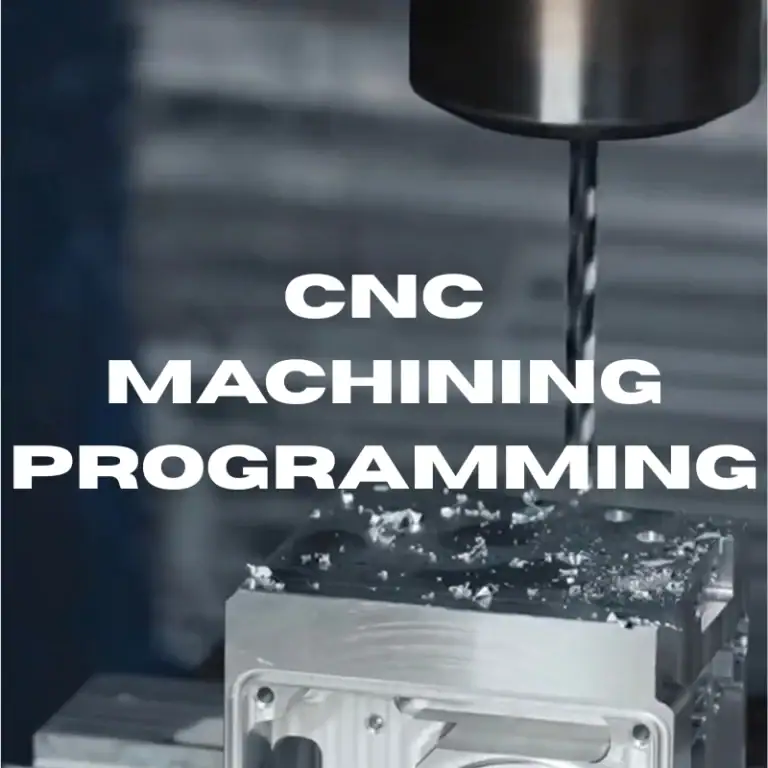
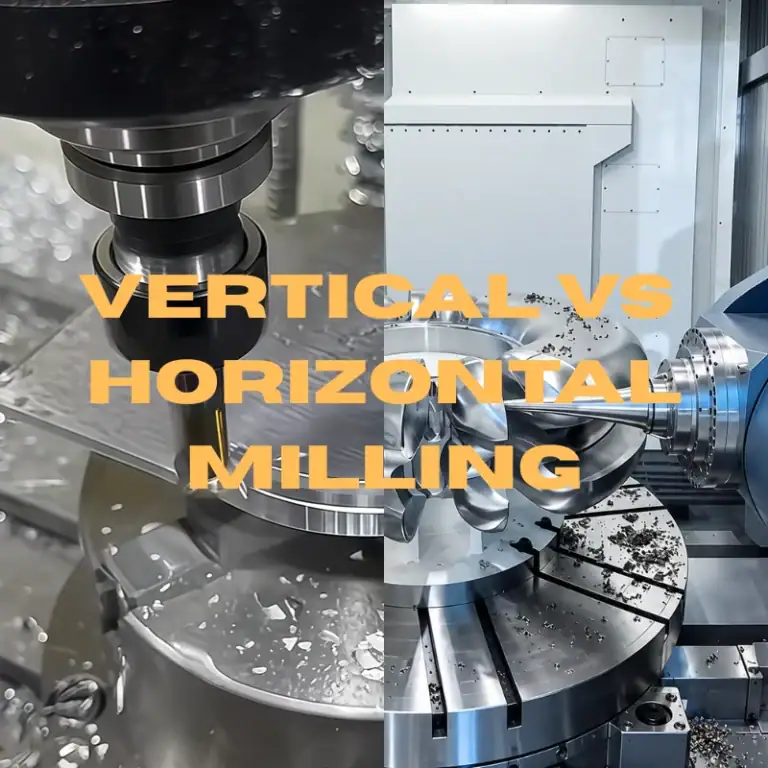
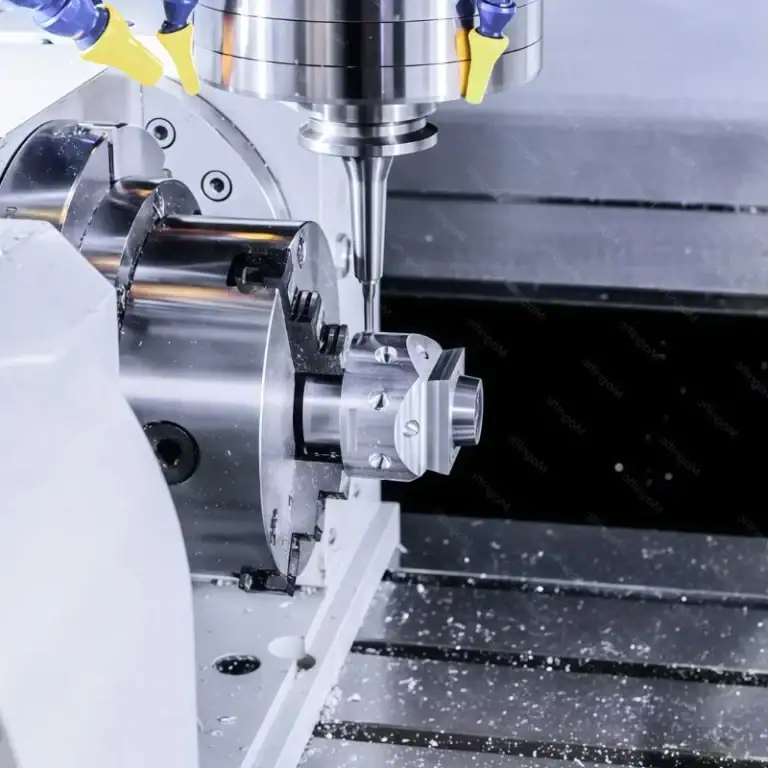
In CNC milling, efficiency is determined not only by spindle speed or tool performance, but more importantly by the choice of machining strategy. Especially in complex parts or high-strength material machining, the gap between traditional layer-by-layer cutting and dynamic milling becomes significantly amplified. Many factories using the same equipment can experience machining time differences of one to several times, and the root cause lies in different cutting load distribution methods. Understanding the efficiency differences between these two processes helps make more rational machining decisions in real production.
Why Traditional Layered Cutting Tends to Slow Down Machining
Traditional layered cutting is a “material removal layer by layer” method. Although it appears stable, it has obvious efficiency bottlenecks under high-load machining conditions.
Cutting load remains concentrated for a long time
The core issue of this method is that cutting is always concentrated in fixed areas, making it difficult to maintain balanced machining.
- Large cutting contact area limits material removal rate per unit time.
- The tool is under continuous stress along the same toolpath, causing heat accumulation.
- Tool wear is concentrated, leading to faster tool life reduction.
- Spindle load fluctuates significantly, limiting feed rate improvement.
This concentrated load pattern directly limits the upper bound of machining efficiency.
High proportion of non-cutting and idle travel
Traditional toolpaths contain a large amount of redundant motion, resulting in time waste.
- High ratio of retract and air-cutting movements.
- Machine time is consumed even in non-cutting states.
- Repeated and overlapping paths in complex contours.
Even with reasonable cutting parameters, overall efficiency is still reduced by the toolpath structure.
Heat concentration limits feed rate improvement
Heat buildup directly restricts parameter optimization.
- Feed must be reduced after tool temperature rises to protect the cutter.
- Machining strategy becomes conservative, preventing full machine capability.
- Heat concentration reduces process stability.
As a result, machining speed is passively limited rather than actively optimized.
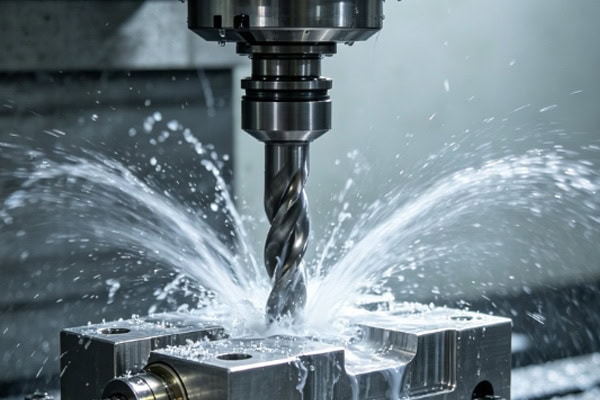
How Dynamic Milling Redistributes Cutting Efficiency
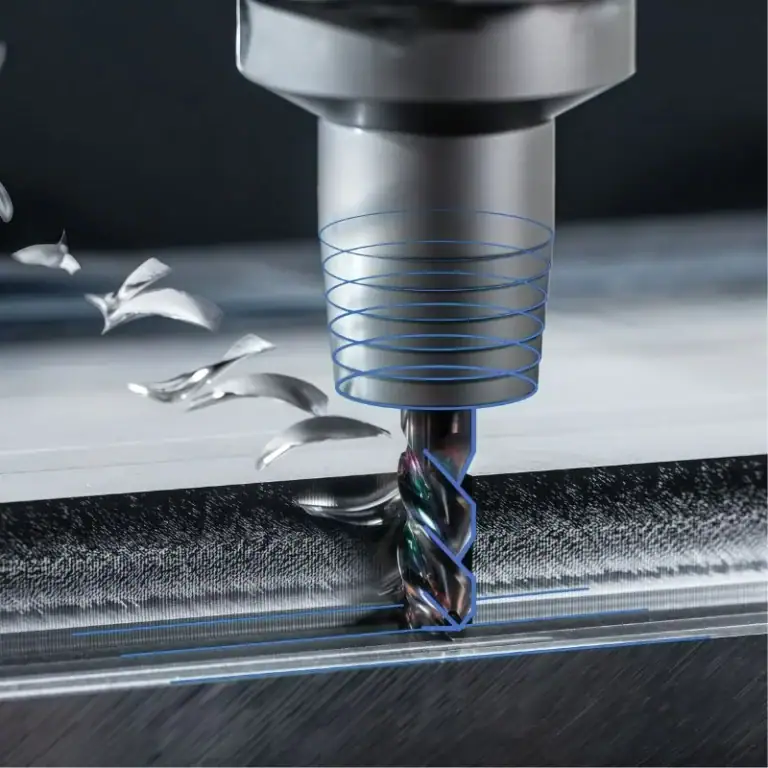
The core idea of dynamic milling is “constant load + optimized toolpath,” improving overall efficiency by changing the cutting approach.
Maintaining constant cutting load
Dynamic milling uses toolpath control to keep the tool under a relatively stable load condition.
- Avoids load spikes caused by sudden heavy engagement.
- Allows higher average feed rates.
- Reduces thermal shock and improves stability.
This stable load mode is the foundation of efficiency improvement.
Increasing effective cutting ratio
By reducing non-productive motion, more time is dedicated to actual cutting.
- Optimized entry and exit paths reduce air cutting.
- Toolpaths better match part geometry, improving material utilization.
- Reduces repeated cutting in complex cavities.
This fundamentally increases the proportion of “effective machining time.”
Reducing heat accumulation constraints
More uniform heat distribution prevents overheating limitations, reducing the need for speed reduction, extending tool life, decreasing tool change downtime, and enabling a more continuous machining rhythm. This improves overall machining stability and allows sustained high-efficiency operation.
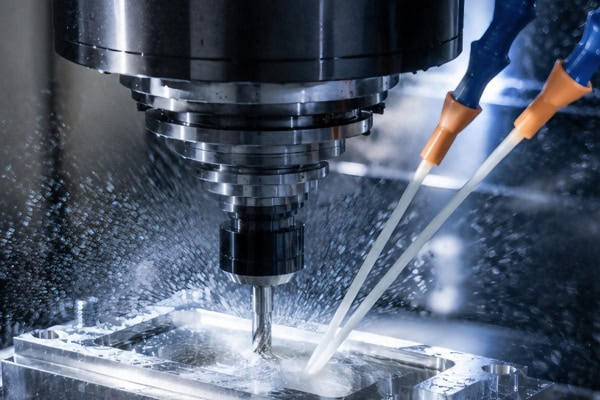
How the Efficiency Gap Appears in Real Machining
In real production environments, the difference between the two methods is often more significant than theoretical analysis suggests.
The largest gap appears in roughing
Roughing is the main material removal stage and where efficiency differences are most obvious.
- Material removal rate can increase by 30%–70%.
- Dynamic milling reduces layering passes and improves single-pass efficiency.
- Advantages are more pronounced in difficult-to-machine materials
Roughing is the most valuable application scenario for dynamic milling.
Tool life differences affect overall cost
Tool condition directly impacts production rhythm and cost. Traditional layered cutting leads to concentrated wear and shorter tool life, while dynamic milling distributes wear more evenly, extending tool life. At the same time, fewer tool changes reduce machine downtime, improving overall production efficiency and creating significant cost differences.
Significant difference in machine utilization
Equipment efficiency shows clear differences between the two processes.
- Dynamic milling operates closer to machine performance limits.
- Reduces time loss caused by frequent acceleration and deceleration.
- Produces a more stable and continuous machining cycle.
From the equipment perspective, dynamic milling better unlocks machine potential.
Why Dynamic Milling Is More Suitable for Complex CNC Milling
As part complexity increases, traditional machining methods gradually struggle to meet both efficiency and quality requirements.
Suitable for complex cavities and hard materials
Dynamic toolpath technology offers the following advantages:
- Automatically avoids high-load cutting zones and optimizes force distribution.
- Maintains stable cutting conditions in high-strength materials.
- Reduces tool breakage and abnormal wear risks.
Dynamic toolpath machining significantly improves process stability and tool life.
Better suited for high-precision requirements
By optimizing cutting conditions, overall machining quality and stability are significantly improved.
- Lower cutting force fluctuation leads to better controllable deformation.
- More stable surface quality.
- Reduces stock allowance for subsequent finishing.
Controlling cutting stability is essential for improving accuracy and reducing downstream workload.
Aligns with modern high-efficiency manufacturing trends
In mass production, process optimization brings multiple benefits.
- Saves significant machining time in batch production.
- Reduces overall manufacturing cost.
- Improves delivery stability.
These advantages collectively enhance production efficiency and market competitiveness.
Conclusion
The efficiency gap between dynamic milling and traditional layered cutting is essentially a difference in “toolpath and load management strategy,” not just parameter optimization. In today’s CNC milling industry, which is moving toward higher efficiency and stability, dynamic milling has become a key approach for complex part machining. For companies aiming to improve machining efficiency and reduce costs, selecting the right machining strategy is often more critical than simply upgrading equipment. TiRapid can provide high-efficiency CNC machining solutions based on dynamic milling, helping achieve faster delivery and more stable quality.