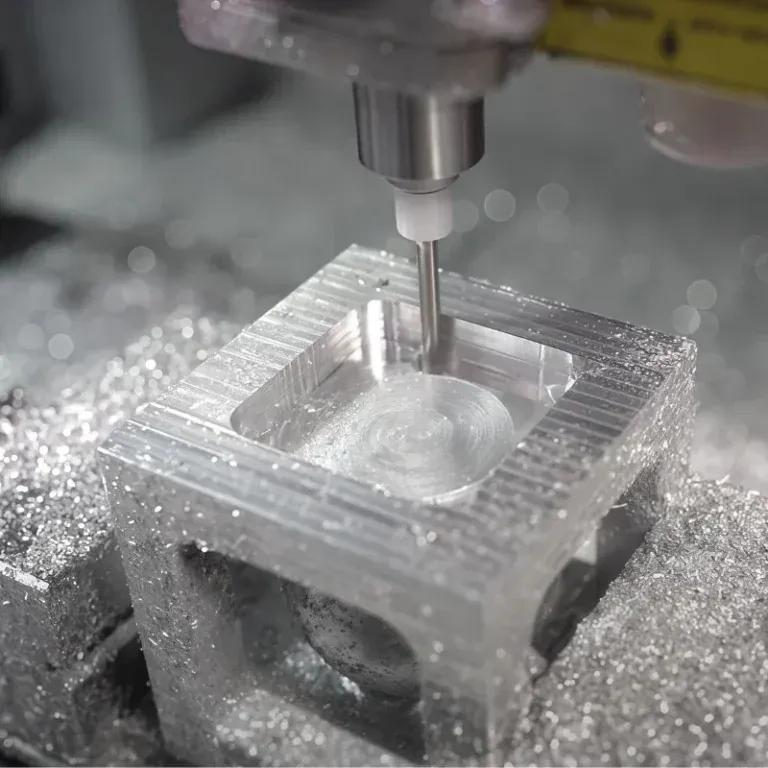
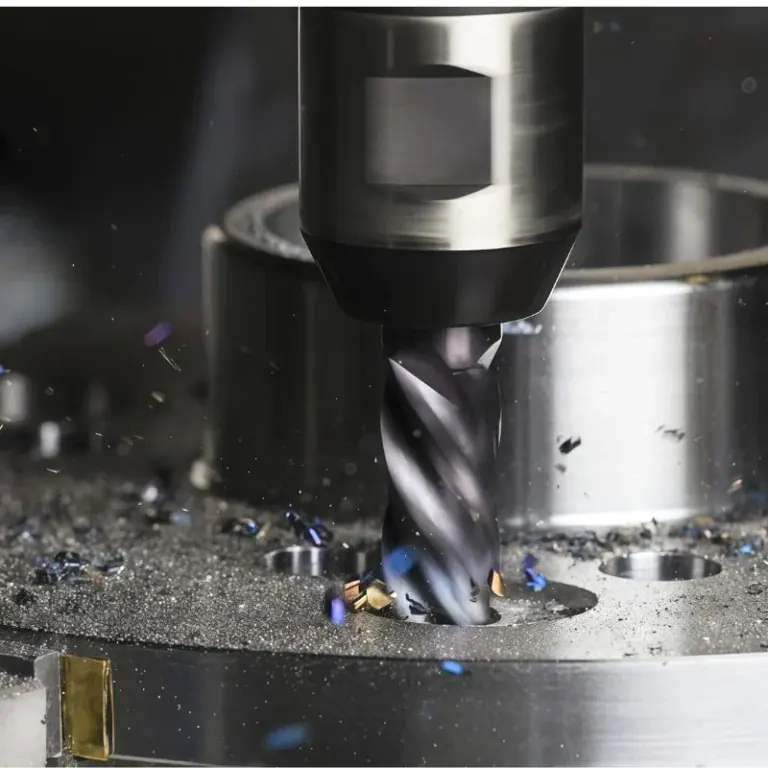
Consumer electronics products are updated rapidly, ranging from smartphones and tablets to smart wearables and smart home devices. OEM manufacturers must not only meet appearance and functional design requirements but also address manufacturing challenges such as rapid prototyping, batch consistency, and delivery schedules. Metal structural parts, precision connectors, brackets, and functional components in particular require high dimensional accuracy, material performance, and surface quality. CNC precision machining can manufacture customized parts directly from CAD drawings or 3D models, making it suitable for prototype validation, small-batch trial production, and volume OEM production while helping consumer electronics companies establish a flexible and stable parts supply chain.
What Are the Core Requirements for Consumer Electronics OEM Parts Machining?
Consumer electronics OEM projects are typically characterized by rapid product iterations, a wide variety of parts, and high precision requirements. Machining suppliers need to meet the different needs of both the R&D and mass production stages.
Precision Dimensions Ensure Assembly Stability
The internal space of consumer electronics products is limited, and components often need to fit together precisely. Dimensional deviations may directly affect assembly efficiency.
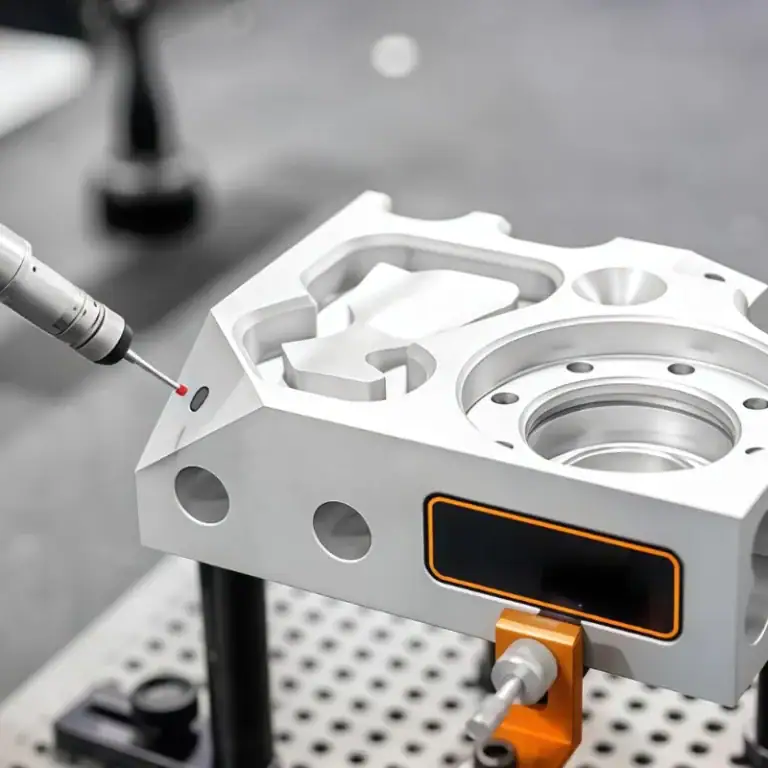
- CNC machining can consistently control hole positions, slots, mounting surfaces, and overall dimensions.
- Precision machining helps reduce assembly gaps between parts.
- Inspecting critical dimensions can reduce defect rates during mass production.
Stable dimensional control is an important foundation for the smooth assembly and continuous mass production of OEM parts.
Rapid Response to Product Iterations
Consumer electronics development cycles are becoming increasingly shorter, and OEM customers typically require suppliers to complete prototype manufacturing and design validation quickly.
- Parts can be rapidly prototyped based on 3D models.
- Complex molds do not need to be remade after design modifications.
- After prototype validation, production can smoothly transition to small-batch and volume production.
Flexible CNC manufacturing helps companies reduce R&D waiting times.
Balancing Material and Appearance Requirements
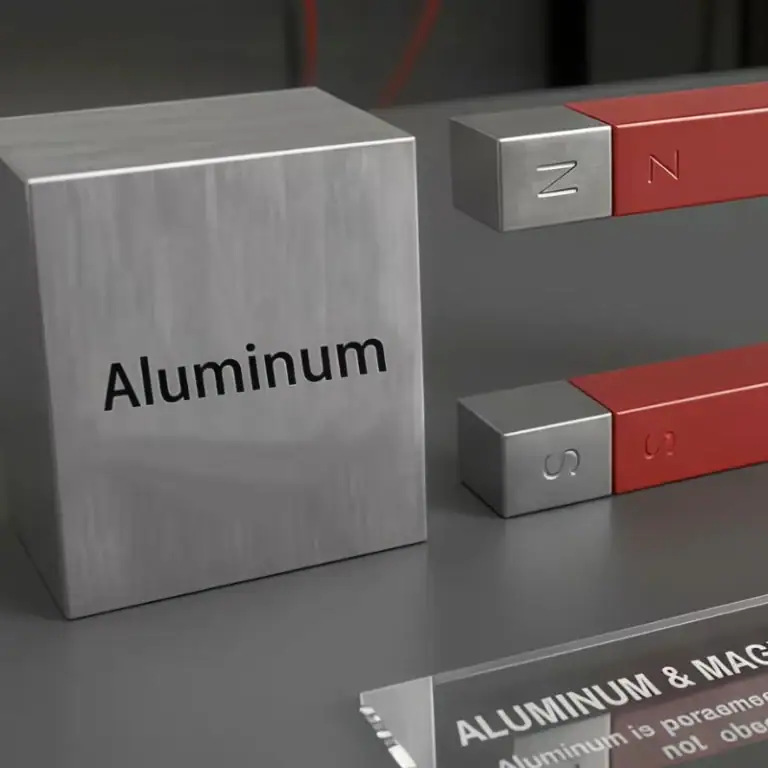
Selecting suitable materials such as aluminum alloys, stainless steel, or engineering plastics, together with the appropriate machining processes, can meet requirements for lightweight design, strength, wear resistance, insulation, and appearance while achieving a balance between performance, appearance, and cost.
| OEM Machining Requirement | Recommended Machining Solution | Common Consumer Electronics Parts |
| High-precision assembly | CNC precision milling | Brackets, connectors, mounting bases |
| Metal structural parts | Aluminum alloy/stainless steel CNC machining | Mid-frames, housings, bases |
| New product development | CNC rapid prototyping | Prototype parts, validation parts |
| Small-batch trial production | Flexible CNC machining | Customized electronic product parts |
| Appearance quality | CNC + surface treatment | Housings, decorative parts |
Consumer electronics OEM machining requires comprehensive coordination of precision, materials, appearance, and delivery capabilities.
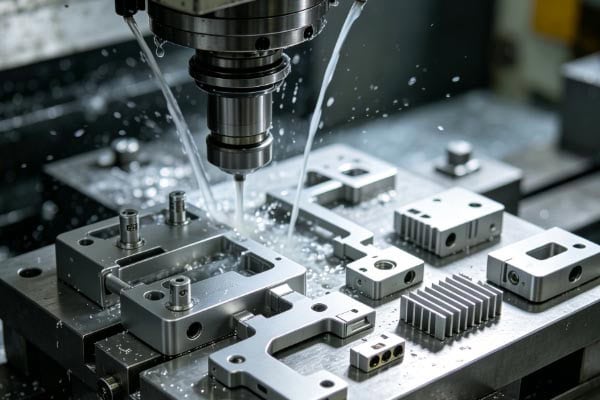
How Can CNC Machining Help Consumer Electronics OEMs Shorten Delivery Times?
For consumer electronics companies, supplier response speed directly affects the launch schedule of new products. Therefore, manufacturing efficiency is an important consideration when selecting an OEM machining partner.
Accelerating Validation from Drawings to Prototypes
New product development often requires multiple rounds of modifications, while traditional manufacturing methods can be affected by mold production and process preparation times.
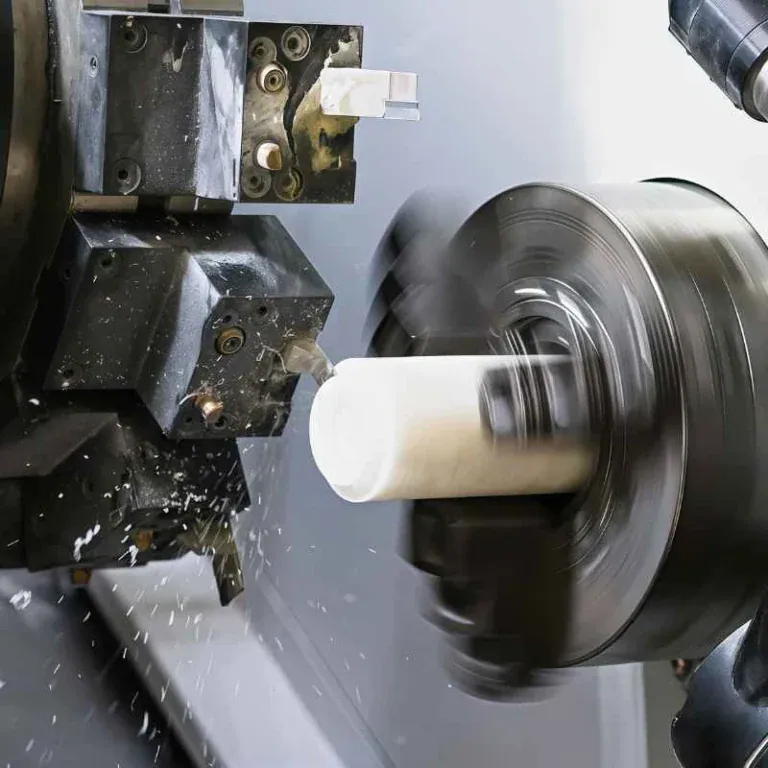
- CNC can machine parts directly according to design files.
- Machining programs can be quickly modified after design adjustments.
- Completed prototypes can proceed directly to assembly and functional testing.
Rapid prototyping enables design teams to identify structural issues earlier and reduce later modification costs.
Maintaining Consistency in Mass Production
After entering mass production, OEM customers are more concerned about whether parts from different batches can consistently meet assembly requirements.
- CNC programs help maintain consistency throughout the machining process.
- Standardized processes reduce variations caused by manual operations.
- Critical dimension inspections can promptly identify production deviations.
Stable batch consistency helps reduce the risks of rework, returns, and production line stoppages.
Controlling Overall OEM Procurement Costs
Consumer electronics parts often involve multiple product types, small-batch orders, and volume orders at the same time. Simply comparing the unit price of parts does not reflect the actual procurement cost. A suitable CNC machining solution can reduce mold investment, minimize material waste and repeated machining through process optimization, and lower subsequent assembly and rework costs through stable quality. From a procurement perspective, suppliers capable of controlling quality, delivery time, and overall manufacturing costs at the same time offer greater long-term cooperation value.
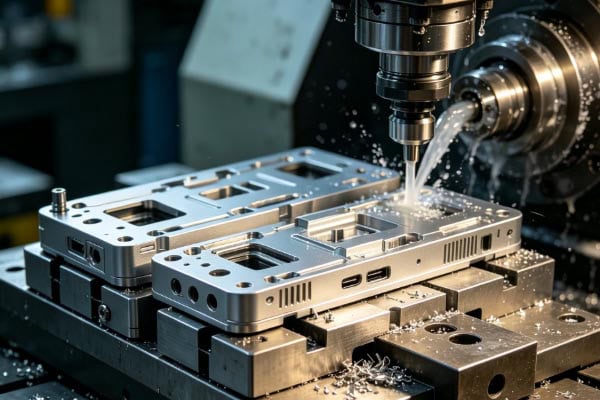
Common Machining Applications for Consumer Electronics OEM Parts
CNC precision machining can cover various metal and engineering plastic parts used in consumer electronics products, especially customized components with complex structures and high precision requirements.
Structural Parts for Mobile Phones, Tablets, and Smart Devices
Mobile terminal products have high requirements for lightweight design and structural precision.
- Mid-frames, mounting brackets, connectors, and internal structural parts can be machined.
- Complex hole positions, slots, and thin-wall structures are supported.
- Parts can be customized according to the dimensions of different products.
High-precision structural parts provide a stable foundation for subsequent assembly and product performance.
Parts for Smart Wearable Devices
Products such as smartwatches and sports devices are relatively small and have stricter requirements for part precision and appearance.
- Watch cases, brackets, bases, and precision connectors can be machined.
- Small-sized, high-precision structures can be produced.
- Processes such as anodizing, sandblasting, and brushing can be combined to improve appearance.
Fine machining and surface treatment help OEM products achieve both functional performance and visual quality.
Smart Home and Consumer Electronics Accessories
Products such as smart speakers, smart locks, and portable devices also require a large number of customized parts, including mounting bases, housing components, fasteners, and functional structural parts. These projects typically require suppliers to have rapid changeover and multi-product production capabilities, making them suitable for flexible CNC machining. Machining partners with multi-material, multi-process, and small-batch manufacturing capabilities are better equipped to adapt to changes in consumer electronics OEM projects.
How to Choose a Consumer Electronics OEM Parts Machining Supplier?
When selecting a supplier, OEM customers should evaluate not only pricing but also technical capabilities, quality, delivery schedules, and after-sales service.
Check Whether the Supplier Can Machine Complex Parts
First, confirm whether the supplier has three-axis, four-axis, or five-axis CNC equipment and experience in handling complex surfaces, precision holes, and thin-wall structures. Equipment capabilities determine the machining range, while actual project experience affects the supplier’s ability to solve problems involving complex drawings.
Check Whether Quality Management Is Stable
Consumer electronics mass production has high consistency requirements, and quality control cannot rely solely on final inspection.
- Establish a complete dimensional inspection process.
- Focus on controlling critical tolerances.
- Maintain consistency between prototypes and mass-produced parts.
- Provide necessary quality inspection documentation.
A comprehensive quality system helps OEM customers reduce mass production risks.
Check Whether One-Stop Support Is Available
If a supplier can provide DFM analysis, rapid prototyping, CNC machining, surface treatment, and volume production services, OEM customers can reduce communication costs and improve project efficiency. An ideal long-term partner should not only complete part machining but also optimize processes and ensure stable quality and delivery during mass production.
For consumer electronics OEM projects, appropriate machining processes and stable supplier collaboration also affect the final production results. TiRapid can provide material recommendations, process evaluation, precision machining, surface treatment, and quality inspection services based on customer drawings, 3D models, and project requirements, helping customers optimize part manufacturing processes and meet customized production needs at different stages. By participating in project reviews at an early stage, TiRapid can also help customers identify potential machining risks and improve the efficiency of transitioning parts from design to mass production.