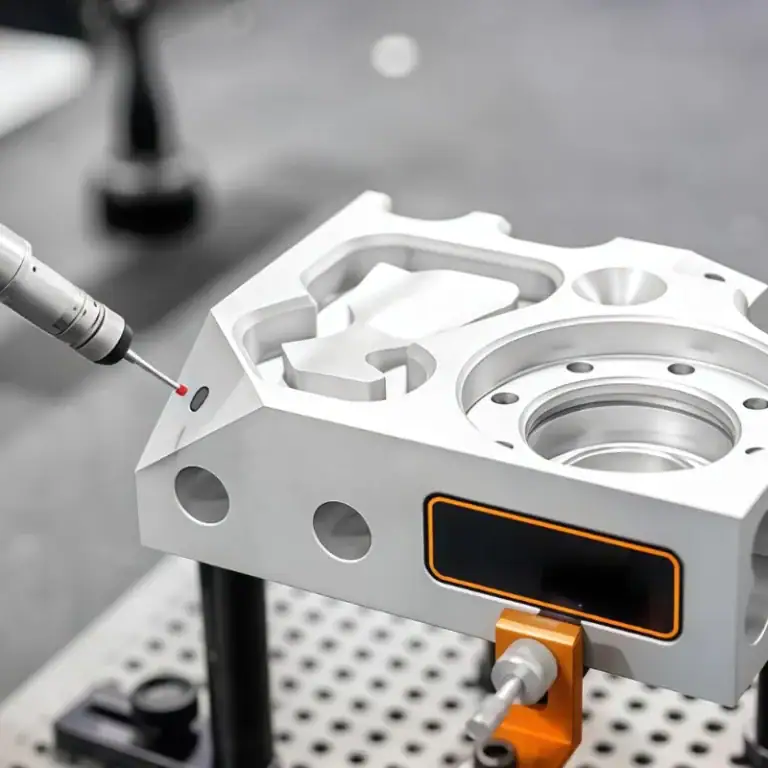
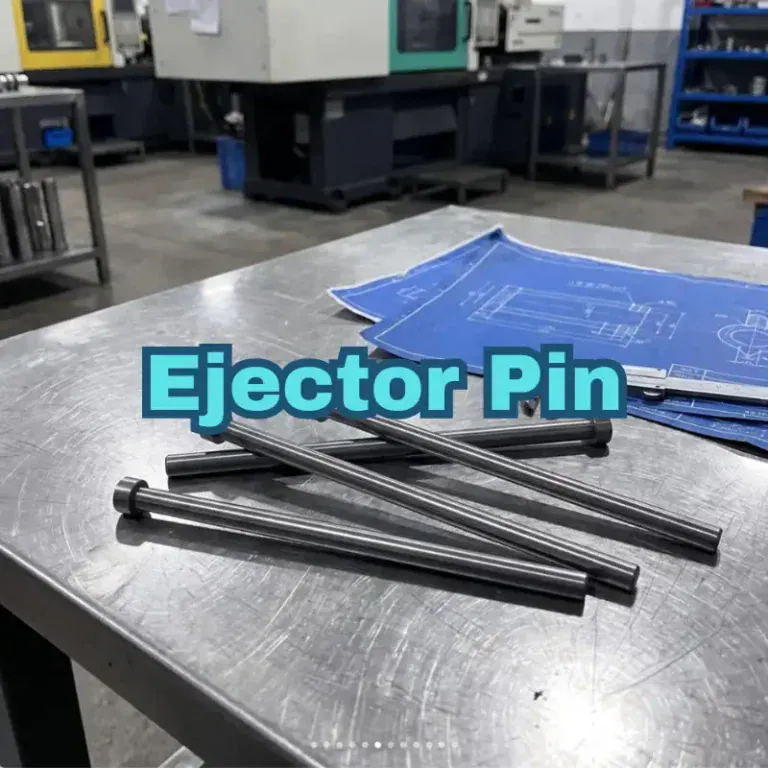
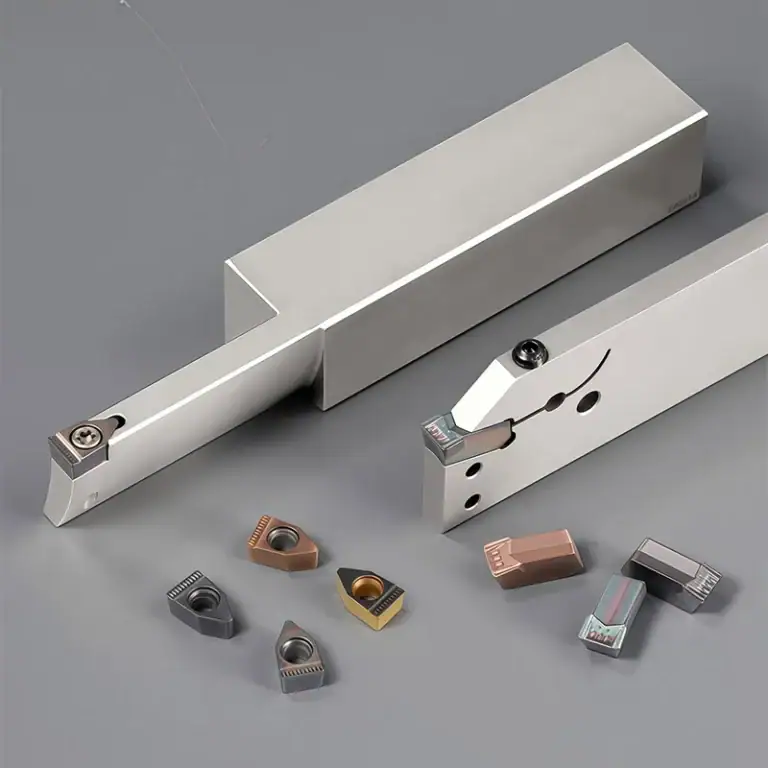
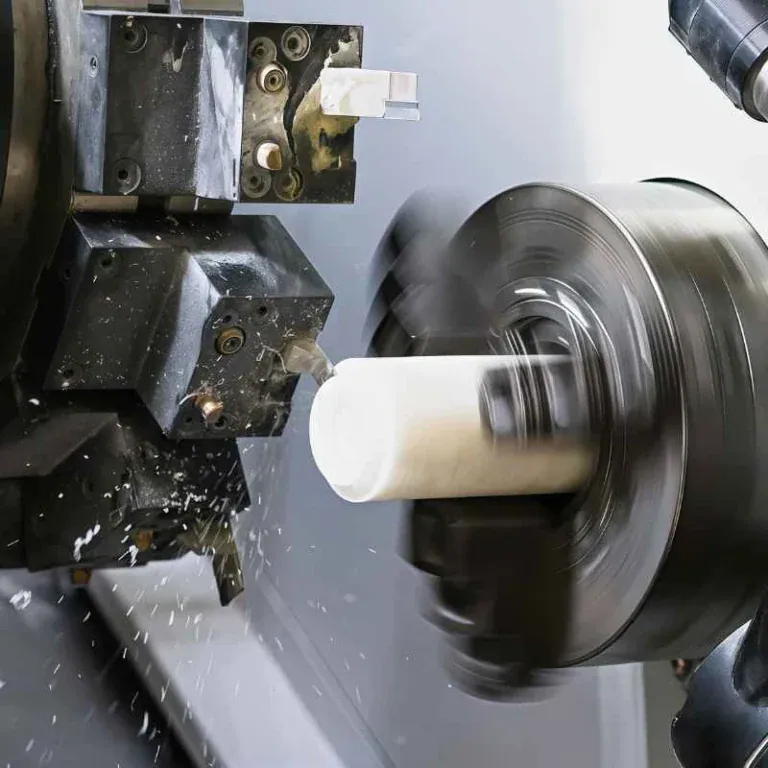
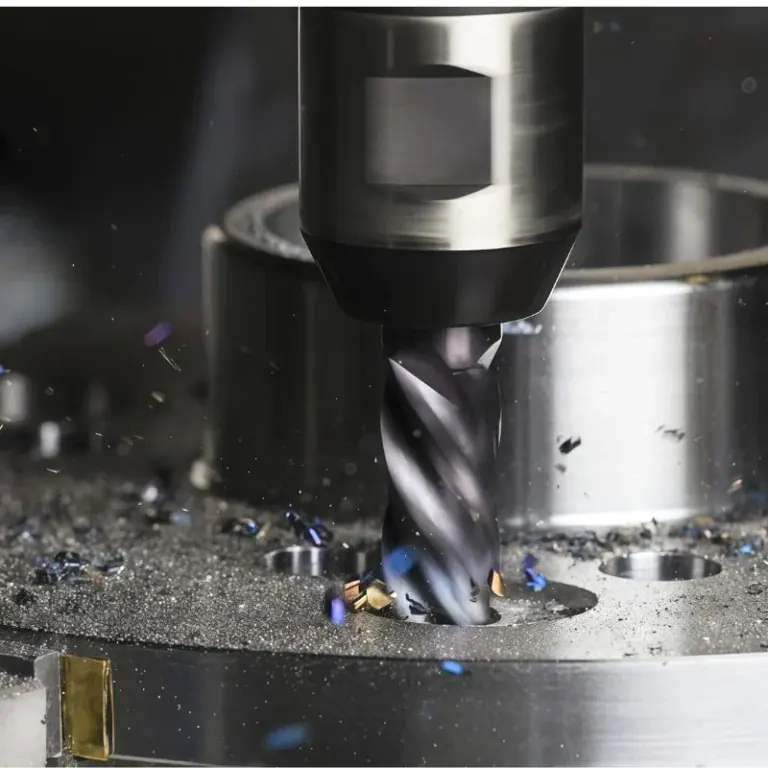
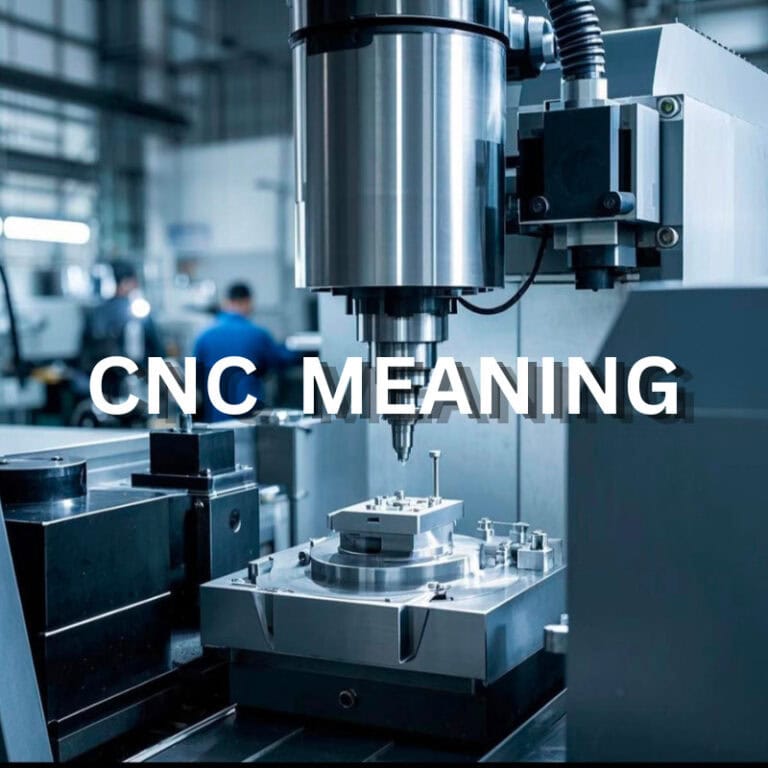
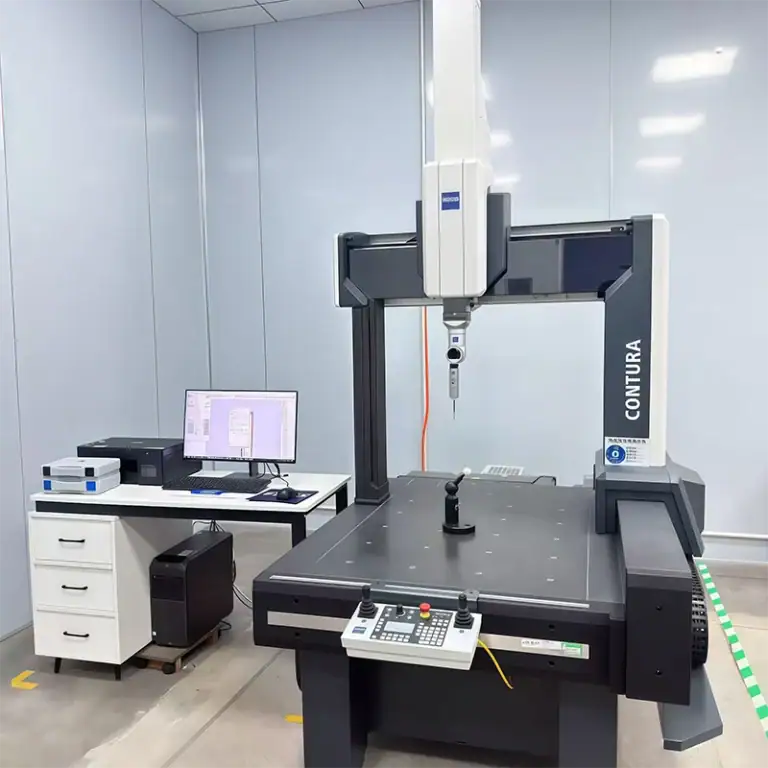
Automated production lines rely on multiple mechanical parts working together. Any dimensional deviation, assembly mismatch, or unstable machining quality can affect the operating efficiency of the entire production line. With the rapid development of smart manufacturing, industrial robots, and custom automation equipment, companies are placing higher demands on the precision, lead time, and customization capabilities of production line parts. CNC precision machining can quickly manufacture brackets, connectors, mounting bases, positioning components, and transmission parts based on drawings and 3D models, combining complex structures with consistent quality to provide flexible and efficient parts manufacturing solutions for automated production lines.
What Are the Core Requirements for Machining Automated Production Line Parts?
Automated production lines typically use a large number of non-standard structural components. Parts vary significantly in size, material, and assembly method from project to project, so machining solutions must offer a high degree of adaptability.
Precision Directly Affects Equipment Operation
Positioning, transmission, and connecting components in automated equipment require precise fitting, making dimensional control a critical part of the machining process.
- CNC machining can consistently control critical dimensions according to programmed instructions.
- Precision holes, slots, and mounting surfaces can maintain a high level of consistency.
- Key dimensions of mating parts can be inspected to reduce assembly errors.
Stable dimensional accuracy helps reduce equipment debugging difficulty and ensure continuous production line operation.
Non-Standard Structures Require Flexible Manufacturing
Automated production lines are usually customized according to the customer’s products and production processes, making it difficult to rely entirely on standardized parts.
- Supports the machining of complex contours, irregular structures, thin-walled parts, and other components.
- Enables customized production based on CAD drawings or 3D models.
- Suitable for R&D prototypes, small-batch production, and subsequent mass production.
Flexible CNC machining methods can better meet the requirements of custom automation projects.
Material Selection Affects Part Performance
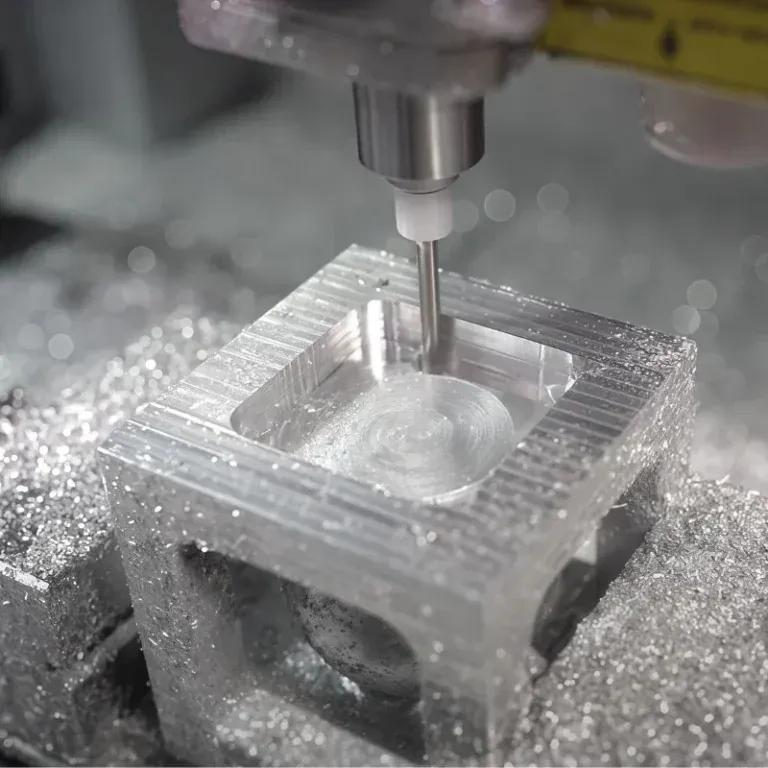
Aluminum alloys, stainless steel, and engineering plastics can be selected according to the operating environment for lightweight, high-strength, corrosion-resistant, insulating, and guiding applications in automated production line parts, helping extend service life.
| Machining Requirement | Recommended Machining Method | Common Parts |
| High-precision assembly | CNC precision milling | Positioning bases, connectors |
| Lightweight design | Aluminum CNC machining | Brackets, mounting plates |
| High-strength requirements | Stainless steel/alloy steel machining | Transmission parts, fastening components |
| Rapid development | CNC rapid prototyping | Non-standard prototypes |
| Batch production support | Standardized CNC production | OEM production line parts |
Different materials and machining methods can be flexibly matched according to part function, operating environment, and project volume, balancing machining precision, structural performance, and manufacturing cost.
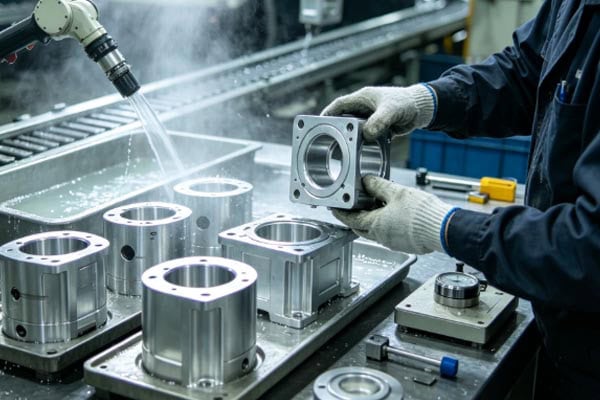
How Does CNC Machining Improve Automated Production Line Manufacturing Efficiency?
For automation equipment companies, machining efficiency affects not only part costs but also the delivery schedule of the entire production line.
Shorten Equipment Development and Debugging Time
During the development stage of automation projects, part structures often need to be modified. Traditional machining methods may be limited by molds or processes, resulting in longer waiting times.
- CNC machining programs can be quickly adjusted according to updated drawings.
- After prototype machining is completed, the parts can be directly assembled and tested on the equipment.
- Once the design is verified, production can continue into small-batch or mass production.
A continuous manufacturing model from prototyping to mass production helps reduce project waiting time.
Improve Batch-to-Batch Part Consistency
Production lines typically require multiple identical parts, making batch consistency extremely important.
- CNC programs can reduce variations caused by manual operations.
- Fixed machining parameters help maintain dimensional stability across different batches.
- Key dimensional inspections reduce the risk of nonconforming parts entering the assembly process.
Stable batch machining capabilities help automation equipment companies reduce rework and debugging costs.
Control Overall Manufacturing Costs
Automation projects often involve multiple part types, small batches, and customized requirements. Choosing an appropriate manufacturing method is more important than simply pursuing the lowest unit price. CNC machining does not require dedicated molds for each type of part, making it suitable for non-standard equipment parts, R&D prototypes, and small- to medium-batch orders. Through optimized material nesting, tool paths, and process planning, material waste and machining time can also be reduced.
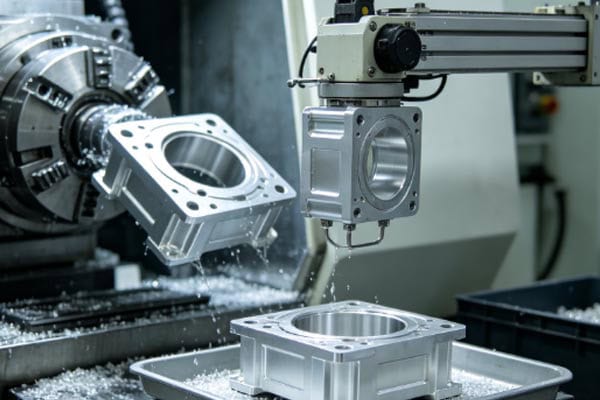
Common Machining Applications for Automated Production Line Parts
CNC precision machining can cover multiple mechanical structures and functional modules in automated production lines.
Conveyor and Positioning System Parts
Conveyor systems must reliably move and position products, so related parts must provide excellent dimensional consistency.
- Can machine guide rail bases, mounting brackets, positioning blocks, and other components.
- Supports customized dimensions for production lines of different specifications.
- Precision machining of critical mating surfaces improves assembly performance.
High-quality conveyor components help production lines maintain a stable operating rhythm.
Robot and Robotic Arm Structural Components
Industrial robots, robotic arms, and grippers require both lightweight construction and structural precision.
- Supports the machining of robotic arm connectors, mounting bases, and gripper components.
- Aluminum alloys, stainless steel, and other materials can be selected according to load and motion requirements.
- Complex structures can be machined using multi-axis CNC equipment.
Precise and well-designed structures help improve the positioning and motion performance of robotic arms.
Tooling, Fixtures, and Inspection Components
Tooling and fixtures in automated production lines directly affect product positioning and machining quality.
- Supports customized machining of fixture bases, locating pin seats, clamping components, and other parts.
- Part structures can be quickly modified according to product updates.
- Suitable for R&D stages and production line modification projects.
Flexible fixture part manufacturing enables companies to respond more quickly to production requirements.
How to Choose a Supplier for Automated Production Line Parts Machining?
A machining supplier should not only have production capabilities but also understand the practical requirements of automation projects regarding precision, lead time, and part compatibility.
Evaluate Machining Equipment and Technical Capabilities
It is important to determine whether the supplier has the equipment and experience required to process complex automation parts.Three-axis, four-axis, and five-axis CNC machining capabilities can cover parts with different levels of complexity. The supplier should also have experience machining common materials such as aluminum alloys, stainless steel, and engineering plastics.The more comprehensive the technical capabilities, the easier it is to maintain stable delivery when handling non-standard parts and complex drawings.
Evaluate Quality and Delivery Management
It is also important to determine whether the supplier can ensure both machining quality and delivery efficiency.
- Has a comprehensive dimensional inspection process.
- Can arrange production according to project milestones.
- Supports mass production after sample approval.
Reliable quality and delivery management help reduce the risk of delays in automated production line projects.
Determine Whether One-Stop Manufacturing Is Available
For automation equipment companies, communication costs can be high if part machining, surface treatment, and mass production must be handled by separate suppliers. Suppliers that provide DFM analysis, CNC machining, surface treatment, and subsequent mass production are more suitable for long-term project cooperation. Complete manufacturing services can reduce supply chain steps and help automation equipment projects progress more smoothly.
Through appropriate machining processes, material selection, and quality inspection, automated equipment parts can meet assembly requirements while balancing service life and manufacturing costs. Whether for conveyor system components, robot structural parts, tooling and fixtures, or inspection components, TiRapid can provide customized CNC machining services based on customer drawings and 3D models, supporting rapid prototyping, small-batch production, and subsequent mass production.