Communication equipment generates heat during continuous operation, especially 5G base stations, wireless communication modules, network switches, data transmission terminals, RF equipment, and communication power supplies. Internal electronic components need to operate within a suitable temperature range to maintain stable performance. Heat dissipation structural components typically include heat sinks, thermal base plates, heat-conductive housings, cooling fins, mounting brackets, thermal connection components, and metal parts with complex cooling channels. These components provide mechanical support while also transferring and releasing heat efficiently, creating strict requirements for thermal conductivity, dimensional accuracy, surface quality, and installation precision.
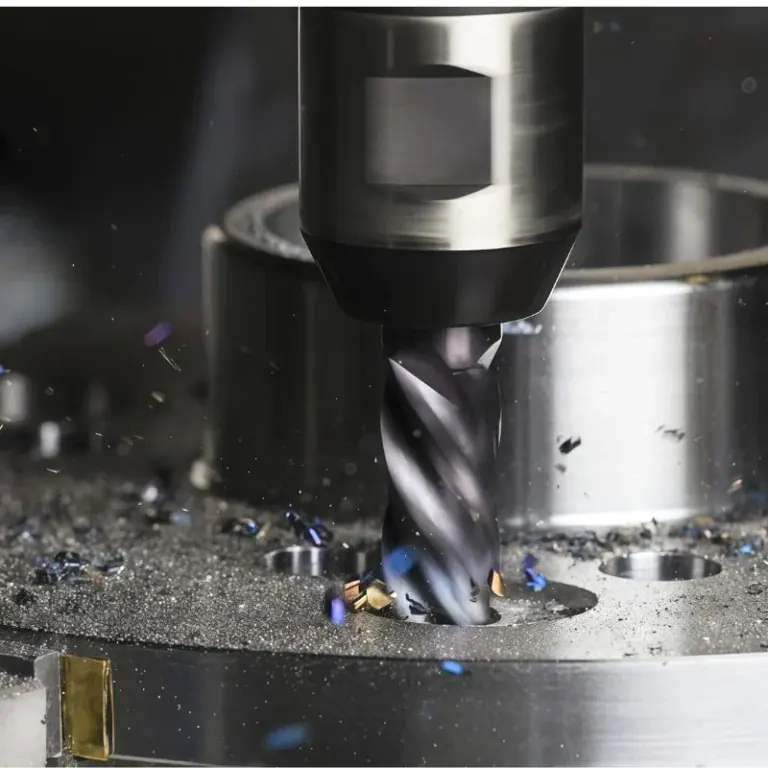
Precision CNC machining can manufacture aluminum alloy, copper alloy, stainless steel, and other metal components according to 3D models and engineering drawings. CNC turning, milling, drilling, tapping, boring, and precision finishing can be combined with dedicated processes for thin walls, deep grooves, dense cooling fins, and complex mounting holes. This approach enables heat dissipation components to achieve a balanced combination of lightweight construction, high thermal conductivity, dimensional accuracy, and reliable assembly.
CNC Machining Technology and Manufacturing Advantages for Communication Equipment Heat Dissipation Components
Heat dissipation components for communication equipment often feature large machining surfaces, numerous cooling grooves and mounting holes, as well as thin-wall structures designed to reduce overall weight. Improper workholding, cutting tools, or machining parameters may result in vibration, deformation, burrs, and dimensional deviations, which can affect the contact between the heat sink and electronic modules. Precision CNC machining uses digitally controlled tool paths to accurately manufacture cooling surfaces, mounting surfaces, holes, and grooves while controlling thermal and mechanical deformation through an appropriate machining sequence.
For communication equipment produced in batches, CNC programs can be standardized and managed to maintain consistent dimensions between components of the same model. During the development of new communication products, CNC machining can also rapidly produce heat dissipation prototypes. The structure can then be modified according to temperature-rise tests and assembly results. Combined with appropriate surface treatment, precision machining can further improve corrosion resistance, surface stability, and long-term performance.
Precision CNC Machining Processes for Communication Heat Dissipation Components
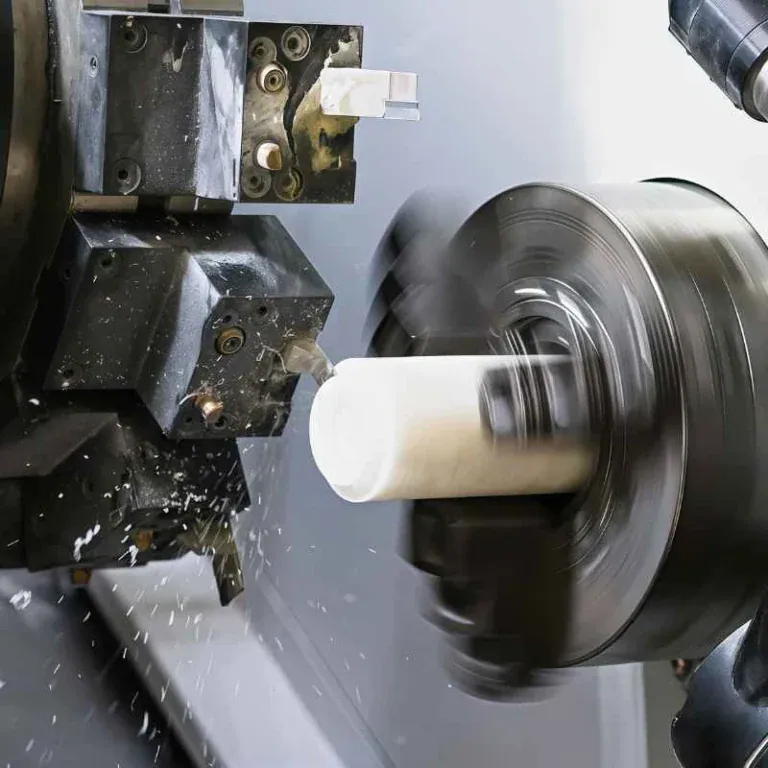
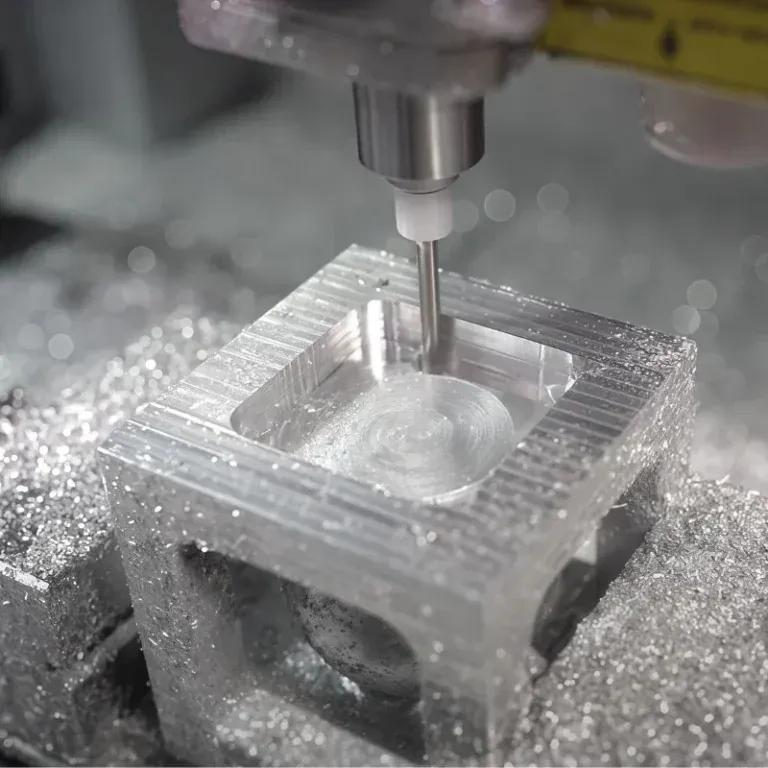
CNC machining processes should be selected according to the geometry of each heat dissipation component. Large thermal base plates are generally machined primarily through milling, using precision planar machining to establish a stable mounting reference. Dense cooling fins require small-diameter cutting tools and controlled tool paths, while complex housings may require a combination of drilling, boring, and threading operations.
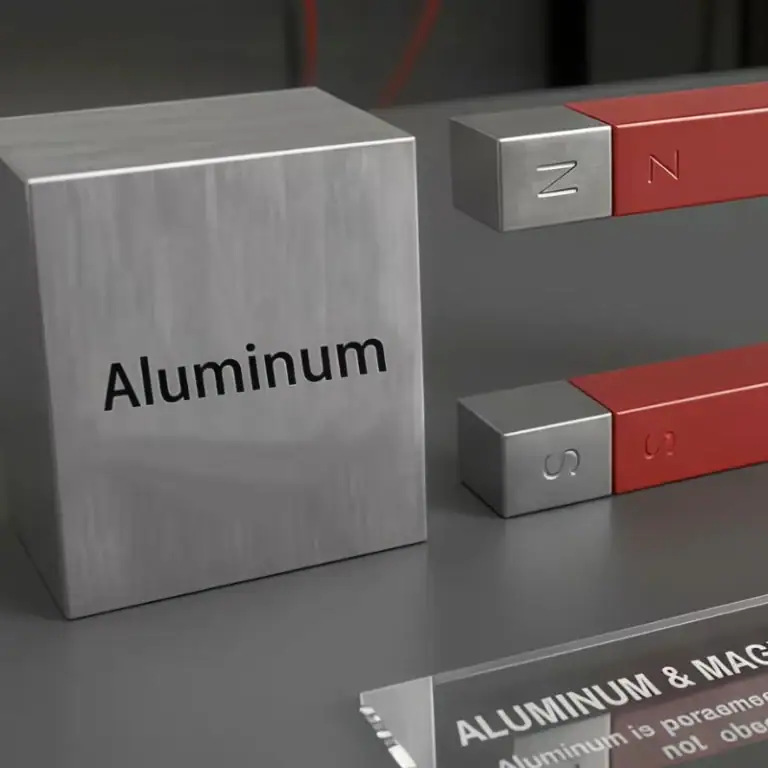
Aluminum alloy heat sinks generally offer good machinability and can be processed at relatively high cutting speeds, but thin walls and fine cooling fins require reduced cutting loads. Copper alloys provide excellent thermal conductivity but can be relatively soft and prone to tool adhesion, requiring appropriate cutting tools and cooling methods. Critical mounting surfaces may require dedicated finishing operations to control flatness and surface roughness, allowing the heat dissipation component to maintain effective contact with chips, modules, or other heat-generating components.
CNC Machining Workflow for Communication Heat Dissipation Components
The quality of heat dissipation components is closely related to the stability of the machining workflow. Communication equipment usually has a compact internal structure, and the installation position of a heat sink is restricted by electronic components, circuit boards, and housing structures. Machining must therefore consider both dimensional accuracy and assembly relationships. A well-planned workflow can reduce repeated positioning and improve control over critical dimensions.
- Engineering drawing verification: Check overall dimensions, groove width, groove depth, hole positions, mounting surfaces, tolerances, and surface roughness requirements.
- Material selection and preparation: Select aluminum alloy, copper alloy, or other metal materials according to thermal conductivity, weight, strength, and operating conditions.
- Machining datum establishment: Select stable reference surfaces for workholding to maintain consistent positioning of holes and heat dissipation structures.
- Rough machining: Remove most of the material efficiently while leaving an appropriate allowance for finishing.
- Heat dissipation structure machining: Produce cooling fins, cooling grooves, thermal contact surfaces, and internal cooling channels.
- Hole and thread machining: Manufacture mounting holes, positioning holes, counterbores, and threaded connection structures.
- Precision finishing and deburring: Improve dimensional accuracy and surface quality while removing burrs from grooves and holes.
- Final inspection: Verify critical dimensions, hole spacing, flatness, groove structures, and surface quality according to drawing requirements.
A standardized machining workflow helps reduce deformation and dimensional fluctuations during production, providing stable metal heat dissipation components for communication equipment assembly.
Common Materials and Performance of Heat Dissipation Components
Material selection directly affects the thermal conductivity, weight, and mechanical strength of communication equipment heat dissipation components. Aluminum alloys are widely used because they combine relatively low weight, good thermal conductivity, and efficient machinability. Copper and copper alloys provide higher thermal conductivity and are suitable for applications requiring efficient heat transfer. Stainless steel and other specialized materials can also be selected when structural strength and environmental resistance are more important.
| Material | CNC Machining Characteristics | Common Components | Main Performance |
| Aluminum Alloy | Easy to machine and suitable for high-speed milling | Heat sinks, thermal base plates, housings | Lightweight, thermal conductivity, corrosion resistance |
| Copper | High thermal conductivity but requires control of tool adhesion | Thermal base plates, heat transfer components | High thermal conductivity, thermal stability |
| Brass | Stable machinability and suitable for precision holes and threads | Thermal connectors, mounting components | Thermal conductivity, wear resistance, machinability |
| Stainless Steel | High strength and relatively high machining loads | Support components, specialized thermal structures | Corrosion resistance, high strength |
| Aluminum-Magnesium Alloy | Lightweight but requires careful thin-wall machining | Lightweight communication housings | Low weight, moderate strength |
Selecting a material according to the thermal load and installation environment helps maintain an appropriate balance between thermal performance, structural strength, and component weight.
Machining Cooling Fins, Channels, and Mounting Holes
Cooling fins are important structural features used to increase the effective heat dissipation area. Fin spacing, depth, height, and arrangement all affect airflow and heat release. CNC milling can manufacture straight fins, stepped fins, and specialized fin profiles according to 3D models. For components with thin fins, cutting forces must be carefully controlled to prevent bending or breakage during machining.
Heat dissipation components also commonly contain thermal contact surfaces, bolt holes, positioning holes, and counterbores. Thermal contact surfaces need good flatness and surface quality to reduce contact thermal resistance between the heat sink and heat-generating module. Mounting holes must maintain accurate positional relationships to prevent installation offset. For communication equipment housings requiring sealing, sealing groove dimensions and surface quality must also be carefully controlled.
Applications, Functions, and Performance of Communication Equipment Heat Dissipation Components
As the power density of communication equipment continues to increase, heat dissipation structures have evolved from simple metal support components into important parts of thermal management systems. 5G communication base stations, RF equipment, network switches, routers, optical communication equipment, and industrial communication terminals can all require specialized heat dissipation structures. CNC machining can manufacture customized thermal components according to equipment dimensions, heat source locations, and mounting configurations, allowing metal structures to integrate accurately with electronic systems.
Communication equipment heat dissipation components are responsible not only for transferring heat but also for supporting mounting structures, resisting bolt clamping forces, and withstanding vibration and long-term environmental changes. Outdoor communication equipment may also be exposed to rain, humidity, salt spray, and temperature fluctuations. Precision machining combined with anodizing, coating, or other surface treatments can improve the environmental resistance of structural components.
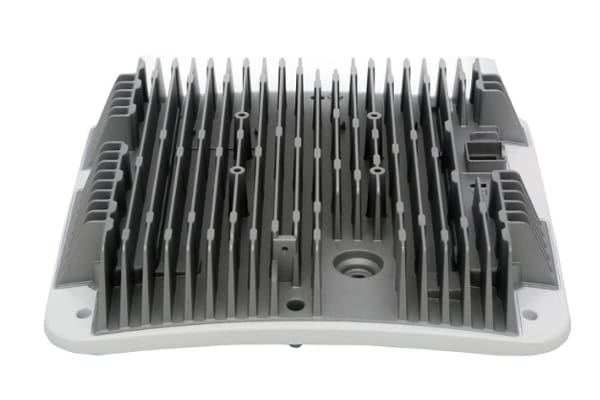
Heat Dissipation Components for 5G Base Stations and Wireless Communication Equipment
5G base stations typically operate with relatively high data-processing and RF workloads, causing power devices to generate continuous heat. Heat sinks, thermal base plates, and metal housings need to transfer heat rapidly from chips, power amplifier modules, and other heat-generating areas toward external cooling structures.
CNC machining can manufacture base station heat dissipation components with complex mounting holes and dense cooling grooves. Machining must carefully control the flatness of mounting surfaces and hole-position accuracy to ensure stable contact between the thermal component and electronic module. For outdoor base stations, anodizing and other surface treatments can be applied to aluminum alloy heat dissipation structures to improve corrosion resistance.
Heat Dissipation Components for Network Switches and Data Communication Equipment
Network switches, routers, and data transmission equipment also generate heat during continuous operation. Their cooling structures need to provide a large effective heat dissipation area within limited equipment space, resulting in relatively dense cooling fins and thermal base plates.
CNC machining can manufacture customized heat sinks according to internal equipment layouts while precisely controlling threaded holes, positioning holes, mounting steps, and electronic module contact surfaces. For rack-mounted equipment, standardized machining processes can maintain consistent mounting dimensions across different production batches, simplifying assembly and maintenance.
Heat Dissipation Structures for Optical Communication and Communication Power Equipment
Optical communication modules, fiber transmission equipment, and communication power supplies may contain power devices, control modules, and conversion components. Some power modules require efficient thermal transfer, while optical communication equipment places greater emphasis on compact structures and temperature stability. Different thermal base plates, heat dissipation housings, and heat transfer connectors can be designed according to the specific equipment requirements.
Precision CNC machining can manufacture these components according to available internal space, ensuring accurate compatibility with circuit boards, chips, connectors, and equipment housings. For communication modules requiring frequent replacement, precision positioning structures and standardized interfaces can also be incorporated to improve maintenance efficiency.
Functional and Performance Requirements for Communication Heat Dissipation Components
Heat dissipation structural components need to perform several functions, including heat transfer, structural support, equipment protection, and installation positioning. A high-quality thermal component requires not only good thermal conductivity but also stable dimensions and sufficient mechanical strength. Machining quality directly affects thermal contact, fin integrity, and equipment installation accuracy.
| Performance Indicator | Main Requirement | Function in Communication Equipment |
| Thermal Conductivity | Material provides efficient heat transfer | Rapidly removes heat from electronic components |
| Dimensional Accuracy | Critical dimensions remain within specified tolerances | Ensures accurate equipment assembly |
| Flatness | Thermal mounting surface remains flat | Reduces contact thermal resistance |
| Fin Accuracy | Groove width, depth, and height remain consistent | Increases effective heat dissipation area |
| Mechanical Strength | Meets mounting and operating loads | Maintains structural stability |
| Corrosion Resistance | Suitable for humidity, salt spray, and other conditions | Extends outdoor equipment service life |
| Surface Quality | Minimizes burrs and machining defects | Improves assembly and operational reliability |
These performance requirements are achieved through the combined use of appropriate materials, precision CNC machining, surface treatment, and quality inspection.
Custom CNC Machining and Quality Control for Communication Equipment Heat Dissipation Components
Communication products are updated frequently, and different equipment models often have different internal spaces and thermal management requirements. CNC custom machining does not rely on complex molds and can produce heat dissipation components based on 2D drawings, 3D CAD models, or physical samples. For R&D companies, CNC machining can be used for prototype heat sink production, while standardized programs and fixtures can improve production efficiency for larger orders.
The reliability of heat dissipation components depends not only on final dimensions but also on tool condition, workholding stability, and inspection methods during machining. Dense cooling fins, thin-wall housings, and large thermal base plates require dedicated process planning. Combining in-process inspection with final inspection can identify dimensional changes early and reduce production abnormalities.
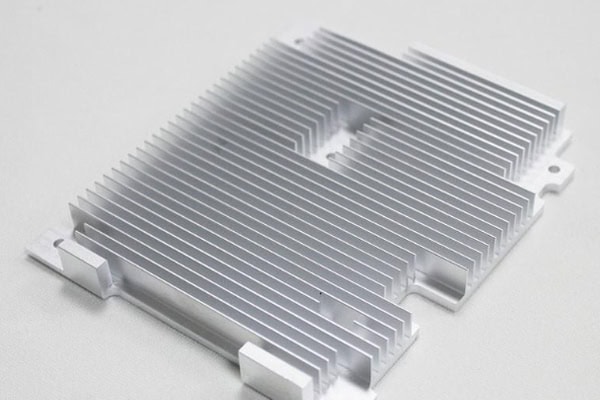
How CNC Machining Improves Heat Dissipation Component Precision
Heat dissipation components often contain numerous small grooves and precision mounting structures. Machining accuracy directly affects thermal performance and final assembly. Optimizing tool paths, workholding methods, and machining sequences can reduce vibration in thin-wall structures and deformation in large components.
- Optimize machining datums: Select stable reference surfaces to reduce positional deviations caused by repeated setups.
- Control fin machining parameters: Adjust feed rates and cutting depths according to fin thickness to reduce the risk of fin breakage.
- Reduce thermal deformation: Arrange roughing and finishing operations appropriately and use suitable cooling methods.
- Improve hole-position accuracy: Use precision drilling and boring to control the positional relationships of mounting holes.
- Improve thermal contact surface quality: Apply finishing operations to critical contact surfaces to control flatness and surface roughness.
- Strengthen dimensional inspection: Conduct in-process sampling and final inspection of critical dimensions to maintain batch consistency.
Detailed machining control helps communication equipment heat dissipation components achieve more stable dimensions, complete fin structures, and reliable equipment assembly.
Surface Treatment and Application Methods for Communication Heat Dissipation Components
After CNC machining, heat dissipation components can receive suitable surface treatments according to the operating environment of the communication equipment. Aluminum alloy heat sinks are commonly anodized to improve surface corrosion resistance, while certain products may receive painting or other protective treatments. For thermal contact surfaces requiring efficient heat transfer, the appropriate metallic contact condition should be maintained according to the equipment design.
During installation, the heat dissipation component should maintain effective contact with the heat-generating module. Thermal pads, thermal grease, or other thermal interface materials can be used according to the design requirements. Bolts should be tightened with an appropriate force to prevent excessive local stress from deforming thin-wall cooling structures. After the equipment enters service, cooling passages should also be inspected periodically for dust accumulation to maintain airflow and heat release efficiency.
Quality Inspection and Custom Manufacturing Services for Communication Heat Dissipation Components
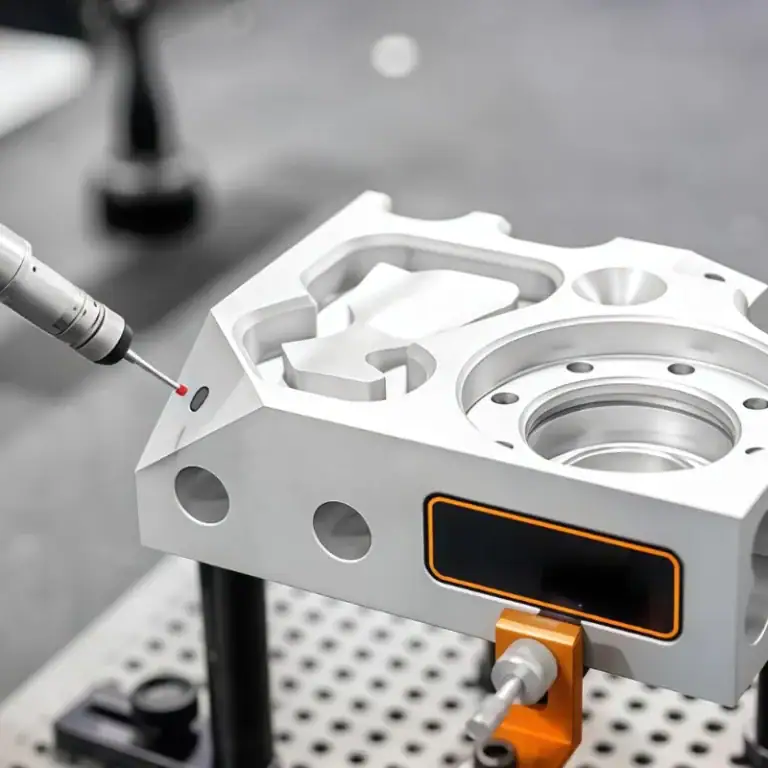
Inspection of heat dissipation components includes overall dimensions, mounting hole positions, fin dimensions, thermal surface flatness, groove structures, thread accuracy, and surface quality. For precision communication modules, coordinate measuring machines can be used to verify critical hole positions and spatial dimensions. For large thermal base plates, flatness and thickness variations require particular attention.
CNC custom manufacturing services can produce components based on customer CAD drawings, 3D models, physical samples, and material requirements. For prototype orders, the focus can be placed on R&D validation and assembly testing. For volume production, stable machining programs, dedicated fixtures, and standardized inspection procedures can improve product consistency. Deburring, cleaning, anodizing, painting, and packaging can also be integrated to establish a complete manufacturing process for communication equipment heat dissipation components.
High-precision CNC machining of communication equipment heat dissipation structural components requires a balanced approach to thermal performance, mechanical structure, machining accuracy, and long-term reliability. Through appropriate selection of aluminum alloys, copper alloys, and other materials, combined with precision milling, drilling, boring, and threading, manufacturers can produce heat sinks, thermal base plates, heat dissipation housings, cooling fins, and customized thermal management components.
For 5G base stations, wireless communication equipment, network switches, optical communication systems, and communication power supplies, CNC custom machining can adapt component structures to actual installation spaces and thermal loads. This provides communication equipment manufacturers with stable, efficient, and reliable heat dissipation structural components.