The iteration speed of consumer electronics products is accelerating. From smartphones and wearable devices to portable terminals, users’ expectations for appearance, performance, and user experience continue to rise. As a core part of the entire device, structural components directly affect design quality, assembly accuracy, and product reliability. Under the demands of lightweight design, complex structures, and rapid development, traditional manufacturing methods can no longer fully meet production requirements. CNC precision machining, with its high-precision control, flexible production capabilities, and multi-material adaptability, provides an efficient and stable manufacturing solution for consumer electronics structural parts.
Why Do Consumer Electronics Products Need CNC Precision Machining?
Consumer electronics structural parts are typically compact in size, strict in appearance requirements, and highly integrated in functionality. Machining accuracy directly determines the final product quality.
Enabling Complex Structural Designs
As products evolve toward thinner profiles and multifunction integration, structural complexity has significantly increased.
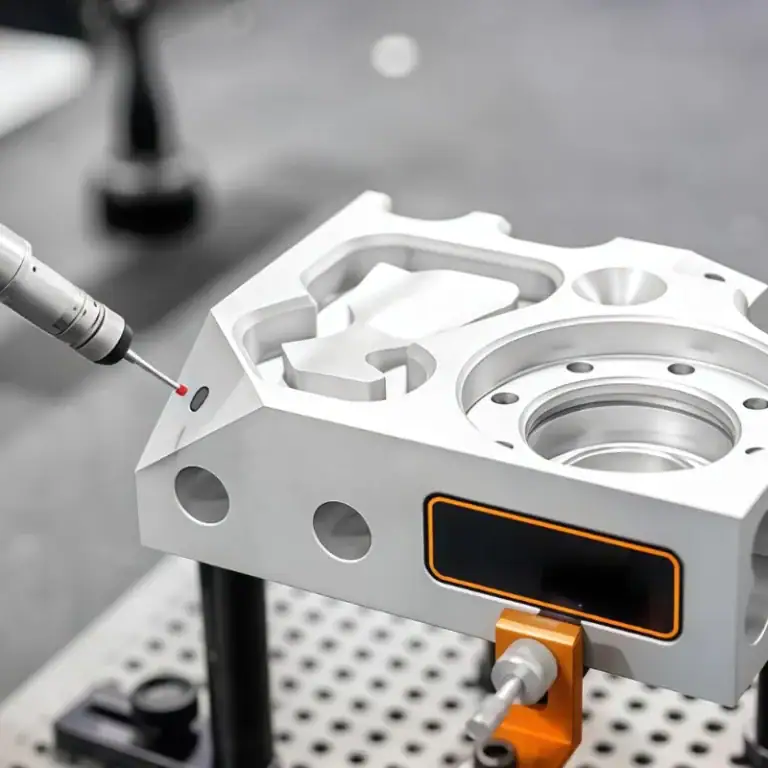
- CNC machining enables high-precision features such as micro-holes, fine grooves, and complex curved surfaces.
- Multi-axis machining is suitable for highly complex geometric parts.
- Direct manufacturing based on 3D models reduces deviations between design and production.
High-precision manufacturing ensures complex designs can be reliably realized.
Improving Appearance Consistency and Assembly Experience
Consumer electronics not only focus on performance but also emphasize visual quality and user experience.
- Ensures dimensional consistency of housings and structural parts, improving assembly fit.
- Precision surface finishing supports processes such as sandblasting and anodizing.
- Reduces assembly errors and improves overall assembly efficiency.
Stable machining quality helps enhance overall product refinement.
Adapting to Diverse Material Requirements
Different electronic products require different material properties, so the manufacturing system must be highly adaptable. Aluminum alloys are commonly used for lightweight housings and heat dissipation structures, stainless steel is suitable for high-strength and wear-resistant components, while engineering plastics are often used for insulation and functional support structures. Therefore, a manufacturing solution with multi-material machining capability can better cover a wide range of consumer electronics applications.
| Product Requirement Type | Machining Method | Application Example |
| Lightweight structure | Aluminum CNC machining | Smartphone mid-frame, housing |
| High-precision assembly | CNC precision machining | Internal support parts |
| Rapid validation | CNC rapid prototyping | R&D prototypes |
| Complex geometry | Multi-axis machining | Curved surface parts |
| Small-batch production | Flexible manufacturing | Custom electronic products |
How Does CNC Precision Machining Improve Manufacturing Efficiency?
In the highly competitive consumer electronics market, production efficiency and response speed are equally critical.
Shortening Product Development Cycles
Frequent product updates require fast prototype validation. CNC machining can quickly produce parts directly based on design data. Structural adjustments do not rely on mold development, and small-batch prototyping is supported during the R&D stage, significantly accelerating product validation.
Improving Mass Production Stability
Once in mass production, consistency becomes a key metric.
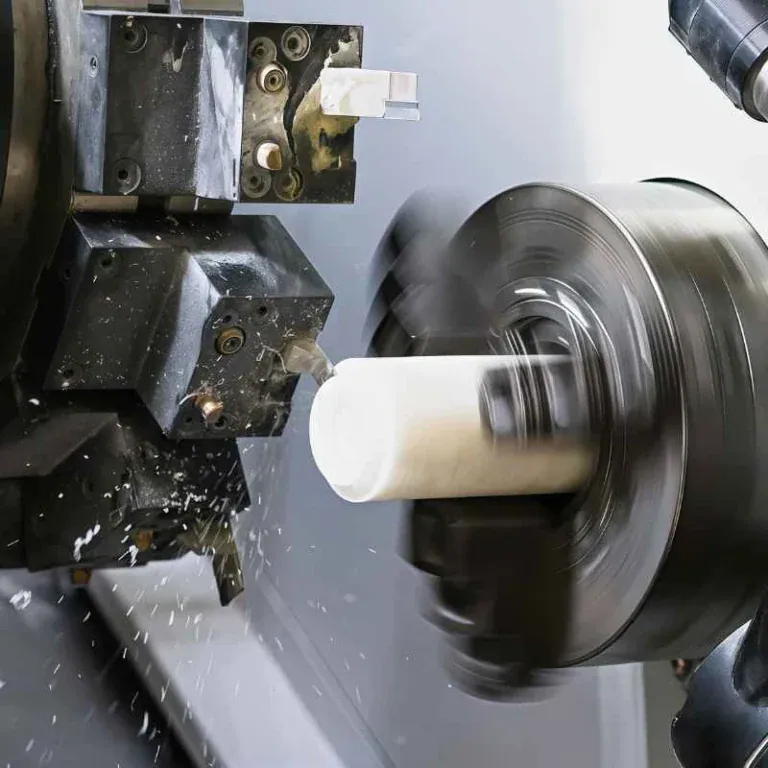
- CNC program control reduces human error.
- Standardized processes ensure batch stability.
- Precision inspection ensures consistency of critical dimensions.
Stable output capability helps reduce rework and assembly issues.
Reducing Overall Manufacturing Costs
A well-optimized machining approach can improve overall cost structure.
- No need for complex mold investment, suitable for multi-stage production.
- High material utilization reduces waste.
- Flexible scheduling adapts to different order requirements.
This improves cost efficiency while maintaining quality.

Typical Applications of CNC Machining in Consumer Electronics
Consumer electronics products vary widely, and different applications have different requirements for structural components.
Smart Device Housings and Structural Parts
Smartphones, tablets, and wearable devices require high standards in appearance and precision.
- Machining of metal housings, mid-frames, and internal support structures.
- Meets both lightweight and high-strength requirements.
- Surface finishing enhances overall product texture.
Precision machining helps achieve premium visual quality.
Functional Components for Smart Hardware
Smart home and portable devices often require customized structural parts, including brackets, connectors, and functional modules. CNC machining supports multi-spec and multi-structure designs and adapts to rapid product iteration, significantly improving development efficiency through flexible manufacturing capabilities.
Heat Dissipation and Performance-Related Components
As electronic performance improves, heat dissipation requirements increase, making precision manufacturing of related parts essential.
- Supports machining of heat sinks and thermal conductive structures.
- Ensures precise fit with internal components.
- Improves device operational stability.
High-precision structural manufacturing helps electronic devices achieve better performance.
How to Choose a CNC Machining Supplier?
The right partner has a direct impact on product quality and delivery efficiency.
Evaluate Machining Capabilities
Consumer electronics structural parts require high machining precision.
- Availability of multi-axis CNC equipment.
- Experience with various metals and plastics.
- Capability to handle complex structural designs.
Machining capability determines the final product outcome.
Check Quality Management System
Stable quality control is the foundation of electronics manufacturing.
- Standardized inspection processes.
- Strict control of critical dimensions.
- Consistency between prototypes and mass production.
A robust system reduces production risks and improves delivery stability.
Integrated Service Capability
An efficient supply chain helps accelerate project execution.
- Provides DFM optimization suggestions.
- Supports surface finishing and post-processing.
- Covers the full process from prototyping to mass production.
Integrated services improve overall collaboration efficiency by combining design, machining, and inspection, further shortening delivery cycles.
The consumer electronics industry continues to move toward lightweight design, high performance, and personalization, placing higher demands on structural component manufacturing. CNC precision machining, with its high accuracy, fast response, and flexible production advantages, has become a key manufacturing technology. Whether for housings, functional components, or heat dissipation parts, professional machining capabilities can significantly enhance product quality and market competitiveness. TiRapid provides CNC precision machining services for consumer electronics, offering end-to-end manufacturing solutions from rapid prototyping to mass production.