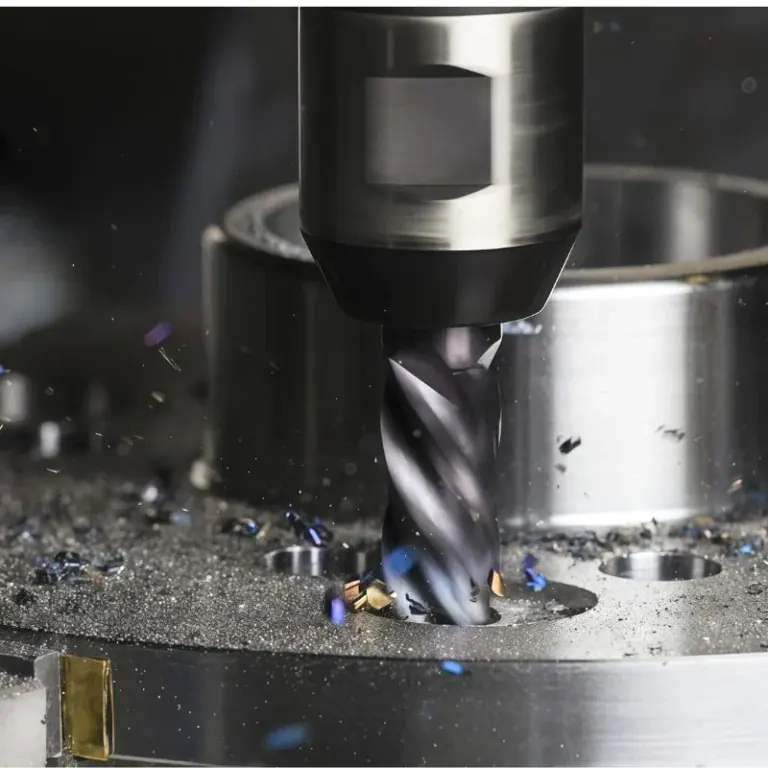
Against the backdrop of continuous upgrades in modern industrial automation, equipment structures are evolving toward higher speed, higher precision, and lighter weight. As the foundation of equipment operation, the machining quality of components directly affects overall performance and service life. Aluminum alloy, with its advantages of low weight, high strength, good corrosion resistance, and excellent machinability, is widely used in structural parts of automation equipment. However, these parts often feature complex geometries, high precision requirements, and tight assembly relationships, making it difficult for traditional machining methods to meet actual needs. With CNC precision machining technology, high consistency and high-efficiency manufacturing can be achieved through digital control, providing reliable production support for aluminum alloy parts in automation equipment.
Why Do Automation Equipment Choose Aluminum Alloy Parts Machining?
Aluminum alloy parts are widely used in automation equipment, covering key areas such as frame structures, motion systems, and functional components. Their machining quality has a significant impact on overall equipment performance.
Meet Lightweight Design Requirements
In high-speed automation equipment, part weight directly affects energy consumption and response speed.
- Aluminum alloy has low density, helping reduce overall structural weight.
- Lightweight design reduces load on drive systems and improves operating efficiency.
- CNC machining enables precise material removal and optimized structural strength distribution.
The combination of material selection and machining methods achieves a balance between performance and weight.
Improve Equipment Operating Stability
Automation equipment must operate continuously for long periods, and part stability determines overall reliability.
- CNC machining ensures dimensional consistency and reduces assembly errors.
- Precision machining improves motion fit and reduces vibration during operation.
- Stable machining quality reduces maintenance requirements.
High-precision aluminum alloy parts help maintain long-term stable operation of automation equipment.
Adapt to Complex Structural Requirements
As automation equipment functions continue to expand, part structures are becoming increasingly complex.
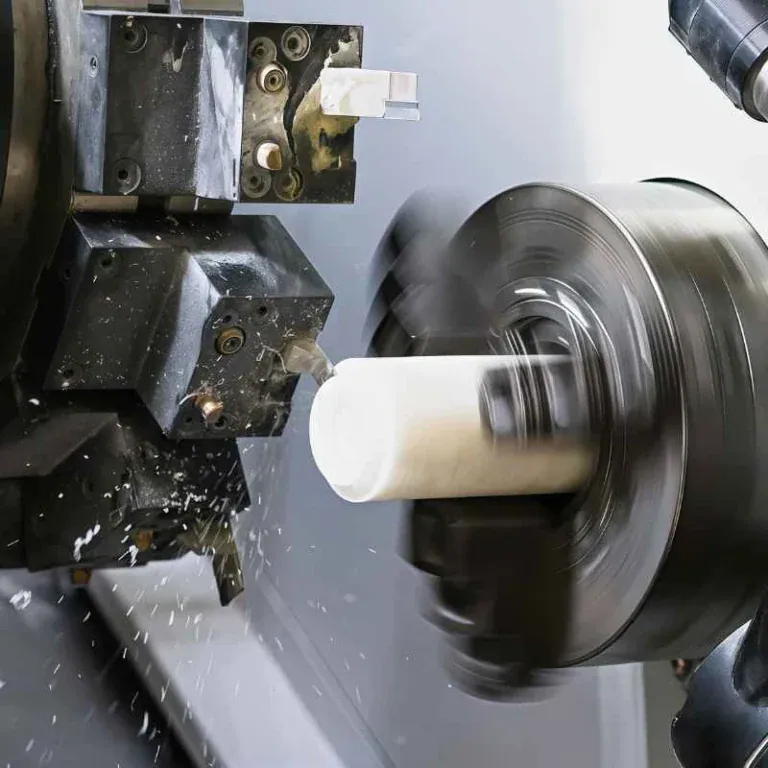
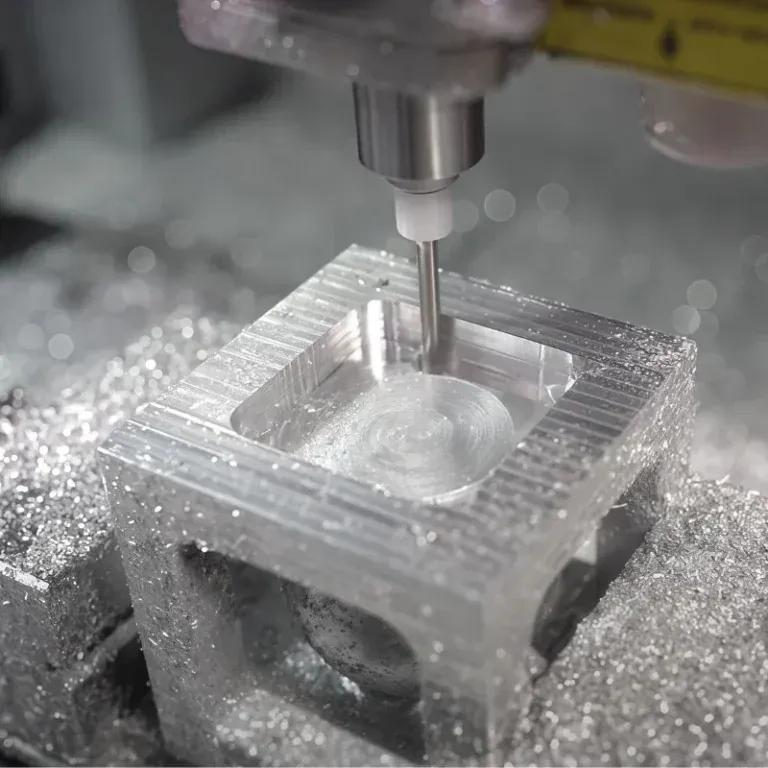
- CNC machining enables thin-wall structures, irregular shapes, and high-precision hole features.
- Multi-axis machining supports complex surfaces and spatial structures.
- Custom production can be quickly achieved based on CAD data.
Flexible machining methods meet diverse design requirements.
| Aluminum Alloy Part Requirements for Automation Equipment | CNC Machining Solutions | Applications |
| Lightweight design | Precision aluminum milling | Brackets, frames |
| High-precision assembly | CNC machining | Positioning parts, connectors |
| Complex structure manufacturing | 3-axis / 5-axis machining | Motion components |
| Rapid product development | CNC rapid prototyping | New equipment validation |
| Custom production | Small-batch machining | Non-standard parts |
How Does CNC Machining Improve Aluminum Alloy Part Manufacturing Efficiency?
In automation equipment manufacturing, both delivery time and machining quality are critical. A well-optimized machining solution can significantly improve overall efficiency.
Accelerate Equipment R&D Progress
The R&D stage often requires frequent design iterations, demanding fast machining response.
- 3D models can be quickly converted into prototypes.
- Design modifications can be rapidly re-machined for validation.
- Seamless transition from prototyping to small-batch production is supported.
Efficient machining capabilities help shorten product development cycles.
Ensure Consistency in Mass Production
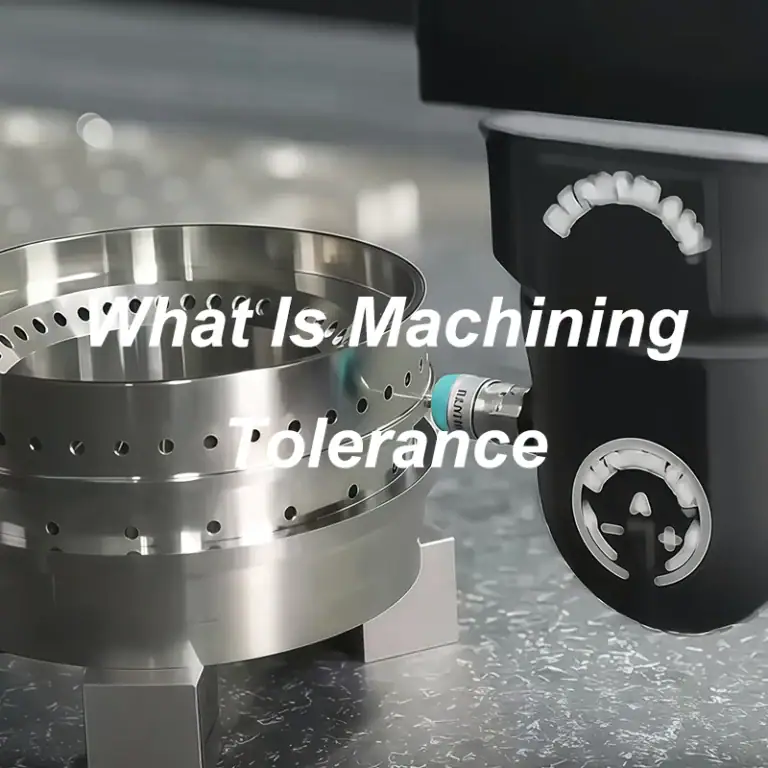
Automation equipment parts require precise matching, making consistency in batch production extremely important. CNC programs reduce variations caused by manual operations, standardized machining processes ensure consistency across different batches, and precision inspection strictly controls key dimensional tolerances. Together, these measures ensure stable and reliable machining quality, ultimately improving overall equipment performance.
Optimize Manufacturing Cost Control
Manufacturing cost is a key factor when companies select machining solutions.
- CNC machining does not require dedicated molds, making it suitable for custom and small-to-medium batch production.
- Precise machining reduces material waste and improves utilization.
- Flexible production models allow companies to adjust procurement plans easily.
A well-optimized machining approach helps reduce overall manufacturing costs.
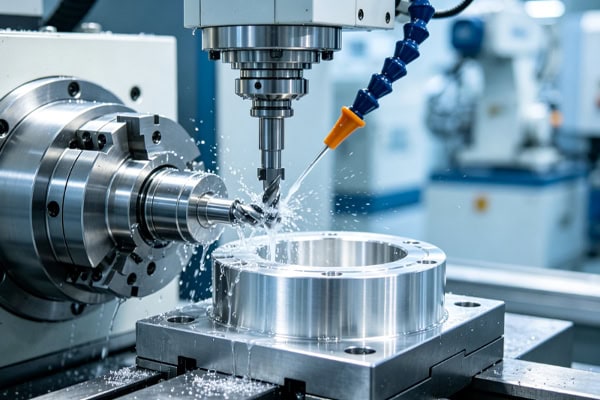
Main Application Scenarios of Aluminum Alloy Parts in Automation Equipment
Thanks to their excellent performance, aluminum alloy parts play an important role in various types of automation equipment.
Automation Production Line Structural Parts
Production line equipment requires stable support structures while maintaining high operational efficiency.
- Machinable parts include equipment frames, conveyor supports, and mounting bases.
- Aluminum alloy reduces equipment weight and facilitates layout adjustments.
- CNC precision machining improves assembly accuracy and system stability.
High-quality structural parts enhance the performance of automation production lines.
Industrial Robot Components
Robotic systems require high speed and precision. Aluminum alloy parts meet lightweight requirements and are used in robotic arm connectors, mounting bases, and motion components. This reduces inertia and improves response speed while meeting complex structural and high-precision fitting requirements. Professional CNC machining helps robotic systems achieve higher performance.
Automated Inspection Equipment Components
Inspection equipment requires stable operation and high part precision.
- Supports machining of inspection fixtures, positioning components, and housings.
- Ensures positional accuracy during inspection processes.
- Suitable for both R&D equipment and mass production systems.
Precision aluminum alloy parts improve the reliability of automated inspection equipment.
How to Choose a Supplier for Automation Equipment Aluminum Alloy Parts Machining?
Selecting the right machining partner is crucial to project success.
Focus on CNC Machining Capability
Automation parts have complex structures, requiring manufacturers with strong technical capabilities.
- Availability of multi-axis CNC machining equipment.
- Familiarity with aluminum alloy machining characteristics.
- Experience in complex part manufacturing.
Strong machining capability ensures parts meet design requirements.
Emphasize Quality Inspection Processes
A robust quality system effectively reduces manufacturing risks.
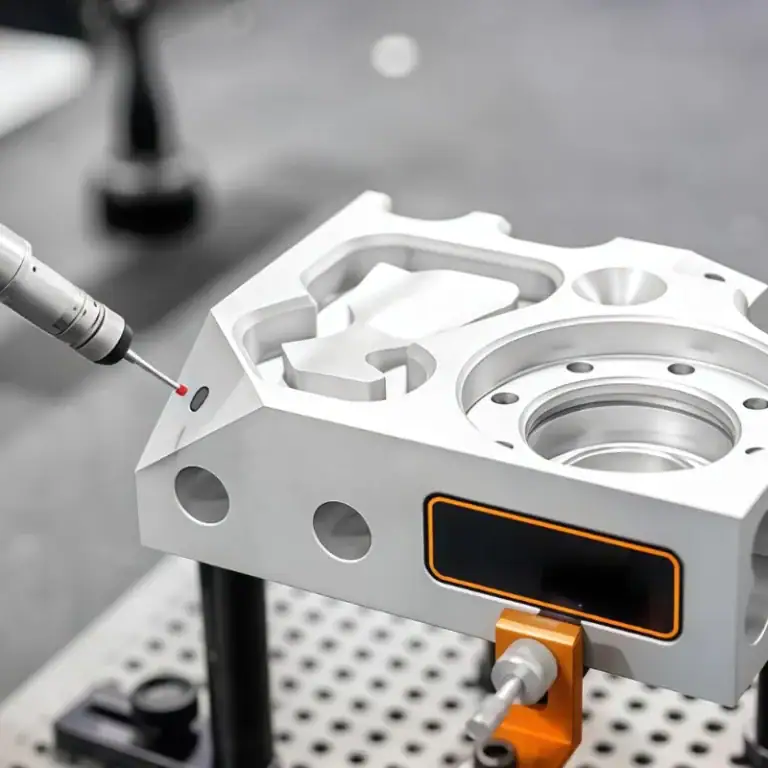
- Use CMM (Coordinate Measuring Machines) for precision inspection.
- Implement process control for key operations.
- Establish full batch traceability systems.
Strict inspection systems help ensure stable delivery quality.
Provide Comprehensive Manufacturing Support
High-quality suppliers typically offer more complete service capabilities.
- Provide DFM (Design for Manufacturability) optimization suggestions.
- Support surface finishing and post-processing services.
- Cover the full process from prototyping to mass production.
Integrated services improve overall project efficiency.
Automation equipment places higher demands on part performance and machining precision. Aluminum alloy, with its comprehensive advantages, has become a key material choice. Through CNC precision machining technology, complex structures can be manufactured with high quality, improving both equipment performance and production efficiency. TiRapid specializes in CNC machining of aluminum alloy parts for automation equipment, providing complete manufacturing support from rapid prototyping to mass production.