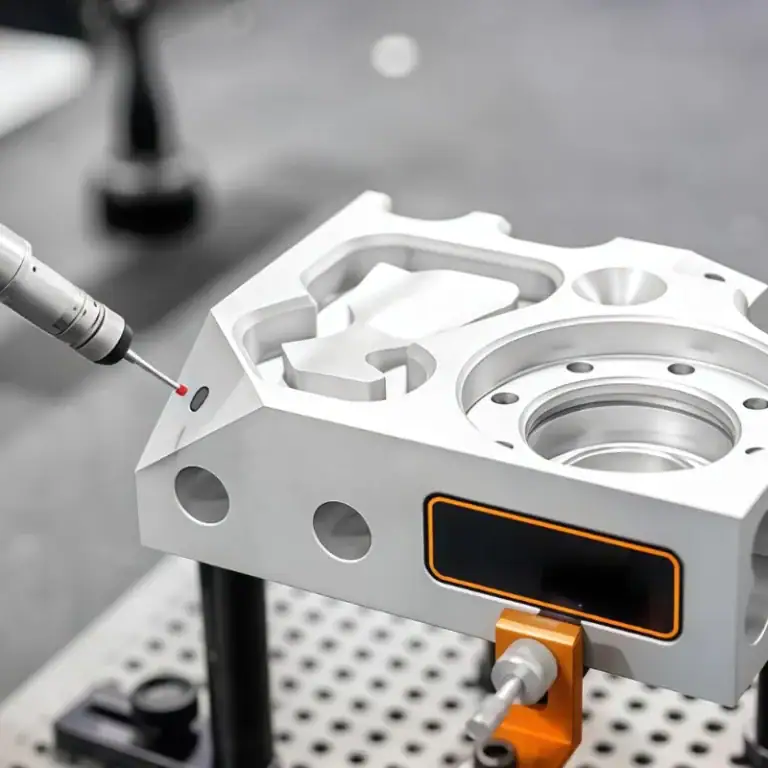
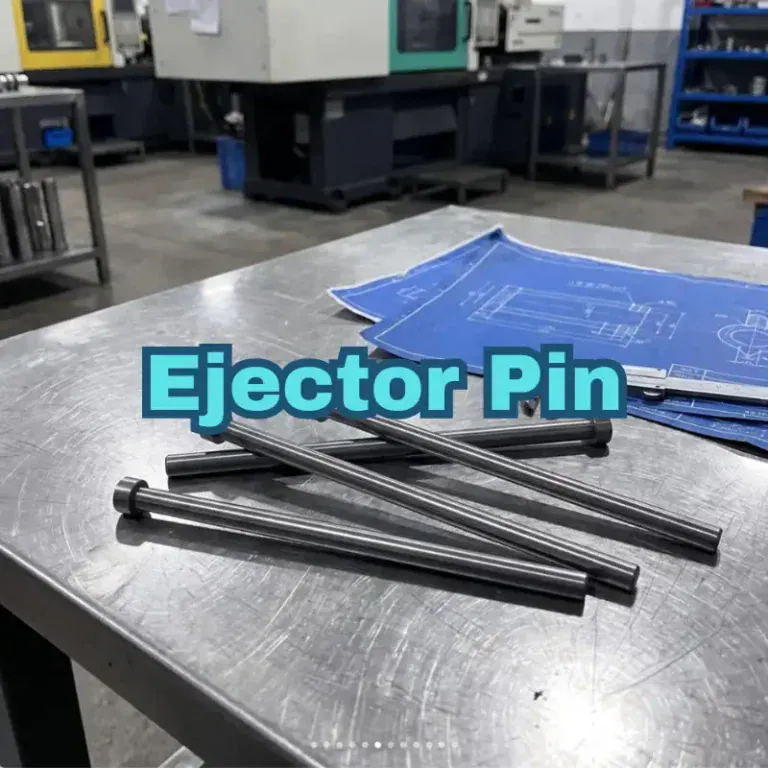
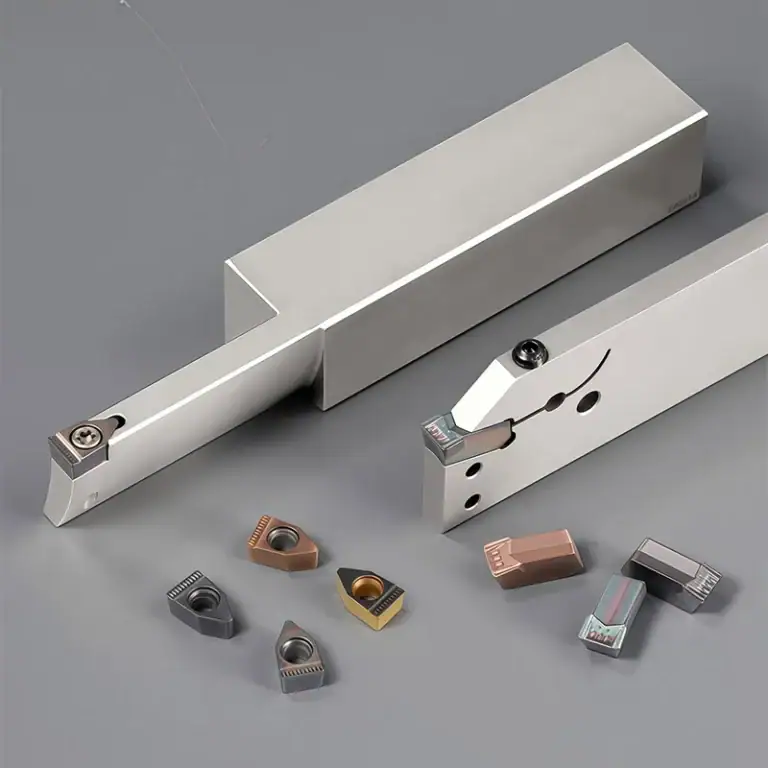
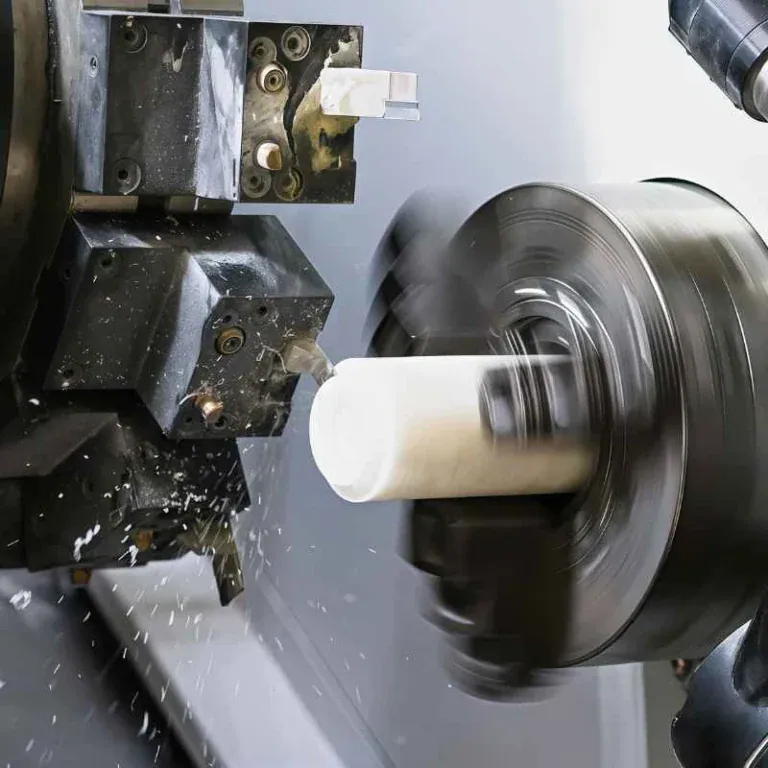
The production of a single chip requires hundreds of complex manufacturing processes, and behind these processes are high-precision semiconductor equipment systems. Every component inside the equipment, even a small one, can affect overall operational stability. As semiconductor manufacturing continues to move toward higher precision, traditional machining methods are often unable to meet the requirements for complex structures, high cleanliness, and long-term reliability. With its advantages in precision control, complex part manufacturing, and flexible production capabilities, CNC machining has become an important solution for semiconductor equipment components, helping manufacturers improve product quality while shortening development and production cycles.
Why Do Semiconductor Equipment Parts Require CNC Machining?
Semiconductor equipment has extremely strict requirements for component manufacturing. Parts must not only meet dimensional accuracy standards but also maintain excellent material performance, surface quality, and long-term operational stability. From wafer manufacturing systems to etching and inspection equipment, internal components often include precision chambers, positioning parts, and support structures. CNC machining uses computer-controlled tool movement to achieve consistent and accurate manufacturing, making it ideal for the semiconductor industry’s requirements for customized, low-volume, and high-precision parts.

Meeting High Precision Requirements for Semiconductor Components
Many semiconductor equipment components require extremely high machining accuracy. Even minor dimensional deviations can affect equipment assembly and operating performance. During wafer processing, positioning accuracy and structural stability directly influence production quality, making reliable precision machining essential.
- Achieve high-precision dimensional control for complex components.
- Reduce accumulated machining errors.
- Maintain consistency during batch production.
- Meet strict assembly tolerance requirements.
CNC machining maintains process stability through programmed control, allowing semiconductor equipment components to achieve higher levels of accuracy and reliability.
Supporting Various Semiconductor Material Machining Needs
Semiconductor equipment components are made from a wide range of materials, and different applications require different material properties. Some parts require corrosion resistance, some need high-temperature resistance, while others require excellent insulation performance. Since different materials have different machining characteristics, processes must be adjusted accordingly.
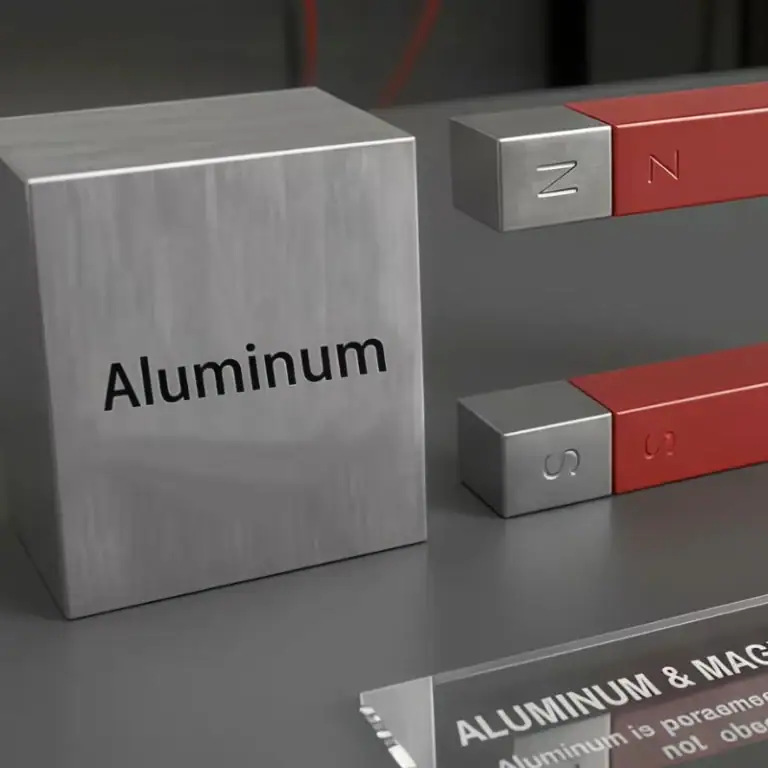
- Aluminum alloys are suitable for lightweight structural components.
- Stainless steel is commonly used for corrosion-resistant parts.
- Titanium alloys are applied to high-performance precision components.
- PEEK, PTFE, and other engineering plastics are used in special environments.
Professional CNC machining can select appropriate tools and machining parameters according to material characteristics, improving part quality and meeting diverse semiconductor equipment requirements.
Manufacturing Complex Structural Components
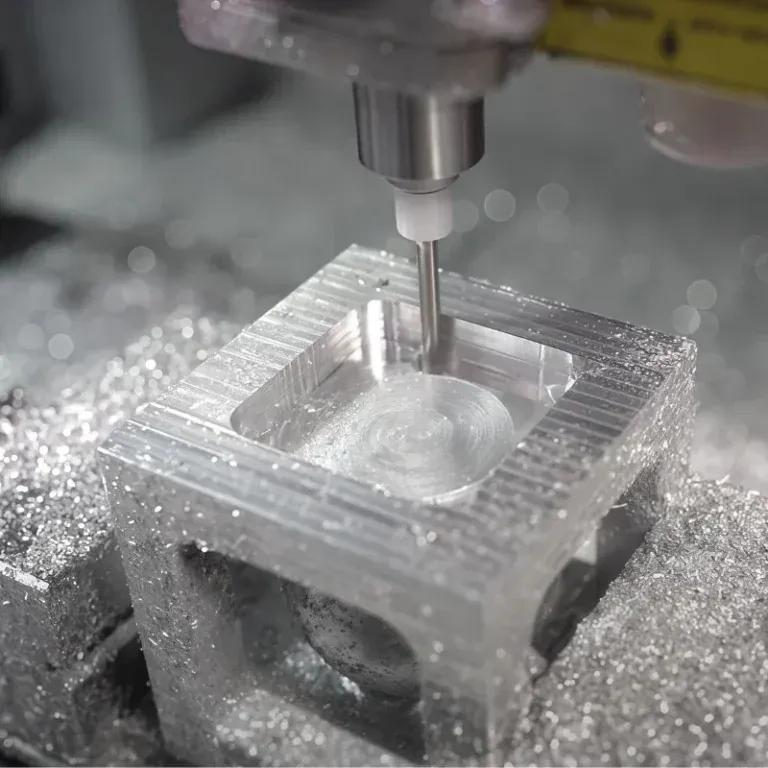
As semiconductor equipment continues to advance, component structures are becoming increasingly complex. Many parts contain deep cavities, narrow grooves, irregular surfaces, and high-precision mounting areas that are difficult to complete with conventional machining methods.
- Support complex chamber structure machining.
- Reduce errors caused by repeated fixturing.
- Improve complex part production efficiency.
- Meet customized design requirements.
Through multi-axis CNC machining technology, manufacturers can produce more complex components while improving overall manufacturing stability.
How Does CNC Machining Improve Semiconductor Equipment Manufacturing Efficiency?
With increasing competition in the semiconductor industry, equipment manufacturers are focusing not only on part accuracy but also on delivery speed and production costs. Since semiconductor equipment components are often customized products, design changes occur frequently, and traditional machining methods may struggle to respond quickly. CNC machining relies on digital manufacturing processes, allowing rapid program adjustments, reduced preparation time, and efficient production of both low-volume and high-precision components. This provides semiconductor equipment manufacturers with a more flexible and efficient manufacturing solution.
Shortening Semiconductor Part Development Cycles
During semiconductor equipment development, manufacturers often need prototype production and design validation. Long machining cycles can slow down the entire development process. CNC machining can directly produce parts based on 3D models and engineering drawings, accelerating the transition from design to physical components.
- Quickly complete prototype machining.
- Support rapid adjustments after design changes.
- Reduce tooling development costs.
- Improve product verification efficiency.
Flexible CNC manufacturing helps companies complete product testing faster and shorten the time required for new equipment development.
Reducing Manufacturing Costs and Improving Efficiency
Although semiconductor components may not require large production quantities, they usually demand extremely high precision. Traditional manufacturing methods can result in higher production costs. CNC machining reduces manual intervention through automation, improving material utilization and minimizing waste during production.
- Reduce human operation errors.
- Lower rework and scrap rates.
- Improve machining efficiency.
- Support low-volume precision manufacturing.
A well-designed CNC machining solution helps companies maintain high-quality standards while controlling manufacturing costs more effectively.
Improving Batch Production Consistency
Semiconductor equipment manufacturing requires excellent part consistency. Components of the same model must maintain stable dimensions and performance. CNC machining can store optimized machining programs, allowing repeated production with high accuracy.
- Maintain stable machining parameters.
- Improve product quality control.
- Simplify batch production management.
Stable manufacturing capabilities help semiconductor equipment companies build a more reliable supply chain.
What CNC Machined Parts Are Commonly Used in Semiconductor Equipment?
Semiconductor equipment consists of multiple systems, and different components perform different functions. However, most parts share common requirements, including high precision, low contamination, and long-term operational stability. CNC machining enables manufacturers to produce complex components that meet semiconductor equipment standards and improve overall equipment performance.
| Component Type | Common Materials | Main Machining Requirements |
| Vacuum Chambers | Aluminum alloys, stainless steel | High accuracy, surface quality, sealing performance |
| Wafer Support Components | PEEK, ceramics, aluminum alloys | Stability, high-temperature resistance |
| Precision Positioning Parts | Stainless steel, titanium alloys | Dimensional accuracy, assembly performance |
| Etching Equipment Components | Special alloys, engineering plastics | Corrosion resistance, long-term stability |
Although these components vary in structure and function, they all rely on professional machining processes to ensure reliable performance.
Vacuum Chamber Machining
Vacuum chambers are essential components in semiconductor equipment and require excellent sealing performance and precise internal dimensions.
- Maintain overall machining accuracy.
- Ensure high surface quality.
- Meet equipment assembly requirements.
High-precision CNC machining enables manufacturers to produce complex chamber structures and improve equipment reliability.
Precision Positioning Component Machining
During semiconductor manufacturing, wafer positioning accuracy is extremely important. Related positioning components must maintain stable performance over long operating periods.
- Ensure dimensional consistency.
- Improve assembly accuracy.
- Reduce equipment operating errors.
Through precision machining, manufacturers can improve the overall performance and stability of semiconductor equipment.
How to Choose a CNC Machining Supplier for Semiconductor Equipment?
Semiconductor component manufacturing requires not only advanced equipment but also machining experience and strong quality management capabilities. Whether a supplier understands semiconductor industry requirements and can handle complex materials and precision structures directly affects final product quality. Choosing the right CNC machining partner can help companies reduce manufacturing risks and improve project delivery efficiency.
Evaluate Precision Machining Experience
Semiconductor components usually involve complex structures and strict machining requirements.
- Understand different material machining characteristics.
- Have experience manufacturing complex components.
- Provide optimized machining solutions.
Extensive machining experience helps customers reduce trial-and-error costs and improve project success rates.
Check Quality Inspection Capabilities
High-precision components require strict inspection procedures. Only by ensuring dimensional accuracy can equipment performance be guaranteed.
- Use coordinate measuring machines for critical dimensions.
- Inspect surface quality.
- Control product consistency.
A complete inspection system improves product reliability and manufacturing confidence.
Provide Design Optimization Support
An excellent machining supplier does more than manufacture parts; they can also provide support during the early design stage.
- Offer DFM analysis suggestions.
- Optimize part structures.
- Reduce machining difficulties.
Early design optimization helps reduce production issues and improve manufacturing efficiency.
Semiconductor equipment requires extremely high standards for part precision, material performance, and machining stability. With its advantages in accuracy, flexible manufacturing, and complex component processing, CNC machining has become an essential solution for semiconductor equipment manufacturing. Tirapid specializes in CNC precision machining services, providing high-precision component manufacturing solutions for semiconductor equipment.