With the continuous development of artificial intelligence, automation control, and smart manufacturing technologies, smart robots have been widely used in industrial production, warehouse logistics, medical services, laboratory equipment, and precision manufacturing fields. During operation, smart robots require a large number of high-precision mechanical components, including robot joint parts, transmission structures, mounting brackets, end-effector components, and housing modules. These parts must not only meet complex structural design requirements but also provide excellent dimensional stability, mechanical strength, and long-term operational reliability.
The smart robot component custom CNC machining solution uses advanced CNC machining technology to manufacture customized parts according to robotic equipment design requirements. Through precision machining equipment, professional process planning, and strict inspection procedures, complex structural components can be produced efficiently, improving robot assembly accuracy and operational performance while providing reliable component support for smart robot manufacturers.
Advantages and Manufacturing Characteristics of Custom CNC Machining for Smart Robot Components
Smart robots have strict requirements for component accuracy. During high-speed movement, repeated positioning, and complex task execution, the fitting performance between parts directly affects robot operation. CNC machining uses digital control systems to complete automated manufacturing, reducing machining errors, improving component consistency, and supporting various metal materials to meet different robot design requirements.
CNC Custom Machining Improves the Precision of Robot Components
Smart robots contain many precision structures, such as rotating shafts, connection bases, reducer mounting parts, and motion module components. These parts require accurate dimensions to ensure smooth robot movement. CNC machining uses programmed tool paths based on 3D models to manufacture complex components with high precision and meet strict design standards.
| Component Type | CNC Machining Features | Benefits for Robot Equipment |
| Robot joint components | High-precision hole machining | Improves movement flexibility |
| End-effector components | Supports complex structural manufacturing | Enhances operation accuracy |
| Mechanical connectors | High dimensional stability | Improves assembly reliability |
| Protective housing structures | Excellent surface quality | Enhances equipment protection |
CNC machining can also combine the characteristics of aluminum alloys, stainless steel, copper alloys, and engineering metals to provide lightweight and high-strength component manufacturing solutions for smart robots.
Custom CNC Machining Process for Smart Robot Components
Smart robot components usually feature complex structures, strict precision requirements, and various product models. A suitable machining process needs to be developed according to actual production requirements.
The machining process mainly includes:
- Design Data Confirmation: Based on customer CAD drawings, 3D models, and technical specifications, engineers analyze component structures and confirm dimensions, tolerances, and assembly requirements.
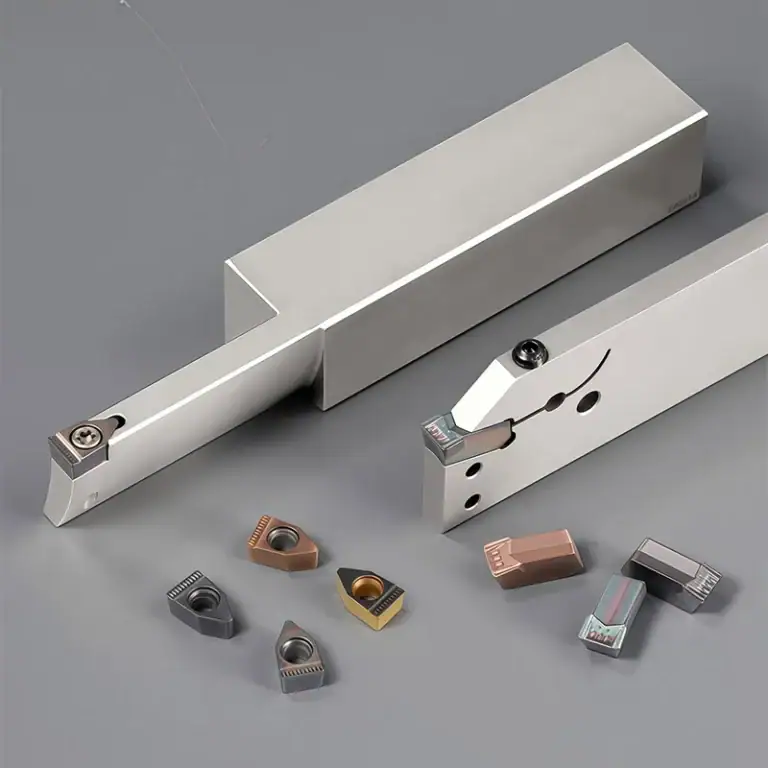
- Machining Plan Development: According to material properties, structural complexity, and operating conditions, suitable equipment, cutting tools, and machining parameters are selected.
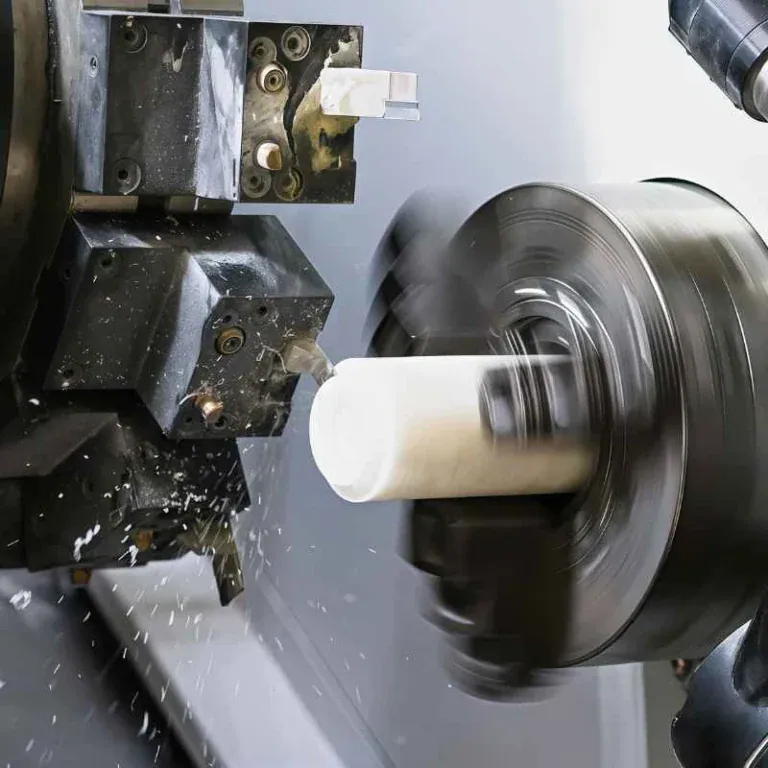
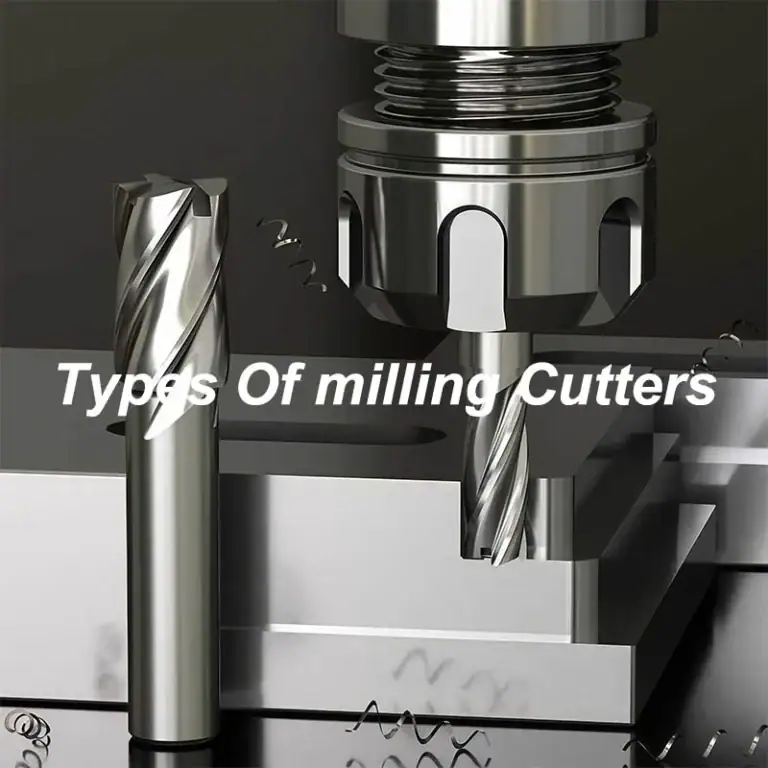
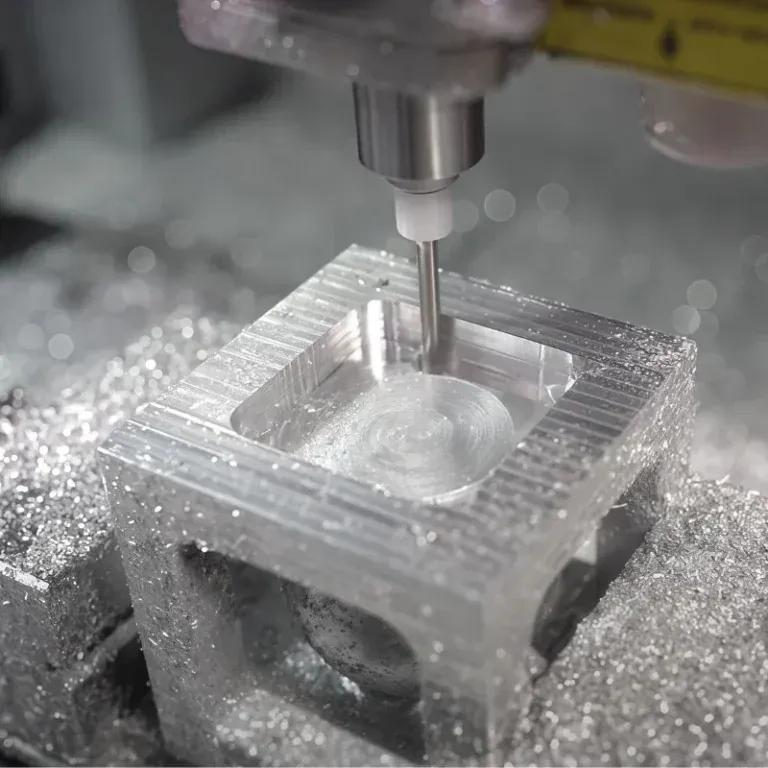
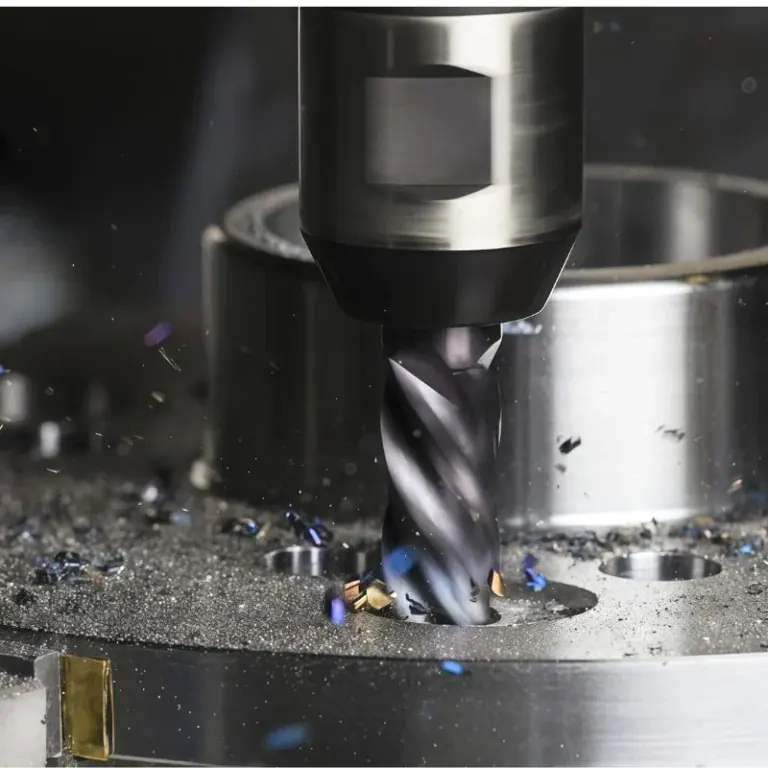
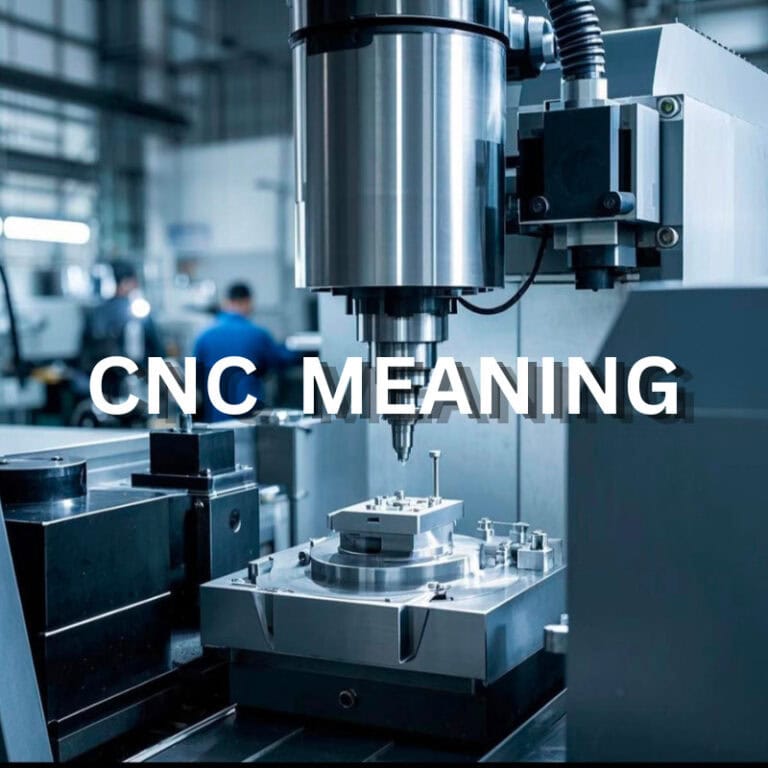
- Precision CNC Manufacturing: CNC milling machines, machining centers, and multi-axis equipment are used for milling, drilling, turning, and finishing operations.
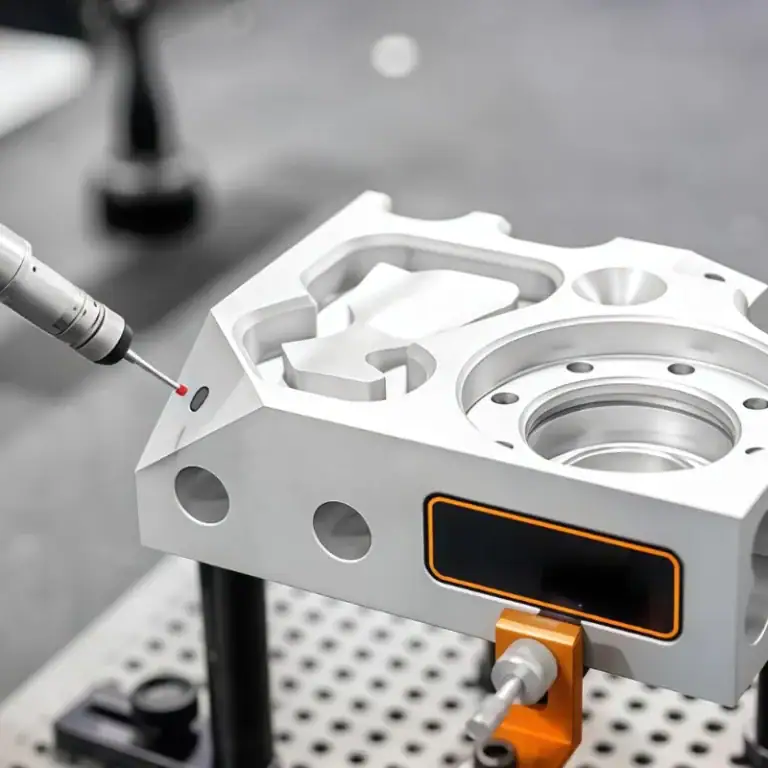
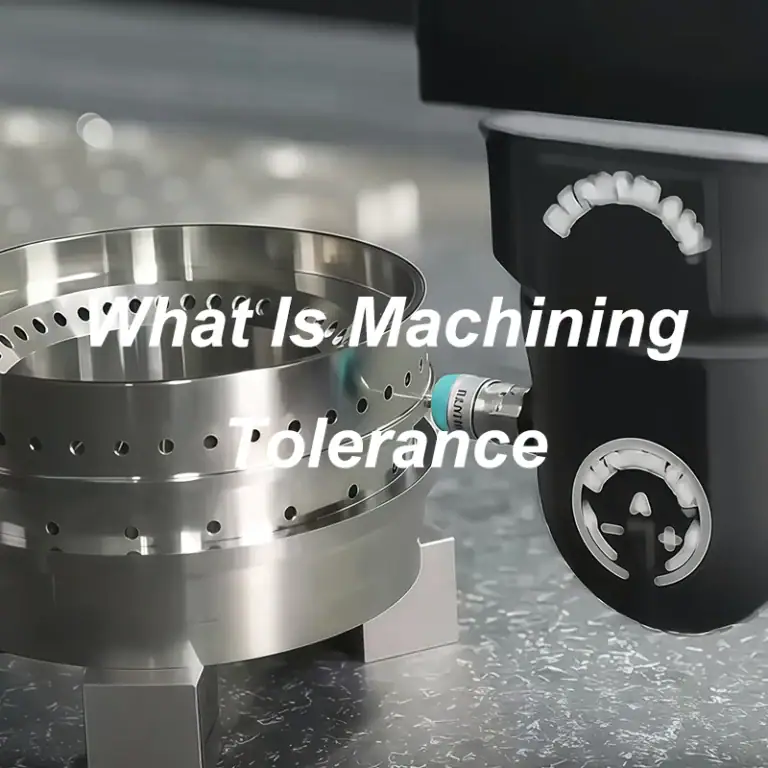
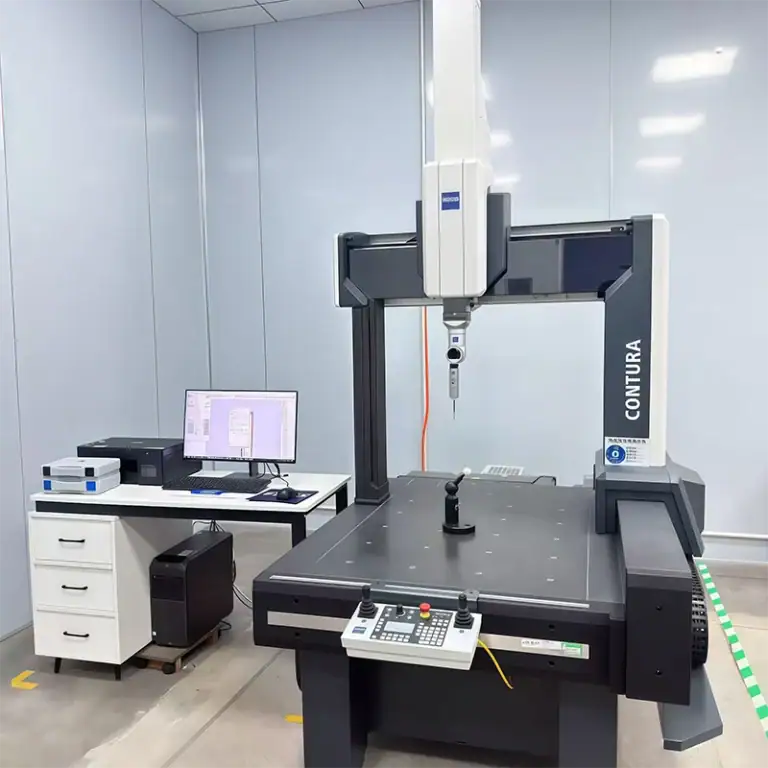
- Quality Inspection Verification: Coordinate measuring machines and surface inspection equipment are used to verify component dimensions and machining quality.
A complete machining process ensures stable quality of smart robot components while supporting both small-batch prototypes and large-scale production requirements.
Application Scenarios and Performance of Smart Robot Custom CNC Components
Smart robots are being adopted across more industries, and different working environments require different component structures and performance characteristics. Customized CNC machining can be adjusted according to robot types, operating conditions, and functional requirements, creating components that better match equipment applications.

Application Scenarios of CNC Machined Smart Robot Components
Smart robots rely on multiple mechanical components to perform movement, gripping, positioning, and automated operations. High-quality machined parts improve robot stability and support various industrial applications.
Common application scenarios include:
- Industrial Manufacturing Robots: Welding, assembly, and handling robots require strong mechanical components. CNC machining produces durable structural parts that improve production line stability.
- Warehouse Logistics Robots: Automated transport equipment requires lightweight and high-strength components for long-term operation. Precision machining improves equipment efficiency.
- Medical Smart Robots: Medical equipment requires high cleanliness and precision. CNC machining can manufacture structural components suitable for precision applications.
- Research Robots: Laboratory equipment often requires special structural components. Customized machining meets the design requirements of different research projects.
Flexible manufacturing methods allow smart robot components to be applied across various industries, increasing the value of automation equipment.
Functional Characteristics of Smart Robot Components
Smart robots require precise control and stable movement during operation. The functional performance of components directly affects overall equipment performance. CNC custom machining provides robots with a more reliable mechanical foundation.
Key functional characteristics include:
- Enhanced Motion Accuracy: Precision dimensional control reduces fitting errors between components and improves robot movement accuracy.
- Improved Structural Strength: High-performance materials and machining processes allow components to withstand long-term mechanical loads.
- Optimized Equipment Weight: Supports lightweight designs, reducing operating loads and improving energy efficiency.
- Better Assembly Performance: Accurate machining dimensions improve component compatibility and reduce installation adjustment time.
- Support for Customized Designs: CNC technology can manufacture complex-shaped components to meet innovative robot structures.
High-performance customized components enable smart robots to maintain stable operation, improve efficiency, and extend equipment service life.
Performance Reference of Smart Robot CNC Components
Different smart robot modules require different component performance standards. Machining manufacturers need to establish production specifications according to actual application requirements.
| Performance Indicator | CNC Machining Capability | Application Value |
| Machining Accuracy | Micron-level dimensional control | Improves robot positioning accuracy |
| Material Compatibility | Supports various metal materials | Meets different operating environments |
| Surface Quality | Allows precision surface treatment | Improves wear and protection performance |
| Batch Consistency | Automated repeat production | Ensures component uniformity |
Stable machining performance enables smart robots to operate under high-speed and complex working conditions while improving overall equipment lifespan.
Future Development Trends of Smart Robot Component Custom Machining
The smart robot industry is moving toward higher precision, stronger intelligence, and more complex structures. Component manufacturing technologies must continue upgrading to meet new requirements. CNC machining combined with digital manufacturing, automated inspection, and intelligent production management can further improve robot component production efficiency.
Intelligent CNC Machining Promotes Robot Manufacturing Upgrades
The development of smart manufacturing technology is driving CNC machining toward automation and data-based production management. Through intelligent equipment coordination, manufacturers can improve efficiency while reducing human operation errors.
Key features of intelligent machining include:
- Improved Automated Production Capability: Integration with robotic loading and unloading systems increases machining continuity and efficiency.
- Smart Inspection Applications: Real-time monitoring of machining conditions helps identify production deviations quickly.
- Optimized Data Management: Production data analysis allows machining parameters to be adjusted for better quality.
- Rapid Product Development: Supports fast validation and production of new robot component models.
Intelligent CNC machining helps robot manufacturers shorten development cycles and accelerate product upgrades.
Customized Machining Meets Smart Robot Innovation Requirements
Smart robot designs continue evolving, and different application scenarios require different component structures. Customized CNC machining can be adjusted according to robot functions, providing more precise component manufacturing services.
Customized machining services include:
- Optimizing machining solutions based on robot structural designs;
- Selecting suitable materials according to operating environments;
- Controlling component accuracy according to assembly requirements;
- Completing inspection and verification based on quality standards.
Professional smart robot component custom CNC machining solutions help companies improve robot product quality, reduce manufacturing difficulties, and provide stable and reliable component support for the development of smart manufacturing industries.