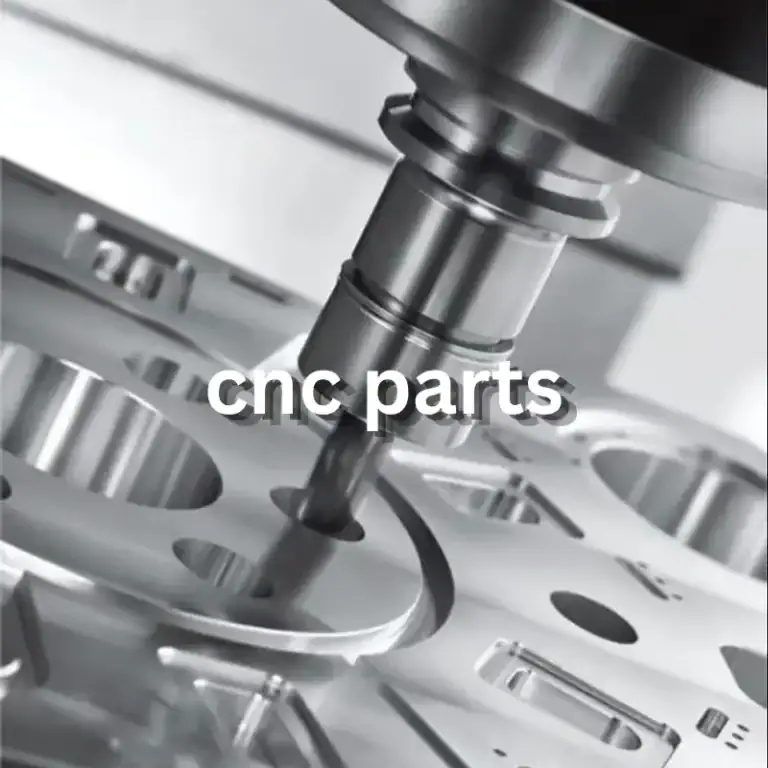
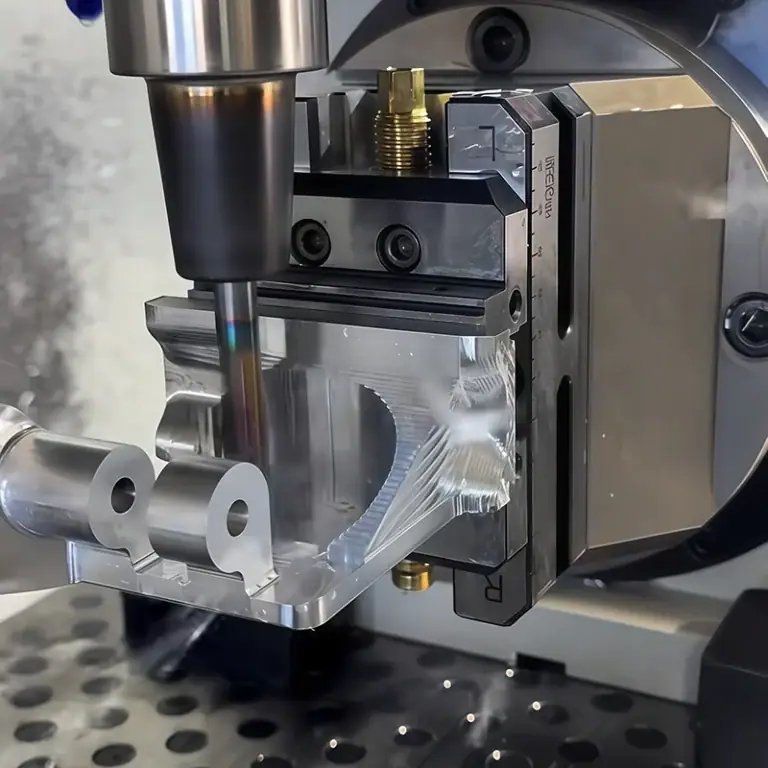
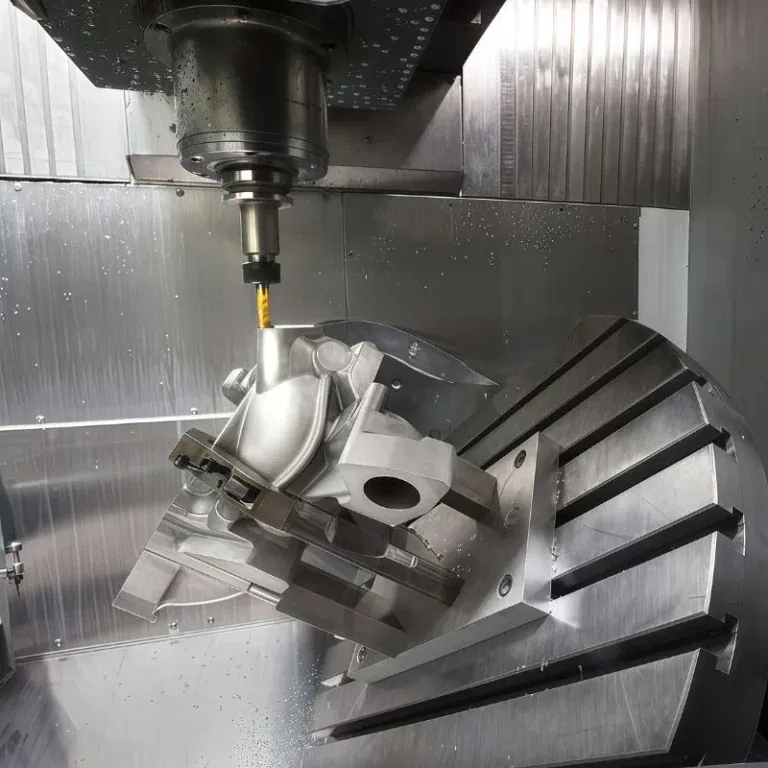
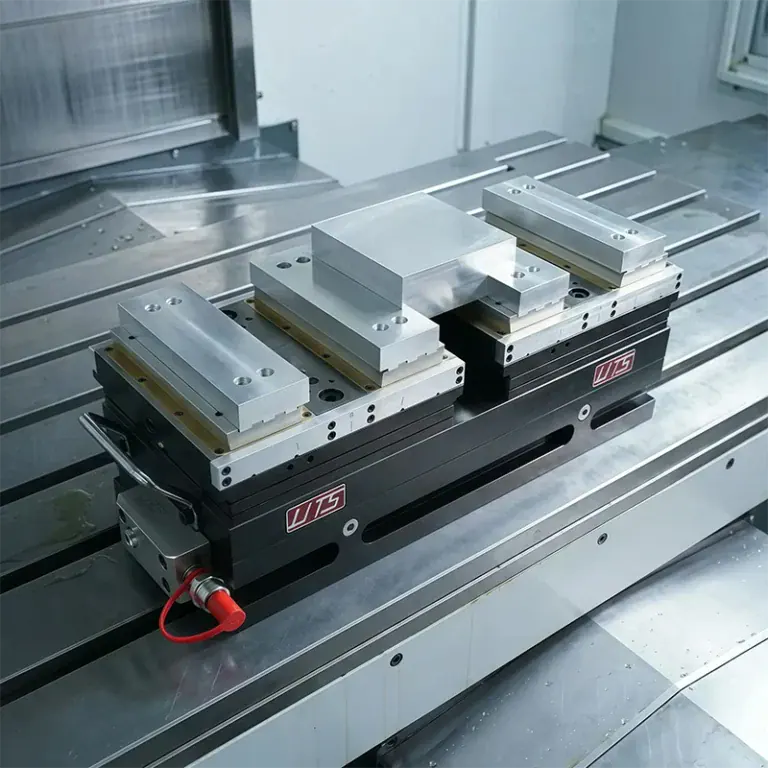
A cooling plate used in semiconductor equipment may look like nothing more than a metal plate, but machining one properly is far from simple. Internal cooling channels, inlet and outlet ports, mounting holes, sealing grooves, and plate flatness all have to stay within the required specifications. A small error in any of these areas can lead to leakage, uneven cooling, or assembly problems. Semiconductor equipment also demands strong dimensional stability, making ordinary milling methods insufficient for many cooling plate designs. CNC machining needs to take the drawing, material, channel structure, and inspection requirements into account from the start, so the finished component not only looks right but also performs reliably in the equipment.
What Makes CNC Machining Semiconductor Equipment Cooling Plates Challenging?
Cooling plates play an important role in heat dissipation and coolant circulation inside semiconductor equipment. They are rarely just simple flat components. Complex channels, precision holes, and sealing structures often need to be machined within a limited plate thickness. For buyers, the real question is not simply whether a supplier can machine the part, but whether the supplier can maintain these critical dimensions consistently throughout production.
Internal Cooling Channels Affect Cooling Performance
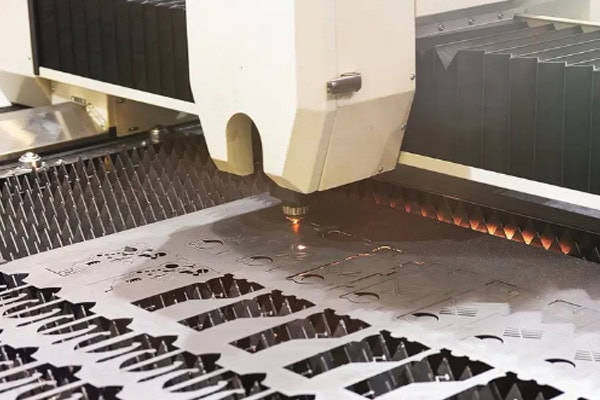
Cooling channels are usually hidden inside the plate and may include straight passages, turns, connection holes, and sections with different depths. If the toolpath is not planned properly, machining may leave noticeable tool marks or cause dimensional variation inside the channels. For semiconductor equipment components, channel dimensions affect coolant flow and can influence the performance of the entire thermal management system.
- Keep channel width and depth consistent: Excessive dimensional variation can change coolant flow conditions and create difficulties during later assembly.
- Control corner areas instead of focusing only on machining speed: Small-radius sections require suitable tools and toolpaths to reduce overcutting, leftover material, and visible chatter marks.
- Maintain accurate positioning between intersecting channels: When multiple passages connect with one another, the spatial relationship between holes and channels needs to remain accurate to preserve the intended flow path.
After machining, critical channel dimensions and internal conditions should be inspected rather than relying on the appearance of the outer surface. For buyers, a cooling plate that looks excellent on the outside but has uncontrolled internal dimensions is unlikely to deliver reliable performance.
Flatness and Mounting Hole Position Are Equally Important
Cooling plates are often installed directly against heat sources, thermal components, or equipment mounting bases. If the plate has excessive deformation, the contact area may become uneven, affecting both assembly and heat transfer. Mounting holes also need more than the correct diameter. Hole spacing, positional accuracy, and their relationship to the machining datum all need to be controlled.
| Critical Area | CNC Machining Focus | Potential Impact |
| Cooling channels | Width, depth, corners, surface quality | Coolant circulation |
| Mounting surface | Flatness, parallelism, surface condition | Equipment assembly and contact |
| Mounting holes | Diameter, spacing, positional accuracy | Fixing and positioning |
| Sealing grooves | Width, depth, position | Sealing performance |
| Inlet/outlet ports | Threads, diameter, concentricity | Coolant connection |
Sealing Structures Cannot Be Treated as “Close Enough”
During long-term operation, cooling plates usually contain circulating coolant, making sealing grooves, connection ports, and joint areas important inspection points. A groove that is too deep or too shallow can affect seal compression, while inconsistent thread machining can create installation problems. These dimensions should be managed as critical features during CNC machining rather than waiting until assembly to discover an issue.
Which Materials Are Suitable for CNC Machining Semiconductor Equipment Cooling Plates?
Semiconductor equipment places demands on weight, thermal conductivity, corrosion resistance, and dimensional stability, so material selection needs to match the actual application. Aluminum alloys, copper alloys, stainless steel, and other materials may all be used for cooling plates. Their machining behavior varies significantly, which means tooling, cutting parameters, and surface treatment should be adjusted for the selected material.
Aluminum Alloy Cooling Plates
Aluminum alloys are relatively lightweight and efficient to machine, making them common in semiconductor equipment structural and thermal management components. However, thin plates can deform after significant material removal, while deep channels may require additional attention to burrs and tool marks.
- Control cutting forces in thin-wall areas: Excessive machining force can cause dimensional changes or deformation after the part is released from the fixture.
- Control finishing allowance: Rough machining should leave sufficient material for stable finishing instead of reaching the final dimension too quickly.
- Pay close attention to burrs around channels and sealing grooves: Remaining burrs can affect cleanliness and may interfere with seal installation.
Copper Alloys and High-Thermal-Conductivity Materials
Copper and certain copper alloys offer good thermal conductivity, but their relatively soft structure can lead to built-up material, burrs, and surface scratches during machining. Cooling plates made from these materials place greater demands on tool condition and chip evacuation. When channels are deep, chip accumulation also needs to be controlled to protect the machined surface.
Stainless Steel and Special Alloys
Some semiconductor equipment environments require higher corrosion resistance, making stainless steel or specialized alloys suitable for certain cooling plate applications. These materials can generate more cutting heat and may accelerate tool wear. The machining plan should allow sufficient process validation, particularly around precision holes, sealing grooves, and connection ports, rather than simply applying the same parameters used for aluminum alloys.
What Should Be Inspected After Machining the Cooling Plate?
Once semiconductor equipment components reach the assembly stage, correcting a machining problem can be much more expensive than identifying it during production. If leakage, incorrect hole positioning, or poor surface contact is discovered at the equipment site, rework can quickly become complicated. Inspection after CNC machining should focus on the features that directly affect actual use, covering both dimensional accuracy and functional requirements.
Dimensional Inspection Should Focus on Critical Features
Inspection should go beyond the external dimensions of the cooling plate. Channels, mounting surfaces, hole positions, sealing grooves, and connection ports should all be checked against the drawing requirements. Critical dimensions should also be recorded to support process monitoring during future batch production.
- Overall dimensions and datum positions: Make sure the finished component can be correctly installed in the intended equipment position.
- Cooling channel dimensions: Check depth, width, and critical connection areas to prevent significant internal variation.
- Hole positions and sealing grooves: Verify positional relationships, dimensions, and machining completeness.
- Plate surface condition: Check flatness, surface roughness, and localized tool marks to reduce assembly and contact problems.
Leak Testing Should Not Be Skipped
Dimensional inspection alone is not enough for cooling plates with internal circulation channels. Appropriate pressure or leak testing may also be required after machining to verify that the channels, connections, and sealing structures do not show unacceptable leakage. The specific test method and pressure requirements should follow the customer’s drawings, equipment specifications, and project standards.
Batch Production Requires Dimensional Stability
A well-machined prototype does not automatically mean every part in continuous production will remain identical. Tool wear, material batch variations, machine condition, and fixturing methods can gradually affect dimensions. For semiconductor equipment customers with long-term purchasing needs, stable process control is often more important than machining speed alone.
How Should You Choose a CNC Machining Supplier for Semiconductor Equipment Cooling Plates?
Price is naturally an important consideration when purchasing cooling plates, but machining experience, communication, and quality control often have a greater impact on project execution. New cooling plate projects may go through prototype development, small-batch production, and regular manufacturing, with design changes or assembly feedback appearing along the way. A supplier’s ability to respond quickly and maintain process consistency can have a direct impact on delivery schedules.
Check Whether the Supplier Can Handle Complex Cooling Channels
It is useful to review whether the supplier has experience machining components with deep grooves, intersecting cooling channels, precision holes, and sealing structures. The number of CNC machines alone does not fully demonstrate machining capability. Toolpath planning, fixturing experience, finishing control, and inspection equipment are more useful indicators of whether the supplier is suitable for the project.
Check Whether Quality Control Is Integrated Into Production
A mature machining process should control quality throughout production rather than inspecting everything only after all parts have been completed. Prototype approval, in-process inspection, critical dimension records, and final inspection should each have a clear role.
| Production Stage | Key Items to Check | Value to the Customer |
| Drawing review | Material, channels, datums, critical tolerances | Identify machining challenges early |
| Prototype stage | Dimensions, assembly, sealing structure | Verify design feasibility |
| Batch production | Tool condition, critical dimensions | Control batch variation |
| Pre-shipment | Dimensions, appearance, leak testing | Reduce on-site assembly risks |
This process may look detailed, but for precision semiconductor equipment components, these details can make a major difference in preventing repeated rework.
Make Sure Prototyping Can Transition Smoothly to Batch Production
Cooling plate projects rarely start directly with large-volume production. Many customers begin with prototypes for equipment assembly and performance testing, then gradually increase order quantities after confirming the cooling channels, interfaces, and mounting dimensions. A supplier that can carry validated prototype processes into stable batch production can make the later stages of the project much smoother.
CNC machining for semiconductor equipment cooling plates depends on careful control of every critical feature, from channel dimensions and mounting surfaces to sealing grooves, connection ports, dimensional inspection, and leak testing. For customers requiring prototype development, precision custom machining, or batch production, TIRAPID provides support from drawing communication and process planning through CNC machining and quality inspection, helping achieve more stable cooling plate production and smoother equipment assembly.