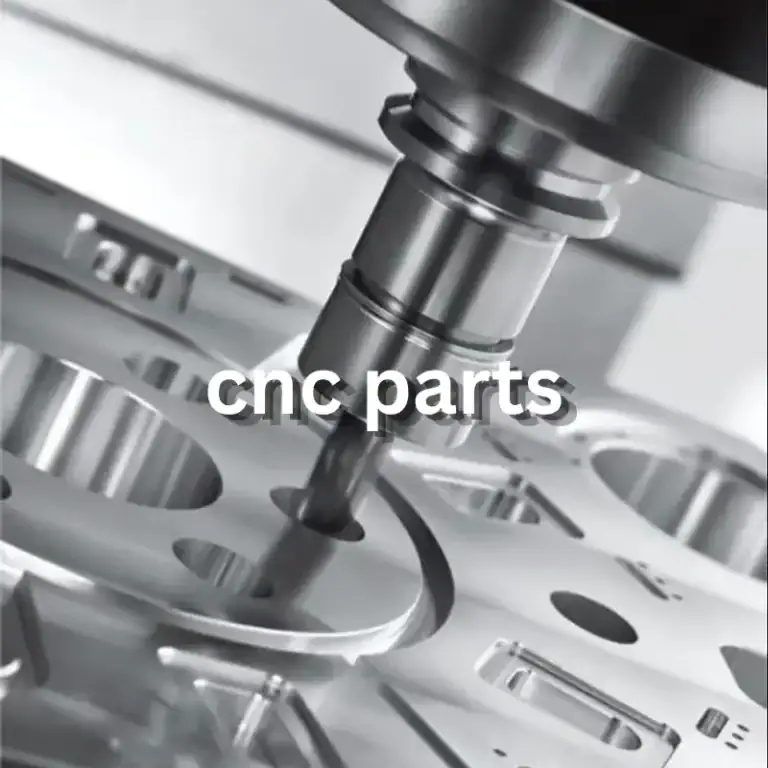
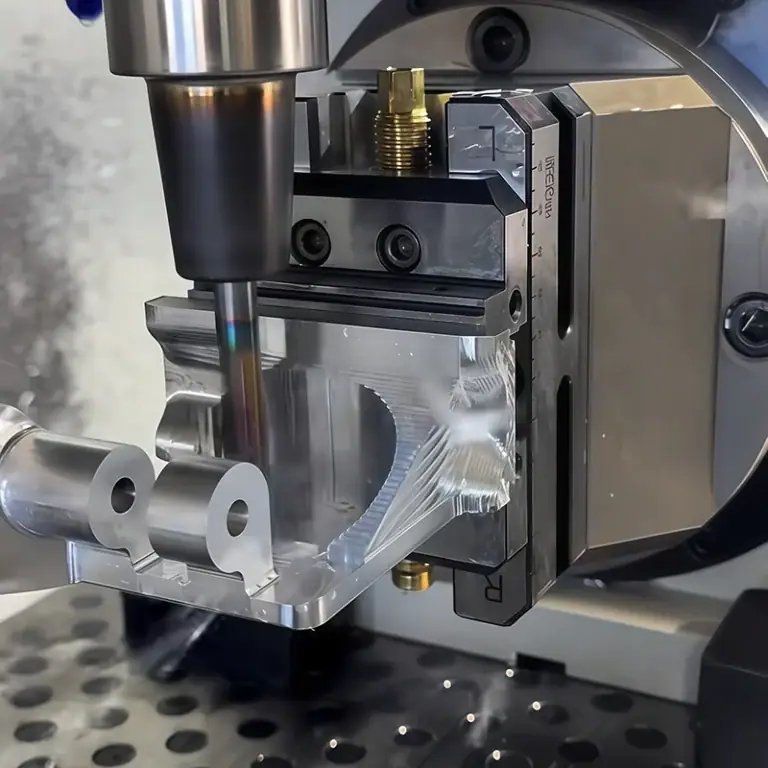
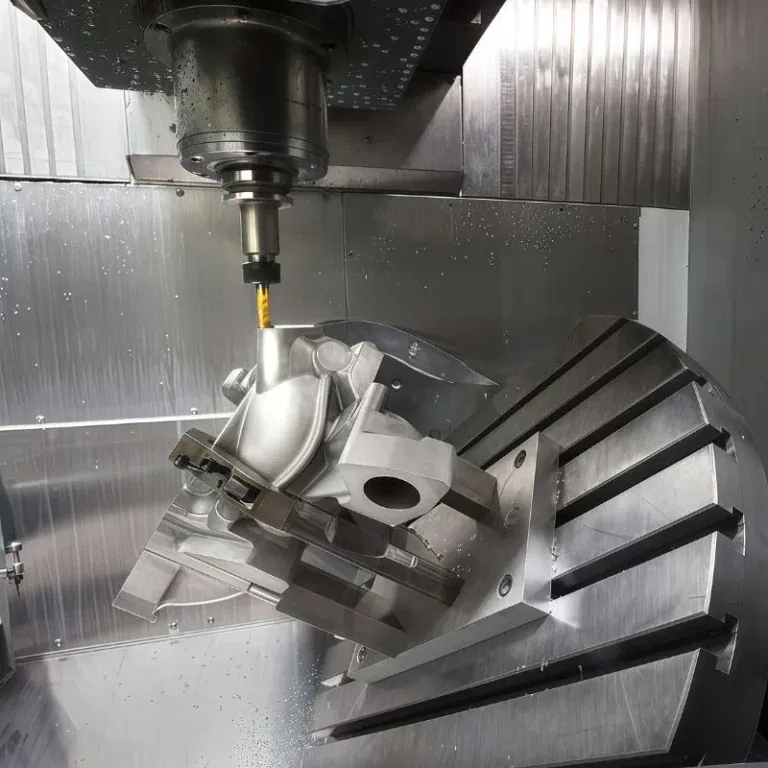
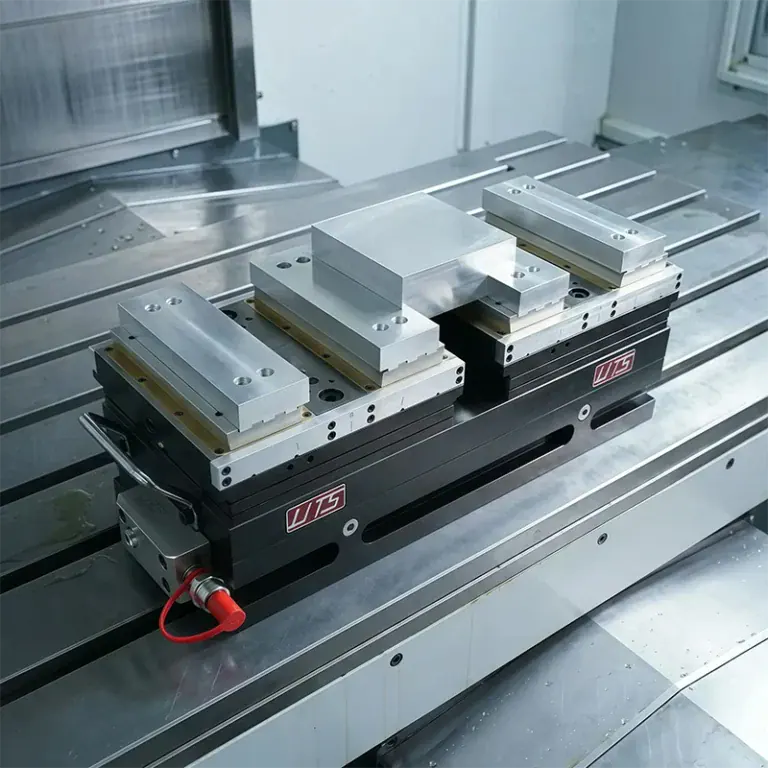
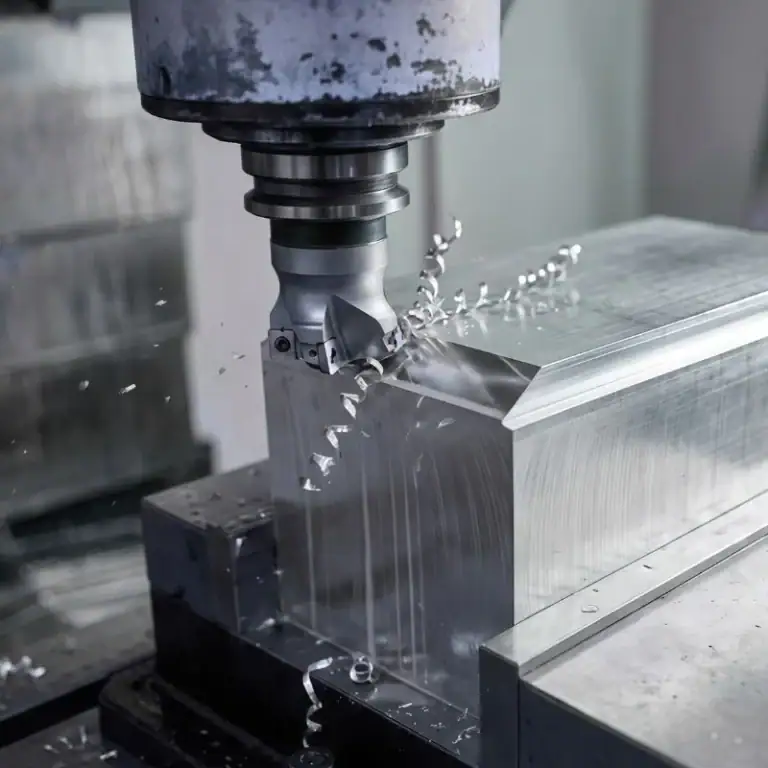
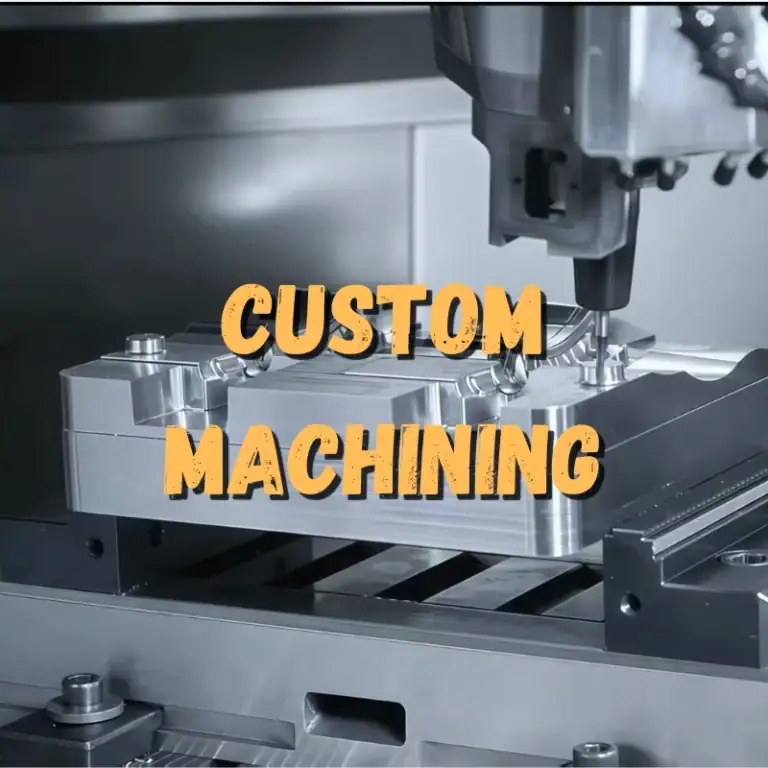
Industrial robots are widely used for material handling, welding, assembly, grinding, painting, palletizing, automated loading, and unloading. Their motion accuracy and operating stability are closely related to the manufacturing quality of internal structural components. Robot arms, joint housings, mounting bases, connection seats, flange plates, support components, and end-effector mounting structures all require accurate dimensions, sufficient structural strength, and stable assembly performance. CNC precision machining can process these components according to engineering drawings and 3D models through milling, drilling, tapping, boring, chamfering, and other operations. Combined with appropriate material selection, fixture design, dimensional inspection, and surface treatment, CNC machining provides reliable manufacturing support for industrial robot components used in demanding operating environments.
Advantages of CNC Machining for Industrial Robot Structural Components
Industrial robot structural components often feature complex profiles, dense mounting holes, varying wall thicknesses, and strict positioning requirements. Conventional machining methods can make it difficult to balance dimensional accuracy with complex structural requirements. CNC machining equipment can follow programmed tool paths to process intricate profiles while maintaining consistent hole positions, mounting surfaces, and locating structures. Different materials, including aluminum alloys, steel, and stainless steel, can be processed using suitable cutting tools and machining parameters to achieve a practical balance between weight, strength, efficiency, and service life.
High-Precision Machining Improves Assembly Stability
Robot arms and joint structures require accurate mechanical connections. Excessive dimensional deviation in mounting holes, bearing seats, positioning holes, or connection surfaces may affect subsequent assembly. CNC machining can use consistent coordinate references to process multiple critical features and reduce positioning deviations caused by repeated clamping.
For robot joint housings, flange connections, and arm connection structures, precision milling, boring, and drilling can control hole diameter, hole spacing, flatness, and positional accuracy. After machining, coordinate measuring machines, vision inspection systems, micrometers, and other measuring equipment can be used to verify critical dimensions, helping different production batches maintain good interchangeability.
Lightweight Materials Improve Robot Motion Efficiency
Industrial robots frequently change their arm position and movement direction during high-speed operation. The weight of structural components directly affects the load placed on the drive system. Aluminum alloys are widely used for robot structural components because they offer low weight, good machinability, and favorable thermal conductivity. They are suitable for robot arm housings, joint covers, mounting plates, support seats, and other components.
For components exposed to higher loads or requiring improved wear resistance, stainless steel and alloy steel can be selected. CNC machining parameters can be adjusted according to material hardness, including tool selection, spindle speed, feed rate, and cutting depth, helping maintain stable dimensional accuracy and surface quality.
Complex Structural Machining Meets Robot Design Requirements
Industrial robots often use hollow structures, thin walls, reinforcing ribs, and curved surfaces to achieve a larger range of motion. CNC machining can use multi-axis machining, precision milling, and staged processing to manufacture complex profiles while handling deep cavities, narrow grooves, inclined surfaces, and irregular mounting areas.
For thin-wall components, clamping force and cutting load need to be carefully controlled to reduce deformation. A reasonable sequence of roughing, semi-finishing, and finishing can also help release internal stresses gradually and improve final dimensional stability.
CNC Machining Methods and Applications for Industrial Robot Components
Machining robot structural components is not simply a matter of cutting material according to a drawing. The manufacturing process needs to consider component geometry, material characteristics, assembly relationships, and the actual operating environment. Different components, such as robot arms, joint housings, bases, and end-effector mounting parts, may require dedicated locating references and machining sequences. Digital CNC programming combined with precision inspection helps maintain process control from raw material preparation to finished component production.

CNC Machining Process for Industrial Robot Structural Components
A stable machining process can reduce dimensional variations during batch production and improve the manufacturing efficiency of complex components. A typical CNC manufacturing workflow includes the following steps:
- Drawing and 3D model confirmation: Verify component dimensions, tolerances, material specifications, hole positions, threads, surface roughness, and assembly requirements.
- Process planning: Select suitable machining references and clamping methods while establishing an appropriate sequence for roughing, semi-finishing, and finishing.
- Raw material inspection: Check the specifications, dimensions, and surface condition of aluminum alloy, steel, stainless steel, or other blanks before machining.
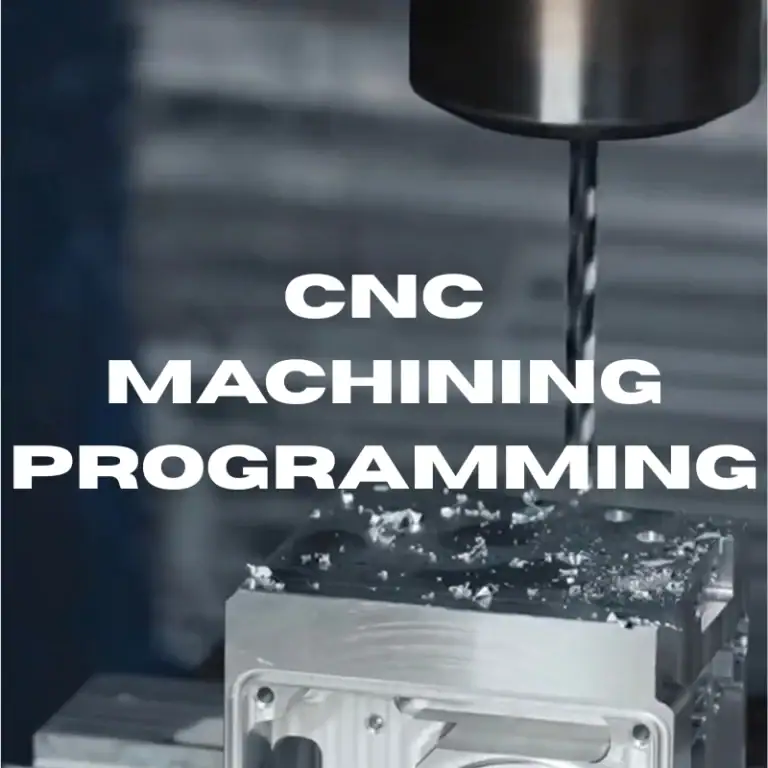
- CNC programming: Develop tool paths based on the component structure and set spindle speed, feed rate, cutting depth, and coolant parameters.
- Critical feature machining: Process mounting surfaces, locating holes, bearing bores, connection holes, threaded holes, and complex profiles with controlled accuracy.
- First article inspection: Inspect key dimensions and assembly features of the first finished component and optimize the program or machining parameters when required.
- Batch production and process monitoring: Monitor tool wear, machine condition, and dimensional stability to maintain consistency between production batches.
- Surface treatment and final inspection:Apply anodizing, blasting, passivation, coating, or other treatments according to application requirements, followed by final dimensional and visual inspection.
A standardized workflow creates a more complete production record covering design data, materials, CNC programs, machining operations, and inspection results. This is suitable for robot manufacturers requiring prototypes, small-batch production, and long-term component supply.
Applications in Robot Arms, Joint Housings, and Mounting Bases
The robot arm is an important structural component responsible for spatial movement. Its internal structure may contain reducers, motors, bearings, and transmission components, so the arm housing needs to balance weight, rigidity, and mounting accuracy. CNC machining can produce curved profiles, connection holes, internal cavities, and reinforcing structures according to the robot design.
Joint housings require particular attention to bearing bores, reducer mounting interfaces, and motor mounting holes. The robot base supports the entire robot body and requires sufficient structural strength and dimensional stability. Precision milling and drilling can provide accurate mounting surfaces and connection features for stable installation between the robot and its base.
Applications in End Effectors and Automated Production Line Structures
Industrial robot end effectors may include grippers, suction cups, welding guns, grinding tools, or other specialized mechanisms. End-effector mounting plates, connection flanges, tool holders, and locating structures need accurate hole relationships to ensure reliable connections between the robot and its tools.
Automated production lines also use many support seats, positioning blocks, connection plates, guide rail mounts, and tooling structures. Although these components are generally smaller than the main robot structure, they still require stable hole positioning and assembly dimensions. CNC machining can quickly adjust machining programs according to different automation equipment designs, making it suitable for customized components and low-volume, high-mix production.
| Robot Structural Component | Common Materials | Main Machining Processes | Key Performance Requirements |
| Robot arm housing | Aluminum alloy, alloy steel | CNC milling, drilling, tapping | Lightweight design, rigidity, dimensional stability |
| Joint housing | Aluminum alloy, stainless steel | Precision milling, boring, drilling | Hole accuracy, concentricity, assembly accuracy |
| Robot base | Aluminum alloy, steel | Milling, drilling, tapping | Load capacity, flatness, connection stability |
| End-effector mounting plate | Aluminum alloy, stainless steel | Milling, drilling, chamfering | Hole positioning, locating accuracy |
| Reducer connection seat | Aluminum alloy, alloy steel | Milling, boring, tapping | Concentricity, structural strength |
| Robot support component | Aluminum alloy, steel | Milling, drilling | Rigidity, durability, mounting accuracy |
| Automated tooling base | Aluminum alloy, stainless steel | Milling, drilling, tapping | Positioning accuracy, repeatable assembly stability |
Functional and Performance Control of Industrial Robot Structural Components
Robot structural components do more than provide mechanical connections. They also support loads, locate assemblies, connect transmission components, reduce structural movement, and provide mounting interfaces for motors and other mechanisms. During CNC machining, critical dimensions need to be controlled according to the intended function of each component while surface quality, material properties, and structural rigidity are also considered. For high-speed robots, changes in structural component weight can affect motion inertia and system response, making it important to balance lightweight design with sufficient mechanical strength.
Support, Positioning, and Transmission Component Mounting Functions
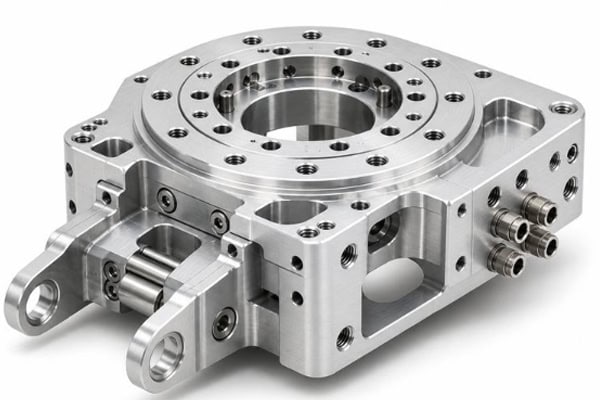
Robot structural components provide reliable mounting locations for motors, reducers, bearings, encoders, and end-effectors. CNC machining can create bearing seats, locating steps, mounting holes, reinforcing ribs, and threaded interfaces inside or on the surface of robot housings.
Accurate locating structures help reduce assembly deviations and maintain proper relationships between transmission components. For robot modules that require frequent installation and removal, connection holes and locating holes also need to provide good repeatability. Proper chamfering and deburring can reduce interference during assembly and improve installation efficiency.
Control of Strength, Rigidity, Surface Quality, and Long-Term Performance
Robot structural components are exposed to repeated movement, mechanical loads, and equipment vibration during long-term operation. Stable structural performance is therefore essential. For robot arms and joint housings, wall thickness and reinforcing ribs should be designed appropriately to maintain the required rigidity without adding unnecessary weight. For load-bearing components and bases, material strength, connection areas, and post-machining flatness require particular attention.
Surface quality also affects assembly performance. Precision finishing can improve the roughness of mounting and mating surfaces, while deburring helps reduce assembly interference. Depending on the material and working environment, anodizing, passivation, or other surface treatments can improve corrosion resistance and surface durability.
During batch production, tool wear and machine condition should be continuously monitored. Critical dimensions such as hole diameter, flatness, concentricity, and positional accuracy can be controlled through dedicated inspection records. Validated CNC programs can also be reused for future orders, helping robot manufacturers establish a stable and repeatable component supply system.
CNC machining for industrial robot structural components is suitable for robot arms, joint housings, bases, reducer connection components, end-effector mounting parts, and automated tooling structures. By selecting appropriate materials such as aluminum alloys, steel, and stainless steel and combining precision milling, drilling, boring, tapping, and surface treatment, manufacturers can meet requirements for structural strength, lightweight design, assembly accuracy, and long-term operation. CNC precision machining provides flexible manufacturing support for robot prototypes, small-batch development, customized components, and large-scale production.