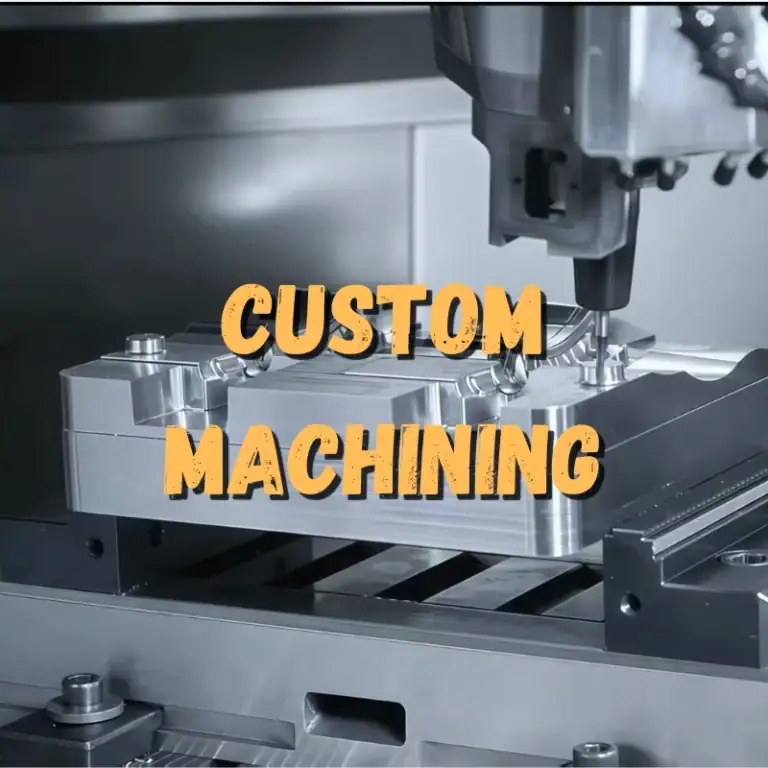
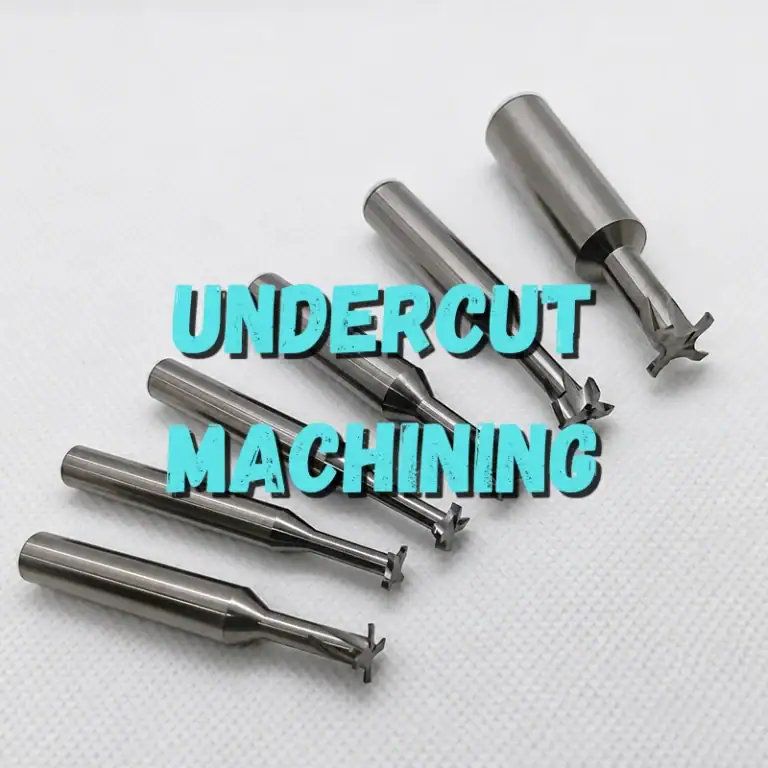
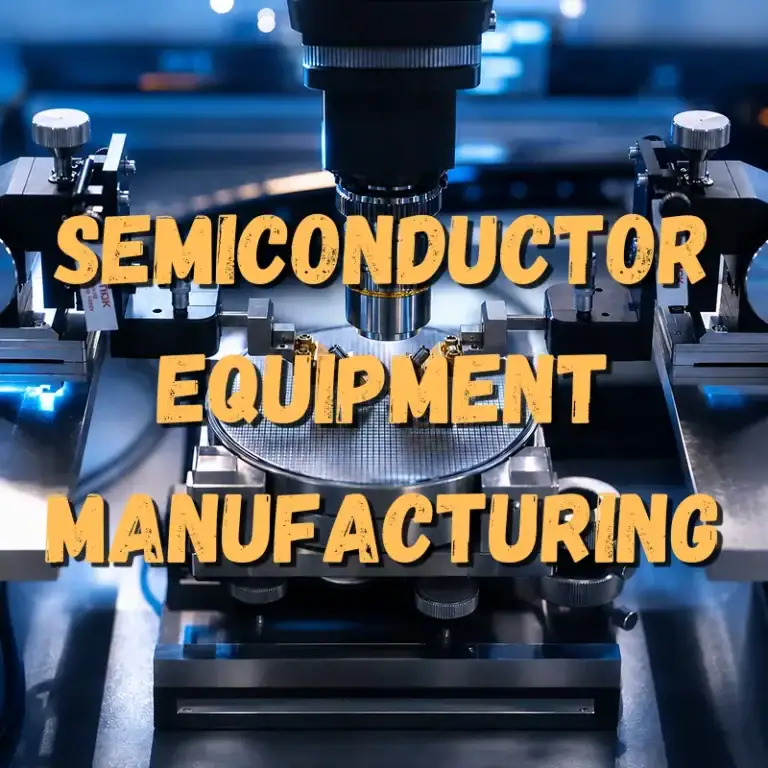
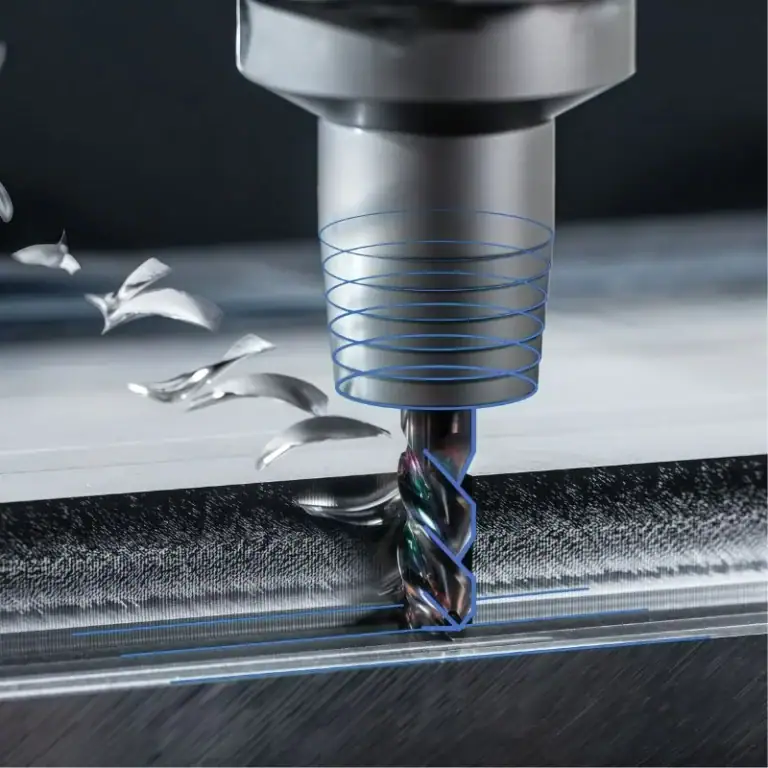
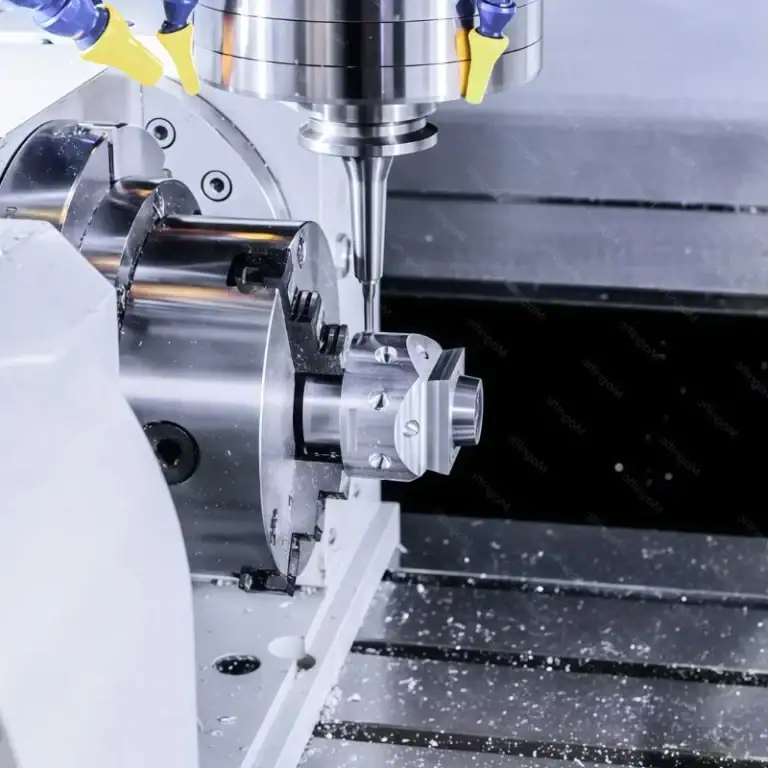
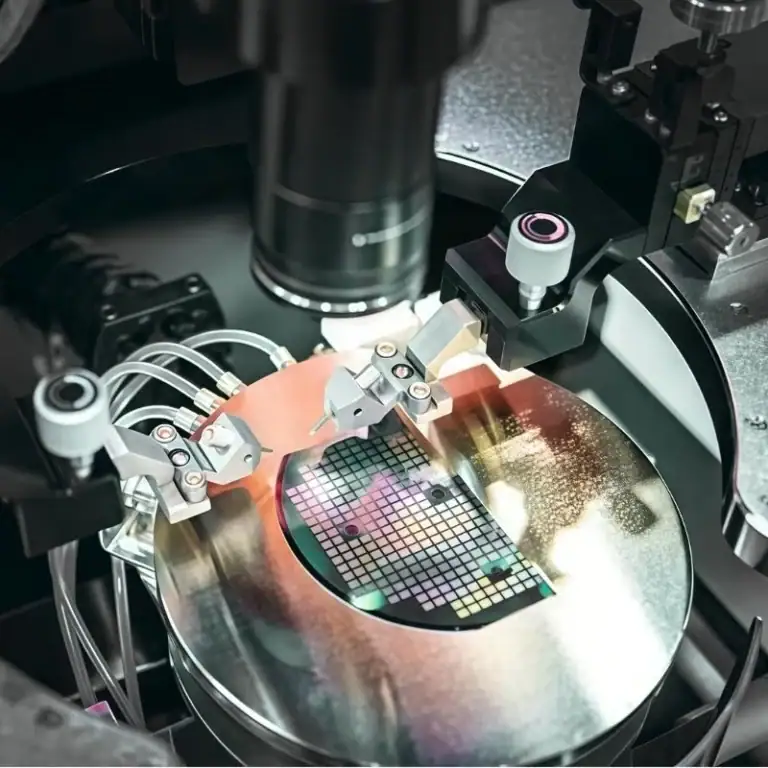
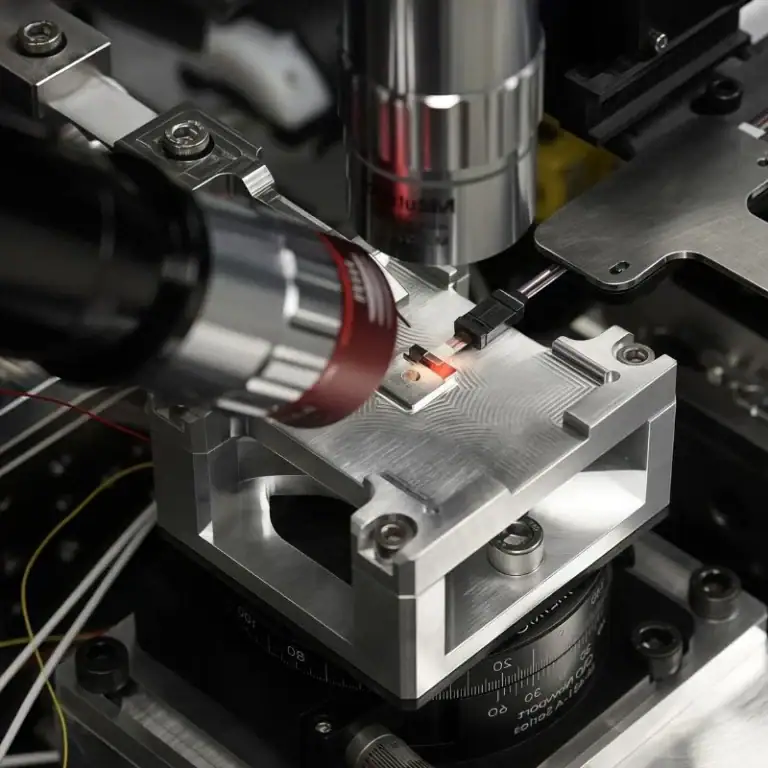
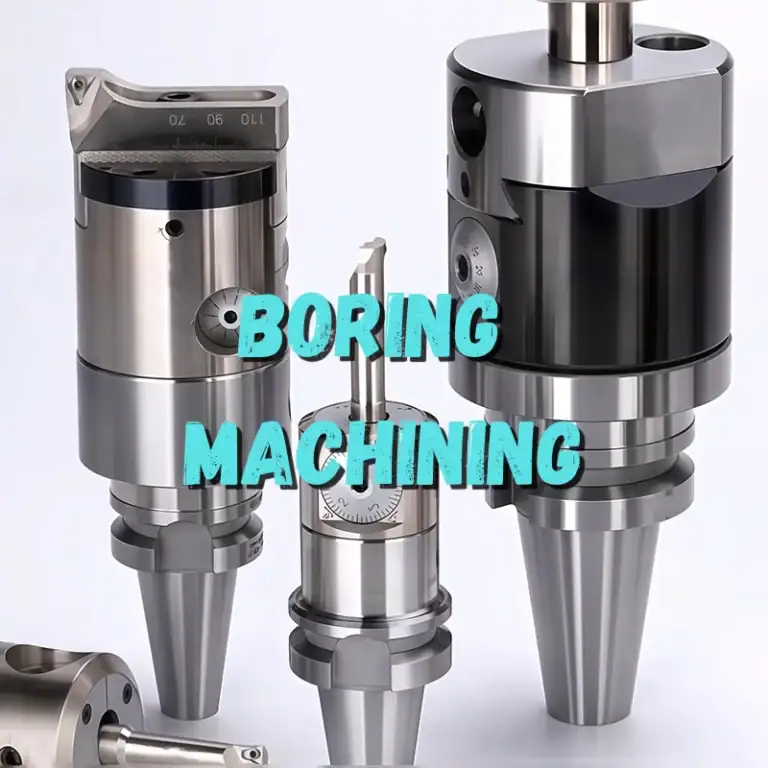
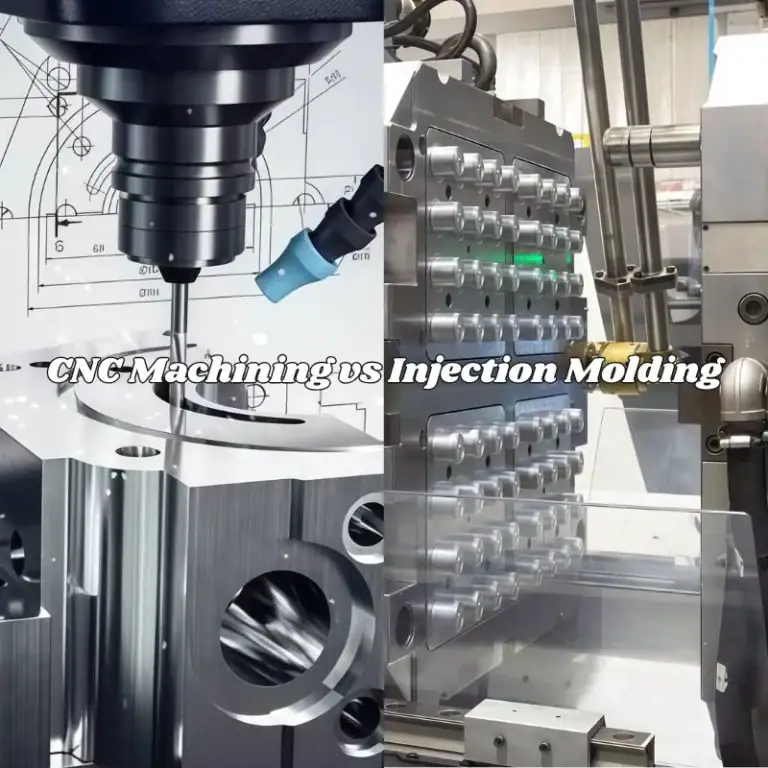
Electronic products are evolving toward lightweight design, high performance, and high precision. From smart terminals to communication equipment and industrial electronics, the quality of structural components directly affects product reliability and user experience. Faced with complex appearances, strict tolerances, and rapid iteration requirements, traditional manufacturing methods can no longer meet the demands for flexibility and precision. CNC machining, with its high-precision control, multi-material adaptability, and rapid manufacturing capabilities, has become an essential solution for electronic structural components. For electronic device manufacturers, choosing professional CNC machining services not only improves assembly performance but also shortens R&D cycles, reduces production risks, and enhances market competitiveness.
Why Choose CNC Machining for Electronic Product Structural Components?
Electronic structural components typically perform functions such as support, protection, heat dissipation, and connection. Their machining accuracy directly affects overall product performance.
Meeting Complex Structural Design Requirements
Modern electronic product design increasingly emphasizes thinness and functional integration, placing higher demands on structural component manufacturing.
- CNC machining can produce complex curved surfaces, precision holes, and thin-wall structures.
- Multi-axis machining enables complex geometric production and reduces assembly errors.
- Precise machining based on design drawings enables innovative appearance solutions.
Flexible machining capabilities provide greater design freedom for electronic products.
Ensuring High-Precision Assembly Performance
Internal components of electronic devices require precise matching, and dimensional deviations in structural parts can affect overall performance.
- CNC equipment uses digital program control to improve dimensional consistency.
- Precision machining reduces assembly gaps and enhances product stability.
- Strict inspection processes ensure key dimensions meet design requirements.
Stable machining accuracy helps improve assembly quality in electronic products.
Supporting Multiple Material Processing for Electronic Products
Electronic structural components use different materials depending on functional requirements, and machining capabilities must cover various application scenarios.
- Aluminum alloys are suitable for lightweight housings and heat dissipation structures.
- Stainless steel is suitable for high-strength and corrosion-resistant components.
- Engineering plastics are suitable for insulating structures and functional parts.
Multi-material machining capability meets diverse electronic product project needs.
| Electronic Component Requirement | CNC Solution | Typical Application |
| Precision housing manufacturing | CNC milling | Phone/tablet enclosures |
| Complex structural design | 3-axis / 5-axis machining | Internal frames and supports |
| Lightweight requirements | Aluminum precision machining | Heat sinks and lightweight parts |
| Product development validation | Rapid prototyping | Design verification samples |
| Small-batch production | Flexible custom machining | Customized electronic devices |
Core Advantages of CNC Machining in Electronic Product Manufacturing
The electronics industry evolves rapidly, requiring machining solutions that balance precision, efficiency, and production flexibility.
Accelerating Product Development Cycles
During the R&D stage, electronic products require continuous testing and optimization of structural designs, and machining speed directly affects time-to-market.
- CNC rapid prototyping helps quickly validate design concepts.
- CAD file modifications can be directly re-machined without mold production.
- Supports small-batch trial production for functional testing.
Fast response capability improves product development efficiency.
Improving Structural Component Quality
Structural components not only affect appearance but also internal protection and long-term durability. With tight production schedules, stable delivery capability is critical. Suppliers must establish comprehensive dimensional inspection processes, implement strict in-process quality control, and ensure consistency between prototypes and mass production, thereby reducing supply chain risks through a reliable quality management system.
Reducing Overall Manufacturing Costs
The electronics market is highly competitive, making cost control extremely important.
- CNC machining requires no dedicated molds, making it suitable for early-stage product development.
- Flexible production models support small-batch and customized requirements.
- Precise machining reduces rework and material waste.
A well-optimized manufacturing approach helps reduce overall production costs.
Application Scenarios of CNC Machining for Electronic Structural Components
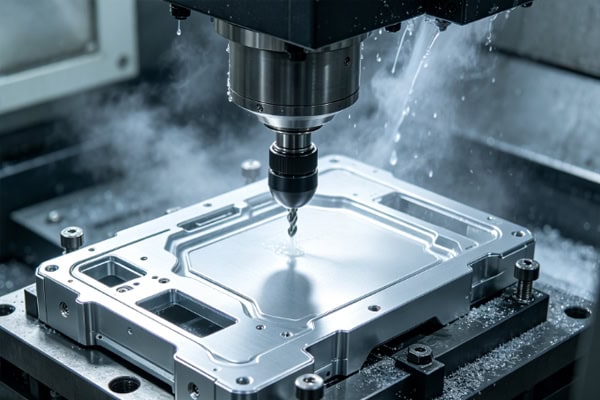
CNC machining is widely used in various types of electronic equipment manufacturing, providing precision parts support across multiple industries.
Consumer Electronics Structural Components
Consumer electronics require high standards for appearance and precision, such as smart device housings, support parts, and functional structural components.
- Capable of machining lightweight metal housings.
- Supports complex exterior design implementation.
- Meets rapid development needs for new products.
CNC machining helps achieve high-quality consumer electronics manufacturing.
Industrial Electronic Equipment Parts
Industrial electronic equipment requires long-term stable operation, demanding higher strength and precision for structural components.
- Supports machining of frames, mounting brackets, and other parts.
- Meets requirements for complex operating environments.
- Provides stable mass production capability.
Reliable machining solutions help extend equipment service life.
Communication and Electronic Testing Equipment Components
Communication and testing equipment contain a large number of precision structural parts requiring high consistency in machining.
- Supports manufacturing of heat sinks, connectors, and mounting components.
- Meets high-precision assembly requirements.
- Suitable for both prototypes and mass production projects.
Professional CNC machining meets diverse manufacturing needs in the electronics industry.
How to Choose a CNC Machining Supplier for Electronic Structural Components
Selecting the right manufacturing partner has a significant impact on project quality and delivery efficiency.
Focus on Equipment and Technical Capabilities
Electronic structural components are typically small in size, high in precision, and complex in structure. Suppliers must have multi-axis CNC machining capabilities, be familiar with different material properties, and be able to handle complex part manufacturing requirements. Strong machining capabilities ensure smooth project execution.
Emphasize Quality Control and Delivery Capability
With tight production cycles in the electronics industry, stable delivery capability is essential.
- Establish comprehensive dimensional inspection processes.
- Implement in-process quality control.
- Ensure consistency between samples and mass production.
A reliable quality management system helps reduce supply chain risks.
Provide Comprehensive Manufacturing Support
Electronic companies often require integrated services from design validation to mass production.
- Provide DFM analysis to optimize design solutions.
- Support surface finishing and post-processing requirements.
- Enable transition from prototyping to large-scale production.
A complete service system improves collaboration efficiency.
As requirements for precision, efficiency, and flexibility in electronic structural component manufacturing continue to increase, CNC machining—leveraging digital control, multi-material processing capabilities, and rapid response advantages—has become a key manufacturing method in the electronics industry. Whether for consumer electronics, industrial equipment, or communication products, professional CNC solutions help companies achieve high-quality part production. TiRapid provides CNC machining services for electronic structural components, supporting one-stop manufacturing from rapid prototyping to mass production.