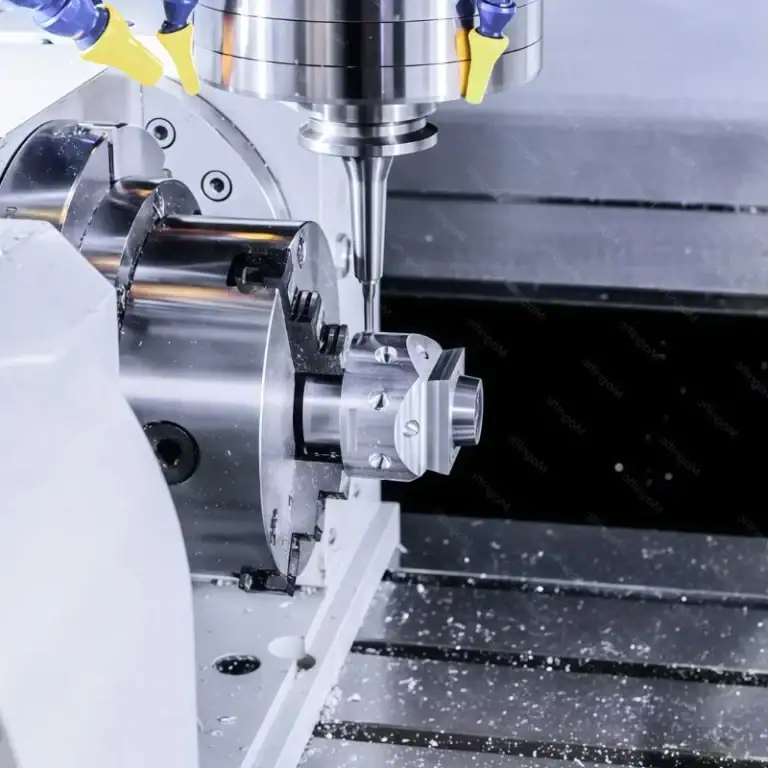
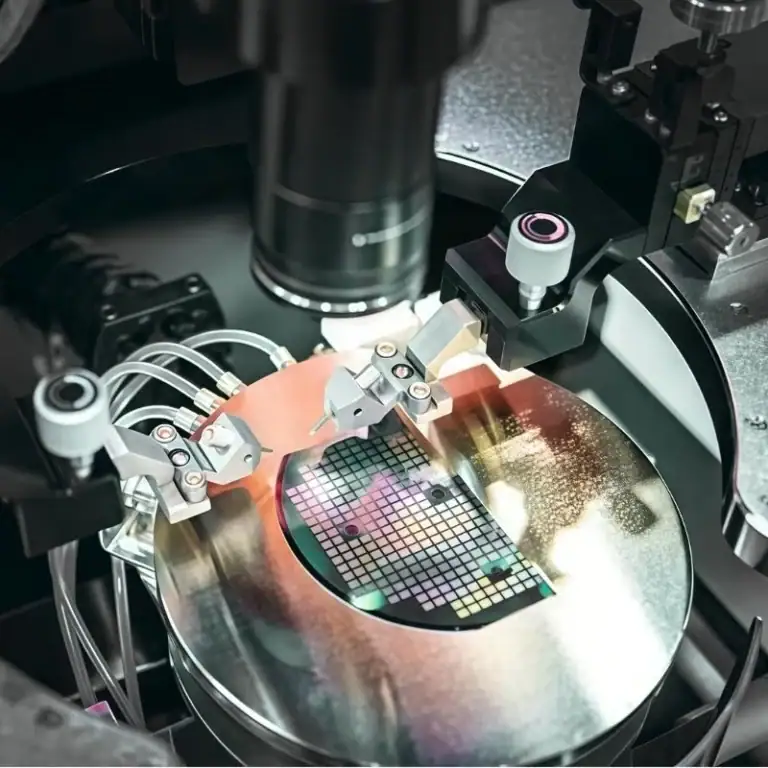
CNC machining medical is the precision manufacturing of metal and plastic parts used in medical devices, instruments, and equipment.These parts often require tight tolerances, stable repeatability, and reliable surface quality because medical applications place higher demands on fit, function, and manufacturing consistency.
In this guide, you’ll learn what cnc machining medical is, which processes are commonly used, what benefits it offers, and where it is applied.
What Is CNC Machining Medical?
CNC machining medical is the use of computer-controlled machine tools to produce parts for medical applications with precise geometry and stable quality. In practice, it is used to make components such as surgical instruments, implants, diagnostic equipment parts, housings, and other precision medical machining parts that must meet strict dimensional and functional requirements.
CNC machining medical is different from general machining because medical parts often require tighter tolerances, better repeatability, smoother finishes, and stronger process control. These requirements are especially important when a part is used in surgery, implanted in the body, or integrated into critical diagnostic equipment.
Why Does the Medical Industry Rely on CNC Machining?
The medical industry relies on CNC machining because it combines precision, consistency, flexibility, and speed. Medical manufacturers need a process that can handle both prototypes and production parts while still meeting strict quality and safety expectations.
The medical industry relies on CNC machining for several practical reasons:
- Tight Tolerance Control
- Stable Repeatability
- Support for Complex and Miniature Parts
- Flexibility from Prototype to Production
- Compatibility with Multiple Medical Materials
- Strong Support for Custom Part Development
High Precision and Consistency Requirements
Medical parts require high precision and consistency because even small dimensional errors can affect fit, function, and patient safety. This is especially true for implants, surgical tools, and precision device components that must perform exactly as intended.
Demand for Complex Medical Parts
The medical industry uses CNC machining because many medical parts are small, intricate, and geometrically complex. Components such as bone screws, implant features, instrument heads, and micro medical parts often require advanced machining strategies and tighter process control than standard industrial parts.
Flexibility from Prototyping to Production
CNC machining is also important because it supports both rapid prototyping and repeatable production. This allows engineers to validate designs quickly, revise parts without mold tooling, and move more smoothly into low- or mid-volume manufacturing.
What Processes Are Commonly Used in CNC Machining Medical ?
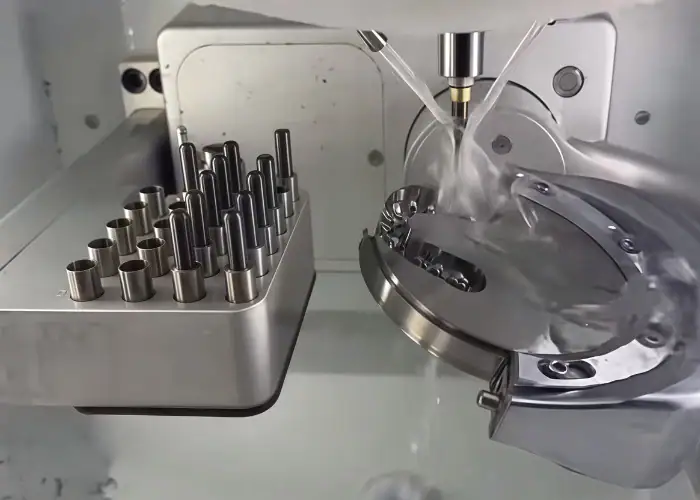
The most common processes used in CNC machining medical are CNC milling, CNC turning, 5-axis CNC machining, Swiss-type turning, and micromachining. Each process fits different medical part geometries, tolerance levels, and manufacturing goals.
CNC Milling
CNC Milling is widely used for medical parts that require flat surfaces, pockets, slots, contours, and features distributed across multiple faces. This process is especially suitable for components that need accurate dimensional control and flexible geometric shaping. In medical manufacturing, CNC Milling is commonly applied to plates, housings, brackets, fixtures, supports, and other structural components used in equipment and devices.
Because milling can create both external and internal geometries, it is highly effective for parts with detailed designs, mounting features, recessed areas, and functional surfaces. It is also a practical solution when parts must combine strength, precision, and design flexibility in a single component.
- Suitable for Pockets, Slots, and Contours
- Works Well for Housings and Structural Parts
- Supports Complex External and Internal Features
CNC Turning
CNC Turning is used for cylindrical or rotational medical parts that require precise diameter control, smooth surface finish, and strong concentricity. This process is commonly chosen for pins, sleeves, shafts, connectors, threaded parts, and screw-like medical components. It is particularly effective when the part geometry is centered around a round profile and requires stable, repeatable machining.
In medical manufacturing, turning is valued for its efficiency in producing high-precision round parts in both prototype and production quantities. It is often selected when consistent outside diameters, accurate center alignment, and fine finishes are critical to the function of the final component.
- Suitable for Round and Shaft-Like Parts
- Good for Diameter Control and Concentricity
- Efficient for Repeated Precision Production
5-Axis CNC Machining
5-Axis CNC Machining is used when medical parts include complex surfaces, multi-angle features, or intricate geometries that cannot be produced efficiently with simpler machining setups. By allowing the cutting tool or part to move across five different axes, this process makes it possible to machine multiple sides and complex contours in fewer operations.
In medical applications, 5-Axis CNC Machining is especially useful for advanced device components, surgical tools, custom implants, and parts with demanding geometric requirements. It can improve accuracy by reducing repositioning errors and can also enhance surface continuity on parts with flowing or organic shapes. This makes it a strong option for precision components where complexity and consistency are both important.
- Reduces Multiple Setups
- Improves Access to Complex Geometry
- Supports Better Surface Continuity
Swiss-Type Turning
Swiss-Type Turning is ideal for medical parts that are long, slender, miniature, and difficult to support with conventional turning methods. This process uses a guide bushing system that helps stabilize the workpiece close to the cutting area, making it highly effective for producing very small, narrow, or delicate cylindrical components.
In the medical field, Swiss-Type Turning is often used for bone screws, pins, miniature shafts, catheter-related components, and other precision parts with tight tolerances. It is especially valuable when part stability, straightness, and consistency must be maintained across small diameters and extended lengths. For many miniature cylindrical medical components, Swiss machining offers a reliable balance of precision and efficiency.
- Ideal for Long and Slender Miniature Parts
- Improves Machining Stability
- Commonly Used for Fine Cylindrical Components
Micromachining
Micromachining is used when medical parts require extremely small features, miniature dimensions, or very fine detail control. This process supports the production of micro-scale components and delicate features that are often found in advanced medical devices, diagnostic systems, minimally invasive tools, and compact medical assemblies.
As medical products continue to become smaller and more sophisticated, Micromachining plays an increasingly important role in manufacturing tiny holes, narrow channels, sharp edges, and other miniature details with high precision. It is especially useful for applications where standard machining methods may not provide enough control at such a small scale.
- Supports Very Small Holes and Fine Features
- Useful for Compact Medical Products
- Improves Control at Micro Scale
| Process | Best For | Typical Medical Uses | Main Advantage |
| CNC Turning | Cylindrical And Rotational Parts | Pins, Sleeves, Shafts, Screws, Connectors | Efficient Machining Of Round Precision Parts |
| CNC Milling | Flat, Contoured, And Multi-Face Parts | Housings, Brackets, Plates, Structural Parts | Flexible Geometry And Broad Application Range |
| 5-Axis CNC Machining | Complex Surfaces And Multi-Angle Features | Implants, Advanced Device Parts, Intricate Tools | Fewer Setups And Better Geometric Accuracy |
| Swiss-Type Turning | Small, Long, Slender Precision Parts | Bone Screws, Miniature Shafts, Catheter-Related Parts | Better Support For Small High-Precision Parts |
| Micromachining | Very Small Features And Micro Components | Micro Medical Parts, Miniature Device Details | Excellent Control Of Tiny Features |
What Materials Are Commonly Used in CNC Machining Medical ?
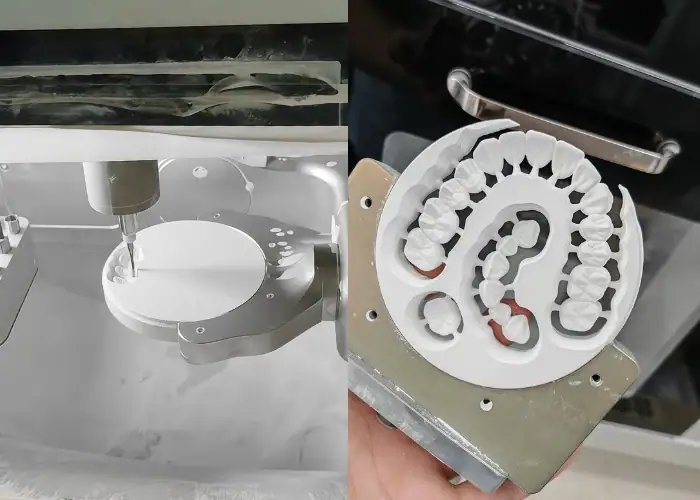
Medical CNC machining uses a variety of metals and plastics depending on the part’s function, required strength, corrosion resistance, sterilization exposure, and biocompatibility needs. In general, metals are often selected for strength and durability, while plastics are preferred for lightweight design, chemical resistance, insulation, or transparency.
Metal Materials
Aluminum
Aluminum is often used for lightweight medical housings, diagnostic equipment parts, and non-implant structural components. It is valued for its good machinability, low weight, and compatibility with surface treatments such as anodizing.
Stainless Steel
Stainless steel is one of the most widely used materials in medical CNC machining because it offers excellent corrosion resistance, durability, and reliable mechanical performance. It is commonly used for surgical instruments, reusable tools, brackets, shafts, and support hardware.
Titanium
Titanium is commonly used for orthopedic components, dental parts, and other high-performance medical applications. It is known for its high strength-to-weight ratio, corrosion resistance, and biocompatibility, although it is generally more expensive and difficult to machine than many other metals.
Plastic Materials
PEEK
PEEK is a high-performance plastic often used for medical parts that require strength, dimensional stability, chemical resistance, and sterilization compatibility. It is commonly used for surgical guides, device internals, and selected high-performance components.
PTFE
PTFE is valued for its low friction and excellent chemical resistance. It is often used in seals, guide components, and fluid-handling parts where smooth movement and chemical stability are important.
Polycarbonate
Polycarbonate is commonly used when transparency, toughness, and impact resistance are required. It is often selected for covers, housings, and visual components in medical equipment.
Acetal
Acetal is a practical engineering plastic known for good dimensional stability and machinability. It is often used for precision plastic parts, fixtures, and support components in non-implant medical applications.
| Material | Type | Main Advantage | Typical Medical Uses | Main Consideration |
|---|---|---|---|---|
| Aluminum | Metal | Lightweight and easy to machine | Housings, diagnostic equipment parts, structural components | Not suitable for every high-load or implant use |
| Stainless Steel | Metal | Corrosion resistance and durability | Surgical instruments, reusable tools, hardware | Heavier than aluminum |
| Titanium | Metal | High strength-to-weight ratio and biocompatibility | Orthopedic components, dental parts, high-performance medical parts | More difficult and expensive to machine |
| PEEK | Plastic | Strength, stability, and sterilization resistance | Surgical guides, device internals, high-performance components | Higher cost than standard plastics |
| PTFE | Plastic | Low friction and chemical resistance | Seals, guides, fluid-handling parts | Lower structural strength |
| Polycarbonate | Plastic | Transparency and impact resistance | Covers, housings, visual components | Material suitability depends on sterilization and chemical exposure |
What Are the Common Surface Finishes for Medical CNC Parts?
Common surface finishes for medical CNC parts include anodizing, black oxide, QPQ, electroplating, and hardening. These finishes are selected to improve corrosion resistance, wear resistance, appearance, or functional performance depending on the material and the part’s medical use.
Anodizing
Anodizing is mainly used on aluminum medical parts to improve corrosion resistance and surface appearance. It is common for housings, external components, and lightweight structural parts.
Black Oxide
Black oxide is mainly used on steel parts when a dark finish and basic corrosion protection are needed. It is more common on tools and selected hardware than on high-corrosion environments.
QPQ
QPQ is used to improve wear resistance, hardness, and corrosion resistance on steel parts. It can be useful for medical mechanical parts that see repeated contact or friction.
Electroplating
Electroplating is used when a part needs improved corrosion resistance, conductivity, or surface appearance. The suitability depends on the base material, coating type, and part function.
Hardening
Hardening is used to improve surface durability and wear resistance. It is often considered for parts that experience repeated motion, contact, or mechanical stress.
| Surface Finish | Common Base Material | Main Purpose | Typical Benefit |
| Anodizing | Aluminum | Corrosion resistance and appearance | Better durability and cleaner surface appearance |
| Black Oxide | Steel | Basic protection and darker appearance | Reduced glare and improved appearance |
| QPQ | Steel | Wear and corrosion resistance | Higher surface hardness and longer service life |
| Electroplating | Metal parts | Functional or decorative improvement | Better corrosion resistance or conductivity |
| Hardening | Steel and selected alloys | Improve surface strength | Better wear resistance for moving parts |
Key Benefits of CNC Machining Medical
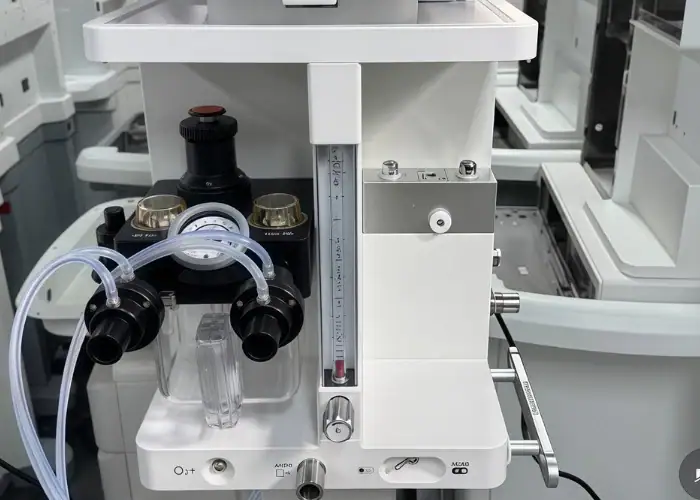
The key benefits of CNC machining medical are high precision, strong repeatability, support for complex geometry, and flexibility for prototyping and production. These advantages make it one of the most practical manufacturing methods for many medical device programs.
High Precision and Repeatability
CNC machining medical provides high precision and repeatability, which are essential when every part must match validated dimensions and perform consistently. This is especially important for regulated products and standardized medical components.
Stable Surface Finish and Dimensional Accuracy
CNC machining medical helps maintain stable surface finish and dimensional accuracy. This improves assembly quality, part fit, and the performance of parts that require smooth surfaces or exact interfaces.
Support for Rapid Prototyping and Custom Production
CNC machining medical supports rapid prototyping and custom production because parts can be made directly from CAD data without new mold tooling. This is useful for design validation, low-volume launches, and patient-specific devices.
Capability for Small and Complex Medical Parts
CNC machining medical is especially effective for small and complex parts because advanced toolpaths and specialized equipment can control fine details and difficult features more reliably.
Limitations and Challenges of CNC Machining Medical
The main challenges in CNC machining medical are difficult materials, higher cost for complex parts, and strict quality and validation requirements. These challenges do not reduce its value, but they do make supplier capability and process planning more important.
Material Machining Difficulty
Some medical materials are difficult to machine. Titanium and other high-performance materials can increase heat, tool wear, and process complexity, especially when tight tolerances must still be maintained.
Cost of Complex Parts
Complex medical parts usually cost more because they require more setups, longer machining time, tighter inspection, and lower tolerance for errors. Additional finishing or validation can also increase cost.
Strict Validation and Quality Requirements
Validation and quality requirements are stricter in medical manufacturing than in many general industries. Manufacturers often need stronger documentation, tighter control, and more rigorous verification before release.
| Challenge | Why It Matters | Typical Impact |
| Difficult Materials | Some materials are hard to cut and control | Higher tool wear and longer machining time |
| Complex Part Geometry | Intricate parts require more advanced setups | Higher manufacturing cost |
| Strict Quality Requirements | Medical parts need stronger verification | More inspection and documentation effort |
| Surface and Cleanliness Demands | Surface defects can affect performance | Extra finishing and cleaning steps |
Applications of CNC Machining Medical
CNC machining medical is commonly applied to surgical instruments, orthopedic implants, dental components, prosthetics, diagnostic equipment parts, and medical housings. These products all depend on reliable precision and repeatable quality.
Surgical Instruments
Surgical instruments are commonly machined with CNC because they require precise geometry, clean edges, and dependable repeatability. Examples include forceps, retractors, handles, and cutting components.
Orthopedic Implants
Orthopedic implants are a major application of CNC machining medical. Hip replacements, knee replacements, spinal implants, and related components need excellent dimensional accuracy and surface quality to fit properly and perform reliably in the body.
Dental Devices and Components
Dental devices and components are frequently machined because they require small-scale precision, good fit, and controlled surface quality. This includes dental implants, precision fixtures, and related dental parts.
Prosthetics and Custom Medical Parts
Prosthetics and custom medical parts are well suited to CNC machining because digital patient data can be translated into customized geometries. This supports better fit, comfort, and functional performance.
Diagnostic Equipment Components
Diagnostic equipment uses CNC machined parts for imaging systems, analyzers, and other precision assemblies. These parts must support reliable operation and accurate equipment performance.
Medical Equipment Covers and Housings
Medical equipment covers and housings are machined to protect internal systems, support assembly, and maintain structural integrity. CNC machining is commonly used for monitor housings, pump enclosures, and similar external components.
| Application Area | Typical Machined Parts | Why CNC Machining Is Used |
| Surgical Instruments | Forceps, handles, clamps, cutting parts | Precision, repeatability, and clean geometry |
| Orthopedic Implants | Hip implants, knee implants, spinal implants | Accurate fit, stable performance, and high precision |
| Dental Devices | Dental implants, fixtures, small dental parts | Small-scale precision and controlled fit |
| Prosthetics and Custom Parts | Patient-specific supports and customized components | Flexible customization from digital designs |
| Diagnostic Equipment | Analyzer parts, imaging system components, mounts | Reliable assembly and dimensional stability |
| Medical Housings and Covers | Equipment enclosures, covers, support structures | Structural accuracy and good surface quality |
Quality Control And Regulatory Disciplinein CNC Machining Medical
Quality control and regulatory discipline are essential in CNC machining medical because medical parts must be accurate, traceable, and consistently manufactured. In many cases, the process must support documented inspection, material control, and compliance with medical quality expectations.
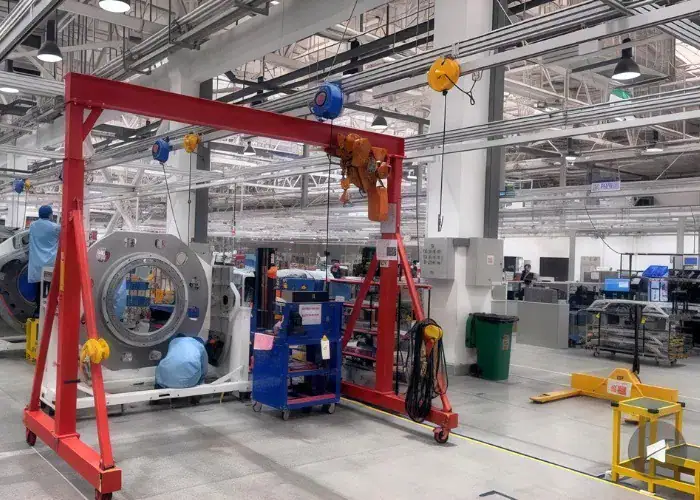
CNC machining medical projects often require attention to:
- Dimensional inspection
- Process consistency
- Burr control
- Surface cleanliness
- Material traceability
- Inspection records
- Documented quality procedures
Dimensional Inspection and Process Control
Dimensional inspection and process control are needed to maintain consistency across parts and batches. Medical machining programs often rely on stricter in-process checks and verification than general machining work.
Surface Quality and Cleanliness Requirements
Surface quality and cleanliness are important because medical parts may require smooth finishes, low burr levels, and reduced contamination risk. This matters even more for instruments, implant-related parts, and critical assemblies.
Compliance and Traceability in Medical Manufacturing
Compliance and traceability matter because medical manufacturing often requires records for materials, process steps, and inspections. These records help support quality systems and regulatory expectations.
Future Trends in CNC Machining Medical
CNC machining medical is moving toward more automation, higher precision, broader material options, and greater support for patient-specific products. These trends reflect the wider shift toward personalized medicine and more advanced medical devices.
Automation and Smart Manufacturing
Automation and smart manufacturing will improve process stability, efficiency, and inspection confidence. Advanced CAD/CAM, simulation, and optimized toolpaths already play a growing role in medical machining.
Higher-Precision Micromachining
Higher-precision micromachining will continue to grow as medical devices become smaller and more feature-dense. This is especially relevant for microdevices, minimally invasive tools, and precision diagnostic components.
More Material Options
More material options are likely to expand medical machining capability. Manufacturers continue to evaluate metals, polymers, composites, and other specialized materials for better balance between performance and manufacturability.
Patient-Specific Parts and Faster Prototyping
Patient-specific parts and faster prototyping will remain important because personalized treatment and shorter development cycles are becoming more common. CNC machining supports both trends without requiring dedicated tooling for every revision.
How to Choose the Right CNC Machining Medical Partner?
The right CNC machining medical partner should have precision machining capability, experience with medical materials, reliable quality control, and support for both prototyping and production. A strong supplier should also understand inspection needs, finishing requirements, and project communication.
A reliable CNC machining medical partner should offer:
- Experience with medical parts and applications
- Suitable CNC processes such as milling, turning, Swiss machining, and 5-axis machining
- Stable quality control procedures
- Knowledge of medical materials and finishes
- Support for prototypes and low-volume production
- Dependable lead times and communication
When comparing suppliers, it is useful to check process range, tolerance capability, material knowledge, documentation practices, and consistency in lead time. In medical manufacturing, supplier reliability is often as important as machine capability.
FAQs
How Does CNC Machining For Medical Purposes Differ From Other Industries?
CNC machining medical requires tighter tolerances, stronger traceability, and more consistent quality control than many other industries. It often involves strict documentation, validated processes, certified materials, and stable repeatability to support safety, function, and regulatory expectations.
Why Is Precision Important In CNC Machining Medical ?
Precision is critical in CNC machining medical because small dimensional errors can affect fit, alignment, sealing, motion, and product performance. High precision also supports consistency, assembly reliability, and quality compliance, which are essential for medical parts and devices.
What Does CNC Mean In Medical?
CNC in medical means Computer Numerical Control used to machine precise medical parts from metal or plastic materials. In this field, CNC is widely used for components that require tight tolerances, repeatability, fine surface quality, and support from prototype to production.
Conclusion
CNC machining medical helps manufacturers produce precision parts for surgical instruments, implants, housings, brackets, and diagnostic devices across a wide range of medical applications. The right CNC machining medical solution depends on factors such as part geometry, material selection, tolerance requirements, surface finish, regulatory expectations, production volume, and overall project needs.
At TiRapid, we provide precision CNC machining for custom medical parts with support from prototyping to production. Upload your design to get a tailored solution for your medical manufacturing project.