Corrosion, oxidation, and rust are closely related, but they do not mean the same thing. Although these terms are often used interchangeably when describing metal surface changes or damage, each refers to a different process with its own effect on material condition and durability.
Understanding the difference between corrosion, oxidation, and rust is important for selecting the right materials and protection methods. In this article, we will explain what each term means and how they differ in practical applications.
What Is Corrosion?
Corrosion is the gradual deterioration of a material caused by chemical or electrochemical reactions with its surrounding environment. It most commonly affects metals when they are exposed to moisture, oxygen, salts, chemicals, or other corrosive conditions.
Unlike oxidation, which is a general chemical reaction, corrosion usually refers to actual material damage. It can reduce mechanical strength, damage surface quality, and shorten the service life of a part or product.
Corrosion can appear in different forms depending on the material and service environment, such as uniform corrosion, pitting, galvanic corrosion, or crevice corrosion. Because it can affect performance, reliability, and maintenance cost, corrosion is a key consideration in material selection, product design, and surface protection.
What Is Oxidation?
Oxidation is a chemical process in which a material loses electrons during a reaction, usually when it comes into contact with oxygen or another oxidizing substance. In metal applications, oxidation often appears as a surface change caused by exposure to air, moisture, or heat.
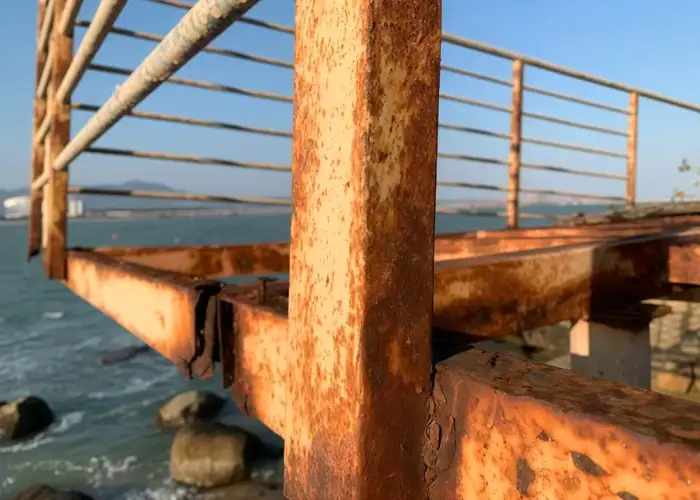
Although oxidation is commonly associated with damage, it does not always have a negative effect. In some cases, oxidation forms a stable surface layer that helps protect the underlying metal. A common example is aluminum, which develops a thin oxide layer that improves corrosion resistance.
In other situations, oxidation can contribute to surface degradation, discoloration, or further material damage, especially when the oxide layer is weak or unstable. For this reason, oxidation is best understood as a general chemical reaction that may either protect a material or become part of a larger deterioration process.
What Is Rust?
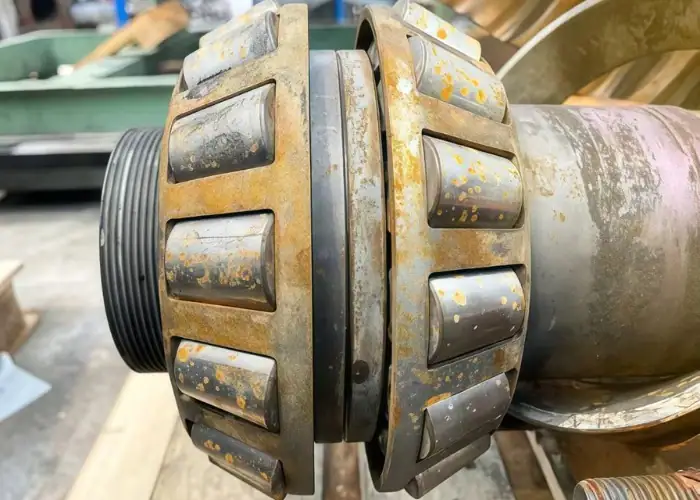
Rust is a specific type of corrosion that occurs when iron or iron-containing materials react with oxygen and moisture. It usually appears as a reddish-brown or orange-brown layer on the surface, which is the corrosion product commonly known as rust. Unlike corrosion in a broad sense, rust only forms on iron, carbon steel, and other ferrous alloys, so it can be understood as one specific form of corrosion.
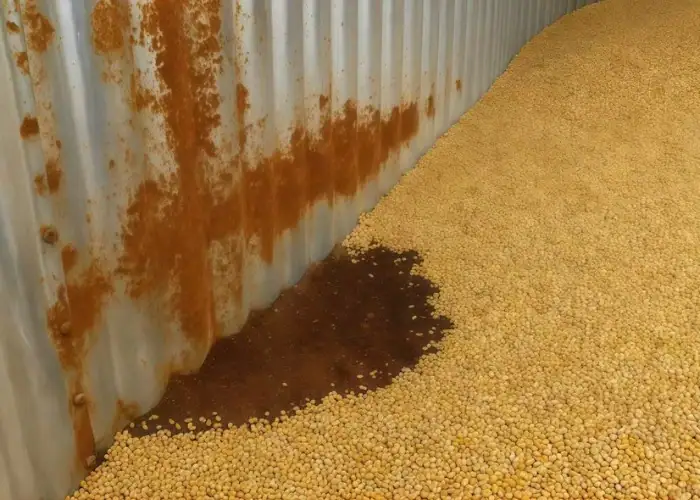
Rust typically forms when several basic conditions are present, including iron, oxygen, and moisture. When these conditions exist together, the metal surface gradually reacts and produces a loose rust layer. Unlike the dense oxide layers that can protect some metals, rust usually does not protect the underlying material. Instead, it often exposes fresh metal and allows the corrosion process to continue.
In real applications, rust not only affects appearance but can also reduce structural strength, assembly reliability, and service life. For this reason, rust prevention is an important consideration in material selection, surface treatment, and routine maintenance for steel parts, equipment, and outdoor metal products.
Corrosion vs Oxidation vs Rust: What Are the Main Differences?
Corrosion, oxidation, and rust are closely related, but they are not the same. Oxidation is a chemical reaction in which a material loses electrons, corrosion is material damage caused by the environment, and rust is a specific type of corrosion that forms on iron or iron-containing materials.
The relationship between them can be understood this way: oxidation is a reaction mechanism, corrosion is a result of material degradation, and rust is one common form of corrosion in ferrous materials. In other words, rust always involves oxidation and is part of corrosion, but oxidation does not always lead to corrosion, and corrosion does not always appear as rust. For example, the oxide layer on aluminum is often protective rather than destructive.
Understanding these differences is important in real engineering and manufacturing applications. If oxidation, corrosion, and rust are treated as the same thing, it can lead to inaccurate decisions in material selection, surface treatment, and protection methods. For parts that require long-term durability, reliability, and environmental resistance, clearly distinguishing these terms helps support better choices in metals, coatings, and maintenance strategies.
Corrosion vs Oxidation vs Rust Comparison Table
| Aspect | Oxidation | Corrosion | Rust |
| Definition | A chemical reaction in which a material loses electrons | The gradual deterioration of a material caused by chemical or electrochemical reactions with its environment | A specific type of corrosion that occurs on iron and ferrous alloys |
| Scope | A broad chemical process that can occur in many materials | A broad form of material degradation, usually harmful | A narrow term that only applies to iron-based materials |
| Main Cause | Reaction with oxygen or other oxidizing agents | Exposure to moisture, oxygen, salts, chemicals, or other corrosive conditions | Reaction of iron with oxygen and moisture |
| Materials Affected | Metals and some non-metal materials | Many metals and engineering materials | Iron, carbon steel, cast iron, and other ferrous alloys |
| Typical Result | May form a protective layer or cause surface change | Causes material damage, reduced performance, and shorter service life | Forms a reddish-brown rust layer and continues to damage the base metal |
| Always Harmful? | Not always | Usually yes | Yes, in most cases |
| Common Example | Aluminum forming a protective oxide layer | Pitting corrosion on stainless steel or galvanic corrosion between metals | Carbon steel rusting in a humid environment |
What Materials Can Corrode, Oxidize, or Rust?
Many materials can corrode, oxidize, or rust, but the specific process depends on the material itself and the environment it is exposed to. In simple terms, rust only occurs on iron and iron-containing materials, while oxidation and corrosion can affect a much wider range of metals and other engineering materials.
Aluminum
Aluminum does not rust, but it oxidizes very easily. In many cases, this oxidation forms a thin protective oxide layer that helps prevent further corrosion. However, aluminum can still corrode in harsh environments, especially when exposed to salt, chemicals, or galvanic contact with other metals.
Iron And Steel
Iron and steel are the materials most commonly associated with rust. When they are exposed to oxygen and moisture, they can form reddish-brown rust on the surface. Carbon steel, cast iron, and low-alloy steel are especially prone to rust if they are not properly protected.
Stainless Steel
Stainless steel does not rust as easily as carbon steel, but it can still corrode under certain conditions. In chloride-rich, acidic, or poorly maintained environments, stainless steel may develop pitting, staining, or localized corrosion. It also forms a passive oxide layer on the surface, which helps improve corrosion resistance.
Copper And Brass
Copper and brass do not rust, but they can both oxidize and corrode. Copper often develops a dark oxide layer or a green patina over time, while brass may tarnish or corrode depending on the environment. These surface changes are common in outdoor, humid, or chemically exposed conditions.
Zinc
Zinc does not rust like iron, but it can corrode and oxidize over time. In many applications, zinc forms a surface layer that helps slow further corrosion, which is why it is often used as a protective coating on steel through galvanizing. However, in harsh outdoor or chemical environments, zinc can still degrade and lose its protective effect.
Magnesium
Magnesium is highly reactive and can oxidize or corrode more easily than many other engineering metals. Although it is valued for its low weight, it usually requires careful surface protection when used in demanding environments. Moisture, salt, and chemical exposure can significantly increase corrosion risk, especially if the part is not properly coated or treated.
Why Do These Differences Matter in Real Applications?
Understanding the differences between corrosion, oxidation, and rust is important because they affect material selection, surface protection, and long-term part performance. If these terms are misunderstood, engineers and buyers may choose unsuitable materials or coatings for the actual working environment.
In engineering and manufacturing, different metals respond differently to moisture, oxygen, chemicals, and outdoor exposure. For example, stainless steel is often chosen for corrosion resistance, aluminum is valued for its protective oxide layer, and carbon steel usually needs rust prevention in demanding conditions. Knowing these differences helps support better decisions and more reliable results.
Material Selection
Material selection is one of the most direct areas where these differences matter. Because metals respond differently to oxidation, corrosion, and rust, engineers need to choose materials based on the service environment, strength requirements, corrosion resistance, and cost. For example, aluminum is suitable for lightweight applications with natural oxide protection, stainless steel is preferred for corrosion-resistant environments, and carbon steel usually requires additional rust protection.
Surface Treatment Decisions
Understanding the differences between oxidation, corrosion, and rust also helps in choosing the right surface treatment. Different finishing methods provide different types of protection. For example, anodizing is commonly used for aluminum, passivation is often applied to stainless steel, and painting, plating, or galvanizing are more suitable for steel parts that need corrosion or rust resistance. A clearer understanding of the actual risk leads to more effective protection strategies.
Service Life and Maintenance Cost
These differences also affect part service life and maintenance cost. If a material is prone to corrosion or rust in its working environment, it may require more frequent inspection, cleaning, repair, or replacement. In contrast, selecting the right material and protection method can reduce failure risk, extend service life, and lower overall lifecycle cost.
Product Reliability and Performance
In many industrial applications, surface changes do not only affect appearance but can also influence assembly accuracy, structural strength, and operating reliability. This is especially true for machined parts, fasteners, pipes, outdoor equipment, and custom components, where corrosion or rust may create a higher risk of failure. For this reason, clearly distinguishing these terms is important for maintaining product performance and reliability.
Common Effects of Corrosion, Oxidation, and Rust
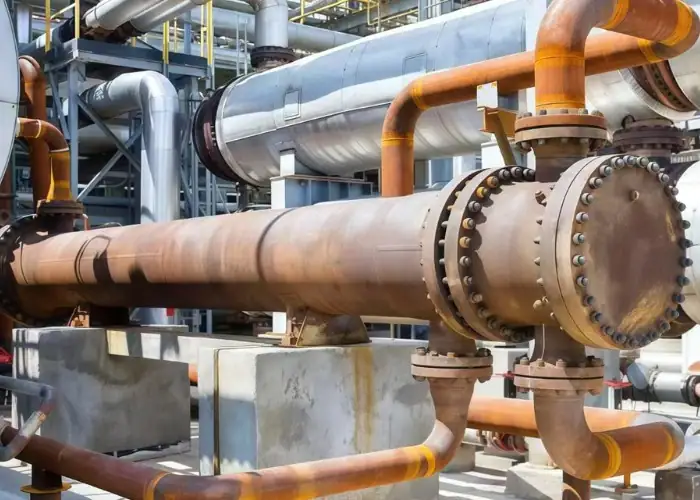
Corrosion, oxidation, and rust can all affect the appearance, performance, and service life of metal parts, but their impact depends on the material and working environment. In some cases, oxidation may create a protective surface layer, but in many industrial applications, corrosion and rust lead to gradual material damage that becomes more serious over time.
Effects on Appearance and Surface Quality
Corrosion, oxidation, and rust often cause visible changes on metal surfaces, such as discoloration, dullness, rough texture, or flaking. These changes can reduce the visual quality of a part and may also indicate that the material is being affected by its environment.
Effects on Strength and Structural Integrity
When corrosion or rust continues to develop, it can weaken the material by reducing thickness and damaging the metal surface. In structural or load-bearing parts, this may lower strength, reduce reliability, and increase the risk of failure.
Effects on Fit, Assembly, and Function
Surface damage caused by corrosion or rust can also affect dimensional accuracy and assembly performance. In precision parts, even slight material loss or surface buildup may create fitting problems, movement issues, or reduced functional consistency.
Effects on Maintenance Cost and Service Life
Parts exposed to corrosion or rust often need more maintenance, including inspection, cleaning, repair, and replacement. This not only increases operating cost but can also shorten service life and reduce overall equipment efficiency.
How to Prevent Corrosion, Oxidation, and Rust ?
Preventing corrosion, oxidation, and rust starts with choosing the right material, surface treatment, and protection method for the actual service environment. In many cases, good design, proper storage, and regular maintenance are just as important as the material itself.
Choose the Right Material
Material selection is one of the most effective ways to reduce the risk of corrosion and rust. Metals such as stainless steel and aluminum are often chosen for better corrosion resistance, while carbon steel may require additional protection in humid or chemically exposed environments. Selecting a material that matches the working conditions can greatly improve part durability and service life.
Apply Protective Surface Treatments
Surface treatments help create a barrier between the metal and the surrounding environment. Common methods include painting, powder coating, plating, galvanizing, anodizing, and passivation. The right treatment depends on the base material, the required appearance, and the level of protection needed for the application.
Control the Working Environment
Reducing exposure to moisture, salt, chemicals, and temperature extremes can help slow down corrosion and rust. In practical applications, this may involve improving ventilation, keeping parts dry, using protective packaging, or limiting contact with corrosive substances. A more controlled environment can significantly reduce long-term material damage.
Improve Part Design
Good part design can also help prevent corrosion and rust. Features that trap water, dirt, or chemicals may increase the risk of localized damage, especially in corners, crevices, or hard-to-clean areas. Designing for drainage, easier cleaning, and better airflow can improve protection and reduce maintenance problems.
Perform Regular Inspection and Maintenance
Routine inspection and maintenance are important for identifying early signs of corrosion, oxidation, or rust before they become more serious. Cleaning, recoating, replacing damaged finishes, and checking exposed areas can all help extend service life and reduce repair cost. Preventive maintenance is often more cost-effective than waiting for visible damage or part failure.
How to Choose Between Corrosion Resistance and Cost?
Choosing between corrosion resistance and cost depends on the part’s environment, function, and expected service life. A lower-cost material may reduce initial expense, but it can lead to more maintenance and earlier replacement if corrosion becomes a problem.
Evaluate the Service Environment
The first step is to understand the real operating conditions of the part. Moisture, salt, chemicals, outdoor exposure, high humidity, and temperature changes can all increase corrosion risk. If the environment is mild, a lower-cost material may be sufficient. If the environment is aggressive, investing in better corrosion resistance is usually more economical in the long run.
Compare Initial Cost with Lifecycle Cost
A material with a lower purchase price is not always the most cost-effective option. If it requires frequent maintenance, protective coatings, or early replacement, the total cost can become much higher over time. In many industrial applications, evaluating lifecycle cost gives a more accurate basis for material selection than comparing material prices alone.
Consider Surface Treatment Options
In some cases, a more affordable base material can still perform well if it is combined with the right surface treatment. Coatings such as painting, plating, galvanizing, anodizing, or passivation may improve protection and reduce cost compared with switching to a more expensive alloy. This makes surface treatment an important factor in balancing performance and budget.
Match Material Choice to Part Function
Not every part needs the same level of corrosion resistance. Structural parts, outdoor components, medical devices, and parts exposed to moisture or chemicals usually require better protection. On the other hand, parts used indoors or in controlled environments may not need premium corrosion resistance. Choosing material based on actual function helps avoid both underengineering and unnecessary cost.
Think About Reliability and Maintenance
Parts that are difficult to inspect, repair, or replace often justify a more corrosion-resistant material. If a failure could lead to downtime, safety concerns, or expensive maintenance, paying more for better durability is often the better decision. For easier-to-replace or low-risk parts, a lower-cost option may be acceptable if the environment is not too severe.
FAQs
Is rust the same as corrosion?
No. Rust is a specific type of corrosion that forms on iron and iron-containing materials. Corrosion is a broader term that includes many forms of material deterioration, while rust only refers to the reddish-brown corrosion product commonly seen on steel and other ferrous metals.
Can oxidation happen without corrosion?
Yes. Oxidation is a general chemical reaction and does not always lead to harmful material damage. For example, aluminum forms a thin oxide layer that helps protect the surface, so oxidation can sometimes improve corrosion resistance rather than reduce it.
Does stainless steel rust?
Stainless steel is much more resistant to rust than carbon steel, but it is not completely immune to corrosion. Under certain conditions, such as chloride exposure, poor maintenance, or surface contamination, stainless steel can still stain, corrode, or even rust in localized areas.
Which metals are most likely to rust?
Rust mainly affects iron and iron-based materials, such as carbon steel, cast iron, and low-alloy steel. Metals like aluminum, copper, and stainless steel do not rust in the same way, although they can still oxidize or corrode under certain conditions.
What is the best way to prevent rust?
The best way to prevent rust depends on the application, but common methods include choosing corrosion-resistant materials, applying protective coatings, reducing exposure to moisture, and performing regular maintenance. In many cases, combining the right material with the right surface treatment provides the most reliable long-term protection.
Conclusion
Corrosion, oxidation, and rust are closely related, but they are not the same. Oxidation is a chemical reaction, corrosion is material deterioration caused by the environment, and rust is a specific form of corrosion that affects iron and ferrous alloys. Understanding these differences helps engineers, buyers, and manufacturers make better decisions in material selection, surface treatment, and product protection.
At TiRapid, we help customers choose the right materials, surface finishes, and manufacturing processes for better part durability and performance. If you need support with custom CNC machining, sheet metal fabrication, or corrosion-resistant solutions, our team is ready to help.