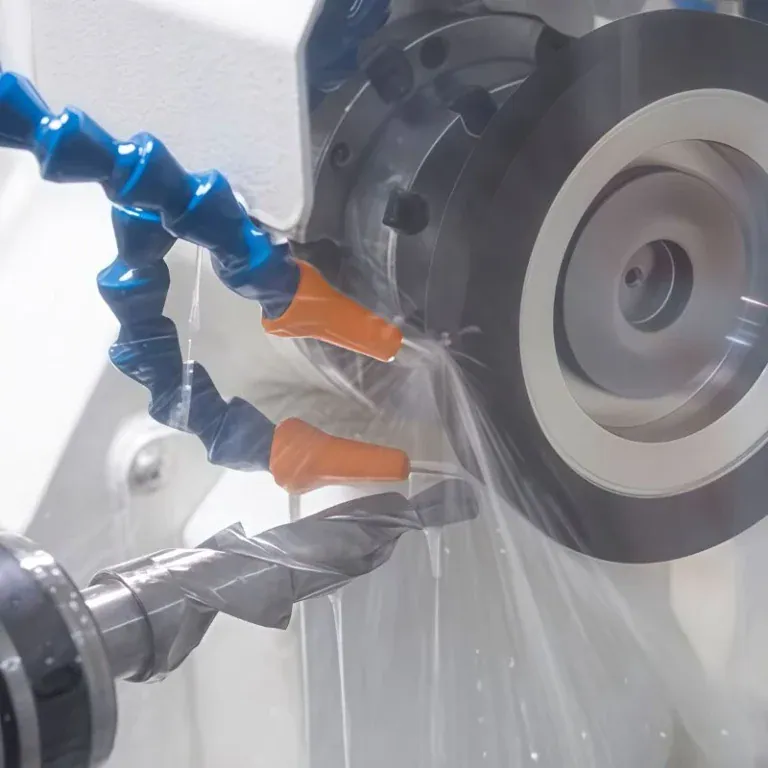
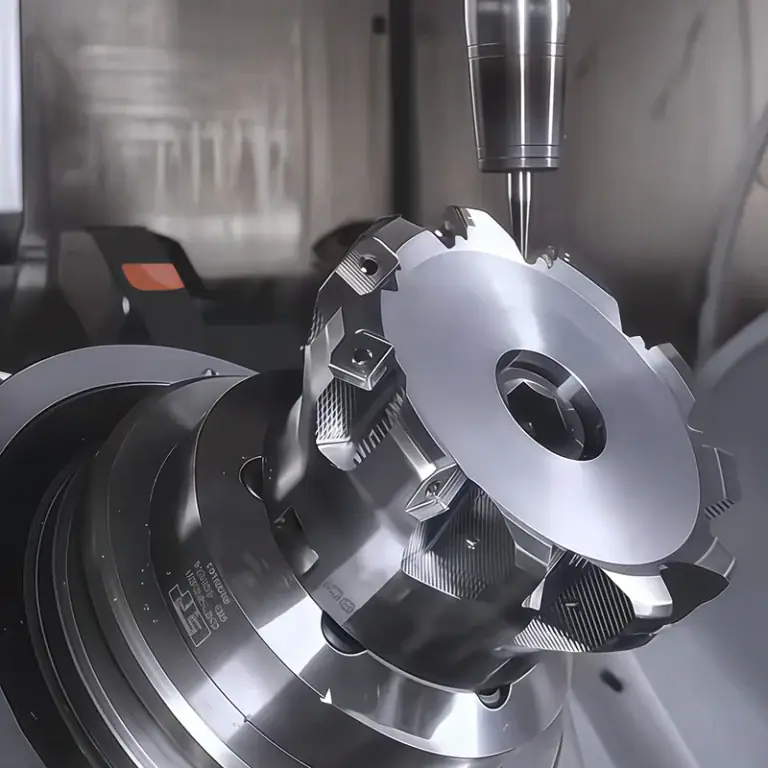
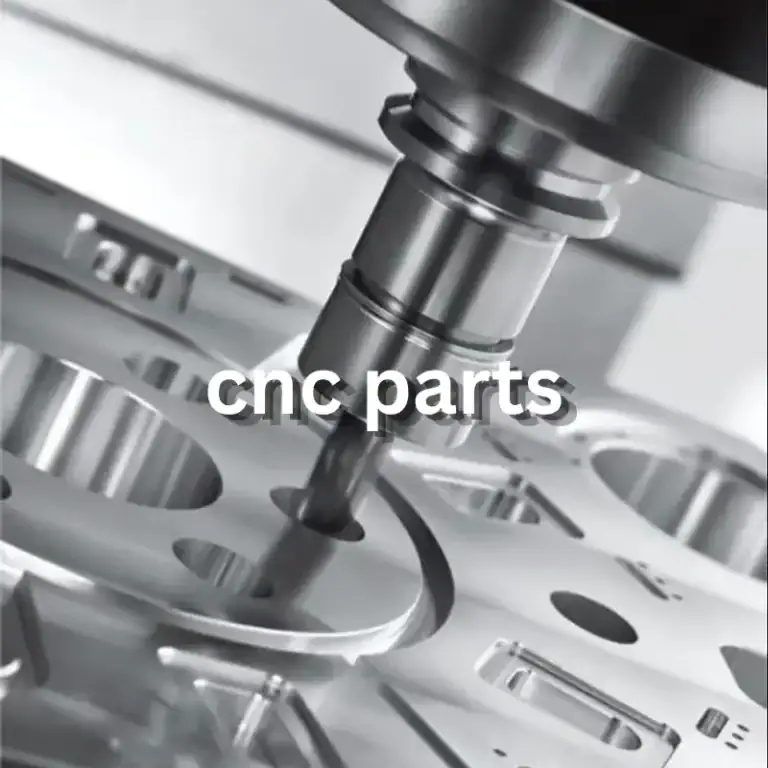
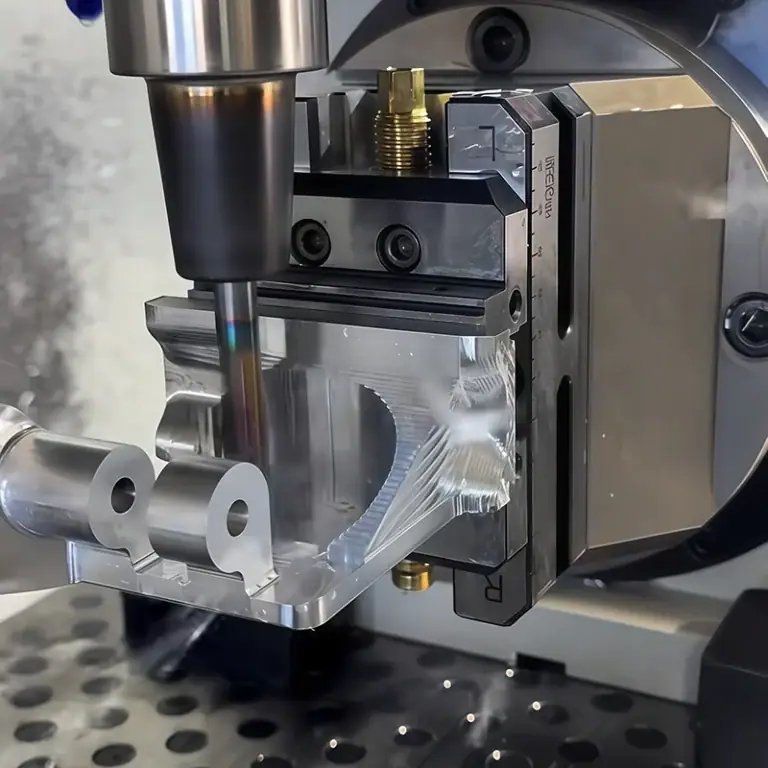
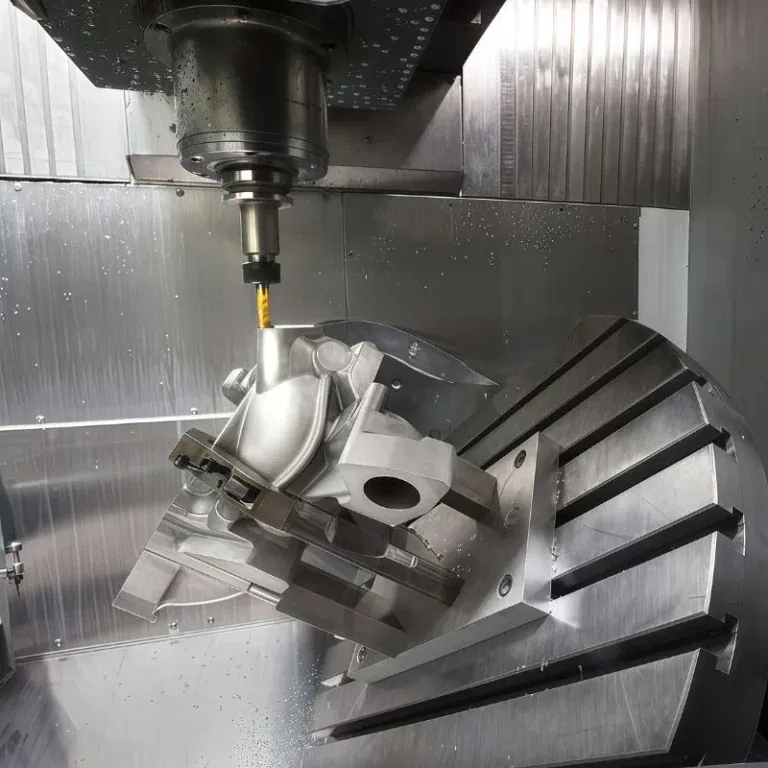
During the CNC machining process, burrs often form on the edges and holes of plastic parts. These small protrusions not only affect the appearance of the component but may also impact assembly and performance. Deburring is not only a part of the machining process but also an important step in ensuring part accuracy, surface quality, and the long-term reliable operation of equipment. Due to the unique characteristics of plastic materials, various deburring methods are available, each with its own operating procedures and technical considerations, making them suitable for different materials and part geometries.
What Are Burrs and Why Is Deburring Important?
Burrs are small rough edges or protrusions that form on material edges, hole openings, or slot openings during CNC cutting or drilling operations. Although burrs are small in size, they can cause assembly difficulties, increased wear, or damage to other components.Deburring not only improves surface quality and appearance but also extends part service life and enhances the overall reliability of automation equipment. For engineering plastic components, selecting the appropriate deburring method is especially important because plastics are sensitive to heat and deformation. Improper deburring may result in warping or surface damage.
Common Deburring Methods for Plastic Parts and Their Procedures
Deburring methods vary according to machining requirements, part geometry, and material properties. The main methods include the following:
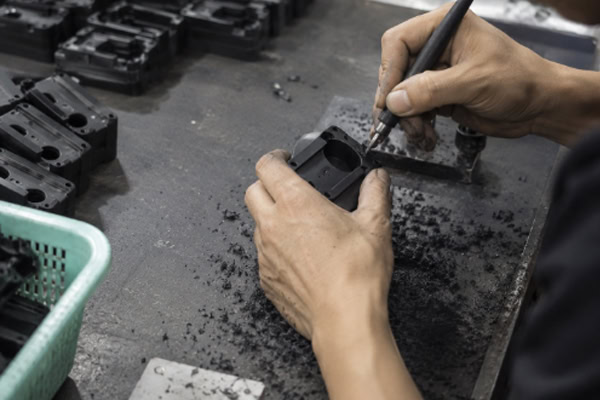
Manual Deburring
Manual deburring is the most straightforward method. Burrs are removed using hand tools while the operator visually inspects part quality.This method is flexible and allows specific areas to be treated individually. However, it is time-consuming and is generally suitable for low-volume production or complex components.
Common tools include:
- Hand files
- Sandpaper
- Deburring knives
During operation, consistent pressure should be applied to avoid scratching or damaging plastic edges.
Blast Deburring
Blast deburring uses high-pressure abrasive media to remove burrs from the part surface while also providing mild surface finishing.
Common blasting media include:
- Sand
- Glass beads
- Baking soda
- Dry ice
- Walnut shells
The blasting pressure and angle must be carefully controlled to ensure complete burr removal without damaging the part surface.This method is suitable for mass production because it offers high efficiency and can process parts with complex geometries.
Cryogenic Deburring
Cryogenic deburring uses extremely low temperatures to make plastic materials brittle, after which burrs are removed through vibration or tumbling processes.
Common cooling media include:
- Liquid oxygen
- Liquid carbon dioxide
- Dry ice
The low-temperature embrittlement makes burrs fragile and easy to remove. This method is suitable for high-strength or high-precision components.However, temperature and processing time must be carefully controlled to prevent cracking or material damage.
Flame and Hot-Air Deburring
Flame deburring uses an open flame to melt burrs. However, it carries a risk of overheating and may damage plastic parts.In comparison, hot-air deburring is more stable and controllable. It removes protruding burrs by locally melting them with heated air.During operation, temperature and airflow must be adjusted according to the plastic’s melting point to prevent warping or surface burning.
Infrared Heating Deburring
Infrared deburring is similar to hot-air deburring but uses infrared heat sources instead.The heat is concentrated and easier to control.This method is suitable for parts with high surface accuracy requirements and complex geometries, helping to reduce the risk of localized deformation.
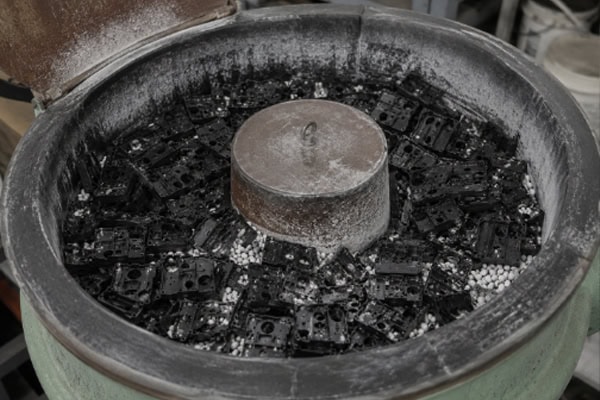
Vibratory and Abrasive Deburring
Vibratory deburring is typically combined with tumbling or rotating equipment and abrasive media.As parts vibrate, they rub against the abrasive material, gradually removing edge burrs.During operation, appropriate vibration frequencies and abrasive particle sizes must be selected to avoid surface damage.This method can process large quantities of small parts simultaneously, significantly improving efficiency.
Technical Details and Considerations
Plastic part deburring must be carried out according to both material characteristics and part geometry.High-performance engineering plastics such as PEEK, PEI, and PTFE require careful control of process parameters during high-temperature or low-temperature treatments to prevent warping, cracking, or surface melting.For blast deburring, abrasive particle size and blasting pressure should match the hardness of the component.For vibratory deburring, vibration duration and abrasive quantity must be properly controlled.Manual deburring requires experienced operators to avoid scratching surfaces or damaging precision holes.In addition, some parts may require a combination of deburring methods to achieve optimal surface flatness, dimensional accuracy, and appearance quality.
Frequently Asked Questions
Q1: Do CNC-machined plastic parts always require deburring?
A: Yes. Burrs can affect assembly, increase wear, and reduce surface appearance quality.
Q2: Which deburring method is the most efficient?
A: For mass production, blast deburring and vibratory deburring are commonly used because they are fast and suitable for complex parts.
Q3: Can deburring damage the part?
A: Yes. Manual, blast, or hot-air deburring can damage the surface if process parameters are not properly controlled.
Q4: How are complex-shaped parts deburred?
A: Cryogenic deburring or a combination of vibratory and abrasive deburring methods is often used to process deep holes and complex curved surfaces.
Q5: Which deburring method is recommended for low-volume parts?
A: Manual deburring is highly flexible and allows part quality to be inspected during processing, making it suitable for prototypes and small production runs.
Conclusion
Deburring of CNC-machined plastic parts affects not only appearance but also assembly accuracy and service life. Depending on the material, geometry, and production volume of the component, different methods such as manual, blast, cryogenic, hot-air, infrared, or vibratory deburring can be selected.Small parts can be flexibly processed through manual deburring, while large-volume production can benefit from blast or vibratory deburring methods, which offer high efficiency and excellent consistency.By applying appropriate processes and operating techniques, manufacturers can maintain part precision while improving machining efficiency, ensuring that components perform reliably in automation equipment over the long term.